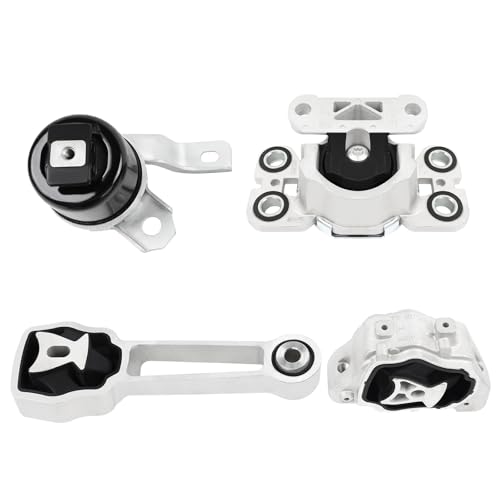
Wondering why your car is vibrating or making a clunking noise? The number of motor mounts might be the key. Understanding this is crucial for diagnosing issues and ensuring vehicle stability.
A car generally has between two and four motor mounts, which are crucial components designed to secure the engine to the chassis while simultaneously dampening vibrations. The precise number varies significantly based on factors like engine configuration, vehicle drivetrain, and transmission type. This variability is a key part of modern automotive engineering.
Based on an analysis of mechanical engineering principles, this guide details exactly what determines your car’s motor mount count. You’ll discover how the engine layout, drivetrain system, and mount types all interact. This reveals the complete picture of your vehicle’s engine mounting system.
Key Facts
- Variable Quantity: Most cars have between 2 and 4 motor mounts, a number determined by engineering needs, not a universal standard.
- Primary Functions: Motor mounts support the engine’s weight, absorb vibrations to improve cabin comfort, and manage engine torque during acceleration and deceleration.
- Lifespan: The typical lifespan of a motor mount is 50,000 to 100,000 miles, but this can be shortened by aggressive driving or harsh climates.
- Failure Symptoms: Common signs of a bad motor mount include excessive engine vibration, loud clunking noises, and visible engine movement in the bay.
- Replacement Cost: Replacing a single motor mount can cost between $200 and $600 as of 2026, with prices varying based on the vehicle and labor rates.
How Many Motor Mounts Are On A Car, And What Do They Do?
A car typically has between two and four motor mounts, which are essential components connecting the engine to the vehicle’s chassis. These mounts are not just simple brackets; they are engineered devices critical for both structural integrity and ride comfort. The primary purpose of motor mounts is to support the engine’s immense weight, absorb the powerful vibrations it generates, and control its movement to prevent damage to other components. Without them, the driving experience would be intolerably noisy and rough, and the engine could shift dangerously within the engine bay.

According to mechanical engineering principles, the engine mounting system performs several crucial functions. It isolates the chassis from engine vibrations, which significantly reduces noise and harshness felt inside the cabin. At the same time, it must be strong enough to withstand the torque produced by the engine, especially during acceleration and gear shifts. This balance of flexibility and strength is what makes motor mount design so critical. The number and placement of these mounts are carefully calculated by engineers to create a stable yet comfortable driving experience, which is why the count varies between different vehicle designs, engine types, and drivetrain layouts. A failure in this system can compromise both safety and vehicle performance, making a regular safety inspection important.
The core functions of a motor mount system include:
* Supporting Engine Weight: Securely holding the heavy engine and transmission assembly in place.
* Absorbing Vibrations: Using rubber or fluid to dampen engine vibrations, preventing them from transferring to the car’s frame and cabin.
* Limiting Engine Movement: Controlling the engine’s twisting and rocking motions during acceleration, braking, and turning.
* Maintaining Drivetrain Alignment: Ensuring the engine and transmission stay correctly aligned with other drivetrain components like axles and driveshafts.
What Factors Determine How Many Motor Mounts Are On A Car?
The number of motor mounts on a car varies based on three primary factors: the engine’s orientation (transverse or longitudinal), the vehicle’s drivetrain configuration (FWD, RWD, or AWD), and the transmission type. These vehicle design characteristics dictate how the engine’s weight is supported and how its torque is managed, which in turn determines the optimal motor mount quantity and placement. Manufacturer specifications are carefully developed around these engineering considerations to ensure ideal engine stability and performance.
- Engine Orientation: Whether the engine is mounted sideways (transverse) or front-to-back (longitudinal) is the most significant factor.
- Drivetrain Configuration: Front-Wheel Drive (FWD), Rear-Wheel Drive (RWD), and All-Wheel Drive (AWD) systems have different load characteristics that influence the mounting setup. For instance, a typical FWD sedan like a Honda Civic will have a different mount setup than a RWD truck like a Ford F-150.
- Transmission Type: While a lesser factor, the design of manual versus automatic transmissions can sometimes influence the design or placement of the transmission mount, which is an integral part of the overall powertrain support system.
How Does Engine Orientation Affect Motor Mount Count?
Transverse (sideways) engines typically have 3 to 4 motor mounts, often including a “dog bone” mount or torque strut to prevent rocking, while longitudinal (front-to-back) engines usually have 2 main engine mounts and a separate transmission mount. This difference is rooted in how each layout manages engine movement and torque. Automotive engineering principles dictate different support strategies for each orientation to achieve optimal stability and vibration dampening.
The following table breaks down the key differences:
| Feature/Aspect | Transverse Engine Mounts | Longitudinal Engine Mounts |
|---|---|---|
| Engine Orientation | Sideways across engine bay | Front-to-back in engine bay |
| Typical Drivetrain | Front-Wheel Drive (FWD) | Rear-Wheel Drive (RWD), All-Wheel Drive (AWD) |
| Common Mount Count | 3-4 mounts (engine & transmission often integrated) | 2 engine mounts, 1 transmission mount (total 3-4) |
| Primary Function | Manage engine roll, absorb torque during acceleration | Support engine weight, isolate vibration, control fore-aft movement |
| Key Mount Types | Torque strut mount, side mounts | Traditional engine mounts (left/right), dedicated transmission mount |
| Vehicles Examples | Honda Civic, Toyota Camry | Ford F-150, BMW 3 Series |
What Are The Different Types Of Motor Mounts Used In Cars?
Motor mounts primarily come in three main types: rubber mounts (basic vibration absorption), hydraulic mounts (fluid-filled for adaptive damping and improved ride comfort), and polyurethane mounts (firmer, more durable, often used for performance applications). Each type offers a different balance of comfort, durability, and engine control, and the choice depends on the vehicle’s intended use and performance level. Manufacturers select specific mount types based on their specifications to achieve desired levels of vibration dampening and handling characteristics.
- Rubber Mounts: These are the most common and basic type, consisting of rubber blocks sandwiched between metal brackets. The elastomer properties of the rubber effectively absorb and dampen vibrations. They are cost-effective and provide a good balance for most daily driving applications.
- Hydraulic Mounts: Also known as fluid-filled mounts, these are more advanced. They contain a glycol or hydraulic fluid that moves between chambers through small orifices to absorb vibrations across a wider range of frequencies. This design provides superior damping and a smoother ride, making them common in luxury vehicles.
- Polyurethane (Poly) Mounts: These are performance-oriented mounts made from a stiffer material than rubber. Polyurethane mounts offer significantly enhanced durability and reduce engine movement more effectively, which can improve throttle response and handling. The trade-off is a noticeable increase in noise and vibration transfer into the cabin.
Which Motor Mount Type Is Best For Your Vehicle?
The “best” motor mount depends on your priorities: OEM rubber mounts are ideal for maintaining factory ride quality, while aftermarket polyurethane mounts offer increased durability and performance but can introduce more vibration. For most drivers, sticking with the Original Equipment Manufacturer (OEM) mount type is the safest bet to preserve the vehicle’s intended balance of comfort and performance. When considering an upgrade to heavy-duty motor mounts or performance-oriented polyurethane, consulting manufacturer specifications and an ASE-certified mechanic is highly recommended.
Here are key factors to consider when making a choice:
* Driving Style: If you are an aggressive driver or participate in motorsports, polyurethane mounts offer superior engine stability. For daily commuting, OEM rubber or hydraulic mounts are better.
* Ride Comfort: If a smooth, quiet ride is your priority, stick with OEM rubber or hydraulic mounts. Polyurethane will make the ride harsher.
* Durability: For heavy-duty applications like towing or off-roading, upgraded rubber or polyurethane mounts can provide extra longevity and strength.
* Budget: OEM mounts are often the middle ground on price, while high-performance polyurethane and advanced hydraulic mounts can be more expensive.
How Do Engine And Transmission Mounts Work Together?
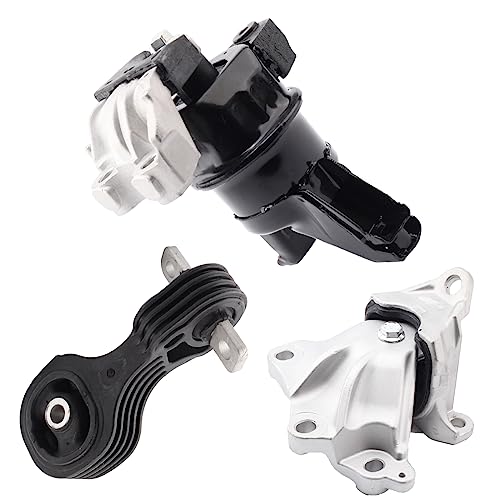
Engine mounts primarily secure the engine and absorb its vibrations, whereas transmission mounts stabilize the gearbox; they work together as a crucial “powertrain mounting system” to prevent the entire engine and transmission assembly from excessive movement. While they support different components, their functions are deeply interconnected. Engineering analysis shows this integrated system is designed to maintain the precise alignment of the entire drivetrain, which is essential for smooth power delivery and preventing damage to other components.
Think of the engine and transmission as a single, large unit—the powertrain. The engine mounts support the heavy engine block and handle the primary rotational torque and vibrations it creates. The transmission mount, typically located at the rear of the transmission, secures the gearbox to the chassis or subframe. Together, they create a stable, three-point (or more) support system that controls the powertrain’s movement in all directions—up-and-down, side-to-side, and front-to-back. This synergy is critical for ensuring proper drivetrain alignment and reducing NVH (noise, vibration, and harshness) inside the vehicle.
What Are The Symptoms Of Bad Motor Mounts?
The primary symptoms of bad motor mounts include excessive engine vibration (especially at idle or specific RPMs), loud clunking or banging noises (during acceleration, braking, or shifting), visible engine movement (rocking or lifting in the engine bay), and a generally harsh or uncomfortable ride quality. These signs indicate that the mounts have worn out and are no longer able to effectively support the engine and dampen its motion. A professional diagnosis is critical when these symptoms appear, as they can sometimes mimic other issues.
When a motor mount fails—either the rubber cracks and tears, or the internal fluid leaks out—it loses its ability to insulate vibrations and control movement. Here are the most common signs of worn or broken motor mounts:
- Excessive Vibration: This is often the first symptom. You might feel a noticeable vibration through the steering wheel, floorboards, or seats, especially when the car is in gear at a standstill (e.g., at a stoplight).
- Impact Noises: Loud clunking, banging, or thudding sounds coming from the engine bay are a clear red flag. These noises are caused by the engine shifting and making contact with the frame or other components, and they are most common during acceleration, deceleration, or when shifting gears.
- Visible Engine Movement: If you open the hood and see the engine lurching or rocking excessively when you rev it or shift between gears (with a helper’s assistance), it’s a strong sign of a failed mount.
- Harsh Gear Engagement: For automatic transmissions, you might feel a jarring thud when you shift from Park to Drive or Reverse. This is because the failing mount allows the entire powertrain to shift abruptly.
How Can You Diagnose A Bad Motor Mount At Home?
To check for bad motor mounts at home, perform a visual inspection for cracked or torn rubber and any fluid leaks (for hydraulic mounts), and with the car safely on, observe for excessive engine rocking or clunking sounds from the engine bay. This process requires caution and adherence to safety procedures but can often confirm a suspected issue before you visit a mechanic. Always prioritize safety when working near a running engine.
Here is a simple motor mount inspection checklist you can follow. For this test, it is highly recommended to have a helper.
1. Safety First: Park the vehicle on a level surface, engage the emergency brake firmly, and pop the hood. Ensure you have adequate lighting.
2. Visual Inspection: With the engine off, visually inspect each motor mount. Look for deep cracks, splits, or separation in the rubber components. For hydraulic mounts, check for any signs of fluid leaks, which will appear as a dark, oily residue on or below the mount.
3. The Movement Test (Requires a Helper):
* One person sits in the driver’s seat. Start the engine.
* With a firm foot on the brake pedal, shift the transmission into Drive.
* Gently apply and release the throttle. The second person should carefully watch the engine for excessive movement. A little flex is normal, but more than an inch of lift or rocking indicates a problem.
* Repeat the process with the transmission in Reverse. This tests the mounts under a different load direction.
4. Listen for Noise: During the movement test, listen carefully for any loud clunking or banging sounds that coincide with the engine movement.
⚠ Pro Tip: Never place your hands or tools near the engine while it is running. The combination of moving belts, hot surfaces, and potential engine lurching creates a significant safety hazard.
What Happens If You Drive With A Broken Motor Mount?
Driving with a broken motor mount is not recommended and can be dangerous, potentially leading to accelerated wear on other expensive components, further damage to the engine or chassis, and even loss of vehicle control in extreme cases. While the car may still be drivable in the short term, ignoring a failed mount will almost certainly lead to more significant and costly repairs down the line. Professional advice from a trusted automotive resource is to address the issue immediately for safety.
A broken motor mount allows the engine to move excessively within the engine bay, which creates a cascade of problems. The continuous stress and movement can cause:
- Damage to Other Components: The uncontrolled engine movement puts severe stress on connected parts. This can lead to cracked exhaust manifolds, broken hoses, damaged radiator connections, and premature wear on CV axles and transmission linkages.
- Increased Drivetrain Vibration: As the mount deteriorates further, the vibrations will become more severe, making the car uncomfortable to drive and potentially damaging other sensitive electronics.
- Further Mount Failure: The extra load from a single failed mount puts immense stress on the remaining mounts, causing them to fail prematurely. This is why mechanics often recommend replacing mounts in pairs or as a set.
- Safety Hazard: In the most severe cases, a completely failed mount could allow the engine to shift so dramatically that it causes a loss of throttle control or an accident. Prompt repair is a critical safety measure.
How Much Does It Cost To Replace Motor Mounts?
The average cost to replace a single motor mount in 2026 ranges from $200 to $600, with part costs typically $50-$200 and labor costs $150-$400 per mount. However, this price can vary significantly depending on several key factors. The vehicle’s make and model are the biggest influencers; a mount for a common domestic sedan will be much cheaper than one for a European luxury car. Getting multiple quotes for professional installation from both dealers and independent shops is the best way to get an accurate price.
Several factors influence the final motor mount replacement cost:
- Vehicle Make and Model: Luxury and performance vehicles often use more complex and expensive hydraulic or active mounts, driving up the parts cost.
- Mount Accessibility: The labor cost is heavily dependent on how difficult it is to access the mount. Some are easily reachable, while others may require removing other components or even lifting the engine, significantly increasing labor time.
- Type of Mount: A simple rubber mount is much cheaper than a sophisticated fluid-filled hydraulic mount.
- OEM vs. Aftermarket Parts: OEM (Original Equipment Manufacturer) parts are typically more expensive but guarantee a perfect fit and function. Aftermarket parts can offer savings but may vary in quality.
- Repair Shop Rate: Labor rates differ between dealerships and independent repair shops, as well as by geographic location.
FAQs About How Many Motor Mounts Are On A Car
How many engine mounts does a Honda Civic have?
Most Honda Civic models typically have three or four motor mounts, often including two side mounts for the engine and a front or rear “dog bone” mount (torque strut) to control engine roll. This reflects its common transverse engine and front-wheel-drive configuration. The exact number can vary slightly by generation and specific engine type.
What is a “dog bone” motor mount?
A “dog bone” motor mount, also known as a torque strut mount, is a specific type of engine mount designed primarily to limit engine rotation or “rocking” under acceleration and deceleration. It resembles a dog bone in shape and typically connects the engine or transmission to the subframe. It is especially common in front-wheel-drive vehicles with transverse engines.
How long do motor mounts typically last?
Motor mounts typically last between 5 to 7 years or 50,000 to 100,000 miles, though this can vary significantly based on driving conditions, climate, engine torque, and the quality of the mounts. Aggressive driving, extreme temperatures, and heavy loads can accelerate wear and necessitate earlier replacement.
Can bad motor mounts cause transmission problems?
Yes, bad motor mounts can indeed cause transmission problems, primarily due to excessive engine and transmission movement. When mounts fail, the engine and transmission can shift out of alignment, leading to harsh or delayed shifts, increased wear on transmission components like CV axles, and even fluid leaks if hoses are stressed.
Should motor mounts have play or movement?
While motor mounts are designed to allow a small amount of controlled flex to absorb vibrations, they should not have excessive “play” or movement. A little give is normal. However, any noticeable clunking, banging, or significant engine rocking indicates that the rubber or fluid components have worn out and are no longer effectively dampening motion.
What causes motor mounts to go bad prematurely?
Motor mounts can go bad prematurely due to several factors including age-related wear, exposure to extreme temperatures, fluid leaks, and aggressive driving habits. Excessive engine torque, frequent hard acceleration, and constant vibrations from engine imbalances can also put undue stress on the mounts, leading to early failure.
Are motor mounts covered under warranty?
Motor mounts are typically covered under the manufacturer’s new vehicle limited warranty, usually for the first 3 years/36,000 miles. However, they are generally considered wear-and-tear items and are often not covered under extended powertrain warranties unless their failure is due to a manufacturing defect. Always check specific warranty terms.
Is it hard to replace motor mounts yourself?
Replacing motor mounts can range from moderately difficult to very challenging, depending on the vehicle’s make, model, and the specific mount’s location. Some mounts are easily accessible, while others require extensive disassembly of other engine bay components or supporting the engine with a hoist. It often requires specialized tools and mechanical knowledge.
What is the difference between rubber and hydraulic motor mounts?
Rubber motor mounts use solid rubber to absorb vibrations, offering a cost-effective and durable solution with good basic damping. Hydraulic motor mounts, in contrast, are fluid-filled and designed to provide more sophisticated, adaptive vibration damping. They offer superior ride comfort but are more expensive and can fail if they leak fluid.
Do all cars have 4 motor mounts?
No, not all cars have exactly four motor mounts; the number typically ranges from two to four. The precise quantity is dictated by the vehicle’s engine orientation (transverse or longitudinal), drivetrain configuration (FWD, RWD, AWD), and transmission type. Some setups might use two main engine mounts and a separate transmission mount.
Key Takeaways: How Many Motor Mounts Are On A Car Summary
- Motor mount quantity varies by vehicle, typically between 2 and 4, based on engine orientation and drivetrain. This variability is a key design aspect for effective engine support and vibration control.
- Engine configuration (transverse vs. longitudinal) significantly dictates the number and type of mounts. Transverse engines (often FWD) use 3-4 mounts, while longitudinal engines (often RWD/AWD) typically employ 2 engine mounts and a separate transmission mount.
- Different types of mounts exist (rubber, hydraulic, polyurethane) each offering distinct vibration damping and performance characteristics. Choosing the right type depends on driving style, comfort priorities, and budget.
- Engine and transmission mounts work synergistically to stabilize the entire powertrain. While distinct in function, their combined role is crucial for preventing excessive movement and maintaining drivetrain alignment.
- Symptoms like excessive engine vibration, clunking noises, and visible engine movement are clear indicators of bad motor mounts. Prompt diagnosis and repair are essential to prevent further damage and ensure safety.
- Driving with broken motor mounts poses significant safety risks and can lead to costly damage to other vital vehicle components. Prioritize immediate professional inspection and repair to mitigate these dangers.
- Replacement costs vary widely based on vehicle make/model, mount type, and labor rates, typically ranging from $200-$600 per mount. Always seek expert advice and multiple quotes for informed decision-making.
Final Thoughts on How Many Motor Mounts Are On A Car
Understanding that a car has between two and four motor mounts is just the beginning. The real insight lies in knowing that this number is the result of careful engineering tailored to your specific vehicle’s design. The interplay between the engine layout, drivetrain system, and the types of mounts used forms a complete system designed for stability, comfort, and safety.
By recognizing the symptoms of a failing mount—from subtle vibrations to loud clunks—you empower yourself to take proactive steps. Timely diagnosis and replacement are not just about fixing a noise; they are about preserving the integrity of your vehicle’s powertrain, preventing more expensive repairs, and ensuring your safety on the road. Whether you’re a DIY enthusiast or a discerning car owner, this knowledge is a crucial part of responsible vehicle maintenance.
Last update on 2026-02-19 / Affiliate links / Images from Amazon Product Advertising API