
Tired of that cluttered, underused space sitting right next to your house? A double car garage conversion living space is a powerful solution to reclaim that valuable real estate. You need more room, and that two-car garage is a goldmine of untapped potential.
Converting a double car garage into living space typically costs between $20,000 and $50,000, with the average project costing around $35,000 in 2026. This cost varies based on location, finish quality, and whether you add plumbing for a bathroom or kitchenette. It’s a significant investment that adds true habitable square footage to your home.
Drawing from comprehensive analysis of construction data and established best practices, this guide breaks down everything you need to know. We’ll explore seven inspiring ideas, detail the real costs, and outline the critical steps for a successful transformation. Discover how to turn your garage into the functional, beautiful living space you need.
How Much Does a Double Car Garage Conversion to Living Space Really Cost?
The number one question homeowners have is about the bottom line. A double car garage conversion is a major renovation, and understanding the financial commitment is the first step. The total conversion cost breakdown depends heavily on your location, the scope of the project, and the quality of finishes you choose. On average, you’re looking at a project that can add significant property value increase by turning a 400 square feet to 500 sq ft garage into a fully habitable space conversion. This investment involves more than just aesthetics; it includes crucial elements like permits, labor, and adherence to building codes like the International Residential Code (IRC) to ensure the space is safe and legally recognized as living area.
To provide a clearer picture, here is a tiered breakdown of what you can generally expect at different budget levels. This table illustrates how costs escalate as you add complex features like plumbing and high-end materials.
| Conversion Tier | Estimated Cost Range | Key Features Included |
|---|---|---|
| Basic Conversion | $20,000 – $30,000 | Insulating walls/ceiling, replacing garage door with a walled window, basic electrical, drywall, and entry-level flooring (e.g., carpet or laminate). No plumbing. |
| Mid-Range Conversion | $30,000 – $45,000 | Everything in Basic, plus upgraded flooring (e.g., LVP), a ductless mini-split HVAC system, recessed lighting, and potentially a simple wet bar. |
| High-End Conversion | $45,000 – $70,000+ | Everything in Mid-Range, plus adding a full bathroom and/or kitchenette, higher-end finishes, custom cabinetry, vaulted ceilings, and potentially skylights. |
Beyond these estimates, it’s crucial to budget for “hidden” costs that can arise. These often include architectural plans, permit fees (which can be a significant percentage of the project cost), potential foundation repair or leveling, and the cost of upgrading your main electrical panel to handle the new load. Factoring in a 10-15% contingency fund is a wise strategy.
Double Car Garage Conversion: 7 Ideas To Maximize Your Space
Once you have a handle on the budget, the exciting part begins: envisioning the possibilities. A standard two-car garage offers a blank canvas of approximately 400-500 square feet, which is substantial enough for a variety of layouts. A 2 car garage remodel can solve a wide range of household needs, from creating a private retreat to generating rental income. The key is to choose a garage conversion ideas that not only meets your immediate needs but also complements your home’s existing flow and adds long-term value. Below are seven distinct and functional ideas for your garage to living space conversion, each with actionable steps to help you get started.
1. Converting into a Self-Contained In-Law Suite (ADU)

Pin this elegant ADU idea for your future project!
Creating an Accessory Dwelling Unit (ADU), often called an In-law suite or granny flat, is one of the most popular and value-adding conversions. This option transforms your garage into a fully independent living space, perfect for aging parents, adult children, or as a rental unit for extra income. This type of project is the most complex as it requires permit approval and significant plumbing and wiring upgrades to accommodate a kitchen and bathroom. Success hinges on careful planning to meet local zoning laws and obtaining a certificate of occupancy upon completion.
What You Need
- Compact kitchenette unit (sink, mini-fridge, 2-burner cooktop)
- Three-quarter bathroom fixtures (shower, toilet, small vanity)
- HVAC mini-split system for independent climate controlled heating and cooling
- Insulated walls with high R-value foam or fiberglass
- Egress window compliant with International Residential Code (IRC)
- Moisture-resistant luxury vinyl plank (LVP) flooring
- Fire-rated drywall (5/8-inch Type X) for walls connected to the main house
Key Conversion Steps
- Permitting: Submit architectural plans to your local building department, specifying the space as an Accessory Dwelling Unit (ADU).
- Plumbing & Electrical: Run new supply and drain lines for the kitchen and bath. Install a subpanel for the ADU’s electrical needs, following the National Electrical Code (NEC).
- Framing: Frame the new interior walls for the bathroom and any room divisions. Frame out the garage door replacement opening for a new wall with a window and main entrance.
- Insulating: Insulate all exterior walls, the ceiling, and raise the floor for concrete slab insulation.
- Finishing: Install drywall, flooring, cabinetry, and fixtures.
Pro-Tip: Check your local ordinances carefully. Some jurisdictions have specific size and rental restrictions for ADUs. A licensed contractor can help navigate the complex garage conversion permits process.

2. Framing a Productive Home Office & Creative Studio

Save this home office inspo to your “Work From Home” board!
With the rise of remote work, a dedicated Home office has become a necessity. Converting the garage creates the ultimate separation between work and home life. This type of multi-functional space demands excellent natural lighting and can be soundproofed for focus. The goal is to create an environment that is both professional and inspiring, with ample room for desks, storage, and creative pursuits. Proper wiring for computers and networking is paramount.
Materials & Tools Needed
- Soundproofing insulation (e.g., Rockwool) for walls and ceiling
- Dedicated 20-amp electrical circuits for computers and equipment
- Recessed lighting on a dimmer switch and task lighting for the desk area
- Large window installation to maximize natural lighting
- Durable flooring like polished concrete or commercial-grade laminate
- Built-in desks and shelving to maximize the open floor plan
- Ethernet ports wired directly to your home’s router
Key Conversion Steps
- Planning: Design a layout that separates your “work” zone from a “creative” or “lounge” zone. Map out electrical outlet and data port locations.
- Soundproofing: Before drywalling, install sound-dampening insulation in all walls and the ceiling to reduce noise from the house and outside.
- Wiring: Have a licensed electrician run dedicated circuits for your equipment to prevent tripped breakers. Install both overhead and task lighting.
- Garage Door Removal: Remove the old garage door and frame the opening for a large picture window or French doors to let in light.
- Finishing: Apply a durable, professional finish to the floors and walls. Install custom built-ins for an integrated, high-end look.
Pro-Tip: To prevent thermal bridge prevention, ensure the new wall replacing the garage door is insulated to the same or higher standard as the other walls. This is a common point of heat loss in conversions.

3. Building Your Ultimate Personal Home Gym

Pin this dream home gym setup for workout motivation!
A personal Home gym is a fantastic way to utilize a garage, providing a tough, dedicated space for fitness. This conversion prioritizes function over form, focusing on durable flooring, good ventilation, and potential structural reinforcement. Since the space will house heavy equipment and endure high-impact activities, ensuring structural stability is key. It needs insulation for temperature control, making workouts comfortable year-round.
What You Need
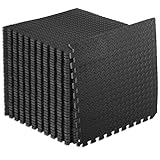
- Heavy-duty rubber flooring (mats or rolls) to protect the concrete slab
- Wall-mounted mirrors to create a sense of space and check form
- Excellent ventilation system, such as a high-powered exhaust fan or HVAC mini-split
- Reinforced ceiling joists if hanging equipment like a heavy bag
- Ample, bright lighting (e.g., LED panel lights)
- Wall-mounted storage for weights, bands, and accessories
- A dedicated outlet for a treadmill or other cardio equipment
Key Conversion Steps
- Floor Prep: Ensure the concrete slab is perfectly level and sealed. A subfloor leveling compound may be needed. This is the foundation of your gym.
- Reinforcement: Consult a structural engineer to confirm if ceiling joists need reinforcement for suspended equipment. This is a critical safety step.
- Install Flooring: Lay down the interlocking rubber mats or roll-out flooring, ensuring a tight fit.
- Ventilation & HVAC: Install an exhaust fan or a ductless mini-split system to manage temperature and air quality during workouts.
- Mirrors & Storage: Securely mount large mirrors to the walls. Install heavy-duty shelving or pegboard systems for equipment.
Pro-Tip: The concrete garage slab can be cold and hard. For added comfort and insulation, consider building a raised floor garage subfloor with a layer of rigid foam insulation before putting down the rubber flooring.
4. Designing an Entertainment-Ready Game Room or Man Cave

Save this ultimate game room idea for your entertainment space!
Create the ultimate hangout spot with a Game room or Man cave conversion. This idea is all about fun and relaxation. A key feature is making the space soundproofed to contain noise from movies, games, or a friendly game of pool. This space often features kitchenette-style wet bar for drinks and snacks, requiring some plumbing and dedicated electric + wiring for entertainment systems. It’s the perfect way to move noisy recreational activities out of the main living area.
Supplies Needed
- Sound-dampening drywall and insulation for noise reduction
- Durable and spill-proof flooring like luxury vinyl tile (LVT) or epoxy coating
- Customizable track lighting or recessed lighting on dimmers
- A wet bar with a mini-fridge and sink
- Pre-wiring for a large-screen TV, surround sound system, and gaming consoles
- Plenty of electrical outlets at various heights
- A separate heating/cooling system like a PTAC unit to keep it comfortable
Key Conversion Steps
- Wiring for Tech: Plan your layout around your entertainment tech. Run HDMI, speaker wire, and ethernet cables in the walls before putting up drywall.
- Soundproofing: Install soundproofing insulation and use a double layer of drywall or specialized sound-dampening drywall to keep game noise contained.
- Plumbing for Wet Bar: If adding a wet bar, have a plumber run a small hot and cold water supply line and a drain.
- Lighting: Install a flexible lighting scheme with multiple zones and dimmers to create the right atmosphere for gaming, watching movies, or playing pool.
- Flooring: Choose a floor that is easy to clean and durable enough to withstand foot traffic and potential spills.
Pro-Tip: When planning your wet bar, consider utility tie-ins. It’s significantly cheaper to locate the bar along a wall that backs onto an existing kitchen or laundry room where plumbing is already present.

5. Creating an Open-Concept Studio Apartment

Pin this genius small space solution for studio apartment goals!
A Studio apartment conversion is the epitome of efficiency, turning your garage into a chic, all-in-one living space. This open floor plan design is perfect for a 2 car garage apartment conversion and requires smart solutions for maximizing space in a 20×20 garage conversion. The key is multi-functional furniture and creating distinct “zones” for living, sleeping, and cooking without building walls. This project utilizes foundation and structure already in place to create a valuable Ancillary Living Area. It’s crucial to meet egress requirements with a properly sized window or door, as this will be a legal sleeping area.
What You Need
- Multi-functional furniture (e.g., Murphy bed, convertible sofa, drop-leaf table)
- Smart storage solutions (e.g., floor-to-ceiling cabinetry, under-bed storage)
- A compact, efficient kitchenette along one wall
- A clearly defined, yet open, floor plan that separates “zones” using rugs or furniture placement
- Large windows or skylights to create a sense of spaciousness
- A consistent, light color palette to make the space feel larger
- Durable, uniform finished flooring throughout
Key Conversion Steps
- Layout Planning: Use painter’s tape on the garage floor to map out your living, sleeping, and kitchen zones. This is crucial for an open floor plan.
- Raise & Insulate Floor: Address the cold concrete slab by building a raised floor garage with rigid foam insulation underneath the subfloor. This makes the space truly habitable.
- Install Utilities: Run all plumbing and electrical before closing up the walls. Consolidate the kitchen and bathroom plumbing to save on costs.
- Maximize Light: Replace the garage door with a large window array or glass doors. Consider adding skylights if the roofline allows.
- Build-ins & Finishing: Install floor-to-ceiling cabinets and multi-functional units like a Murphy bed. Use light paint colors to finish.
Pro-Tip: To avoid a cramped feeling, opt for vaulted ceilings if your garage has attic space above. Exposing the roof rafters can dramatically increase the perceived volume of the room, making a small studio feel large and airy.

6. Installing a Luxurious Master Bedroom Suite

Save this tranquil master suite retreat for your dream home board!
For the ultimate in comfort and privacy, consider converting two car garage into master suite with bath. This creates a true Master bedroom suite that feels like a private oasis. This high-value project includes bathroom installation and a spacious walk-in closet, which dramatically adds square footage of premium living space to your home. It’s an excellent option for creating a ground-floor bedroom, which is fantastic for accessibility and aging in place.
What You Need
- Full bathroom fixtures (e.g., walk-in shower, freestanding tub, double vanity)
- Extensive plumbing for the new bathroom
- A large walk-in closet system
- High-end flooring, such as engineered hardwood or plush carpeting
- Large egress window for safety and natural light
- Soundproofed walls for privacy
- Upgraded electrical for vanity lighting and outlets
Key Conversion Steps
- Plan the “Wet” Zone: Design the layout to group the bathroom and closet together to consolidate plumbing and create a functional flow.
- Concrete Cutting & Plumbing: The most intensive step. A plumber will need to cut the concrete slab to run drain lines for the toilet, shower, and sinks.
- Framing for Privacy: Frame the walls for the bathroom and a large walk-in closet, ensuring doorways are wide enough for accessibility.
- Waterproofing: Properly waterproof the entire bathroom area before tiling, using a membrane system like Kerdi or RedGard. This prevents moisture barrier issues.
- Luxury Finishes: Install the high-end touches: tile, heated floors, a custom closet system, and upgraded lighting fixtures.
Pro-Tip: For the ultimate spa feel, invest in vapor retarders in the bathroom walls and a high-capacity, quiet exhaust fan. This is critical for managing moisture in a converted space that was not originally designed for it.

7. Assembling an Immersive Home Cinema

Pin this incredible home cinema for your movie night goals!
For the ultimate movie lover, a dedicated Home cinema is a dream come true. A garage is the perfect location because it’s easy to control light and sound. This is an ideal windowless conversion where the focus is on creating a dark, immersive environment. The project is highly technical, involving precise wiring for surround sound, tiered seating for clear sightlines, and acoustic treatments to perfect the audio experience. This conversion requires permit for the extensive electrical work and any structural changes, and it also demands ventilation to manage heat from the electronics.
What You Need
- A high-quality projector and a fixed projector screen
- A surround sound audio system (e.g., 7.1 or Dolby Atmos)
- Complete light control (no windows or blackout coverings)
- Acoustic wall panels to absorb sound and reduce echo
- Dark, non-reflective paint for walls and ceiling
- Tiered seating platform for multiple rows of viewers
- Thick carpeting to help with sound absorption
Key Conversion Steps
- Pre-Wire Everything: This is the most critical step. Run all speaker wire, HDMI, and power cables to their precise locations in the walls and ceiling before any drywall goes up.
- Control the Light: This is a perfect windowless conversion. Frame and insulate the garage door opening and any existing windows to create a completely dark room.
- Build the Riser: Construct a sturdy, raised platform for the back row of seating. Ensure it is built to code and can handle the weight.
- Install Sound Treatment: Attach acoustic panels to the walls and bass traps in the corners to fine-tune the room’s sound.
- Finishing Touches: Paint the walls and ceiling a dark matte color. Install the thick carpet. Finally, install all A/V equipment and seating.
Pro-Tip: Proper ventilation is key in a sealed room full of electronics. Plan for a quiet, high-volume HVAC solution like a dedicated mini-split to keep the room cool without adding fan noise to your movie experience.

Key Takeaways: Your Quick Guide to Double Garage Conversions
Navigating a garage conversion involves balancing budget, design, and building regulations. To simplify the process, here are the most important takeaways from our guide. Focusing on these core principles will help ensure your project is successful, valuable, and compliant with safety standards from the start.
- Budget Accordingly: A double car garage conversion is a significant investment, typically ranging from $20,000 to $50,000. The final cost to convert garage space depends heavily on adding plumbing and the level of finishes.
- Permits Are Non-Negotiable: Virtually all garage conversion permits are required to ensure the space is safe and habitable. Working with a licensed contractor is the best way to ensure building code compliance.
- Insulation is Everything: To make the space comfortable, you must address the uninsulated concrete slab, walls, and ceiling. Proper concrete slab insulation and high R-value wall insulation are critical.
- Solve for Light and Air: Garages lack natural lighting and ventilation. Planning for new windows (including one meeting egress requirements for bedrooms) and a dedicated HVAC system is essential.
- Adds Significant Value: A well-executed conversion can significantly increase your home’s property value and functional square footage addition, often providing a strong garage conversion ROI.
- Plan Your Utilities Early: The biggest costs and complexities involve plumbing for bathrooms/kitchenettes and running new electric + wiring. Plan the layout around these utility tie-ins to save money.
FAQs About double car garage conversion living space
Does a garage conversion add value to my home?
Yes, a well-done garage conversion that is fully permitted adds significant value to your home. It increases the official living square footage, which is a primary driver of property appraisals. The return on investment (ROI) can often be 60-80%, and in high-demand housing markets, it can provide a valuable feature like an in-law suite or dedicated home office.
Do I need a permit for a double garage conversion?
Absolutely. A permit is almost always required to convert a garage into living space. This process ensures the renovation meets critical safety standards for insulation, electrical wiring, plumbing, and fire safety, including egress windows. A permitted conversion is recognized in your home’s official square footage and is essential for insurance and resale.
How do you insulate a double garage for living space?
Insulating a garage involves addressing the walls, ceiling, and concrete floor. Walls and ceilings are typically insulated with fiberglass batts or spray foam. The concrete slab floor is the most critical part; this is often done by building a raised wooden subfloor with rigid foam insulation panels underneath, or by placing insulation directly on the slab with a floating floor on top.
What is the best flooring for a garage conversion?
Luxury Vinyl Plank (LVP) is often the best choice for its durability, moisture resistance, and insulating properties. It can be installed as a floating floor directly over a vapor barrier and insulated underlayment. Other good options include engineered hardwood on a raised subfloor or polished and sealed concrete for a modern look.
Can I add a bathroom to my garage conversion?
Yes, you can add a bathroom, but it significantly increases the project’s complexity and cost. It requires cutting into the concrete slab to run new drain lines and tying into your home’s existing plumbing and sewer systems. This part of the job requires a licensed plumber and detailed plans for your permit application.
How do you heat a converted garage?
A ductless mini-split HVAC system is the most popular and efficient solution. These systems provide both heating and cooling, are highly energy-efficient, and don’t require extending your home’s existing ductwork. Other options include electric baseboard heaters or tying into your central HVAC system, though the latter can be more complex.
Is a garage conversion worth it?
For many homeowners, a garage conversion is absolutely worth it. It’s typically cheaper and faster than building a new home addition while adding the same amount of functional living space. It can solve needs for more bedrooms, a home office, or multi-generational living, making it a valuable and practical home improvement project.
What are the building codes for garage conversions?
Key building codes relate to safety and habitability. This includes meeting minimum ceiling height requirements (usually 7 feet), having at least one egress window or door in sleeping areas, proper insulation R-values, hardwired smoke detectors, and ensuring the wall connecting to the house is fire-rated, as outlined in the International Residential Code (IRC).
How long does it take to convert a 2 car garage?
A typical double car garage conversion takes between 4 to 8 weeks to complete. This timeline can be affected by the permit approval process, the complexity of the project (e.g., adding a bathroom), and the availability of contractors and materials. The planning and design phase can add several weeks before construction even begins.
What is the average square footage of a 2 car garage?
The average two-car garage is between 400 and 500 square feet. Common dimensions are 20×20 feet, 20×24 feet, or 24×24 feet. This provides a substantial amount of space that can be converted into a large family room, a studio apartment, or a multi-room suite with a bedroom and bathroom.
Final Thoughts on Your Double Garage Transformation
Embarking on a double garage transformation is more than just a home improvement project; it’s a strategic way to unlock the hidden potential within your property. By converting this underutilized area, you are creating valuable garage living quarters that can adapt to your family’s changing needs—whether that’s a home office, an in-law suite, or a vibrant playroom. The key to success lies in careful planning, a realistic budget, and a commitment to working with a licensed contractor to meet all building codes. This ensures your new space is not only beautiful and functional but also a safe and lasting asset. Which of these conversion ideas has sparked your imagination for your own home?
Last update on 2026-04-16 / Affiliate links / Images from Amazon Product Advertising API


