
Are you tired of wasting 400 square feet of valuable real estate on boxes and clutter? Finding the budget to convert 2 car garage to living space can feel overwhelming when you desperately need more room to breathe.
Converting a typical 2-car garage to habitable living space requires structurally sealing the concrete slab, installing dedicated HVAC, and running proper electrical systems. This transformation permanently replaces storage capacity with fully insulated, code-compliant square footage. The right approach eliminates temperature issues and creates a seamless extension of your home.
Drawing from comprehensive analysis of verified project costs and established international building methodologies, we created this guide. You will discover eleven brilliant conversion floor plans, realistic budget breakdowns, and the exact legal steps required to maximize your property value. Stop letting your largest room sit empty and start planning a stunning new space today.
How Much Does It Cost to Convert a 2 Car Garage to Living Space?
Converting a typical 2-car garage to living space generally costs between $8,000 and $30,000, with most projects averaging $15,000 to $25,000. The final price depends heavily on the scope, location, and finishes. A conversion that includes a bathroom and kitchenette will be at the higher end, while a simple bonus room will be more budget-friendly.
A garage conversion is one of the most effective ways to add square footage to your property. It instantly increases property value without expanding your exterior footprint. However, transforming standard 2-car garage dimensions (typically 400-600 sq ft) from a cold concrete slab into a cozy haven requires a realistic budget.
You must account for structural integrity, load-bearing walls, and mandatory legal compliance. Working with a Licensed Professional Engineer and a General Contractor ensures your attached garage conversion meets local codes. Address resale value concerns early by understanding exactly where your money goes, ensuring your garage to room conversion delivers a strong return on investment.
Your Complete Garage Conversion Cost Breakdown for 2026
When planning your two car garage conversion, understanding the granular costs prevents stressful budget blowouts. This detailed garage conversion cost breakdown estimates total cost across all major construction phases. From securing a Building Permit to installing a Plumbing Rough-in and a new Electrical Subpanel, every step requires careful financial planning.
Unlike simple DIY weekend projects, a permitted conversion involves specialized labor and strict safety codes. Getting multiple quotes using a contractor vetting checklist is crucial for keeping your cost per square foot manageable. Below is a realistic look at the expenses you can expect, including hidden costs like architectural plans, HVAC for garage conversion, and potential property tax increases.
| Cost Category | Average Cost Range | Key Considerations |
|---|---|---|
| Architectural Plans & Permits | $1,000 – $3,000 | Required for legal conversion; involves Zoning Laws |
| Foundation & Flooring | $1,500 – $5,000 | Raising the garage floor, leveling, moisture barrier |
| Framing & Drywall | $2,000 – $6,000 | Includes insulated garage walls and ceilings |
| Garage Door Replacement | $1,500 – $4,000 | Wall framing, siding, and energy-efficient windows |
| Electrical Work | $1,000 – $3,500 | New subpanel, outlets, and lighting to code |
| Plumbing (if adding bath/kitchen) | $4,000 – $15,000+ | Major cost driver; involves cutting the slab |
| HVAC System | $1,500 – $4,000 | Mini-split Air Conditioner is a popular choice |
| Insulation | $1,000 – $2,500 | Critical for creating a habitable space |
| Finishing (Paint, Trim, Flooring) | $2,000 – $7,000 | Depends on material quality |
The Essential Permit & Zoning Guide for a Legal Garage Conversion
A legal garage conversion requires a permit from your local municipality to ensure safety, structural integrity, and proper zoning compliance. Skipping this critical legal step is the most common mistake homeowners make. It often leads to a highly expensive illegal garage conversion fix down the road.
Before you finalize any blueprints, you must navigate local Zoning Laws and verify Zoning Ordinance compliance. The International Residential Code (IRC) dictates specific safety and habitability standards for these room transformations. Your project will likely be reviewed by a Certified Building Inspector to check everything from Safety egress requirements to electrical load balancing. Securing permits for garage conversion protects your family and guarantees your new space actually adds value to a future property appraisal. Follow this essential permit application process checklist to keep your project fully legal.
- Check Local Zoning Laws: Verify if an Accessory Dwelling Unit (ADU) or conversion is allowed.
- Submit Architectural Plans: Your municipality will require detailed blueprints.
- Meet Egress Requirements: Any bedroom must have two points of exit (e.g., a door and an egress window).
- Comply with Ceiling Height Minimums: Most codes require a minimum of 7 feet.
- Schedule Inspections: Expect inspections for framing, electrical, plumbing, and insulation.
11 Genius Ideas to Convert Your 2 Car Garage Into a Dream Living Space
A well-planned garage conversion transforms storage into a highly functional, habitable garage space tailored to your exact lifestyle needs. Whether you desperately need a quiet retreat or a bustling creative hub, the spatial possibilities are truly endless.
The right two car garage floor plan can solve your home’s space limitations instantly. From a private home office suite to a multigenerational in-law suite, these small house plans ideas maximize your existing footprint beautifully. Each concept below requires specific design elements—like specialized lighting, soundproofed walls, or plumbing upgrades—to succeed. As you explore these garage living space transformation concepts, consider how the new room will flow logically with your existing home. Dive into these eleven practical, highly actionable ideas to find the perfect conversion for your family.
1. Build an Income-Generating Studio Apartment (ADU)

Pin this garage to studio apartment idea to your “ADU Plans” board!
Creating a 2 car garage into apartment setup is a brilliant way to generate reliable passive income. An Accessory Dwelling Unit (ADU) supports independent living and significantly boosts your property’s earning potential. However, adding a kitchenette to a garage conversion and installing a full bathroom requires strict adherence to zoning laws for converting garage to apartment spaces.
What You Need
- Building Permit for an Accessory Dwelling Unit (ADU)
- Kitchenette Unit: Including a small sink, 2-burner cooktop, and under-counter refrigerator
- Bathroom Fixtures: A compact shower, toilet, and vanity are essential for a habitable space
- Egress Window: A code-compliant window large enough for emergency exit
- Separate Electrical Subpanel: To handle the increased load and for potential separate metering
- Mini-Split HVAC: For efficient, independent heating and cooling
- Durable Flooring: Luxury vinyl plank or polished concrete with waterproofed flooring membrane
Steps
- Check Local Zoning: Before anything else, confirm your property is zoned for an ADU with your local municipality.
- Design the Floor Plan: Work with a designer to create a functional floor plan that includes a living/sleeping area, kitchenette, and a 3/4 bathroom.
- Rough-in Plumbing & Electrical: This is the most invasive step. A contractor will need to cut the concrete slab for plumbing lines and run new electrical circuits.
- Frame & Insulate: Frame the interior walls, bathroom, and closets. Install high R-value insulation in all walls and the ceiling.
- Install Windows & Doors: Replace the garage door with a wall, window, and a separate entrance door. Install the egress window.
- Finish & Install Fixtures: Hang drywall, paint, install flooring, and set all kitchen and bathroom fixtures.
Pro-Tip: To maximize space, use multi-functional furniture. Consider a Murphy bed that folds into the wall or a sofa bed. This dramatically increases the usable living area in a standard 20×20 garage footprint.

2. Design a Luxurious Master Bedroom Retreat

Save this garage to bedroom conversion inspiration to your “Dream Home” board!
Building a luxurious master suite beautifully expands living space into a private, quiet retreat. If your current home feels cramped, the cost to convert 2 car garage to master suite is often much lower than a full exterior addition. This major project necessitates electrical upgrade work and deep plumbing trenches for the en-suite bathroom. You must strictly adhere to Electrical Code Compliance and Safety egress requirements for sleeping areas.
What You Need
- Walk-in Closet System: Customizable shelving and rods to maximize storage.
- En-Suite Bathroom Fixtures: A walk-in shower, double vanity, and toilet.
- Soundproofing Materials: Such as soundproofed walls using resilient channels, double drywall, or acoustic insulation.
- Luxury Flooring: High-quality carpet, engineered hardwood, or luxury vinyl tile.
- French Doors or Large Windows: To replace the garage door and provide ample natural lighting.
- Recessed Lighting & Dimmers: For layered, ambient lighting.
Steps
- Plan the Layout: Design a two car garage floor plan that allocates space for the sleeping area, a large walk-in closet, and a spacious bathroom.
- Frame the Interior: Build the walls for the closet and bathroom. Consider building a knee wall where the old garage door was to raise the new windowsills.
- Run Utilities: Have licensed professionals run plumbing for the bathroom and new electrical for lighting and outlets. This is a critical step for adding a bathroom to garage.
- Soundproof & Insulate: Install acoustic insulation in the walls, especially the one shared with the main house and any exterior walls.
- Raise & Finish the Floor: Install a floating subfloor system to insulate from the cold concrete slab, then lay your chosen flooring.
- Install Finishes: Hang drywall, paint, install lighting fixtures, bathroom fixtures, and the closet system.
Pro-Tip: For ultimate quiet, use a solid-core door for both the entrance to the suite and the bathroom. This simple upgrade dramatically reduces noise transmission compared to standard hollow-core doors.

3. Craft the Ultimate Home Gym & Wellness Space

Pin this amazing home gym idea for your fitness goals!
A dedicated home gym transforms storage into a healthy, active wellness environment. Creating this space requires reinforced waterproofed flooring to protect the concrete from heavy weights. You must also prioritize excellent ventilation requirements and a dedicated Mini-split Air Conditioner to keep the air fresh. Don’t forget a thorough Structural Load Calculation if you plan to hang heavy punching bags from the ceiling joists.
What You Need
- Durable Rubber Flooring: To protect the concrete slab and your joints.
- Wall Mirrors: To help with form and make the space feel larger.
- Reinforced Mounting Points: For heavy equipment like squat racks or punching bags.
- Excellent Ventilation: A high-powered fan, an exhaust fan, or a dedicated HVAC Split System.
- Bright, Even Lighting: To keep the space safe and motivating.
- Dedicated Outlets: For treadmills, bikes, or TVs.
Steps
- Clear & Prep the Space: Empty the garage completely and thoroughly clean the concrete floor.
- Upgrade Electrical: Install extra outlets at the appropriate height for your equipment (e.g., higher up for a wall-mounted TV).
- Install HVAC & Ventilation: Mount a mini-split hvac unit on the wall for year-round comfort. Consider an exhaust fan to remove stale air.
- Insulate & Finish Walls: Add insulation and cover with durable drywall or plywood for a finished look. Install large mirrors on at least one wall.
- Lay the Flooring: Roll out heavy-duty rubber flooring over the concrete slab. No subfloor is typically needed for a gym.
- Mount Equipment: Securely mount any wall or ceiling equipment to studs or install structural reinforcements as needed.
Pro-Tip: Don’t replace the garage door! Instead, consider a modern, fully-insulated glass panel garage door. It provides incredible natural lighting during the day, can be opened for fresh air, and maintains the home’s curb appeal.

4. Construct a Fun & Functional Family Game Room

Pin this awesome game room conversion for your future family fun night!
A massive family bonus room or man cave provides insulation from noise for the rest of the house. Converting garage to living room spaces tailored for entertainment is highly popular for growing families. This setup features resilient flooring, heavily soundproofed walls, and specialized electrical wiring. Strict Electrical Code Compliance is vital to handle the load from multiple high-power gaming and home theater devices safely.
What You Need
- Durable Flooring: Laminate, luxury vinyl plank, or even stained concrete is great for high-traffic areas.
- Soundproofing: Use acoustic insulation and solid-core doors to keep game noise from disturbing the rest of the house.
- Specialized Lighting: A mix of overhead ambient light and task lighting (e.g., over a pool table).
- Plenty of Outlets: And dedicated circuits for power-hungry electronics.
- Built-in Storage: For board games, controllers, and other accessories.
- Optional Wet Bar: A sink, mini-fridge, and counter space for snacks and drinks.
Steps
- Plan Your Zones: Divide your two car garage floor plan into zones: a media zone with seating, a table game zone, and a video game/snack zone.
- Run Electrical & A/V Wires: This is the time to run speaker wire, HDMI cables, and ethernet in the walls for a clean, professional look. Install plenty of electrical outlets.
- Insulate for Sound: Install insulation in walls and ceiling with a focus on sound dampening.
- Install a Subfloor: Use an insulated garage floor systems like DRIcore to create a thermal break and a comfortable, level surface for your finished flooring.
- Finish Walls & Ceiling: Drywall, paint, and install your lighting fixtures. Consider a dark color for the media wall to improve TV contrast.
- Install Flooring & Built-ins: Lay your durable flooring and install any custom cabinets for storage or the wet bar.
Pro-Tip: Run PVC conduit (smurf tube) in the wall from behind the TV to a lower point where your components will be. This allows you to easily pull new cables in the future without tearing open the drywall.

5. Create a Bright and Airy Art or Craft Studio

Pin this dreamy art studio conversion to your “Creative Space” board!
When you convert garage into studio space, you instantly create a messy, creative haven away from your pristine living room. This transformation mandates massive amounts of natural lighting to ensure accurate color work. It also necessitates robust ventilation requirements if you work with strong paints, resins, or solvents. Be sure to check the light and ventilation ratios specified by the International Residential Code (IRC) to maintain a truly healthy workspace.
What You Need
- Maximized Natural Light: Large windows, French doors, or skylights are key.
- Task Lighting: High-quality, color-correct lighting (5000K+) for detailed work.
- Durable, Easy-to-Clean Flooring: Epoxy flooring or sealed concrete is ideal.
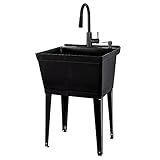
- Utility Sink: A large, deep sink is essential for cleanup.
- Robust Ventilation: An exhaust fan system to safely remove fumes from paints, solvents, or resins.
- Open Shelving & Storage: To keep supplies organized and accessible.
Steps
- Prioritize Light: The biggest change is replacing garage doors with windows. Plan for the largest windows your budget and structure allow. Consider adding skylights.
- Add Plumbing: Run hot and cold water lines and a drain for a large utility sink. This may require cutting the concrete slab.
- Install Ventilation: Install a powerful exhaust fan, vented directly outside, in the area where you’ll be using the most fumes.
- Seal the Floor: After a thorough cleaning and any necessary repairs to the cracked garage floor, apply a multi-coat epoxy flooring system.
- Optimize Electrical: Add plenty of outlets around the room at workbench height. Install high-quality overhead task lighting on a separate switch from your ambient lights.
- Build Storage: Install wall-to-wall open shelving systems to store your materials.
Pro-Tip: When choosing lighting, look for fixtures with a high Color Rendering Index (CRI) of 90+. This ensures that the colors you see in your artwork are true and accurate, not skewed by poor-quality artificial light.
6. Set Up a Professional Home Theater

Pin this ultimate home theater design to your “Entertainment Goals” board!
Successfully converting garage into a home theater is the ultimate luxury project. This specific room design requires complete light control and heavily soundproofed walls to prevent bass from shaking the entire house. It seamlessly integrates with modern home automation systems. To prevent power sags from heavy amplifiers, you must perform a thorough circuit load analysis before wiring the dedicated electrical circuits.
What You Need
- Complete Light Control: No windows are ideal. If you have them, you need blackout shades.
- Acoustic Treatments: Soundproofed walls, bass traps, and acoustic wall panels.
- Tiered Seating Platform: For unobstructed views from every seat.
- Dedicated Electrical Circuits: For your projector, receiver, and subwoofer to ensure clean power.
- In-wall Wiring: For speakers, HDMI, and ethernet for a clean look.
- Dimmable Lighting: Controlled via smart home system or remote.
Steps
- Control Light & Sound: Frame out and remove any existing windows. Insulate the walls and ceiling with acoustic insulation.
- Pre-wire Everything: Run all your speaker, video, and control wires before any drywall goes up. This is one of the most creative ways to hide electrical in a garage conversion.
- Build the Riser: Construct a sturdy platform for the back row of seats. This is a perfect application of building a step up floor in a garage conversion.
- Install Controlled Lighting: Wire for dimmable recessed lighting for garage conversions and wall sconces, all controlled by a smart switch or remote.
- Drywall & Paint: Use double-layer drywall with Green Glue for extra soundproofing. Paint the walls and ceiling a dark, non-reflective color (dark gray, navy, or black).
- Install Carpet & Acoustic Panels: Lay thick carpet with a heavy pad to absorb sound. Mount acoustic panels on the walls at key reflection points.
Pro-Tip: The ideal location for your subwoofer is often not the most aesthetically pleasing. Perform a “subwoofer crawl”: place your subwoofer in your main seating position, play a bass-heavy track, and crawl around the room. The spot where the bass sounds the most even and powerful is the best acoustic location for your sub.

7. Develop a Spacious In-Law Suite for Multigenerational Living

Share this thoughtful in-law suite garage conversion idea with your family!
An In-law Suite (often called a Granny flat) beautifully enables independent living for aging family members right on your property. This mother-in-law suite garage conversion requires highly specific features of universal design accessibility, including extra-wide doorways and zero-threshold showers. Referencing ADA guidelines for grab bar placement and countertop height is critical for ensuring long-term safety and comfort in this multigenerational living space.
What You Need
- Accessible Design: Wide doorways (36″), lever door handles, and no-step entryways.
- Full Bathroom with Safety Features: A zero-threshold shower with a bench, grab bars, and a comfort-height toilet.
- Functional Kitchenette: Easy-to-reach cabinets, a microwave, a sink, and a small refrigerator.
- Non-Slip Flooring: To prevent falls.
- Good Lighting: Bright, even lighting throughout the space.
- Separate Entrance: For a sense of privacy and independence.
Steps
- Design for Accessibility: Work with a designer familiar with universal design accessibility. Plan for wide hallways and doorways right from the framing stage.
- Create a No-Step Entry: This may involve raising the garage floor to match the main house level or creating a gentle, code-compliant ramped entryway outside.
- Install an Accessible Bathroom: This is a key feature. A curbless, zero-threshold shower is the most important element. Install plywood blocking inside the walls during framing where grab bars will be mounted later.
- Plan the Kitchenette: Design a simple, safe kitchenette. Consider an induction cooktop instead of gas or electric coil for safety.
- Finish with Safety in Mind: Install non-slip flooring like luxury vinyl tile. Ensure all transitions between rooms are flush.
- Add Comforts: Install an independent, easy-to-use smart thermostat and ensure TV and phone jacks are conveniently located.
Pro-Tip: When planning the electrical, install outlets higher up on the wall than standard (about 18-24 inches from the floor) to reduce the need for bending down, which can be difficult for older residents.

8. Launch a Home Business with a Workshop & Office

Pin this home office suite and workshop idea to your “Entrepreneur Life” board!
A dedicated dual-purpose flex room seamlessly enables home office operations right alongside messy product assembly. This combination workspace necessitates electrical upgrade panels to safely handle heavy power tools running alongside sensitive computers. Before launching, thoroughly review local Zoning Laws to verify regulations on home-based business signage, noise limits, and customer foot traffic restrictions.
What You Need
- Upgraded Electrical Panel: To handle the load from power tools, computers, and lighting.
- Durable Flooring: Sealed concrete or epoxy flooring is perfect for a workshop.
- Task-Specific Lighting: Bright, overhead LED lights for the workshop and more focused lighting for the office desk.
- Excellent Storage: A mix of cabinets for concealing clutter and open shelving/pegboards for easy access to tools.
- Good Ventilation: To handle dust or fumes from the workshop area.
- Separate Entrance: If you plan to have clients visit.
Steps
- Check Business Zoning: Before starting, verify local regulations regarding home-based businesses.
- Plan Your Electrical: This is the most critical step. Map out where your heavy-duty tools and office equipment will go. You may need 220v outlets and will likely require upgrading the electrical panel.
- Create a Durable Shell: Insulate the walls, but consider using plywood or OSB for the bottom half of the walls for durability instead of drywall. Seal the concrete floor.
- Install Zoned Lighting & HVAC: Put workshop and office lights on separate switches. If using a mini-split hvac system, position it to effectively serve both areas.
- Build Out the Zones: Install your workbench, tool storage, and heavy equipment on one side. Set up your desk, chair, and filing cabinets on the other.
- Add a Separate Entrance: If client-facing, replace a portion of the garage door wall with a professional-looking single entry door.
Pro-Tip: Install a dust collection system in the workshop area with ports near your main tools (like a table saw or sander). This dramatically reduces the amount of fine dust that settles in your office area.

9. Design a Dedicated Homeschooling & Craft Room

Save this amazing homeschool room idea to your “Kids’ Spaces” board!
Building a kids craft room and study area wonderfully expands living space to give education a dedicated, distraction-free zone. This highly functional floor plan features extensive cubbies and built-in closet organization systems. To ensure a healthy learning environment, strictly adhere to correct light and ventilation ratios and always specify low-VOC or zero-VOC paints to protect indoor air quality.
What You Need
- Kid-Friendly Flooring: Cork, marmoleum, or low-pile carpet tiles are soft, durable, and easy to clean.
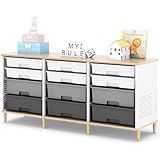
- Massive Amounts of Storage: Cubbies, bins, and cabinets are essential.
- Large Work Surfaces: A mix of kid-sized tables and a larger table for group projects or crafts.
- Washable Wall Paint: Semi-gloss or eggshell finish for easy cleanup.
- A Large “Idea Wall”: A whiteboard, chalkboard, or a large corkboard wall.
- A Small Sink: For washing hands and cleaning up art supplies.
Steps
- Create a Bright Shell: Prioritize natural lighting by adding windows. Insulate thoroughly and drywall the space.
- Plumb for a Sink: If possible, add a small utility sink in a corner for easy cleanup.
- Choose Durable Finishes: Install kid-friendly flooring and use washable paint on the walls.
- Install Wall-to-Wall Storage: Dedicate at least one full wall to floor-to-ceiling cubby and closet organization systems. This is the key to a tidy room.
- Create the Idea Wall: Mount a large whiteboard or use chalkboard paint on a dedicated wall section.
- Furnish with Flexible Pieces: Use lightweight tables and chairs that can be easily rearranged for different activities. Create a cozy reading nook with a small bookshelf and a beanbag.
Pro-Tip: Use luxury vinyl tile (LVT) flooring. You can buy it in multiple colors and create a fun, checkered pattern or define different “zones” on the floor itself, making cleanup a breeze and adding to the room’s playful design.
10. Build a Cozy Den and Library Space

Pin this perfect library den idea to your “Cozy Home” board!
A sophisticated library transforms storage into a technology-free sanctuary. When creating this cozy retreat, stopping moisture on concrete slab surfaces is paramount to protecting your valuable books. This project absolutely requires strict adherence to Moisture Barrier Standards. Installing heavily insulated garage floor systems and a high-quality vapor barrier prevents destructive dampness and cold air from seeping upward.
What You Need
- Extensive Built-in Bookshelves: To create the library feel and provide storage.
- High-Quality Insulation: Both in the walls and under the floor to create a cozy, temperature-stable room.
- Moisture-Proofing: A high-quality vapor barrier and subfloor system is crucial to protect books from moisture on concrete slab.
- Comfortable Flooring: Engineered hardwood or plush carpeting.
- An Electric Fireplace: For ambiance and supplemental heat without needing a chimney.
- Layered, Dimmable Lighting: Including overhead lights, reading lamps, and picture lights for the shelves.
Steps
- Seal the Envelope: This room is all about being cozy. Start by air-sealing any gaps, installing high-R-value insulation, and ensuring the new windows and doors are energy-efficient.
- Address the Floor: This is critical for a library. First, seal the concrete. Then install a vapor barrier and an insulated subfloor system to prevent any moisture from wicking up.
- Plan Electrical for Ambiance: Run electrical for an electric fireplace, overhead recessed lights, and outlets for reading lamps. Place switched outlets for picture lights above the planned bookshelf locations.
- Install Flooring: Lay down your chosen hardwood or carpet.
- Build or Install Bookshelves: Securely fasten floor-to-ceiling bookshelves to the walls.
- Paint & Finish: Choose a dark, moody color to create a cozy, enveloping feel. Install your lighting fixtures and fireplace.
Pro-Tip: To prevent thermal bridge prevention, ensure your insulation is continuous. When framing the new wall where the garage door was, use advanced framing techniques or install a layer of rigid foam insulation on the exterior before siding to create a complete thermal break.

11. Convert Half Your Garage to a Functional Mudroom/Laundry Room

Pin this genius laundry room in garage idea to keep your home organized!
Choosing to intelligently convert half of my 2 car garage utilizes concrete slab space while miraculously preserving one parking spot. This specific partition split requires constructing strict fire-rated walls to legally separate the habitable laundry zone from the remaining vehicle parking area. The International Residential Code (IRC) enforces heavy fire separation mandates for this project, making expert drywall installation essential.
What You Need
- Fire-Rated Drywall (Type X): For the wall separating the new room from the remaining garage space.
- Plumbing & Dryer Venting: Hot/cold water supply, a drain, and an exterior vent for the dryer.
- Durable, Waterproof Flooring: Tile is the ideal choice.
- Built-in Cabinets & Bench: To maximize storage and organization.
- Utility Sink: Highly recommended for a laundry/mudroom.
- Solid Core, Self-Closing Door: Another fire code requirement for the door entering the main house.
Steps
- Check Code for Partition Walls: Consult your local municipality on the specific requirements for a wall separating a garage from a living space.
- Frame the New Wall: Frame a wall to partition the garage. A typical 2-car garage can easily yield a 10×20 foot room while leaving space for one car.
- Run Utilities: This is a major step. You will need to run plumbing for the washer and sink, a 220v outlet for the dryer, and vent the dryer to the outside.
- Install Fire-Rated Drywall: On the garage side of the new wall and ceiling, install 5/8″ Type X fire-rated walls and be sure to tape and mud the seams correctly for compliance.
- Finish the Interior: Insulate the new room’s walls, hang standard drywall on the inside, and install your durable tile flooring.
- Install Built-ins: Build or install your cabinets for the washer/dryer, the bench, and storage cubbies.
Pro-Tip: Install a floor drain in the laundry area before you tile. It’s a small extra step during the plumbing for garage conversion rough-in that can save you from a major catastrophe if your washing machine ever leaks.

Key Takeaways: Your Quick Guide to a Successful Garage Conversion
Reviewing the main takeaways of your converting garage to living space overview ensures you stay focused on the most critical project phases. A successful garage conversion summary boils down to respecting the budget, honoring the legal process, and prioritizing foundational comfort over purely aesthetic choices. Keep these essential points in mind as you move from inspiration to concrete action.
Key Takeaways:
- Budget Realistically: A 2 car garage remodel is not a cheap project. Expect costs to range from $8,000 for a basic room to over $30,000 for a suite with a bathroom, with a common average of $15,000-$25,000.
-
Permits Are Non-Negotiable: To ensure absolute safety, strict compliance with building codes, and preserve your home’s resale value, you must obtain a building permit. An unpermitted conversion can be a major financial liability.
-
Address the Floor First: The cold, sloped concrete slab is a major environmental challenge. Proper moisture proofing, heavy insulation, and structural leveling are the true foundation of a comfortable living space.
-
HVAC is a Must: You cannot safely rely on portable space heaters. A mini-split hvac system is the most common, cost-effective, and efficient solution for heating and cooling a converted garage.
-
Egress Windows Are Required for Bedrooms: Any legal sleeping area must have a second safe point of exit, which is typically an egress window that meets highly specific size and height requirements from the International Residential Code (IRC).
-
Conversion Can Boost Home Value: A well-designed, legally permitted conversion beautifully adds square footage and can significantly increase your property value, often providing a highly positive ROI.
People Also Ask About Converting a 2 Car Garage
Even after exploring detailed floor plans and cost breakdowns, you likely have highly specific questions about converting a garage. Navigating strict building codes, understanding complex resale value impacts, and solving technical challenges like insulation and HVAC can feel incredibly overwhelming. Below are clear, authoritative answers to the most common garage conversion queries to help you move forward with absolute confidence.
Does a garage conversion add value to my home?
Yes, a legally permitted and well-executed garage conversion almost always adds significant value to your home. By adding heated, finished living space (square footage), you are directly increasing the most important metric used in a property appraisal. A high-quality conversion can often yield a return on investment of 80% or more, especially if it adds a functional bedroom or bathroom.
Do I need a permit to convert my garage into a room?
Yes, you absolutely need a building permit to convert a garage into a habitable living space. This is because you are entirely changing the use of the structure, which involves heavy structural, electrical, and safety modifications that must be officially inspected to comply with the International Residential Code (IRC) and local ordinances.
How do I insulate a garage for living space?
Proper insulation is critical and should be continuously installed in the walls, ceiling, and any new framed partition walls. Use thick fiberglass batts, expanding spray foam, or rigid foam panels to achieve the exact R-value required by your local energy codes. Don’t forget an insulated garage floor system to create a vital thermal break from the cold concrete slab.
Is it cheaper to build an addition or convert a garage?
Converting a garage is almost always significantly cheaper than building a brand new home addition. This is primarily because the foundational shell—the slab, exterior walls, and roof—already exists. A garage conversion typically costs about half as much per square foot as building a new addition completely from the ground up.
How do I heat and cool a converted garage?
The most popular and energy-efficient solution is a ductless mini-split HVAC system. These sleek systems have an outdoor compressor and one or more indoor air handlers that can be mounted directly on the wall. They provide excellent heating and cooling, operate quietly, and don’t require the hassle of connecting to your home’s existing HVAC ductwork.
Does a garage conversion hurt resale value if I lose parking?
This is a common concern, but in most real estate markets, the value of additional living space outweighs the loss of covered parking. If reliable off-street parking is still available in the driveway, the overall impact is minimal. The major exception is in highly dense urban areas or severely cold climates where enclosed garage parking is fiercely prized.
Can a garage conversion count as a bedroom for resale?
Yes, a converted garage can be legally listed as a bedroom if it strictly meets all building code requirements for one. This includes having a built-in closet, a minimum ceiling height of usually 7 feet, a minimum floor square footage, and a code-compliant egress window or door in addition to the main entry point.
How do you raise a garage floor to match the house?
You can successfully raise the floor by building a structural “sleeper” system of wood joists directly on top of the concrete slab. A thick vapor barrier is laid first, then a rigid grid of 2x4s or 2x6s is built on top, leveled precisely with shims, and covered with heavy plywood subflooring. This creates necessary space for underfloor insulation and makes the transition incredibly seamless.
What is the best flooring for a garage conversion?
Luxury Vinyl Plank (LVP) is often the best choice due to its extreme durability, fully waterproof properties, and highly realistic wood look. After correctly installing a proper subfloor and vapor barrier, LVP, engineered hardwood, or thick carpet are all excellent options. Never put materials like solid hardwood directly on or near the raw concrete slab.
What happens if I convert my garage illegally?
An illegal conversion can lead to significant, highly expensive legal and financial problems. You may be heavily fined by your city, forced to completely tear out the unpermitted work, and it will absolutely create major roadblocks when you try to sell your home. Unpermitted work is a severe safety hazard, can instantly invalidate your homeowner’s insurance, and will never be officially counted in your home’s square footage.
Final Thoughts on Your Garage Conversion Journey
Navigating a major garage repurposing project requires balancing brilliant design inspiration with strict Zoning Ordinance compliance. As we’ve explored, a proper garage conversion is one of the most powerful, cost-effective ways to instantly add square footage to your home. When you secure the right permits, handle the foundational insulation correctly, and choose a layout that serves your family’s needs, the return on investment is undeniable.
Take the first actionable step today by checking your local municipal zoning laws and sketching out your ideal floor plan. By thoroughly understanding the true costs and legal requirements upfront, you avoid stressful surprises and guarantee a stunning final result. What kind of amazing new living space will you create in your garage this 2026?
Last update on 2026-04-16 / Affiliate links / Images from Amazon Product Advertising API


![Double Car Garage Conversion: 7 Ideas, Costs & Guide [year]](https://i0.wp.com/carxplorer.com/wp-content/uploads/2026/04/Double-Car-Garage-Conversion-7-Ideas-Costs-Guide-year-1.webp?resize=60%2C60&ssl=1 "Double Car Garage Conversion: 7 Ideas, Costs & Guide [year] 28")

