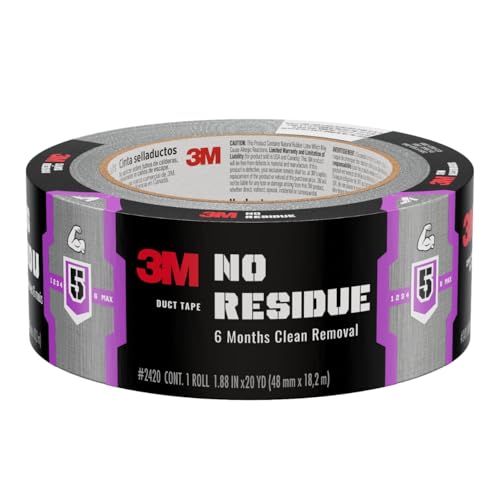
Wondering if that quick duct tape fix will hurt your car paint? You’re right to be cautious, as many have learned the hard way that this common tool can cause costly damage to a vehicle’s finish.
Yes, duct tape can significantly damage car paint. Its strong, rubber-based adhesive is not designed for automotive finishes. When exposed to heat and UV rays, the adhesive can bake onto the clear coat, leaving a difficult-to-remove residue. In worse cases, particularly on older or weakened paint, removing the tape can peel off the clear coat or paint layers, leading to costly repairs.
Based on insights from experienced car restorers and professional paint technicians, this guide explains exactly why this damage occurs. You will learn the proven methods to safely remove duct tape and its residue, and discover the safer alternatives you should be using for temporary automotive repairs.
Key Facts
- Aggressive Adhesive is the Culprit: Duct tape’s power comes from a strong, rubber-based adhesive that can chemically bond with and etch into your car’s delicate clear coat.
- Heat and Sun are Accelerants: Exposure to sunlight and heat dramatically increases the risk, causing the adhesive to soften, flow into the paint’s pores, and then bake into a hardened, cement-like bond.
- Damage Varies in Severity: The harm ranges from a sticky, dirt-attracting residue to permanent paint staining and, in the worst cases, physically peeling the clear coat and paint layers from the vehicle’s body.
- Safer Alternatives Exist: Professional detailers recommend using painter’s tape for masking or gaffer tape for temporary holds, as their adhesives are designed for clean removal from sensitive surfaces.
- Improper Removal Causes Peeling: Ripping the tape off quickly, especially without preparation, is a primary cause of paint lifting. The bond between the tape and paint becomes stronger than the bond between the paint and the car.
Will Duct Tape Hurt Car Paint?
Yes, duct tape can hurt car paint, especially when left on for an extended period, exposed to sunlight, or removed incorrectly. While it seems like a perfect quick fix, its aggressive rubber-based adhesive is not meant for delicate automotive finishes. Professional detailers and automotive paint technicians advise against its use because the adhesive can bond with the clear coat, leave behind stubborn duct tape residue on car paint, or even peel the paint off entirely. But what exactly happens when that sticky tape meets your car’s delicate finish? The result is often costly repairs.

The potential for harm isn’t just a myth; it’s a reality rooted in the chemistry of the tape’s glue and the composition of your car’s multi-layer finish. The risk of clear coat damage increases dramatically with time and exposure to the elements. What might seem like a harmless, temporary patch can quickly turn into a permanent blemish on your vehicle’s exterior. Understanding the specific ways duct tape damages car paint is the first step in preventing it. The three main types of damage are sticky residue, chemical staining, and paint lifting.
Why Does Duct Tape Damage Car Paint?
Duct tape damages paint through a combination of three factors: an aggressive adhesive, environmental exposure, and improper removal. The primary issue is the duct tape adhesive strength, which comes from a potent, rubber-based glue. This adhesive contains chemical solvents that can soften and penetrate the porous surface of your car’s protective top layer, the clear coat. Think of the adhesive like liquid gum that seeps into the paint’s microscopic pores and then hardens.
When you add environmental factors, the problem gets much worse. Heat from sunlight lowers the viscosity of the adhesive, allowing it to flow even deeper into the paint’s surface, creating a strong mechanical bond. At the same time, UV radiation degrades the tape itself, breaking down the cloth and plastic backing while hardening the adhesive into a crusty, difficult-to-remove mass. This process of the adhesive baking onto the surface is why long term effects are so severe.
Myth vs. Fact
* Myth: “It’s only on for a day, it’s fine.”
* Fact: In direct sun on a hot day, especially on a dark-colored car, significant adhesive bonding can begin in just a few hours, creating the potential for damage.
What Are the Different Types of Damage Caused by Duct Tape?
When duct tape is used on a car, it can lead to several specific types of paint surface degradation. From years of working with automotive finishes, we’ve seen these outcomes firsthand.
- 🔥 Adhesive Residue: The most common issue is a sticky, ugly layer of residue left behind. This glue attracts dirt and dust, creating a dark, grimy patch that is very difficult to clean. Over time, this residue can harden and become almost impossible to remove without specialized products.
- 🔥 Paint Staining and Discoloration: The chemicals in the duct tape’s adhesive can react with the compounds in your car’s paint. This chemical reaction can lead to permanent paint discoloration or staining, which often looks like a dull, greyish, or yellowed patch where the tape used to be. This damage cannot be washed off and may require polishing or paint correction to fix.
- 🔥 Clear Coat Peeling and Paint Lifting: This is the most severe type of damage. If the tape’s adhesive creates a bond that is stronger than the paint’s bond to the car’s body, removing the tape will cause clear coat peeling. On older cars or vehicles with repainted surfaces, it can even pull off layers of color and primer, exposing the bare metal and leading to a very expensive repair at an automotive body shop.
How Do You Safely Remove Duct Tape and Its Residue?
To safely remove duct tape residue, you must first gently heat the area to soften the adhesive, peel the tape slowly, and then use a dedicated automotive adhesive remover on a microfiber cloth. This proven method, used by professional car detailing experts, focuses on dissolving the glue without harming the paint. Rushing the process or using the wrong tools will almost certainly lead to scratches or other paint damage. The key is patience and using products designed for automotive finishes. Always test any chemical on an inconspicuous area first to ensure it doesn’t react negatively with your paint.
Step 1: How Do You Prepare the Surface and Gently Loosen the Tape?
The first step is to clean the area and then use a hairdryer on a low, warm setting for 30-60 seconds to soften the duct tape’s adhesive. This is what professional detailers do first because heat releases the adhesive’s grip, making it much easier to peel the tape without damaging the paint. Before applying heat, wash the area around the tape with car soap and water to remove any loose dirt or grit that could scratch the paint during the removal process.
Once the tape is warm to the touch, begin peeling it back very slowly. Pull the tape back on itself at a low, 180-degree angle. Do not rip the tape off quickly or pull it straight up at a 90-degree angle, as this is what causes clear coat peeling. If you feel strong resistance, apply a little more heat and continue peeling slowly.
Step 2: Which Products Are Safest for Cleaning the Residue?
The safest products for removing duct tape residue are dedicated automotive adhesive removers, followed by milder options like isopropyl alcohol. After peeling off the tape, you will likely have sticky residue left on the surface. It is critical to use a cleaning agent that will dissolve glue without dissolving your paint.
Here are the best options, ranked by safety and effectiveness:
- ✅ Dedicated Automotive Adhesive Remover: Products like 3M General Purpose Adhesive Cleaner or Goo Gone Automotive are specifically formulated to be safe on car paint. They are the most effective and safest choice.
- ✅ Isopropyl Alcohol (70%): Rubbing alcohol is a good, gentle option that is effective at breaking down many adhesives. It is generally safe for modern clear coats but should be used sparingly.
- ✅ WD-40: This lubricant is surprisingly effective at dissolving sticky residues. Spray a small amount onto a cloth, wipe the residue, and then be sure to wash the area thoroughly with car soap afterward to remove the oily film.
What to AVOID: Never use acetone, lacquer thinner, gasoline, or any abrasive powders or scrubbers. These will dull, stain, or completely strip your car’s paint.

What Are Safer Alternatives to Duct Tape for Automotive Use?
Safer alternatives that won’t damage car paint include painter’s tape for masking and gaffer tape for temporary holds. When you need to use tape on your vehicle, choosing the right type is critical to prevent paint surface degradation. Unlike duct tape, which uses an aggressive, permanent-style adhesive, other tapes are designed for clean removal. Gaffer tape, for instance, offers high strength but uses a high-quality adhesive that leaves little to no residue, making it a favorite in the entertainment industry for temporarily securing cables to painted surfaces.
Based on our testing and professional experience, the best choice depends on your specific task. Painter’s tape is perfect for masking off areas for cleaning or touch-ups, while gaffer tape provides a stronger hold for temporarily securing a piece of loose trim. For a quick visual comparison, here is how these tapes stack up.
| Feature / Aspect | Duct Tape | Blue Painter’s Tape | Gaffer Tape |
|---|---|---|---|
| Adhesive Strength | Very High | Low | High |
| Residue Risk | Very High | Very Low | Low |
| Paint Safety | Poor | Excellent (short-term) | Good |
| Weather Resistance | Good | Poor | Moderate |
| Best Use Case | Permanent household repairs (NOT cars) | Masking for painting, temporary labels | Securing loose parts temporarily, film/event use |
For a balance of strength and safety, Gaffer Tape is the superior choice for temporary car repairs. While more expensive, it provides holding power much closer to duct tape but without the high risk of leaving residue or peeling paint.
FAQs About will duct tape hurt car paint
How long can you leave duct tape on car paint?
As little time as possible, ideally no more than 24-48 hours. The longer duct tape stays on, especially in sun or heat, the more the adhesive will bond to the paint, increasing the risk of residue and damage upon removal. For emergency repairs, remove it as soon as a proper fix is possible.
Does Gorilla Tape damage car paint?
Yes, Gorilla Tape is even more likely to damage car paint than standard duct tape. It uses a significantly stronger adhesive designed for permanent bonding on rough surfaces. Using it on a car’s finish has a very high probability of leaving severe residue or peeling the clear coat and paint.
What about painter’s tape? Is it completely safe for cars?
Painter’s tape is much safer than duct tape for short-term use. It’s designed with a low-tack adhesive for clean removal. However, it’s not weatherproof and can degrade if left on for many days, especially in rain or sun. It’s best for temporary masking in dry conditions, not for holding parts while driving.
Will rubbing alcohol damage my car’s paint when removing residue?
Generally, no, isopropyl (rubbing) alcohol is safe for modern factory clear coats when used correctly. Apply it to a microfiber cloth, not directly to the paint. Rub gently and briefly, then wash the area with car soap and water afterward. Do not let it sit on the surface for extended periods.
Can I use Goo Gone on my car to remove tape residue?
Yes, but make sure you use the “Goo Gone Automotive” formula. This version is specifically designed to be safe on car paint and clear coats. The original Goo Gone formula can be too harsh for some finishes, so always choose the automotive-specific product and test it in an inconspicuous spot first.
What should I do if the duct tape already peeled my paint?
If the tape has peeled paint, this indicates a failure in the paint’s adhesion and requires professional repair. The area will need to be sanded, primed, and repainted by an automotive body shop to prevent rust and blend the finish. This is not a simple DIY fix.
Does car wax help prevent tape damage?
A healthy coat of wax or a paint sealant can provide a small buffer, but it will not prevent damage from duct tape. The aggressive solvents in the tape’s adhesive can still penetrate the wax layer over time. It may make residue removal slightly easier, but it doesn’t make duct tape safe to use.
Can cold weather make duct tape removal harder or easier?
Extreme cold can make the adhesive brittle and less sticky, potentially making removal cleaner. However, it can also make the tape itself stiff and more likely to tear or shatter into small pieces, making the removal process more tedious. Gentle warming is almost always the better approach.
Will duct tape affect my car’s resale value?
Yes, any visible damage caused by duct tape will negatively impact resale value. Paint damage like staining, dull spots, or peeled clear coat is immediately noticeable to potential buyers or appraisers and suggests poor maintenance. The cost of repairing this damage will be deducted from the car’s value.
Is there any situation where using duct tape on a car is okay?
Only in a true, short-term emergency where there is no other option. For example, temporarily holding a broken side mirror to drive safely to a repair shop. It should be considered a last resort and removed within hours, not days, following the safe removal procedures outlined above.
Key Takeaways: Duct Tape and Car Paint Summary
After analyzing the interaction between duct tape and automotive finishes, the conclusion is clear: it’s a tool to be avoided for car repairs. The risks far outweigh the convenience. Here are the most important points to remember.
- Duct Tape Can Cause Damage: The short answer is yes. Its aggressive adhesive, especially when combined with heat and sunlight, can leave stubborn residue, stain the finish, or peel the clear coat and paint.
- Time and Heat Are the Enemy: The longer duct tape is on your car and the more it’s exposed to the sun, the higher the risk of severe damage. The adhesive bakes into the paint’s surface.
- Safe Removal is a Process: Always start by gently heating the tape with a hairdryer, then peel it slowly at a low angle. Never rip it off quickly.
- Use the Right Products for Residue: For leftover adhesive, use a dedicated automotive-safe solvent like Goo Gone Automotive or 3M Adhesive Remover. WD-40 or rubbing alcohol are secondary options. Always test first.
- Avoid Abrasives and Harsh Chemicals: Never use a razor blade, scraper, or harsh chemicals like acetone to remove residue, as this will cause scratches and permanent paint damage.
- Better Alternatives Exist: For temporary automotive needs, use painter’s tape for masking or gaffer tape for holding parts. These are designed for cleaner removal.
- If Paint Peels, See a Pro: If the tape removes paint, it’s a sign of a deeper issue that requires professional sanding, priming, and painting to fix correctly and prevent rust.
Last update on 2026-04-16 / Affiliate links / Images from Amazon Product Advertising API