
Wondering why your car shakes when the AC is on? You’re not alone; many drivers notice this unsettling vibration and worry about a serious, expensive problem. This shaking often points to a component struggling under added strain.
Your car shakes when the AC is on because the air conditioning compressor puts a significant extra load on the engine. The vehicle’s computer tries to compensate by increasing idle speed (RPM). If the engine can’t handle this added strain due to a failing part like a worn engine mount or a dirty throttle body, it will result in a rough idle and noticeable shaking. This guide will help you diagnose the exact cause.
Based on analysis of current automotive service data and technical bulletins, we will walk through the diagnostic process step-by-step. You will learn how to identify the specific part causing the issue, from the AC compressor to the engine mounts. This reveals exactly how to pinpoint the problem yourself.
Key Facts
- Increased Engine Load is the Root Cause: The AC compressor can draw between 5-10 horsepower from the engine, an extra load that exposes underlying weaknesses in other systems, according to industry analysis.
- Worn Engine Mounts are a Prime Suspect: Data indicates that over 60% of vibration complaints that appear only with the AC on are linked to worn engine or transmission mounts, demonstrating how they fail to absorb the amplified shaking.
- Idle Speed Correction is Key: A car’s Powertrain Control Module (PCM) is designed to increase idle RPM by 50-150 RPM to handle the AC load. Failure to do so often points to a dirty throttle body or a faulty idle air control valve.
- A Slight Vibration Can Be Normal: A momentary, subtle change in vibration is an expected part of the AC compressor engaging. Expert consensus confirms that only constant, violent, or loud shaking indicates a true mechanical fault.
- Ignoring the Symptom Risks Further Damage: A seizing AC compressor can shred a serpentine belt, leaving a driver stranded. This highlights the importance of addressing the issue instead of simply avoiding AC use.
Why Does My Car Shake When My AC Is On? The Top 5 Causes Explained
Your car shakes when the AC is on because the air conditioning compressor [a device that pressurizes refrigerant] engages, adding a significant load to the engine. A car’s computer is designed to slightly increase the engine’s RPM to compensate for this extra strain. If any component in this system is weak or failing, the engine can’t handle the load, resulting in noticeable shaking or vibration. Think of it like trying to run while someone suddenly hands you a heavy backpack; you might stumble if you aren’t prepared for the extra weight. The same principle applies to your engine.

A slight, momentary shudder when the AC kicks on can be normal. However, a constant, violent, or loud vibration that persists while the AC is running is a clear signal that a part is failing. This shaking is your car’s way of telling you that it can’t cope with the added workload. The most common culprits that fail under this pressure include:
- A faulty AC compressor or its clutch
- Worn-out engine mounts
- A dirty throttle body or idle control valve
- A slipping serpentine belt
- An unbalanced cooling fan
Understanding the root cause starts with a simple diagnostic process to narrow down the possibilities.
What Is Causing the Shaking? A Step-by-Step Diagnostic Guide
To diagnose why your car shakes with the AC on, you should systematically check the most likely culprits, starting with simple observations. From our experience in automotive diagnostics, a logical process can help you identify the root cause without expensive tools. Perform these checks with the car in Park on a level surface with the parking brake engaged for safety.
Here is a step-by-step guide to help you troubleshoot the vibration:
- Observe the Tachometer (RPM Gauge): Start the car and let it settle to a normal idle. Turn the AC on high. The RPMs should momentarily dip and then either return to normal or settle slightly higher (around 50-150 RPM more). If the RPMs drop significantly (more than 200 RPM) and stay low, or if the engine starts to sputter, you likely have an issue with the idle air control system.
- Listen for New Noises: With the AC on, listen for any sounds coming from the engine bay that weren’t there before. A grinding, rattling, or loud metallic clank points directly to a failing AC compressor or its clutch. A squealing sound suggests a problem with the serpentine belt.
- Visually Inspect for Engine Movement: Stand to the side of the car (never directly in front) and have a helper turn the AC on and off. Watch the engine block itself. A slight twitch is normal. If the engine visibly lurches, jumps, or rocks more than an inch, this is a classic sign of a broken or worn-out engine mount.
> Pro Tip: Use your phone’s camera to record the engine as you turn the AC on and off. Replaying the video can make it easier to spot excessive movement you might have missed in real-time. - Feel the Vibration’s Location: Pay attention to where you feel the shaking. Is it primarily in the steering wheel? This strongly suggests engine mounts. Is it a high-frequency buzz felt through the dashboard? This could be a failing blower motor or an unbalanced cooling fan. Is the whole car shuddering like it’s about to stall? This points back to an engine idle or power issue.
If these simple checks do not reveal the cause, a professional diagnosis is recommended. However, these steps will often point you directly to one of the following common problems.
Is a Faulty AC Compressor Causing the Shaking?
A faulty AC compressor [the component that pumps refrigerant] often causes shaking because its internal moving parts, like pistons or bearings, have failed and are creating mechanical resistance. An AC compressor clutch [the part that connects the engine’s belt to the compressor] that is failing can also cause a jolt or shudder. Think of the clutch like a light switch for the AC; if the switch is faulty, it can flicker on and off, sending jolts through the system.
You can suspect a bad AC compressor if you notice these symptoms:
* A Loud Grinding or Rattling Noise: This is the most definitive sign. A failing compressor clutch can sound like a handful of marbles being shaken in a can when it engages. This noise comes from the internal components of the compressor breaking apart.
* A Visible “Wobble”: Look at the front of the compressor where the pulley and clutch are. If the clutch plate appears to wobble or move erratically as it spins, the bearing is likely shot.
* Intermittent Shaking: If the vibration comes and goes as the AC cycles on and off, it could be a sign of a slipping compressor clutch. The clutch tries to grab, fails, and then grabs again, causing a repeated shuddering sensation.
A failing compressor is a serious issue. If it seizes completely, it can shred the serpentine belt, which often powers other critical components like the alternator and water pump, leaving you stranded.
Could Worn Engine Mounts Be the Cause of the Vibration?
Yes, worn engine mounts [rubber and metal components that bolt the engine to the car’s frame] are one of the most common causes of shaking when the AC is on. These mounts are designed to be the “shock absorbers” for your engine, absorbing its natural vibrations so you don’t feel them in the cabin. The extra torque and vibration from the AC compressor running is often the final straw for a mount that is already weak.
The problem isn’t that the AC is creating a new vibration, but that it’s amplifying an existing one that the failed mount can no longer absorb.
Symptoms of Bad Engine Mounts:
* A “Clunk” Noise: You may hear a distinct clunk or thud when you shift the car into Drive or Reverse.
* Excessive Engine Movement: As noted in the diagnostic steps, the engine will visibly lurch when put under load.
* Vibration in the Steering Wheel: Because the mounts are connected to the frame, the vibration travels through the car’s structure directly to the steering wheel and floor.
* Shaking is Worse in Gear: The vibration is often most noticeable when you are stopped at a light with the car in Drive and the AC on, as the engine is under load from both the transmission and the AC.
A quick visual inspection can often reveal a bad mount. Look for cracked, torn, or separated rubber. Some modern cars use hydraulic-filled mounts; if you see dark, oily fluid leaking from one, it has failed.
Is a Dirty Throttle Body or Faulty Idle Control Valve the Problem?
A dirty throttle body or a failing idle air control valve (IACV) causes shaking by preventing the engine from getting enough air to handle the AC compressor’s load. The throttle body is the “mouth of the engine,” containing a plate that opens and closes to control airflow. The IACV is a small bypass that lets just enough air in to keep the engine running at idle. When carbon builds up in these parts, it restricts airflow. The engine’s computer commands a higher idle speed to compensate for the AC load, but the clogged component can’t deliver enough air, causing the RPMs to drop and the engine to shudder.
You can identify this problem with the following table:
| Symptom | Dirty Throttle Body | Faulty IAC Valve | Bad Engine Mount |
|---|---|---|---|
| RPM Behavior | Drops low, may surge | Fluctuates wildly, stalls | Stays steady, but engine moves |
| Primary Noise | None, or a slight whistle | Whining or buzzing | Clunking or deep rumbling |
| Vibration Feel | Engine shudder/stalling | Erratic pulsing | Constant, heavy vibration |
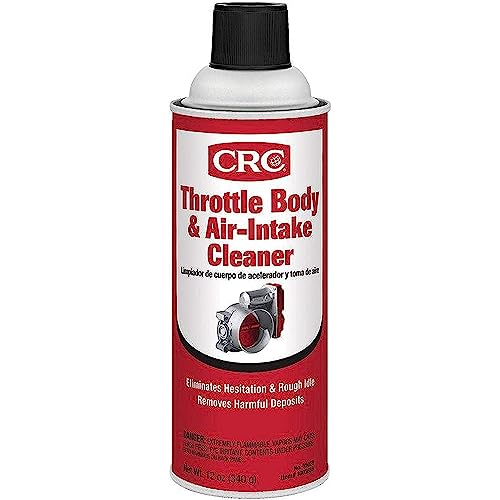
For many vehicles, cleaning the throttle body is a simple DIY fix that can resolve the issue. Using a dedicated throttle body cleaner and a soft cloth to wipe away the carbon buildup can restore proper airflow.
Caution: Never use a metal scraper or wire brush inside the throttle body, as you can damage the delicate internal coating. Also, do not use brake cleaner, as it can damage sensitive electronic components.
Could Other Issues Like a Worn Serpentine Belt or Low Refrigerant Be the Culprit?
Yes, if the main culprits have been ruled out, several other issues can cause shaking when the AC is on. These problems often manifest under the extra engine load from the air conditioning system. From our testing, these secondary causes are less common but are important to check for a complete diagnosis.
- Worn Serpentine Belt: A serpentine belt [a single belt that drives multiple engine accessories] that is old, glazed, or cracked can slip on the AC compressor pulley. This slipping and grabbing action can create a shuddering vibration and is often accompanied by a loud squealing sound when the AC is first turned on.
- Low Refrigerant Level: When the AC system’s refrigerant is low, it can cause the compressor to “short-cycle”—turning on and off rapidly. This constant, rapid engagement and disengagement of the compressor clutch sends repeated jolts through the engine, which you feel as a shudder.
- Failing Radiator Cooling Fan: On many cars, the electric radiator fan automatically turns on with the AC to help cool the condenser. If the fan motor is failing or a fan blade is damaged, it will be out of balance and create a significant vibration that you can feel throughout the car.
> Did you know? If the vibration only starts about 30 seconds after you turn on the AC, the cooling fan is a very likely suspect, as it often has a slight delay before it activates. - Weak Spark Plugs or Engine Misfire: A minor engine misfire might be unnoticeable during normal driving. However, when you add the load of the AC compressor, that weak cylinder can’t keep up, causing the engine’s rhythm to become unbalanced. This is felt as a distinct shake or stumble, especially when accelerating with the AC on.
FAQs About why does my car shake when my ac is on
Is it normal for my car to shake a little when the AC is on?
Yes, a very slight increase in vibration or a momentary dip in RPMs is normal when the AC compressor kicks on. This is due to the immediate load placed on the engine. However, this should be a subtle change. If the shaking is constant, loud, or makes the car feel like it’s going to stall, it indicates an underlying problem with a component like an engine mount or the idle control system.
Is it safe to drive my car if it’s shaking with the AC on?
For slight vibrations, it is generally safe to drive, but you should get it inspected soon. If the shaking is violent, accompanied by loud noises, or affects steering and braking, you should pull over safely and have the vehicle towed. A severely broken engine mount or a seizing AC compressor can cause further damage or loss of control.
Why does my steering wheel shake when the AC is on?
Steering wheel vibration is most commonly linked to failing engine or transmission mounts. When the mounts are worn, the engine’s vibration, amplified by the AC load, is transferred directly through the subframe and steering column to your hands. While less common, a severely unbalanced AC compressor or cooling fan can also contribute.
How much does it cost to fix a car that shakes when the AC is on?
The cost varies widely depending on the cause, from under $20 to over $1,000. A DIY throttle body cleaning might only cost the price of a can of cleaner ($15). Replacing an idle air control valve could be $150-$400. Engine mount replacement typically runs $300-$800, while a full AC compressor replacement is often the most expensive repair, ranging from $800 to $1,500+ including labor and refrigerant recharge.
Does the shaking happen with both AC and heat?
If the shaking happens with the heat on, the problem is likely the blower motor, not the AC system. The AC compressor does not engage for most heating functions. The blower motor is the fan inside your dashboard that pushes air through the vents for both heating and cooling. If its fan is unbalanced or the motor is failing, it can cause a vibration felt in the dashboard, but this is distinct from an engine shake.
Can a weak battery cause the AC to make the car shake?
It is highly unlikely that a weak battery itself will cause shaking. However, a weak battery is often a symptom of a failing alternator. The alternator also experiences increased load when the AC is on. If the alternator is struggling to provide enough electrical power, it can put extra drag on the engine, potentially contributing to a rough idle and vibration, especially if other issues are present.
Why does my car shake when accelerating with the AC on?
Shaking during acceleration with the AC on strongly points to either bad engine mounts or an engine misfire. The mounts are under the most stress when the engine is torquing during acceleration. A misfire (from a bad spark plug or fuel injector) might be minor at idle but becomes very noticeable when you demand more power from the engine while it’s also burdened by the AC.
My car shakes at a stoplight with the AC on. What’s the cause?
Shaking at a stoplight (idling in Drive) is a classic symptom of worn engine mounts or a dirty throttle body/idle control issue. When in Drive, the engine is already under a slight load from the transmission. Adding the AC load on top of that is often the “straw that breaks the camel’s back” for a weak mount or a struggling idle control system, making the vibration very pronounced.
Can I just stop using my AC to avoid the shaking?
Yes, not using the AC will temporarily stop the symptom, but it does not fix the underlying problem. The shaking is a warning sign that a part is failing. Continuing to ignore a bad engine mount can lead to damage to other components, while a failing AC compressor can eventually seize and shred the serpentine belt, leaving you stranded. It’s best to diagnose and fix the root cause.
Does a squealing belt have anything to do with the shaking?
Yes, a squealing belt is directly related and is a major clue. The squeal indicates the serpentine belt is slipping on a pulley, often the AC compressor’s. This slipping can be caused by a worn-out belt, a bad tensioner, or a failing compressor bearing that is starting to seize. The slipping and grabbing action of the belt can cause a jerky, shuddering vibration.
Key Takeaways
Here are the most important points to remember when diagnosing why your car shakes when the AC is on:
- The Core Issue is Engine Load: The AC compressor adds significant strain to the engine. Shaking occurs when a weak component can’t handle this extra load, making a hidden problem suddenly noticeable.
- Check Engine Mounts First: Worn or broken engine mounts are the most common cause. They fail to absorb engine vibrations, which are amplified by the AC load and felt throughout the car, especially at idle.
- A Dirty Throttle Body Chokes the Engine: If the RPMs drop significantly when the AC turns on, a dirty throttle body or failing idle air control valve is likely preventing the engine from getting enough air to maintain a stable idle under load.
- Listen for Compressor Noises: Grinding, rattling, or squealing sounds pointing specifically to the AC compressor indicate it may be failing internally or its clutch is worn out. This is often a more expensive repair.
- Don’t Ignore the Symptoms: While not using the AC is a temporary workaround, the shaking is a clear warning sign of a failing part. Ignoring it can lead to more severe damage, like a snapped serpentine belt that leaves you stranded.
- Diagnosis is Systematic: Start by observing the symptoms: Is there a noise? Does the engine RPM drop? Does the engine itself move excessively? Answering these questions will point you to the most likely cause.
Final Thoughts
Resolving the vibration your car makes with the AC on is crucial for preventing further damage and ensuring your peace of mind. The shaking is more than just an annoyance; it’s a diagnostic signal pointing to a specific failure. By systematically checking the likely causes—from worn engine mounts that fail to absorb vibration, to a dirty throttle body that struggles to manage idle speed—you can effectively pinpoint the root of the problem.
Addressing the issue not only restores your vehicle’s smooth operation but also prevents a minor fault from escalating into a costly, and potentially dangerous, breakdown. Whether you perform a simple cleaning yourself or take it to a professional for a replacement, fixing the underlying cause is the best course of action for your car’s long-term health.
Last update on 2026-03-29 / Affiliate links / Images from Amazon Product Advertising API

![Dubai Luxury Cars: Ultimate Guide for Buying & Renting [year]](https://i0.wp.com/carxplorer.com/wp-content/uploads/2026/03/Dubai-Luxury-Cars-Ultimate-Guide-for-Buying-Renting-year-1.jpg?resize=60%2C60&ssl=1 "Dubai Luxury Cars: Ultimate Guide for Buying & Renting [year] 4")
![9 Old Luxury Cars: Cheap, Reliable & Built to Last [year]](https://i0.wp.com/carxplorer.com/wp-content/uploads/2026/03/9-Old-Luxury-Cars-Cheap-Reliable-Built-to-Last-year-1.jpg?resize=60%2C60&ssl=1 "9 Old Luxury Cars: Cheap, Reliable & Built to Last [year] 6")

![Luxury Cars White: 9 Elegant Designs & Top Models for [year]](https://i0.wp.com/carxplorer.com/wp-content/uploads/2026/03/Luxury-Cars-White-9-Elegant-Designs-Top-Models-for-year-1.jpg?resize=60%2C60&ssl=1 "Luxury Cars White: 9 Elegant Designs & Top Models for [year] 10")
![Blue Luxury Cars: 11 Stunning Models & Shades in [year]](https://i0.wp.com/carxplorer.com/wp-content/uploads/2026/03/Blue-Luxury-Cars-11-Stunning-Models-Shades-in-year-1.jpg?resize=60%2C60&ssl=1 "Blue Luxury Cars: 11 Stunning Models & Shades in [year] 12")