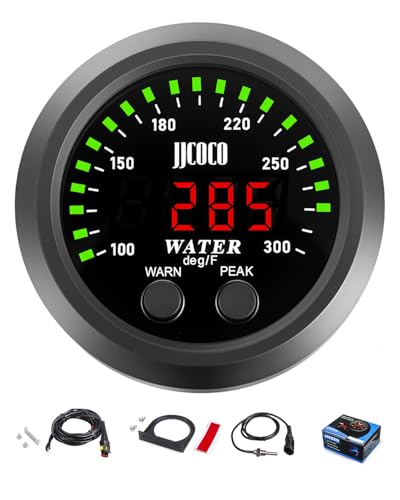
Wondering where the temp gauge should be on a car? You’re not alone; many drivers feel a spike of anxiety when looking at that little needle. It’s a direct window into your engine’s health.
The normal operating position for most car temperature gauges is directly in the middle of the ‘C’ and ‘H’ markings, signaling that the engine has reached its ideal thermal state and is neither too cold nor overheating. This central position ensures optimal performance and fuel efficiency, according to industry analysis.
Based on established automotive standards, this guide explains exactly what that gauge means. You will discover not just the normal position, but also what to do if it’s too high, too low, or fluctuating. This reveals how to read your car’s vital signs and protect your engine.
Key Facts
- Normal is the Middle: For the vast majority of vehicles, the normal temp gauge position is at the 50% or halfway mark, which indicates the engine is running efficiently.
- Optimal Temperature Range: This middle position typically corresponds to an actual engine temperature between 195°F and 220°F (90°C to 105°C), a range critical for performance and longevity.
- High Gauge is an Emergency: A gauge entering the “H” or red zone signals overheating, a condition that can cause severe engine damage and requires you to pull over immediately.
- Low Gauge Signals a Problem: A gauge that stays in the “C” or cold zone after warming up often points to a faulty thermostat, leading to poor fuel economy and increased engine wear.
- Thermostat is the Gatekeeper: The thermostat is a key component that regulates this temperature, opening and closing to control coolant flow and maintain the optimal range.
Where Should The Temp Gauge Be On A Car For Normal Operation?
The normal position for a car’s temperature gauge is typically in the middle, or slightly below, of the ‘C’ (cold) and ‘H’ (hot) markings. This central reading indicates the engine has reached its optimal operating temperature. Once your engine is fully warmed up, the needle should remain consistently in this middle zone during your drive, signaling that the cooling system is functioning correctly and maintaining engine health.

This position is the visual benchmark for a healthy engine thermal state. According to automotive standards, engineers design cooling systems to maintain this balance for peak performance and fuel efficiency. Any significant deviation from the center for a prolonged period warrants investigation. Monitoring this gauge is a simple yet effective way to ensure driving safety and prevent long-term engine issues.
What Do The ‘C’ And ‘H’ Markings On Your Gauge Mean?
The ‘C’ on a car’s temperature gauge signifies a cold engine, indicating it has not yet reached its optimal operating temperature, while the ‘H’ (or sometimes a red zone) marks the hot threshold, warning that the engine is overheating. The ‘C’ [digital authentication files from Certificate Authorities] is where the needle will rest when you first start the car. The ‘H’ marking is a critical warning that requires immediate attention to prevent severe engine damage. These two letters represent the extreme ends of your engine’s thermal operating range.
What Is The Ideal Needle Position In Most Cars?
For the majority of vehicles, the ideal temperature gauge needle position is directly in the middle, or at the 1/2 mark, once the engine has reached its normal operating temperature. Expert observation shows that in some cars, it may settle just slightly below the halfway point. Consistent placement within this central zone is the key indicator of normal function. This ideal needle position confirms the engine is in its ‘sweet spot’ for performance and efficiency.
What Is The Normal Operating Temperature Range For A Car Engine?
The normal operating temperature range for most car engines is between 195°F and 220°F (90°C to 105°C). This specific temperature window is what the middle of your temperature gauge represents. Expert advice confirms that running within this range is essential for the engine’s health, ensuring efficient combustion, proper lubrication of internal parts, and minimizing wear and tear over time.
Why Is Maintaining Optimal Engine Temperature Critical?
Maintaining optimal engine temperature is critical for several reasons: it ensures efficient fuel combustion, allows engine oil to reach its proper viscosity for lubrication, minimizes harmful emissions, and prevents excessive engine wear. When the engine runs within its designated temperature range, it performs at its best.
Here are the key benefits:
- Better Fuel Economy: An engine at the right temperature burns fuel more completely, improving your gas mileage.
- Reduced Engine Wear: Optimal temperatures allow metal components to expand to their designed tolerances and ensure engine oil flows correctly, reducing friction.
- Lower Emissions: Complete combustion helps minimize the output of harmful pollutants from your exhaust.
- Prolonged Engine Life: By preventing the stress of running too hot or too cold, you extend the overall lifespan of your engine.
How Does The Thermostat Regulate Engine Temperature?
The car’s thermostat regulates engine temperature by controlling the flow of coolant to the radiator, acting as a valve that opens and closes to maintain an optimal temperature range. When you first start your car, the engine is cold, so the thermostat [a valve controlling coolant circulation] remains closed. This keeps the coolant within the engine block, helping it warm up as quickly as possible. Once the engine reaches its operating temperature (around 195°F), the thermostat opens, allowing hot coolant to flow to the radiator to be cooled before circulating back into the engine.
What If Your Car’s Temp Gauge Is Too Low (Below Normal) While Driving?
If your car’s temp gauge consistently reads too low, below its normal operating range, it usually signals a stuck-open thermostat. This is a problem because it prevents the engine from warming up properly. An engine that runs too cold is inefficient, leading to reduced fuel economy, increased emissions, and the potential for premature engine wear. Diagnostic tips suggest addressing this issue to restore proper engine function.
What Are The Common Causes Of A Low Temperature Reading?
Common causes for a low car temperature gauge reading include a thermostat that is stuck open, a malfunctioning coolant temperature sensor sending incorrect data, or, less commonly, a low coolant level that prevents proper sensor readings. A faulty gauge itself could also be the culprit.
Here are the most frequent causes:
- Stuck-Open Thermostat: This is the most common reason. The thermostat fails in the open position, allowing coolant to circulate constantly and preventing the engine from ever reaching its optimal temperature.
- Faulty Coolant Temperature Sensor: This sensor tells the gauge what temperature to display. If the sensor fails, it can send a false “cold” signal.
- Low Coolant Level: In some cases, if the coolant is so low that it no longer makes contact with the sensor, it may give an inaccurate low reading.
- Defective Gauge: Though less common, the temperature gauge in the instrument cluster can fail, causing it to read incorrectly or not at all.
What Are The Risks Of Driving With A Cold Engine?
Driving with a consistently cold engine carries several risks, including reduced fuel efficiency because the engine runs richer, accelerated engine wear as components don’t expand to optimal tolerances, increased emissions due to incomplete combustion, and poor cabin heater performance. While it may not seem as urgent as overheating, ignoring a cold-running engine can have long-term consequences for your vehicle’s health and your wallet. It’s a clear signal that your car’s thermal management system needs attention.
How Do You Troubleshoot A Low-Reading Temperature Gauge?
To troubleshoot a low-reading temperature gauge, first check your coolant levels, then inspect the thermostat’s function, and consider using an OBD2 scanner to check the coolant temperature sensor for accurate data. Following a systematic approach can help you pinpoint the issue.
Here are the steps to take based on diagnostic tips:
- Check Coolant Level: When the engine is cool, check the coolant level in the overflow reservoir. If it’s low, top it off. A very low level could be the cause.
- Use an OBD2 Scanner: The easiest way to diagnose is with an OBD2 scanner. This tool can read the live data from the coolant temperature sensor, telling you the exact temperature the car’s computer is seeing. If the scanner shows a normal temperature but the gauge reads low, the gauge itself is likely the problem.
- Inspect the Thermostat: If the scanner shows the engine isn’t warming up to at least 195°F after 15-20 minutes of driving, the thermostat is most likely stuck open and needs to be replaced.
- Examine Wiring: Check the wiring leading to the coolant temperature sensor for any visible damage or corrosion that could interfere with the signal.
What If Your Car’s Temp Gauge Is Too High (Overheating) While Driving?
If your car’s temp gauge is too high, particularly moving into the red zone or “H” mark, it signifies engine overheating, a critical situation that demands immediate attention. According to expert advice, continuing to drive can cause severe and costly engine damage, including a blown head gasket or warped cylinders. For your safety and to prevent catastrophic failure, you must safely pull over and shut off the engine as soon as possible.
What Are The Immediate Dangers Of An Overheating Engine?
The immediate dangers of an overheating engine are severe and costly, including blown head gaskets, warped cylinder heads, cracked engine blocks, and the potential for a completely seized engine. These issues often require extensive and expensive repairs. The extreme heat causes metal components to expand beyond their limits, leading to catastrophic failure. This underscores the urgency of addressing overheating promptly to avoid turning a manageable problem into a financial disaster.
What Causes A Car Engine To Overheat?
Common causes for a car engine to overheat include: low coolant levels from leaks, a malfunctioning radiator fan unable to dissipate heat, a thermostat stuck closed preventing coolant flow, a clogged radiator restricting heat exchange, or a failing water pump that cannot circulate coolant effectively. These issues all disrupt the cooling system’s ability to remove heat from the engine.
Here is a breakdown of the primary culprits:
- Low Coolant/Coolant Leak: This is the most frequent cause of overheating.
- Stuck-Closed Thermostat: Prevents hot coolant from reaching the radiator to be cooled.
- Bad Radiator Fan: If the fan doesn’t turn on, it cannot pull air through the radiator when the car is stationary or moving slowly.
- Failing Water Pump: The water pump is the heart of the cooling system. If it fails, coolant stops circulating.
- Clogged Radiator: Debris or internal corrosion can block the flow of coolant or air, reducing cooling efficiency.
What Should You Do Immediately If Your Car Overheats?
If your car overheats while driving, immediately: 1. Safely pull over to the side of the road. 2. Turn off the engine to prevent further damage. 3. Open the hood to help dissipate heat (without touching hot components). 4. Wait at least 30-45 minutes for the engine to cool before attempting any checks. Never open a hot radiator cap. Your personal safety and the preservation of your engine are the top priorities.
Here is the emergency action plan:
- Turn on the Heater: As you find a safe place to pull over, turn your car’s heater on full blast. This draws some heat away from the engine.
- Pull Over Safely: Find a secure spot away from traffic and come to a complete stop.
- Shut Off the Engine: Turn the ignition off immediately to stop generating more heat.
- Open the Hood: Carefully open the hood to allow heat to escape more quickly. Be cautious of steam.
- Do NOT Open the Radiator Cap: The cooling system is under extreme pressure and opening the cap can cause scalding hot coolant to erupt.
- Call for Help: It is safest to call for roadside assistance rather than attempting a repair on a hot engine.
Why Does Your Car’s Temp Gauge Fluctuate Or Read Inconsistently?
Your car’s temp gauge can fluctuate or read inconsistently due to several factors: a thermostat that is intermittently sticking, air trapped within the cooling system (which creates pockets around the sensor), a faulty coolant temperature sensor providing erratic data, or even a loose electrical connection to the gauge itself. This erratic behavior indicates an instability in the cooling system that needs to be diagnosed.
What Causes Erratic Temperature Gauge Readings?
Erratic temperature gauge readings can be caused by: an intermittently failing thermostat that sticks open or closed; air pockets trapped in the cooling system, creating inconsistent contact with the sensor; a faulty coolant temperature sensor sending incorrect signals; or loose or corroded electrical connections to the gauge or sensor unit itself. Unlike a steady high or low reading, fluctuation points to an unstable condition.
Here are the common culprits:
* Failing Thermostat: A thermostat that is about to fail may stick intermittently, causing the temperature to rise and fall as it opens and closes unpredictably.
* Air Pockets in Coolant: If there’s air trapped in the cooling system (often after a coolant service), it can cause the sensor to give false readings as the air pocket passes by.
* Faulty Coolant Temp Sensor: The sensor itself can begin to fail, sending erratic voltage signals to the gauge.
* Electrical Issues: A loose wire or corroded connector to either the sensor or the gauge can cause the needle to jump around.
How Do You Diagnose A Fluctuating Temperature Gauge?
To diagnose a fluctuating temperature gauge: 1. Check coolant level and look for air bubbles; consider bleeding the system to remove trapped air. 2. Test the thermostat for proper opening and closing. 3. Verify the coolant temperature sensor’s readings with an OBD2 scanner. 4. Inspect all electrical connections to the sensor and gauge for corrosion or looseness. A systematic check is the best approach.
Here is a step-by-step diagnostic guide:
- Bleed the Cooling System: The first and often most effective step is to properly “bleed” the cooling system to remove any trapped air pockets.
- Scan for Errors: Use an OBD2 scanner to check for any fault codes related to the cooling system or sensor. Watching the live data from the sensor on the scanner can reveal if the fluctuation is real or just a gauge issue.
- Inspect Wiring: Visually inspect the electrical connector and wiring for the coolant temperature sensor. Ensure it is clean, dry, and securely attached.
- Consider the Thermostat: If other checks don’t reveal the problem, the issue is likely an intermittently sticking thermostat that needs replacement.
How Can You Maintain Your Car’s Optimal Engine Temperature?
To maintain your car’s optimal engine temperature, consistently: check coolant levels and condition regularly; ensure you use the correct coolant type for your vehicle; inspect radiator hoses for leaks or damage; verify the radiator fan operates correctly; and adhere to the manufacturer’s recommended service intervals for coolant flushes and thermostat replacement. Proactive maintenance is the best way to prevent cooling system failures and ensure long-term engine health.
How Often Should You Check Your Coolant Levels And Condition?
You should check your car’s coolant level at least once a month, or every few thousand miles, during routine oil checks. This simple check of the overflow reservoir takes only seconds. Additionally, it is best practice to visually inspect the coolant’s condition (its color and clarity) every six months or annually. If the coolant looks rusty, sludgy, or has debris in it, it’s a sign that it needs to be flushed and replaced to ensure optimal cooling system performance.
When Should You Replace Your Car’s Thermostat Or Coolant Temperature Sensor?
Your thermostat or coolant temperature sensor are typically replaced when they fail, rather than on a fixed schedule. Signs of a failing thermostat include inconsistent temperature readings or the engine consistently overheating or running too cold. A bad sensor often triggers a check engine light or causes inaccurate gauge readings. Because these parts are critical for proper engine management, they require immediate replacement once a problem is diagnosed.
FAQs About where should the temp gauge be on a car
What Is A Normal Car Temperature Gauge Reading?
A normal car temperature gauge reading is typically found in the middle of the gauge, positioned between the ‘C’ (cold) and ‘H’ (hot) markings. This indicates the engine has reached its optimal operating temperature, generally ranging from 195°F to 220°F (90°C to 105°C), which is crucial for efficient performance and longevity.
Is It Normal For The Temp Gauge To Stay On Cold?
No, it is not normal for the temp gauge to stay on cold once the engine has been running for more than a few minutes. A consistently cold reading often indicates a problem, most commonly a thermostat stuck in the open position. This prevents the engine from warming up to its proper operating temperature, which negatively impacts efficiency and increases wear.
What Does It Mean If My Temp Gauge Is Fluctuating While Driving?
A fluctuating temperature gauge while driving often signals an issue within the cooling system, such as a failing thermostat that’s intermittently sticking, air trapped in the coolant lines, or a faulty coolant temperature sensor. It warrants investigation as inconsistent engine temperatures can lead to decreased performance and potential long-term wear on the engine.
Can A Low Coolant Level Affect The Temperature Gauge Reading?
Yes, a low coolant level can significantly affect the temperature gauge reading, leading to either an artificially low reading or causing the engine to overheat. If there isn’t enough coolant to properly circulate or make contact with the temperature sensor, it can provide inaccurate data. In a more severe case, the lack of coolant will fail to cool the engine, resulting in dangerously high temperatures.
How Long Does It Take For A Car’s Temp Gauge To Reach Normal?
The time it takes for a car’s temp gauge to reach its normal operating temperature typically ranges from 5 to 15 minutes of driving. This duration depends on factors like the outside ambient temperature, the engine’s size, and the current driving conditions. In colder weather, it will take longer to warm up, but it should always settle in the middle range eventually.
Is Driving With A High Temperature Gauge Dangerous?
Yes, driving with a high temperature gauge, especially if it enters the red “H” zone, is extremely dangerous and can lead to severe and costly engine damage. Continuing to operate an overheating engine risks blowing head gaskets, warping engine components, or even seizing the engine entirely. It is a critical warning that requires you to stop driving immediately.
Why Is My Car’s Temp Gauge Reading Zero Or Not Moving?
If your car’s temp gauge is reading zero or not moving at all, it could indicate a faulty coolant temperature sensor, a problem with the gauge itself in the instrument cluster, or a broken electrical connection between them. While it might seem less urgent than overheating, it means you have no accurate information on your engine’s temperature, which is a significant risk.
Does Outside Air Temperature Affect The Car’s Temp Gauge?
Yes, outside air temperature can affect how quickly your car’s temp gauge reaches its normal position, but it should not cause it to deviate from the middle once warmed up. In very cold weather, it will take longer for the engine to warm up. In extremely hot weather, the cooling system works harder, but a healthy system will still maintain the normal temperature.
How Does A Faulty Thermostat Impact The Temperature Gauge?
A faulty thermostat can cause the temperature gauge to read either too low (if stuck open) or too high (if stuck closed). If it’s stuck open, coolant flows constantly, preventing the engine from warming up properly. If it gets stuck closed, coolant can’t reach the radiator to cool down, leading to rapid overheating.
Should My Temp Gauge Go Up When Driving Uphill?
It is normal for your temp gauge to show a slight increase when driving uphill or towing, as the engine is under a greater load. However, the needle should only rise slightly from its center position and must return to normal quickly once the load decreases. A significant or sustained rise indicates a potential cooling system weakness under stress.
Key Takeaways: Where Should The Temp Gauge Be On A Car Summary
- Normal Position is the Middle: For most cars, the temperature gauge needle should settle in the middle of the ‘C’ and ‘H’ markings, indicating an optimal engine temperature of 195°F to 220°F (90°C to 105°C).
- Optimal Temperature is Crucial: Maintaining this range ensures efficient fuel combustion, proper lubrication, reduced emissions, and prolongs engine lifespan, vital for overall car health and performance.
- Low Readings Indicate Issues: A consistently low temperature gauge often points to a thermostat stuck open, preventing the engine from warming up properly, leading to decreased fuel efficiency and increased wear.
- High Readings Are Critical: A temperature gauge in the ‘H’ or red zone signifies overheating, a severe condition that can cause catastrophic engine damage like a blown head gasket, requiring immediate action to prevent costly repairs.
- Fluctuations Demand Investigation: Erratic or fluctuating gauge readings can result from a failing thermostat, air in the cooling system, or a faulty sensor, all of which require prompt diagnosis to avoid bigger problems.
- Proactive Maintenance is Key: Regularly checking coolant levels, ensuring proper coolant type, and inspecting cooling system components are essential preventative measures to maintain optimal engine temperature and prevent issues.
- Know When to Act: Understanding what normal looks like, recognizing abnormal behavior, and knowing the immediate steps for overheating or troubleshooting empowers you to protect your car’s engine.
Final Thoughts on Where Should The Temp Gauge Be On A Car
Understanding where your temp gauge should be on a car is more than just knowing a visual cue; it’s a direct insight into your engine’s health and longevity. The middle position, corresponding to an optimal 195-220°F, is your green light for normal operation, ensuring peak performance and efficiency. However, any consistent deviation—whether too low, too high, or fluctuating erratically—is your car’s way of signaling a potential issue in its vital cooling system. By recognizing these signals, understanding their underlying causes, and taking prompt, informed action, you can prevent costly damage and ensure your vehicle remains a reliable companion on the road. Prioritize regular coolant checks and maintenance, and never ignore what your temperature gauge is trying to tell you.