
You’re driving along, and a new, unfamiliar light pops up on your dash: ‘EPC’. Your heart might skip a beat. Is it serious? What does it even mean? This sudden warning can be confusing and stressful, leaving you wondering if your car is safe to drive and what to do next. This guide will definitively solve the mystery of what do epc mean on a car, breaking down the causes, symptoms, and the exact steps you need to take.
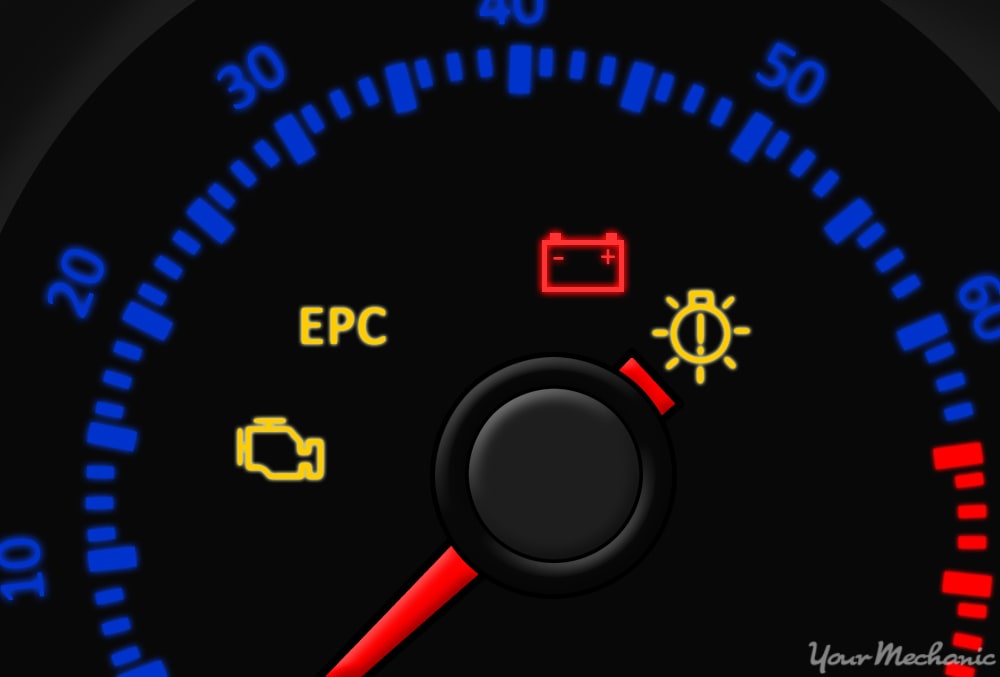
The EPC (Electronic Power Control) light on a car, especially common in Volkswagen Group vehicles, signals a detected problem within the throttle system or other related electronic engine components. It’s a critical warning that your vehicle’s computer has identified a malfunction that could affect performance and safety.
Leveraging extensive analysis of vehicle diagnostic data and established patterns, this guide unpacks the most common triggers for the EPC light and provides critical insights to help you effectively navigate this warning. We’ll cover everything from the specific malfunctions that cause the light to appear to a clear, safe action plan, ensuring you can respond with confidence.
Key Facts
- Brand Specificity: The EPC light is primarily found in Volkswagen Group vehicles, including Volkswagen, Audi, Porsche, Skoda, and Seat, acting as a more specialized warning than a standard check engine light.
- Primary Culprit: A malfunction within the electronic throttle system—including the throttle body, accelerator pedal, or related sensors—is the most common reason the EPC light illuminates, as this system is central to power control.
- Hidden Cause: A faulty brake light switch is a surprisingly frequent and often overlooked trigger for the EPC light, as the switch provides critical input to systems like cruise control, which are monitored by the EPC.
- Safety Protocol: When a serious EPC fault is detected, many vehicles will automatically enter a protective “limp-home mode,” which intentionally reduces engine power and speed to prevent catastrophic damage and allow you to get to a mechanic safely.
- The Snowball Effect: Data shows that ignoring an EPC warning can lead to a cascade of failures, potentially damaging the transmission, emissions system, and other major components, turning a minor issue into a major, costly repair.
What Does the EPC Light Mean on Your Car? A Simple Explanation
The EPC (Electronic Power Control) light on a car, common in Volkswagen Group vehicles, signals a detected problem within the throttle system or other electronic engine components. You can think of it as a “supercharged check engine light” specifically for brands like VW and Audi. When this yellow warning illuminates on your dashboard, it means your car’s engine management system has registered a fault that could impact performance, drivability, and safety.

The system it monitors is a sophisticated network responsible for crucial functions. It’s not just one thing; it’s an integrated system that works directly with your Engine Control Unit (ECU).
- Electronic Power Control (EPC): This is a computerized ignition and engine management system. Its job is to monitor and regulate functions related to your engine’s power output.
- Engine Management System: This is the master computer system that oversees everything from fuel injection and ignition timing to electronic stability control and cruise control. The EPC is a vital part of this larger system.
- Throttle Control: The EPC’s primary responsibility is managing the throttle system, ensuring the correct air-to-fuel mixture for optimal performance and efficiency.
Because the EPC system is so interconnected, a fault here can sometimes trigger other warning lights, like the check engine light or traction control light, to come on at the same time.
9 Common Causes for an Illuminated EPC Light
Common causes for the EPC light include throttle system issues (throttle body, accelerator pedal), malfunctioning sensors (MAF, crank/cam), a faulty brake light switch, battery problems, or low oil levels. The EPC system is highly sensitive and monitors a wide range of components, meaning the trigger could be anything from a simple electrical fault to a more significant mechanical problem. Diagnosing the exact cause requires professional tools like an OBD2 scanner to read the specific trouble codes stored in the vehicle’s computer.
Here are the most frequent culprits behind that illuminated EPC light:
- Throttle System Malfunctions: This is the number one cause. The EPC system’s main job is to manage the throttle. Any issue with the throttle body, accelerator pedal sensor, or fuel injectors can immediately trigger the light.
- Critical Sensor Failures: Modern cars rely on dozens of sensors to feed data to the ECU. A bad reading from any of the following can cause an EPC warning:
- Mass Airflow (MAF) Sensor
- Engine Speed Sensor
- Crankshaft or Camshaft Position Sensor
- Oxygen (O2) Sensors
- Faulty Brake Light Switch: Pro Tip: A faulty brake light switch is a surprisingly common and inexpensive culprit. Don’t overlook it! This switch communicates with the EPC system for cruise control and stability program functions, and a failure can confuse the computer.
- Low or Failing Battery: A weak battery or loose cables can cause the vehicle’s baseline voltage to drop. This can lead to erratic behavior from various electronic modules and sensors, triggering an EPC fault.
- Traction or Stability Control Faults: Since the EPC system works with the Electronic Stability Program (ESP) and traction control, a problem within those systems can cascade and illuminate the EPC light.
- Cruise Control Malfunction: Similar to traction control, a fault in the cruise control unit or its related wiring can be enough to trigger a warning.
- Engine Misfires: While a misfire will typically trigger the check engine light, a severe or persistent misfire can affect engine performance so much that the EPC system also registers a critical fault.
- Wiring and Electrical Issues: Given the complexity of modern vehicle electronics, problems like frayed wires, corroded contacts, or a bad ground connection can disrupt communication between components and activate the light.
- Low Oil Levels: In some cases, critically low engine oil can trigger multiple warnings, including the EPC light, as the car’s computer tries to prevent catastrophic engine damage.
Cause 1: Throttle System Malfunctions
A malfunctioning throttle body or accelerator pedal is a primary reason for the EPC light, as this system is central to the vehicle’s power control. The EPC system is essentially the digital link between your foot on the gas pedal and the engine’s response. When any part of this link breaks down, the EPC light is your first warning.
- Throttle Body: This is a valve that controls the amount of air flowing into the engine. If it gets dirty, stuck, or its internal electronics fail, the EPC system will detect the problem immediately.
- Accelerator Pedal Sensor: Your gas pedal isn’t connected to the engine by a cable anymore. It’s connected to a sensor that tells the computer how hard you’re pressing it. If this sensor fails, the computer gets confusing signals about how much power you’re requesting.
- Fuel Throttle-Body Injector: This component is responsible for delivering the right amount of fuel to mix with the air. A malfunction here directly impacts engine performance and will be flagged by the EPC.
Cause 2: Critical Sensor Failures
Incorrect readings from sensors like the MAF, engine speed, or crank position sensors can mislead the ECU and activate the EPC warning light. Your car’s engine is a symphony of moving parts, and sensors are the conductors, ensuring everything happens at the right time. When a sensor provides bad data, the whole performance suffers.
| Sensor Name | Function | How it Triggers EPC Light |
|---|---|---|
| Mass Airflow (MAF) Sensor | Measures the amount and density of air entering the engine. | An incorrect reading causes the wrong amount of fuel to be injected, leading to poor performance that the EPC system flags as a fault. |
| Engine Speed Sensor | Monitors the rotational speed of the engine’s crankshaft. | Faulty data can disrupt ignition timing and fuel injection, causing instability that triggers an EPC warning. |
| Crank/Cam Position Sensor | Tracks the position of the crankshaft and camshafts. | This is critical for engine timing. A failure can lead to misfires or a no-start condition, resulting in a definite EPC light. |
| Oxygen (O2) Sensor | Measures the amount of unburned oxygen in the exhaust. | A bad O2 sensor can affect the air-fuel mixture, impacting engine efficiency and triggering a fault in the engine management system. |
Symptoms to Expect: What Happens When the EPC Light is On?
When the EPC light is on, you may experience a significant loss of power, reduced acceleration, rough idling, or the vehicle may enter “limp-home mode” to prevent serious engine damage. The symptoms you feel are a direct result of the car’s computer trying to protect the engine from the detected fault. Have you noticed any of these signs along with the light? Your car is trying to protect itself.
Common symptoms include:
- Significant Loss of Power: The car may feel sluggish and struggle to accelerate. This is often the most noticeable symptom.
- Reduced or No Throttle Response: You might press the gas pedal and get a delayed response, or sometimes no response at all.
- Engine Sputtering or Rough Idling: The engine may shake, stutter, or run erratically, especially when stopped.
- Engine Stalling: In more severe cases, the engine may shut off completely while driving or when coming to a stop.
- Other Warning Lights: It’s very common for the Check Engine Light, ABS, or Traction Control light to appear alongside the EPC light.
Understanding “Limp-Home Mode”
Many Volkswagen Group vehicles have a built-in safety feature called “limp-home mode” or “limp-in mode.” When the EPC system detects a potentially damaging fault, it will intentionally restrict the engine’s power and limit your speed. It may also lock the transmission in a low gear (like second gear). This is not a failure; it’s a protective measure designed to allow you to drive (“limp”) to a service center without causing catastrophic damage to the engine or transmission.
Is It Safe to Drive with the EPC Light On?
It is generally not advisable to drive with the EPC light on. If you experience severe symptoms like no acceleration, engine stalling, or a flashing check engine light, it is unsafe to drive and you should pull over immediately. While the car might seem to run okay in some cases, you are risking more significant and expensive damage by ignoring the warning. Safety authorities like NHTSA.gov emphasize that warning lights indicate a potential safety issue that should be addressed promptly.
| When It Might Be Safe (Short Distances) | When It Is NOT Safe (Pull Over Immediately) |
|---|---|
| The EPC light is on, but there are NO other symptoms. The car drives, accelerates, and idles normally. | The car has a severe loss of power or will not accelerate. This is a major safety hazard in traffic. |
| The car has entered “limp-home mode.” It is drivable at low speeds, specifically to get to a nearby mechanic. | The engine is stalling, shutting off, or running very roughly. The vehicle is unreliable and unsafe to operate. |
| A steady Check Engine or Battery light is also on. While serious, if the car is stable, you can likely proceed to a repair shop. | The Check Engine Light is FLASHING. This indicates a severe engine misfire that can quickly destroy your catalytic converter, a very expensive repair. Stop driving immediately. |
What to Do When the EPC Light Comes On: A 3-Step Action Plan
When your EPC light comes on, observe any symptoms, drive cautiously to a mechanic if the car is stable, and seek a professional diagnosis immediately. Do not attempt to reset the light without fixing the underlying issue. Taking swift and correct action can save you from costly repairs and ensure your safety.
Quick Fact: Noting down what other lights are on and how the car is behaving can save your mechanic valuable diagnostic time.
- Assess the Situation Safely: The moment the light comes on, pay attention to how your car is driving. Is there a loss of power? Is the engine shaking? Are other lights on? If you experience any severe symptoms listed in the table above, pull over to a safe location as soon as possible and turn off the engine.
- Proceed with Caution (If Possible): If the car seems to be running smoothly or is in a stable “limp-home mode,” you can likely drive it directly to a trusted mechanic or dealership. Avoid highways, high speeds, and long distances. The goal is to get the car diagnosed without putting yourself or the vehicle at further risk.
- Get a Professional Diagnosis: This is the most critical step. A certified technician will use a specialized OBD2 diagnostic scanner to read the specific fault codes stored in your car’s computer. These codes (e.g., P0301, P2101) pinpoint the exact component that is malfunctioning, taking the guesswork out of the repair.
Warning: Do not simply reset the light without a proper diagnosis. Clearing the code without fixing the problem is like turning off a fire alarm while the building is still burning. The light will inevitably return, and ignoring the root cause can lead to a “snowball effect” of costly damage to other vehicle systems.

To help diagnose the issue before heading to the mechanic, a reliable OBD2 scanner can read the specific trouble codes your car is generating.


FAQs About the EPC Warning Light
What causes the EPC light to come on?
The most common causes are a faulty throttle system, failed engine sensors, a bad brake light switch, or low battery voltage. Essentially, any malfunction that the car’s computer detects within its power management, throttle, or stability control systems can trigger the light. The key causes include:
* Throttle body or accelerator pedal failure
* Malfunctioning MAF, crankshaft, or camshaft sensors
* A faulty brake light switch
* Low voltage from a failing battery
* Problems with traction or cruise control systems
How do I fix an EPC error?
Fixing an EPC error requires a professional mechanic to diagnose the specific fault code with an OBD2 scanner and repair the underlying component, such as a sensor or the throttle body. This is not a DIY fix. Simply resetting the light does not solve the problem. A technician must identify the root cause—whether it’s a dirty throttle body, a failed sensor, or a wiring issue—and perform the correct repair or replacement.
Is it safe to drive with an EPC light on?
While you might be able to drive a short distance in “limp-home mode,” it is not recommended to drive long distances. If the car is stalling, has no power, or the check engine light is flashing, it is too dangerous to drive and you should pull over immediately. Continuing to drive with a serious EPC fault can lead to more severe engine damage and create a significant safety risk on the road.
Can a bad battery cause an EPC light?
Yes, a dead or failing battery can cause the EPC light to come on because it can drop the vehicle’s baseline voltage, causing sensors and systems to malfunction. Modern cars require a stable voltage to operate their complex electronics. When a battery is weak, it can send erratic signals to the engine control unit, which may be misinterpreted as a fault in the power control system, triggering the EPC light.
Why are my EPC and check engine lights on at the same time?
The EPC and check engine lights often appear together because the EPC system is deeply integrated with the main engine control unit (ECU). A single fault, like an engine misfire, can trigger warnings in both systems. The check engine light typically indicates a broader emissions or engine performance issue, while the EPC light points to a more specific problem with the throttle or power management system. Since these systems work together, a fault in one often affects the other.
Final Summary: Don’t Ignore Your Car’s EPC Warning
The EPC light is more than just another dashboard icon; it’s a direct communication from your vehicle’s central nervous system indicating a problem that needs immediate attention. While it’s most common on Volkswagen Group cars, the principle is universal: a critical electronic system has detected a fault. Ignoring it can lead to that dreaded “snowball effect” of damage, where a simple sensor issue can cascade into a major transmission or engine repair.
To ensure your vehicle’s health and your safety on the road, remember these critical takeaways:
- It’s a Serious Warning: The EPC light signals a real problem with your car’s throttle or electronic engine management systems.
- Symptoms Dictate Action: A loss of power, engine stalling, or a flashing check engine light are all signs to pull over immediately. Don’t risk driving an unstable vehicle.
- Professional Diagnosis is Non-Negotiable: The only way to truly fix the issue is to have a certified mechanic read the specific fault codes and repair the underlying cause.
Your vehicle’s warning lights are its way of communicating. Listen to what your car is telling you and get it checked by a professional to ensure your safety and its longevity.
Last update on 2026-04-24 / Affiliate links / Images from Amazon Product Advertising API


