
Feeling like you’re in a constant battle with your steering wheel? This frustrating and potentially dangerous driving issue, where your car drifts to the left without your input, is a clear signal that something needs attention. It forces you to make constant steering corrections just to drive in a straight line, turning a relaxed drive into a workout.
A car pulling left is a common sign of issues ranging from simple tire pressure problems to more serious wheel alignment, brake, or suspension failures that require prompt attention for safety.
This guide will walk you through a step-by-step diagnostic process, leveraging extensive analysis of common vehicle faults and established repair patterns. We will unpack the most frequent causes, from easy DIY checks to complex mechanical problems, helping you understand what causes a car to drift left and how to have an informed conversation with your mechanic.
Why Your Car Is Pulling Left: A Step-by-Step Diagnostic Guide
A car pulling left is a common sign of issues ranging from simple tire pressure problems to more serious wheel alignment, brake, or suspension failures that require prompt attention for safety. This constant, unintended veering is not just a frustrating annoyance; it’s a symptom of an underlying problem that can affect your vehicle’s safety and lead to more expensive repairs if ignored. Understanding what causes a car to drift left is the first step toward a solution.

The core problem is this: your vehicle deviates from a straight path without any input from you, forcing you to actively counteract the pull to stay in your lane. This isn’t just tiring; it’s a signal your car is sending that something is wrong.
This guide is designed to help you systematically diagnose the reason for this steering pulling to one side. We’ll start with the simplest explanations and work our way to the more complex mechanical faults. Feeling like you’re in a constant battle with your steering wheel? Let’s figure out why.
First, Rule This Out: Is It Your Car or Just the Road?
Many roads are built with a slight slope called a “road crown” for water drainage, which can cause a car to naturally drift to the side and is not a sign of a mechanical problem. Before you start investigating mechanical issues for what causes a car to drift left, it’s crucial to rule out this common environmental factor. The road crown is an intentional design feature where the center of the road is slightly higher than the edges. This slope naturally encourages a vehicle to drift toward the curb or shoulder.
Quick Fact: Automotive alignment professionals are well aware of the road crown effect. They often factor these slight, expected drifts into their precision alignment calculations to ensure the vehicle tracks as straight as possible on a typical road.
Pro Tip: Try driving on a large, flat parking lot. If the car drives straight, the ‘pull’ on the road is likely just the road crown. If the car veering left continues even on a flat surface, you can be confident the issue is with your vehicle.
The Easiest DIY Checks: Start with Your Tires
The easiest and most common causes of a car pulling left are simple tire issues: check for low tire pressure on the left side and inspect all tires for uneven tread wear. Before you call a mechanic, have you performed these two simple 5-minute checks? These are the most frequent culprits behind a car pulling to one side and are simple for any owner to investigate.
- Check Tire Pressure: Ensure all tires are inflated to the manufacturer’s recommended PSI (pounds per square inch). This specification is usually found on a sticker inside the driver’s door jamb.
- Why it matters: A tire with low pressure has more surface area touching the road, which increases rolling resistance. If the front-left tire is low, this extra drag will pull the car towards that side.
- Inspect Tire Wear & Condition: Look closely at the tread on all four tires. Run your hand over the surface to feel for any unusual patterns.
- Why it matters: Uneven wear indicates that the tire isn’t making consistent contact with the road, often a symptom of a deeper problem like bad alignment. A defective tire can also be the cause of your car drifting left.

1. Uneven Tire Pressure
A tire with low pressure on the left side has a smaller radius and more resistance, causing the car to pull towards that side. This is the single most common and easily fixable reason for a steering pulling to one side. The physics are straightforward and have a significant impact on your vehicle’s handling.
- Low Tire Pressure: When a tire is under-inflated, its sidewall flexes more, and it creates a larger contact patch with the road. This increases rolling resistance, acting like a small brake on that one wheel, which is a primary reason for what causes a car to drift left.
- Overinflated Tire: While less common, a severely overinflated tire can also cause pulling. It creates a smaller, crowned contact patch, reducing grip and potentially causing the car to wander.
2. Uneven Tire Wear & Defects
Uneven tread wear or a manufacturing defect called “tire conicity” (where a tire is shaped like a slight cone) can cause a persistent pull. If your tire pressure is correct, the next step is to examine the physical condition of the tires themselves. Uneven wear is often a red flag for other underlying problems, such as poor wheel alignment or worn suspension parts. Run your hand over your tire treads (when parked!). Do they feel smooth or choppy and uneven?
Tire Conicity: This is a specific manufacturing defect where the internal belts of the tire shift during production, causing the tire to harden into a slight cone shape instead of a perfect cylinder. Just like a cone will always roll in a circle, a tire with this defect will always try to pull the car to one side.
The Most Common Mechanical Cause: Wheel Alignment
Improper wheel alignment, where the angles of your wheels (camber, caster, and toe) are off from manufacturer specifications, is the most frequent mechanical cause of a car pulling to one side. Your car’s wheels are designed to be set at very precise angles to ensure they travel straight and your tires wear evenly. Ever hit a nasty pothole and felt the car drive differently afterward? That was likely your alignment changing.
These critical angles—Camber, Caster, and Toe—determine how your tires contact the road. When they are out of specification, it’s a leading answer to what causes a car to drift left.
| Alignment Angle | Description | How It Causes Pulling |
|---|---|---|
| Camber | The inward or outward tilt of the top of the tire when viewed from the front. | If the left wheel has more negative (tilting in) or positive (tilting out) camber than the right, the car will pull towards the side with more positive camber. |
| Caster | The forward or backward angle of the steering axis when viewed from the side. | Uneven caster between the left and right sides will cause a strong pull towards the side with less positive caster. |
| Toe | The direction the wheels are pointing relative to each other, like looking down at your feet. | While “toe-out” or “toe-in” primarily causes tire wear, a severe imbalance can contribute to instability and a slight pull. |

Symptom-Based Clues: When Does Your Car Pull Left?
Observing when the car pulls is key: pulling during braking points to brake issues like a stuck caliper, while pulling during acceleration in a FWD car suggests torque steer. To further diagnose what causes a car to drift left, pay close attention to the specific conditions under which the pull happens. This diagnostic approach helps narrow down the potential culprits from the entire vehicle to a specific system.
If the car pulls constantly, whether you’re accelerating, braking, or cruising, the issue is most likely related to tires or wheel alignment. However, if the pull is specific to certain actions, you can pinpoint the problem more accurately.
If it Pulls Left When You Brake
A stuck brake caliper on the left side is the most likely culprit, as it causes that wheel to slow down more rapidly than the right. When you press the brake pedal, hydraulic pressure is applied evenly to all wheels. If the car suddenly lurches to the left, it means the braking force is not being applied equally.
Potential brake issues include:
* Stuck Brake Caliper: The caliper on the left side may not be releasing properly, causing constant friction, or it may be engaging with more force than the right side.
* Collapsed Brake Hose: A damaged hose can trap hydraulic fluid, preventing the left caliper from releasing properly after you take your foot off the brake.
* Contaminated Brake Fluid: Debris or moisture in the brake lines can lead to uneven pressure distribution.
* Uneven Brake Pad Wear: While more of a symptom, severely worn pads on one side can reduce braking effectiveness and contribute to a pull.
If it Pulls Left When You Accelerate
In front-wheel-drive cars, a pull during acceleration is often “torque steer,” caused by the engine’s power being delivered unevenly to the front wheels. This phenomenon is almost exclusively found in front-wheel-drive (FWD) vehicles. Because the engine’s power (torque) goes directly to the front wheels that also steer the car, any imbalance in how that power is delivered can yank the steering wheel to one side.
This uneven power delivery can be caused by differences in the length of the front CV axles or by worn components like CV joints or engine mounts that allow for excessive movement under load. While it can be a normal characteristic in some high-performance cars, a sudden or worsening case of torque steer is a sign that a component is failing.
Deeper Mechanical Issues: Worn Suspension & Bearings
A constant pull can be caused by worn suspension parts like control arm bushings, or a bad wheel bearing creating friction on one wheel, often accompanied by a grinding noise. If you’ve ruled out tires, alignment, and action-specific pulls, the cause may lie deeper within the car’s suspension or wheel assemblies. These components are responsible for keeping your wheels firmly and correctly positioned. Turn off your radio next time you drive. Do you hear any new humming or grinding sounds that change with your speed?
- Worn Suspension Components
Your car’s suspension is a complex network of parts including control arms, ball joints, bushings, struts, and shocks. Wear and tear on any of these can alter the wheel alignment and cause a pull. For example, a worn control arm bushing can allow the wheel to shift its position during driving, leading to erratic steering.- Symptoms to listen for: Clunking noises over bumps, a floaty or bouncy ride, and visible damage to rubber bushings.
- Bad Wheel Bearings
A wheel bearing allows your wheel to spin freely with minimal friction. When a bearing goes bad, it creates a significant amount of drag on that wheel, causing the car to pull towards the failing side.- Symptoms to listen for: A humming, rumbling, or grinding noise that gets louder as you increase speed and may change pitch when you turn.
Your Action Plan: How to Diagnose and Fix the Pull
To diagnose a car pulling left, first check tire pressure and wear, then observe if it happens during braking or accelerating, and if the issue persists, seek a professional inspection of the alignment, suspension, and brakes. Don’t ignore the signs. Addressing a pull early can save you from more expensive repairs down the road. Follow this logical sequence to find the solution.
- Check Tire Pressure: This is your first and easiest check. Use a quality gauge to ensure all tires are set to the recommended PSI found in your driver’s side door jamb.
- Inspect Tires: Look for uneven tread wear, bulges on the sidewalls, or any other signs of damage. Consider rotating the front tires to see if the pull changes or disappears.
- Observe the Symptoms: Carefully note when the pull happens. Is it constant? Only when braking? Only when accelerating? This information is vital for a mechanic.
- Get a Professional Inspection: If the simple checks don’t solve the problem, it’s time to see a certified mechanic. They have the specialized equipment to check your wheel alignment, inspect the entire brake system, and diagnose worn suspension or steering components that are causing your car to drift left.
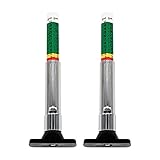
To perform these essential checks accurately, having a reliable tire pressure gauge and a tread depth tool can make all the difference in your initial diagnosis.




FAQs About a Car Pulling Left
Why does my car still pull to the left after a wheel alignment?
If a car still pulls after an alignment, the cause is likely a defective tire (tire conicity), a worn suspension part not caught during the alignment, or a dragging brake caliper. An alignment only corrects the angles of the wheels; it cannot fix a faulty tire or a worn mechanical part that allows for unwanted movement. Always ask the mechanic for the “before and after” printout of the alignment to ensure it was performed correctly.
Can low tire pressure on just one side cause a significant pull?
Yes, even one tire with significantly lower pressure will cause the car to pull towards that side due to increased friction and a smaller rolling radius. If the front left tire is significantly lower than the right, the car will have a strong tendency to veer left because of the increased rolling resistance on that side. This is one of the most common and powerful causes of a car pulling.
Is it dangerous to drive a car that is pulling to the left?
Yes, driving a car that pulls can be dangerous. It causes premature tire wear, can affect fuel economy, and indicates an underlying problem that could lead to a loss of vehicle control. A constant pull requires you to exert continuous counter-pressure on the steering wheel, which can be fatiguing and reduce your reaction time in an emergency. The underlying cause, such as a failing brake or suspension component, could lead to a more severe failure.
What is “memory steer”?
Memory steer is when a car continues to pull in the direction you just turned from, caused by worn steering or suspension parts that are binding and not returning to center properly. For example, if you make a left turn and the car continues to drift left afterward, it’s a classic sign of memory steer. This is often caused by worn ball joints or strut mounts that are sticking instead of moving freely.
Final Summary: Take Control of Your Car’s Steering
A car pulling to the left is a clear message that your vehicle needs attention. By systematically working through the potential causes, from simple tire pressure checks to a professional alignment and suspension inspection, you can accurately identify and resolve the issue. Ignoring a steering pull not only makes driving a chore but also compromises your safety and can lead to accelerated wear on your tires and suspension components.
- Check Tires First: Always start with the easiest and most common culprits: uneven tire pressure and wear.
- Alignment is the Top Cause: Improper wheel alignment is the most frequent mechanical reason for a constant pull.
- Note When it Pulls: Observing if the pull happens during braking or accelerating is a key diagnostic clue that points to specific systems.
Use this guide to confidently identify the potential cause of your car’s pulling issue and have an informed conversation with your mechanic. Taking proactive steps ensures a safer, smoother ride and protects your investment in your vehicle.
Last update on 2026-03-30 / Affiliate links / Images from Amazon Product Advertising API


![Dubai Luxury Cars: Ultimate Guide for Buying & Renting [year]](https://i0.wp.com/carxplorer.com/wp-content/uploads/2026/03/Dubai-Luxury-Cars-Ultimate-Guide-for-Buying-Renting-year-1.jpg?resize=60%2C60&ssl=1 "Dubai Luxury Cars: Ultimate Guide for Buying & Renting [year] 11")
![9 Old Luxury Cars: Cheap, Reliable & Built to Last [year]](https://i0.wp.com/carxplorer.com/wp-content/uploads/2026/03/9-Old-Luxury-Cars-Cheap-Reliable-Built-to-Last-year-1.jpg?resize=60%2C60&ssl=1 "9 Old Luxury Cars: Cheap, Reliable & Built to Last [year] 13")

![Luxury Cars White: 9 Elegant Designs & Top Models for [year]](https://i0.wp.com/carxplorer.com/wp-content/uploads/2026/03/Luxury-Cars-White-9-Elegant-Designs-Top-Models-for-year-1.jpg?resize=60%2C60&ssl=1 "Luxury Cars White: 9 Elegant Designs & Top Models for [year] 17")
![Blue Luxury Cars: 11 Stunning Models & Shades in [year]](https://i0.wp.com/carxplorer.com/wp-content/uploads/2026/03/Blue-Luxury-Cars-11-Stunning-Models-Shades-in-year-1.jpg?resize=60%2C60&ssl=1 "Blue Luxury Cars: 11 Stunning Models & Shades in [year] 19")