Remove Water Stains From a Car: 3 Pro Methods That Work

Learn how to remove water stains from your car’s paint and glass with three proven methods, from a simple DIY vinegar solution to advanced detailing techniques.
Learn how to remove water stains from your car’s paint and glass with three proven methods, from a simple DIY vinegar solution to advanced detailing techniques.
Discover safe and easy ways to remove sticker residue from your car without damaging the paint. Follow these simple, proven methods for a spotless finish.
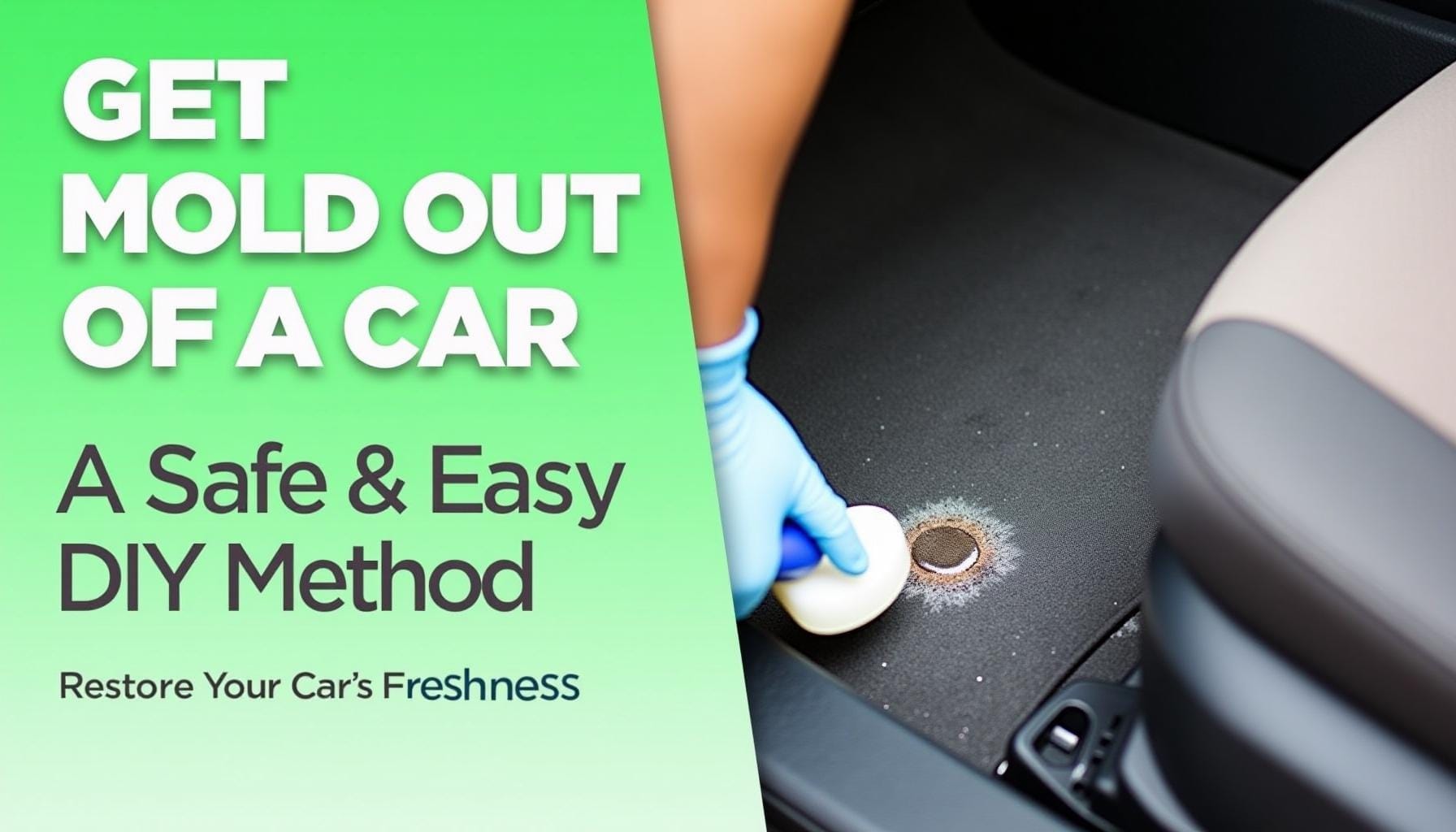
Learn how to remove mould from your car interior safely and effectively. Our expert guide covers the best cleaners, pro techniques, and prevention tips.
Learn how to remove bugs on your car without damaging the paint. Discover the best bug removers, home remedies, and safe cleaning techniques in our expert guide.
Struggling with sticky residue? Learn how to get sticker residue off your car using 5 simple, paint-safe methods with common household items and pro tips.### 1. AUDIENCE & INTENT PROFILE
– **Target Audience**: Car owners or enthusiasts who have recently removed a sticker, decal, or badge and are left with stubborn adhesive residue. They are seeking a safe and effective way to clean the surface without causing damage.
– **Knowledge Level**: Beginner to intermediate. The user is familiar with basic household tools and products but is unsure of the best method or specific products to use for an automotive application. This is evidenced by questions on forums like Reddit and Quora asking for specific, proven solutions.
– **Primary Intent**: Informational with a strong transactional component. The user wants to learn *how* to solve a specific problem (informational) and is simultaneously investigating which products (e.g., WD-40, 3M adhesive remover) are best to use or purchase (transactional).
– **User Needs**:
1. What household products can I use to remove the residue?
2. Which commercial products are specifically designed for this?
3. How can I avoid damaging my car’s paint or clear coat?
4. What is the step-by-step process?
5. Are there different methods for different types of residue or surfaces (e.g., paint vs. glass)?
– **Decision Factors**:
– **Safety:** Ensuring the method or product will not harm the car’s paint is the primary concern.
– **Effectiveness:** A solution that works quickly and completely.
– **Accessibility:** The availability of a product (e.g., common household items vs. specialty automotive products).
– **Trustworthiness:** The credibility of the source providing the advice, indicated by expertise and community consensus.
### 2. CONTENT STRATEGY BLUEPRINT
– **Recommended Format**: A comprehensive, step-by-step “how-to” guide, likely in a blog post or detailed article format, enriched with an embedded video tutorial. The strong presence of video and “short videos” on the SERP indicates a visual preference for this task.
– **Content Structure**:
1. **Introduction**: Acknowledge the user’s problem and promise a safe, effective solution.
2. **Preparation**: List necessary tools and materials (e.g., microfiber cloths, plastic razor blade, chosen solvent).
3. **Step-by-Step Methods**: Detail multiple methods, starting with the least aggressive (e.g., heat gun/hairdryer) and progressing to more potent options (e.g., WD-40, rubbing alcohol, specialty removers).
4. **Product Comparison**: A table comparing the pros and cons of different solutions (e.g., effectiveness, safety, cost, accessibility).
5. **Safety Precautions**: A dedicated section on avoiding paint damage, including testing a small area and proper post-cleaning steps (washing and waxing the area).
6. **FAQ Section**: Address common questions from forums (e.g., “Does Goo Gone work?”, “What about a razor blade on glass?”).
– **Word Count Range**: 1,000 – 1,500 words. The content needs to be detailed enough to cover multiple methods and safety concerns without being overly long.
– **E-E-A-T Strategy**:
– **Expertise**: Present the information from the perspective of a car care specialist or detailer. Reference specific automotive products (e.g., 3M) and techniques.
– **Experience**: Include personal anecdotes or case studies (e.g., “I’ve successfully used this method on dozens of cars…”). Show “before” and “after” photos.
– **Authoritativeness**: Cite professional car detailing or automotive forums, and if possible, feature an author bio with relevant credentials.
– **Trustworthiness**: Provide clear disclaimers about testing products on an inconspicuous area and emphasize paint safety throughout the article.
– **Key Topics**:
– Heating the residue (hairdryer/heat gun).
– Using common household solvents (isopropyl alcohol, white vinegar, baking soda paste).
– Using commercial products (WD-40, Goo Gone, 3M Adhesive Remover).
– Techniques for different surfaces (paint, glass, plastic).
– Finishing steps (washing, waxing/sealing the treated area).
– **Differentiation Approach**: Create a highly visual, multi-modal guide. This includes a professional, well-edited video, high-quality images for each step, and a clear comparison chart. Directly address the user’s fear of damaging paint more explicitly and authoritatively than current content, positioning the article as the definitive safety-first guide.
### 3. OPTIMIZATION GUIDANCE
– **User Experience Priorities**:
– Clear, scannable headings (H2s and H3s) for each method.
– Numbered lists for step-by-step instructions.
– Use of bold text and bullet points to highlight key warnings and product names.
– Embedding a concise, high-quality video near the top of the article.
– **Key Questions to Address**:
– “What is the best product to remove sticker residue from a car?”
– “How do I remove sticker glue from car paint without damaging it?”
– “Can I use a hair dryer to remove car sticker residue?”
– “Is WD-40 safe for my car’s paint?”
– **Unique Value Addition**: Provide an “expert-approved” methodology that combines the best of all worlds: starting with a safe, gentle method and escalating to more powerful solutions, all with clear instructions and safety warnings. This would be a comprehensive, trust-building resource that consolidates the scattered advice found across forums and multiple sites.
**STRATEGIC SUMMARY:**
The user’s intent is to find a safe and effective way to remove sticker residue from their car’s paint. The audience is a beginner car owner seeking a trusted, step-by-step solution. The optimal content format is a detailed “how-to” guide with an embedded video, structured to compare multiple methods from gentle to strong. Content must emphasize paint safety, present various product options, and address common user questions found in forums. To stand out, the content must be highly visual, authoritative (demonstrating expertise), and provide a consolidated, clear, and comprehensive guide that directly addresses the user’s core fear of damaging their vehicle’s finish.
How to get mold out of a car: Safe & easy DIY method. Clean interiors, seats & carpet for good. Restore freshness now!