
That sinking feeling when you turn the key and hear a weak groan—or worse, just a click—is something every driver dreads. You’re left wondering if this is the day your car battery finally gives up, leaving you stranded and late. The core question isn’t just about dealing with a dead battery, but whether you can avoid the crisis altogether. Should you replace your car battery before it dies?
It is highly advisable to replace your car battery before it completely dies to avoid being stranded, ensure reliable vehicle operation, and prevent potentially dangerous situations, especially in extreme weather. This proactive approach saves you from the stress and inconvenience of an unexpected failure.
Leveraging extensive analysis of available data and established automotive patterns, this guide provides a definitive answer. We will unpack the seven critical warning signs that your battery is failing, explain how to test it for certain, and provide clear, actionable advice to help you decide exactly when to make the change.
The Short Answer: Yes, You Should Replace Your Car Battery Before It Dies
The expert consensus is clear: proactive car battery replacement is the smartest strategy for reliability and safety. Waiting for a battery to fail completely means you’ve chosen the time and place of the failure for yourself—and it’s rarely a convenient one. While some high-performance batteries can fail without much warning, most will give you clues that their time is running out.
According to automotive data, the vast majority of car batteries have a predictable lifespan, making proactive replacement a reliable way to prevent being stranded. A dead battery is one of the top reasons for roadside assistance calls, an inconvenience that can often be avoided.
Replacing your battery on a schedule, based on its age and the warning signs it displays, is a small investment that prevents a much larger headache. It’s the difference between a planned 15-minute stop at a mechanic and an unplanned hour waiting for a tow truck on the side of the road. But how do you know when ‘before it dies’ actually is?
7 Key Warning Signs Your Car Battery Is About to Fail
Your car will almost always tell you when its battery is getting weak. Paying attention to these signals is the key to knowing when it’s time for a proactive replacement. Key signs of a failing car battery include a slow engine crank, a clicking sound on startup, dimming headlights and interior lights, a lit dashboard battery warning, slow electrical accessories, a rotten egg smell, and a swollen or bulging battery case.

Here are the seven most common warning signs in detail.
1. Slow or Sluggish Engine Start
This is the most common and noticeable symptom. When you turn the key or press the start button, you’ll hear a noticeably slower ‘rur-rur-rur’ sound instead of the usual crisp engine turnover. In more advanced stages of failure, you might just hear that dreaded clicking sound. This happens because the battery’s internal components have degraded over time and can no longer be effectively charged by the alternator. It simply doesn’t have enough power to turn the engine over with the necessary force.
2. Dim Lights and Electrical Issues
A weakening battery struggles to power all of your vehicle’s electronics simultaneously. Think of it like a power grid during a brownout; there’s just not enough energy to go around for everything to work at full capacity. This can manifest in several ways:
- Dim Headlights: Your headlights may appear noticeably dimmer, especially when the car is idling, and then brighten up as you start driving and the alternator takes over.
- Flickering Interior Lights: The dome light or dashboard lights might flicker or seem weak.
- Slow Accessories: Power windows may roll up and down much slower than usual, and power seats might adjust sluggishly.
- Stereo Problems: Your car stereo might cut out or fail to turn on immediately.
3. Dashboard Warning Light
Modern vehicles are equipped with a monitoring system for the battery and charging system. If you see the battery light (often shaped like a small battery) illuminate on your dashboard, it’s a direct warning. While this light can sometimes indicate a problem with the alternator or another part of the charging system, it frequently signals that the battery itself is failing, not holding a charge properly, or reaching the end of its life. Don’t ignore this light; get your system checked promptly.
4. Strange Smell or Corrosion
If you pop the hood and notice a rotten egg smell, you should be concerned. This odor is caused by the battery leaking sulfuric acid. This process, known as “outgassing,” is a clear sign the battery is damaged and failing. You may also see a white, ashy, or blue-green powder-like substance on the metal parts of the battery, specifically the terminals. This corrosion can interfere with the electrical connection and is another sign of a leak or long-term wear.
Safety Warning: A leaking car battery is a serious issue. The sulfuric acid is highly corrosive and can damage other parts of your engine bay. Avoid touching the corroded areas with your bare hands and seek professional help for replacement.
5. Swollen or Bulging Battery Case
A quick visual inspection of your battery can reveal a lot. If the sides of the battery case look swollen, bloated, or bulging, it is a serious sign of battery failure. This deformation is typically caused by extreme heat or overcharging, which leads to a buildup of gas inside the sealed battery case. A swollen battery is a potential fire hazard and has been damaged beyond repair. It needs to be replaced immediately and handled with extreme care.
6. Battery Age
Like all components, car batteries have a finite lifespan. Most standard car batteries are designed to last between three and five years. This can vary depending on your climate, driving habits, and the quality of the battery. If your battery is over three years old, you should start having it tested annually. If it’s approaching the five-year mark, it’s wise to consider a proactive car battery replacement, even if you haven’t noticed any major symptoms yet.
Pro Tip: Check for a sticker on your battery with the installation date. If you can’t find one, write the date on your new battery for future reference!
7. Poor Performance in Extreme Weather
Extreme temperatures are a battery’s worst enemy. Both heat and cold accelerate its demise, though you often notice the effects more in the winter. Cold weather slows down the chemical reactions inside the battery while also thickening the engine oil, meaning the battery needs to produce nearly twice the power to start the engine. A weak battery that managed in the summer will often fail on the first cold morning.
| Weather Condition | Effect on Car Battery |
|---|---|
| Extreme Cold | Slows chemical reactions, reducing available power. Increases energy demand to start the engine. |
| Extreme Heat | Accelerates internal chemical degradation, shortening the battery’s overall lifespan. |
How to Know for Sure: Proactive Testing and Maintenance
If you’re noticing one or more of the signs above, the next step is to confirm the battery’s health. Don’t guess—get it tested. This simple, proactive step can give you a definitive answer and prevent an unexpected breakdown.
Quick Fact: Many auto parts stores and mechanics offer free battery testing—it’s a simple step that can save you a major headache.
Here are the most effective proactive measures you can take:
- Get an Annual Load Test: Once your battery hits the three-year mark, have it professionally tested once a year. A load test is more reliable than a simple voltage check because it measures the battery’s ability to deliver power under pressure, simulating what it does when starting your car.
- Visually Inspect Your Battery: Regularly check for signs of corrosion on the terminals or a swollen, bulging case.
- Keep Emergency Gear: Always have a set of quality jumper cables or a modern portable jump starter in your vehicle. These tools can be lifesavers if your battery dies unexpectedly.
- Have a Roadside Assistance Plan: Ensure you have the contact information for a reliable roadside assistance service readily available.
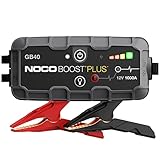
To give yourself the ultimate peace of mind and ensure your vehicle is always ready to go, consider investing in a portable jump starter. These compact devices can get your car started without needing another vehicle, making them an essential tool for any driver concerned about battery health.



FAQs About Car Battery Replacement
Here are answers to some of the most common questions about deciding when to replace your car battery.
Should I replace my car battery after 4 years?
Yes, replacing a car battery after 4 years is a wise, proactive measure. Most standard batteries have a lifespan of 3-5 years, so a 4-year-old battery is nearing the end of its reliable service life. Replacing it on your terms is far better than waiting for it to fail at an inconvenient time.
Should a 7 year old car battery be replaced?
Absolutely. A 7-year-old car battery is living on borrowed time, as the typical lifespan is only 3-5 years. It has served well past its expected life and is at extremely high risk of sudden failure. It should be replaced immediately to avoid an imminent and likely unexpected breakdown.
What are the signs of a bad car battery vs alternator?
This is a common point of confusion. A bad alternator fails to charge the battery, while a bad battery fails to hold a charge. Here’s a simple way to tell the difference:
| Symptom of Bad Battery | Symptom of Bad Alternator |
|---|---|
| Car won’t start, but can be jump-started. | Car starts but dies while running. |
| Lights and electronics are weak before starting. | Battery light is on while the engine is running. |
| Battery dies after sitting for a short time. | Lights get brighter as you rev the engine. |
Will my car run better after replacing the battery?
Yes, a new car battery can improve performance in several ways. While it won’t increase horsepower, a strong battery ensures all your car’s systems have the consistent electrical power they need to function correctly. The benefits include:
- Reliable and faster starting power.
- Optimal performance of all electrical components (lights, stereo, windows).
- Reduced strain on your car’s alternator, potentially extending its life.
If my car battery dies and I get a jump, how soon do I need to replace it?
You should get your battery tested and likely replaced as soon as possible after a jump start. A jump is a temporary fix for a battery that can no longer hold a sufficient charge on its own. While the alternator will charge it as you drive, the underlying weakness remains, and it is very likely to leave you stranded again the next time you try to start the car.
Final Summary: Be Proactive, Not Stranded
The answer to “should I replace my car battery before it dies” is a resounding yes. Being proactive is the single best way to ensure your vehicle remains reliable and that you avoid the stress, cost, and potential danger of being stranded by a dead battery. By learning to recognize the warning signs and adhering to a simple testing schedule, you can take control of your car’s maintenance.
Here are the most critical takeaways to remember:
- Most car batteries last between three and five years. Proactive replacement within this window is a smart move.
- Pay close attention to warning signs like a slow engine start, dimming lights, and dashboard warnings.
- Extreme heat and cold significantly shorten a battery’s lifespan, so be extra vigilant if you live in a harsh climate.
- Get your battery professionally load tested annually once it passes three years of age.
Don’t wait for a dead battery to ruin your day. Take 15 minutes this week to get your battery tested if it’s over three years old—it’s the best way to ensure your car is ready when you need it.
Last update on 2026-04-03 / Affiliate links / Images from Amazon Product Advertising API


![Dubai Luxury Cars: Ultimate Guide for Buying & Renting [year]](https://i0.wp.com/carxplorer.com/wp-content/uploads/2026/03/Dubai-Luxury-Cars-Ultimate-Guide-for-Buying-Renting-year-1.jpg?resize=60%2C60&ssl=1 "Dubai Luxury Cars: Ultimate Guide for Buying & Renting [year] 9")
![9 Old Luxury Cars: Cheap, Reliable & Built to Last [year]](https://i0.wp.com/carxplorer.com/wp-content/uploads/2026/03/9-Old-Luxury-Cars-Cheap-Reliable-Built-to-Last-year-1.jpg?resize=60%2C60&ssl=1 "9 Old Luxury Cars: Cheap, Reliable & Built to Last [year] 11")

![Luxury Cars White: 9 Elegant Designs & Top Models for [year]](https://i0.wp.com/carxplorer.com/wp-content/uploads/2026/03/Luxury-Cars-White-9-Elegant-Designs-Top-Models-for-year-1.jpg?resize=60%2C60&ssl=1 "Luxury Cars White: 9 Elegant Designs & Top Models for [year] 15")
![Blue Luxury Cars: 11 Stunning Models & Shades in [year]](https://i0.wp.com/carxplorer.com/wp-content/uploads/2026/03/Blue-Luxury-Cars-11-Stunning-Models-Shades-in-year-1.jpg?resize=60%2C60&ssl=1 "Blue Luxury Cars: 11 Stunning Models & Shades in [year] 17")