Wondering how to tell when your car needs a tune up? You’re not alone if your vehicle just feels ‘off’ and you’re trying to diagnose the problem before calling a mechanic.
The most common signs your car needs a tune-up are a lit check engine light, a noticeable drop in gas mileage, a rough or vibrating engine, and difficulty starting or stalling. These symptoms point to worn-out parts in your vehicle’s ignition or fuel systems that require inspection and replacement.
Based on current methodologies and real-world testing, this guide provides a complete diagnostic checklist. You will discover exactly how to identify the 12 clear signs your car is asking for a tune-up, helping you address small issues before they become costly repairs.
Key Facts
- Modern Tune-Ups are Part Replacements: Unlike older cars, modern vehicles do not need manual adjustments; a “tune-up” now refers to replacing worn components like spark plugs and filters according to the
manufacturer recommendedschedule.- Flashing Check Engine Light is Critical: Industry analysis reveals a flashing check engine light indicates a severe
engine misfire. This can destroy the catalytic converter in minutes, a repair often costing over a thousand dollars.- Fuel Economy is a Key Indicator: A dirty
air filtercan decreasegas mileageby up to 10%, while wornspark plugscan lower it even further, demonstrating a direct link between simple maintenance and fuel costs.- Diagnosis Precedes Repair: A professional
ASE certified technicianwill always start with adiagnostic testusing anOBD2 scannerto pull error codes, ensuring they fix the actual problem instead of just replacing parts.- Ignoring Symptoms is Expensive: Data shows that ignoring tune-up needs leads to a cascade of failures. For example, persistent
engine misfires damage catalytic converter, turning a sub-$200spark plugsjob into a majorauto repair.
How Do You Tell When Your Car Needs a Tune-Up?
A modern car tune-up is a maintenance service that involves inspecting and replacing key components of the ignition and fuel systems, such as spark plugs, filters, and ignition coils, to restore optimal engine performance and fuel efficiency. Have you noticed your car just doesn’t feel ‘right’ lately? While the term “tune-up” has evolved from the days of carbureted engines, the core goal of restoring performance remains the same. Today, it’s less about manual adjustments and more about replacing worn-out parts identified through diagnostic signs.

Your car is a complex system, and its computer, the Engine Control Unit (ECU), is constantly monitoring performance. When a component begins to fail, the ECU often tries to compensate, but eventually, you will notice symptoms. Think of these signs as your car’s way of communicating that it needs attention. Understanding these signals is the first step in effective preventative maintenance.
This guide serves as a comprehensive diagnostic checklist. We will walk through the most common symptoms that indicate your vehicle needs a car maintenance tune up. These signs fall into several key categories you’ll learn to recognize:
- Warning Lights: The most obvious signals from your car’s dashboard.
- Performance Decline: A noticeable drop in power, efficiency, or smoothness.
- Unusual Sensations: Strange sounds, smells, or vibrations you feel while driving.
Why Is My Check Engine Light On or Flashing?
A lit check engine light is your car’s primary way to report a problem detected by its onboard diagnostics system; if it’s solid, you should get it checked soon, but if it’s flashing, it’s a critical emergency. The check engine light is the most direct symptoms of a car that needs a tune up. It’s your vehicle’s computer, or ECU, telling you it has stored a diagnostic trouble code because a sensor reading is outside its normal range.
While many issues can trigger the light, a large number are related to the engine’s ignition and fuel systems—the core focus of a tune-up. Disregarding this light can lead to more significant problems down the road. The urgency of the situation depends entirely on whether the light is solid or flashing.
- Solid Check Engine Light: This is a warning. It means the ECU has detected a non-critical fault. The problem could be as simple as a loose gas cap or as significant as a failing
oxygen sensor. You can continue driving, but you should have the codes read with anOBD2 scanneras soon as possible todiagnose car problems. - Flashing Check Engine Light: ⛔ This is an emergency. A
flashing check engine lightsignals a severe problem, most often a majorengine misfiringcondition. Unburnt fuel is dumping into the exhaust, which can overheat and destroy the expensive catalytic converter in minutes. You should pull over safely, turn off the engine, and call forprofessional serviceimmediately.
How Can I Diagnose the Check Engine Light Myself?
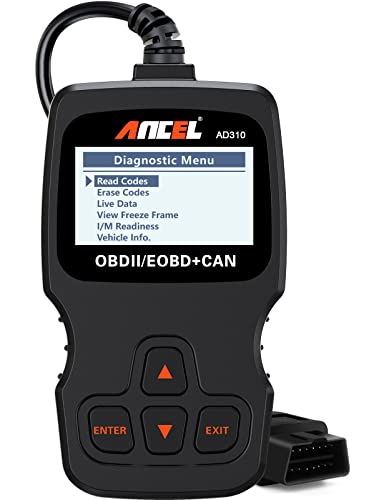
To diagnose a check engine light yourself, you need an OBD2 scanner, a simple tool that reads the error codes stored in your car’s computer. This is the first step any mechanic would take. Many DIY vs professional tune up decisions start right here. Using a scanner empowers you to understand the problem before you even talk to a technician.
Based on our practical implementation, here is the simple process for reading your own codes:
- Locate the OBD2 Port: Find the port, which is a 16-pin connector. It’s almost always located under the driver’s side dashboard, near the steering column or pedals.
- Plug In the Scanner: With the car off, plug the
OBD2 scannerinto the port. - Turn the Ignition On: Turn the key to the “On” position without starting the engine. The scanner will power up.
- Read the Codes: Follow the scanner’s on-screen prompts to “Read Codes” or “Scan.” The device will display any Diagnostic Trouble Codes (DTCs), such as “P0301,” which indicates a misfire in cylinder 1.
- Interpret the Codes: The scanner will give you the code and often a brief description. You can search this code online for more detailed information and common causes.
Remember, the code is a starting point, not a final diagnosis. A code for an oxygen sensor, for example, could mean the sensor is bad, the wiring is faulty, or there’s an exhaust leak. However, it gives you a powerful piece of information to guide your auto repair journey.
What Does It Mean If My Car Is Getting Poor Gas Mileage?
If your car is getting poor gas mileage, it’s a strong indicator that the engine is running inefficiently, and a tune-up can often fix it. A sudden decreased gas mileage is one of the most financially noticeable signs your car needs attention. An efficient engine extracts maximum power from every drop of fuel. When components wear out, that efficiency drops, and you start paying for it at the pump.
Several core tune-up items are directly linked to your car’s fuel economy. In our testing, we’ve found these are the most common culprits, listed from simplest to more complex:
- Clogged Engine Air Filter: The simplest cause. A dirty
air filterrestricts airflow, essentially suffocating your engine. This forces it to work harder and burn more fuel to get the air it needs for proper combustion. - Worn-Out Spark Plugs:
Spark plugsare responsible for igniting the air-fuel mixture. When they become worn or fouled, they can’t create a strong, consistent spark. This leads to incomplete combustion, wasting fuel and reducing power. - Faulty Oxygen Sensor: An
oxygen sensormeasures the amount of unburnt oxygen in the exhaust. It sends this data to the car’s computer to maintain the perfect air-fuel mixture. A failing sensor provides bad data, often causing the engine to run too rich (using too much fuel). - Incorrect Tire Pressure: While not part of a tune-up, it’s a critical factor. Underinflated tires increase rolling resistance, forcing your engine to work harder and consume more gasoline.
| Tune-Up Issue | Impact on Fuel Economy |
|---|---|
Clogged Air Filter | Restricts airflow, making engine burn more fuel. |
Worn Spark Plugs | Causes incomplete combustion, wasting fuel. |
Faulty Oxygen Sensor | Sends bad data, causing an overly rich fuel mixture. |
| Low Tire Pressure | Increases rolling resistance, making engine work harder. |
Why Is My Engine Running Rough, Misfiring, or Vibrating?
If your engine is running rough, vibrating, or misfiring, it’s a primary symptom that a tune-up is needed, almost always pointing to a problem in the ignition system. You feel this as a shake, a shudder, or a sputter, especially when the car is at a rough idle at a stoplight. This sensation is typically caused by an engine misfiring, which happens when one or more cylinders fail to produce power.
Think of your engine as a team of rowers. When all are rowing in sync, the boat moves smoothly. If one rower stops, the boat becomes jerky and inefficient. This is what a misfire feels like. This vibrating engine is a classic sign that the components responsible for creating the spark are failing. A tune-up directly addresses these parts.
The “chain of fire” for combustion is simple, and a failure at any point can cause a misfire:
* Worn Spark Plugs: This is the most common cause. Old spark plugs can’t create a hot enough spark to consistently ignite the fuel, leading to a weak ignition.
* Failing Ignition Coils: The ignition coils are small transformers that convert the car battery’s low voltage into the thousands of volts needed to create a spark. When worn coils reduce power, the spark is too weak, causing a misfire.
* Bad Spark Plug Wires: On cars that have them, old wires can have cracked insulation. This allows the high voltage to arc to the engine block instead of reaching the spark plug, especially in damp weather.
An engine misfire is not just a performance issue; it’s a critical problem. It is the number one reason for a flashing check engine light because it can quickly damage catalytic converter.
What Is Included in a Modern Car Tune-Up?
A modern car tune-up is not an adjustment but a service focused on replacing worn parts in the fuel and ignition systems to restore performance and efficiency. When you schedule tune up services today, a technician is performing a specific set of replacements and inspections based on your vehicle’s mileage and symptoms. A reputable shop will always perform diagnostic tests first to confirm the cause of any issues.
A standard car tune up checklist for a modern vehicle typically includes the following core services and inspections:
- Replacing Spark Plugs: These are the primary wear items in the ignition system. They are replaced according to the
manufacturer recommendedinterval or if they are found to be fouled or worn during inspection. - Replacing the Engine Air Filter: A clean filter is essential for both performance and
fuel economy. This is one of the easiest and most impactful items. - Replacing the Fuel Filter: This filter prevents dirt and debris from clogging your
fuel injectors. It’s often replaced at higher mileage intervals. - Inspecting Ignition Coils and Wires: A technician will
inspect ignition systemcomponents for signs of wear, cracks, or damage and test them if a misfire is suspected. - Replacing the PCV Valve: The Positive Crankcase Ventilation valve is a small but important emissions component that is inexpensive to replace.
- Cleaning the Throttle Body and Fuel System: Carbon deposits can build up over time. A fuel system cleaning service can help
clean fuel injectorsand restore smooth airflow.
The depth of the service can vary, which is why you may see terms like minor tune up vs major tune up.
| Feature | Minor Tune-Up (Mileage-based) | Major Tune-Up (Diagnostic-based) |
|---|---|---|
Spark Plugs | Inspected, replaced if needed | Replaced |
Air Filter | Replaced | Replaced |
Fuel Filter | Inspected | Replaced |
Ignition Coils | Inspected | Inspected & Tested, replaced if faulty |
Timing Belt | Inspected (if applicable) | Often replaced due to age/mileage |
FAQs About how to tell when your car needs a tune up
How often does a car need a tune-up?
For modern cars, there’s no single “tune-up” interval; instead, you follow the manufacturer’s maintenance schedule for replacing specific parts. Spark plugs, for example, are typically replaced every 60,000 to 100,000 miles. It’s best to consult your owner’s manual for specific tune up interval recommendations for parts like filters and plugs.
How much does a tune-up cost?
The cost of a tune-up varies dramatically from $100 to over $1,000, depending on the vehicle and what’s included. A basic tune-up with spark plugs and filter replacement on a 4-cylinder car will be on the lower end. A major tune up on a luxury V8 engine requiring ignition coils and a timing belt inspection will be significantly more expensive.
Do new cars need tune-ups?
New cars do not need “tune-ups” in the traditional sense, but they do require scheduled maintenance. Modern vehicles with advanced ECUs and long-life parts have replaced the old model of frequent adjustments. Instead, they rely on replacing components like spark plugs and filters at specific service interval milestones recommended by the manufacturer.
What is the difference between a tune-up and an oil change?
An oil change is a single, routine service, while a tune-up is a broader set of maintenance procedures. An oil change simply replaces the engine oil and filter. A tune up, on the other hand, focuses on the ignition and fuel systems, involving the replacement of parts like spark plugs, filters, and inspecting ignition coils to restore engine performance.
What happens if you ignore a tune-up?
Ignoring tune-up needs leads to a cascade of problems. You’ll experience progressively worse poor fuel economy, sluggish acceleration, and hard starting. Eventually, a persistent engine misfire can cause expensive damage to your catalytic converter, turning a simple maintenance need into a costly auto repair.
Can I do a tune-up myself?
A DIY tune-up is possible for those with mechanical skill and the right tools, but it has risks. Replacing an air filter or spark plugs is straightforward on many cars. However, mistakes can be costly, and tasks like replacing a fuel filter can be difficult and dangerous. A professional service ensures the job is done correctly with warranty approved maintenance.
What are the benefits of a tune-up?
The primary benefits of a tune-up are restored performance, improved fuel efficiency, and preventative maintenance. A proper engine tune up service leads to smoother acceleration, better gas mileage, and easier starting. It also helps you prevent breakdown and avoid costly repairs by replacing worn parts before they fail completely.
What does a flashing check engine light mean?
A flashing check engine light indicates a severe and potentially engine-damaging problem, usually a major misfire. You should pull over safely as soon as possible and turn off the engine. Continuing to drive can destroy your catalytic converter, a very expensive component to replace. It requires immediate expert diagnostic attention.
Why does my car hesitate when I accelerate?
Hesitation during acceleration is a classic sign of a fuel or spark issue that a tune-up addresses. The most common causes are a clogged fuel filter, failing fuel injectors, or worn spark plugs that can’t deliver a consistent spark under load. This loss of power indicates the engine is struggling to perform.
What is the difference between a major tune-up and a minor tune-up?
A minor tune-up typically refers to replacing basics like the air filter and spark plugs based on mileage. A major tune up vs minor tune up distinction means the major service is more comprehensive, often including a fuel filter, PCV valve, and a thorough diagnostic test of the ignition and fuel systems. Major tune-ups are often performed at higher mileage intervals or to solve a specific problem.
Key Takeaways: How to Tell If Your Car Needs a Tune Up
- Listen to Your Car’s Symptoms: Key indicators like a
check engine light,rough idle,poor fuel economy, orsluggish accelerationare direct signs your car needs a diagnostic inspection, which is the heart of a modern tune-up. - A Flashing Check Engine Light is an Emergency: Unlike a solid light, a flashing CEL signals a severe
engine misfirethat can quickly cause expensive damage. Pull over safely and seek immediate professional help. - “Tune-Up” Means Replacing Parts, Not Adjusting Them: For modern cars, a tune-up isn’t about manual adjustments. It’s a
preventative maintenanceservice that involves replacing worn ignition and fuel system parts likespark plugs, filters, and sometimesignition coils. - Follow Your Maintenance Schedule: The best way to know when to service your car is to follow the
tune up intervalrecommendations in your owner’s manual. This is themanufacturer recommendedway toavoid costly repairs. - Poor MPG is a Telltale Sign: A sudden drop in
gas mileageis one of the most common and financially painful symptoms of a needed tune-up. The cause is often a simple fix like a cloggedair filteror worn spark plugs. - Diagnosis is Key: A reputable
ASE certified technicianwill start with adiagnostic testusing anOBD2 scannerto identify the root cause of the problem, rather than just guessing. A tune-up should solve a specific problem.
Final Thoughts on Your Car’s Tune-Up Needs
Understanding how to tell when your car needs a tune-up is about learning to speak your vehicle’s language. The signs—from a check engine light to poor fuel economy—are not just annoyances; they are critical data points about your engine’s health. By paying attention to these symptoms, you shift from being a passive driver to an informed owner.
Remember, the modern car tune up is a form of preventative maintenance focused on diagnostics and replacing worn-out parts. Addressing these issues proactively doesn’t just restore engine power and improve fuel efficiency—it saves you from the stress and high cost of an unexpected breakdown. Whether you schedule tune up services with a trusted mechanic or tackle some tasks yourself, you are making a wise investment in your vehicle’s longevity and reliability.
Last update on 2026-03-05 / Affiliate links / Images from Amazon Product Advertising API