
That broken-down car sitting in your driveway can feel like a heavyweight, both physically and financially. You know it has some value, but the path to turning that stationary metal into cash seems complicated. How do you figure out what it’s worth? And who even buys cars that don’t run? The process can feel overwhelming, but it doesn’t have to be.
The best ways to sell a car that doesn’t run are by using specialized online buyers for a fast and convenient sale with free towing, selling to a private buyer for the highest potential price, or taking it to a junkyard for a guaranteed, quick cash offer.
This guide, updated for 2026, cuts through the confusion. Leveraging extensive analysis of the most effective methods and data on vehicle valuation, we will walk you through a clear, step-by-step process. We’ll unpack the five best options for selling your non-running car, detail how to accurately assess its value, and provide a checklist to ensure a smooth, legal, and profitable transaction.
Key Facts
- Severe Damage Impact: A non-running car with severe body damage can lose 75-80% of its potential market value, making repairs financially impractical.
- Prohibitive Repair Costs: Major mechanical failures are extremely costly; data shows an engine replacement can cost between $7,000 and $10,000, often far exceeding the vehicle’s value.
- Speed of Online Sales: Specialized online car buyers have streamlined the process to the point where they can provide a quote, pick up the car for free, and pay the seller in as little as 24 to 48 hours.
- Junkyard Valuation Method: When you sell to a junkyard, the offer is typically based on the car’s weight in scrap metal, not the individual value of its salvageable parts.
- The Title is Non-Negotiable: In the vast majority of sales, having the vehicle’s title is a legal necessity to prove you are the rightful owner and can legally transfer it to a new buyer.
First Step: Assess Your Car’s Condition and True Value
To value a non-running car, first evaluate the damage severity (mechanical vs. body), then use online tools like Kelley Blue Book to get a baseline value, and finally, compare high repair costs against this value to decide if selling as-is is the best financial choice.

Before you can confidently ask for a price, you need a realistic financial baseline. This is the most critical step in the entire process of learning how to sell a car that doesn’t run. An honest assessment prevents disappointment and empowers you to negotiate effectively. Start by categorizing the issues.
- Mechanical Damage: Is the problem with the engine, transmission, or electrical system? These are often the most expensive fixes. A non-starting engine could be a simple battery issue or a catastrophic failure.
- Body Damage: Look for rust, major dents, and frame damage. While minor body damage might reduce a car’s value by 10-15%, severe damage can slash its worth significantly.
- Age and Mileage: A car that is over 8-10 years old with more than 100,000 miles on the odometer has a naturally lower baseline value, even before factoring in that it doesn’t run.
Once you have a clear picture of the problems, follow this process to determine a fair market value:
- Get a Baseline Value: Use online valuation tools like Kelley Blue Book (KBB.com) or NADAguides.com. To get the most accurate starting point, set the car’s condition to “Poor” or the lowest possible option. This gives you the value of a similar car in rough but running condition.
- Estimate Repair Costs: Research the potential cost to fix the primary issue. Data shows that major repairs are incredibly expensive, with an engine replacement costing between $7,000 and $10,000 and a new transmission running from $4,000 to $5,000.
- Compare and Decide: Subtract the estimated repair costs from the baseline value you found in step one. If the repair cost is close to or more than the car’s value, fixing it is not a financially sound decision. This calculation is your strongest indicator that selling the car as-is is the smartest move.
Pro Tip: Be brutally honest with yourself during this assessment. Overestimating your car’s condition is the fastest way to get a disappointing offer later.
Exploring Your 5 Best Options for Selling a Car That Doesn’t Run
The best ways to sell a car that doesn’t run include specialized online buyers for speed and convenience, private sales for potentially higher prices, junkyards for guaranteed quick cash, parting it out for maximum profit with high effort, and dealership trade-ins for convenience on a new purchase.
Now that you have a realistic idea of your car’s value, it’s time to explore the market. There are five primary channels for selling a non-running vehicle, each with distinct pros and cons. The right choice depends entirely on your personal priorities.
Which of these factors—getting the most cash, the fastest sale, or the least amount of hassle—is most important to you right now? Your answer will point you to the best option below.
| Option | Best For (Price/Speed/Ease) | Typical Payout | Key Pro | Key Con |
|---|---|---|---|---|
| Specialized Online Buyers | Speed & Ease | Moderate | Instant quote, free towing, fast payment | Offer may be less than private sale |
| Private Buyers | Price | Potentially Highest | Can get top dollar from the right person | Time-consuming, high effort, risk of scams |
| Junkyards / Scrap Yards | Speed | Lowest | Guaranteed sale for any condition, quick cash | Payment based on weight, potential fees |
| Parting Out | Price | Highest (in theory) | Maximizes total profit from all parts | Extremely high effort, needs expertise/tools |
| Dealerships (Trade-In) | Ease (if buying) | Low to Moderate | Convenient credit towards a new car | Very low cash value, not their specialty |
1. Specialized Online Damaged Car Buyers
Online buyers offer a fast, convenient way to sell a non-running car with features like instant quotes, free towing, and payment on the spot, though the offer may be slightly less than a private sale.
This is often the most popular and balanced option for people who want to know how to sell a car that doesn’t run without the headache. Companies like CarBrain, Peddle, and DamagedCars.com have perfected the process of buying less-than-perfect vehicles nationwide. They are built for this specific market.
- Pros:
- Instant Online Quotes: You can get a guaranteed offer in minutes by entering your car’s details on their website.
- Free Towing: This is a huge benefit. They arrange to pick up the car from your location at no cost to you, saving you time and money.
- Guaranteed Offers: The price they quote is typically locked in for a set period, like 7 days, giving you time to consider without pressure.
- Fast Payment: Most services pay you with a check or direct deposit on the spot when they pick up the vehicle, often within 24-48 hours of you accepting the offer.
- Paperwork Handled: They are experts in title transfers and handle all the necessary documentation for you.
- Cons:
- Slightly Lower Payout: The convenience comes at a price. While they offer fair market value, you might get a slightly higher offer through a private sale if you’re willing to put in the work.
Quick Fact: Many of these services can pick up your car and pay you in as little as 24-48 hours, turning a driveway problem into cash surprisingly fast.
2. Private Buyers (The High-Reward, High-Effort Path)
Selling privately can yield the highest price, especially for project cars, but it is time-consuming and requires careful vetting of buyers to avoid scams and handle all paperwork yourself.
If your top priority is squeezing every last dollar out of your vehicle, selling to a private party through platforms like Facebook Marketplace or Craigslist is the way to go. Your ideal buyers are typically mechanics looking for a car to fix and flip, or enthusiasts searching for a specific model to use as a “project car” or for parts.
- Pros:
- Highest Price Potential: You set the price and can negotiate directly with buyers who may see more value in the car than a wholesale service would.
- Direct to Enthusiast Market: If your car is a desirable model, even in non-running condition, you can connect with a passionate buyer willing to pay more.
- Cons:
- Time-Consuming: You are responsible for everything: creating the listing, taking photos, responding to countless inquiries, and scheduling viewings.
- High Effort: You must handle all negotiations and legal paperwork, including the bill of sale and title transfer.
- Risk of Scams: The private market can attract lowballers, no-shows, and potential scammers. You must be vigilant.
- Towing Logistics: The buyer will need to arrange for a tow truck, which can complicate the sale.
Safety Warning
When selling privately, always prioritize your safety. Meet buyers in a public place if possible, never go alone, and only accept secure forms of payment like cash or a cashier’s check that you can verify with the bank. Never sign over the title until you have confirmed payment.
3. Junkyards and Scrap Yards
Selling to a junkyard is a fast way to get cash for a car in any condition, but the payment is often the lowest as it’s based on scrap metal weight, and you may incur towing fees.
If your car is at the end of its life—severely damaged, very old, or with catastrophic mechanical failure—a junkyard or scrap yard is your guaranteed exit strategy. They buy cars in any condition because their primary interest is in the raw materials.
- Pros:
- Guaranteed Sale: They will buy virtually any vehicle, regardless of its condition.
- Quick Transaction: The process is usually very fast. You call, get a quote, and they often pick it up the same day.
- Immediate Cash: You get paid on the spot when they take the car.
- Cons:
- Lowest Payout: This option typically yields the least amount of money. The offer is based on the car’s weight in scrap metal, not its potential value as a vehicle or for parts.
- Potential Towing Fees: While some yards offer free pickup, many will deduct the cost of towing from your final payout.
- Hidden Disposal Charges: Some may also charge fees for disposing of non-metal components like tires and fluids.
Pro Tip: Always ask if their quote includes free pickup and if there are any hidden fees for disposal before agreeing to a price.
4. Parting Out the Car
Parting out a car by selling individual components can maximize profit, but it is extremely time-consuming, requires mechanical skill and tools, and leaves you to dispose of the remaining chassis.
For the mechanically inclined with ample time and space, parting out a car can be the most lucrative method. High-value components like the engine (if salvageable), transmission, catalytic converter, airbags, and electronic modules can be sold individually for a total sum that exceeds the car’s value as a whole.
- Pros:
- Maximizes Profit: Selling individual parts can generate the highest possible financial return from the vehicle.
- High Demand for Parts: There is a strong market for used car parts from both DIY mechanics and professional repair shops.
- Cons:
- Requires Expertise and Tools: This is not a viable option unless you are comfortable disassembling a vehicle and have the necessary tools and equipment.
- Extremely Time-Consuming: It can take months to sell all the valuable parts, requiring you to list, package, and ship each one.
- Chassis Disposal: After you’ve sold everything of value, you are still left with a useless metal chassis that you must pay to have towed and disposed of.
5. Dealerships (Trade-In)
Trading in a non-running car at a dealership is convenient if you’re buying a new vehicle, but they typically offer very low prices and are not the best option for getting cash.
This is a niche option that only makes sense in one specific scenario: you are buying another car from that same dealership and want maximum convenience. Dealerships are in the business of selling roadworthy vehicles, so a non-runner is more of a problem for them to solve than an asset.
- Pros:
- Convenience: You can handle two transactions—getting rid of your old car and buying a new one—at the same place and time.
- Simple Process: They handle all the paperwork as part of the new car purchase.
- Cons:
- Very Low Offers: You will almost certainly be offered the lowest value for your non-running car through this channel.
- Credit, Not Cash: The offer is typically applied as a credit toward your next vehicle purchase, not given to you as cash in hand.
- Not Their Specialty: They are not equipped to accurately value a severely damaged or non-operational car and will likely make a conservative, lowball offer to protect themselves.
Dealerships often offer credit towards another vehicle, not cash in hand, and may not value severely damaged cars accurately. For anyone looking to maximize their return, other options are almost always better.
Step-by-Step Guide to Preparing for the Sale
To prepare for the sale, gather all essential documents like the title and registration, be completely transparent with the buyer about the car’s condition, and thoroughly clean out all personal items before pickup.
A little preparation goes a long way in ensuring your transaction is smooth, legal, and hassle-free. No matter which of the five selling options you choose, completing these steps is essential.
- Gather Documentation: Locate your vehicle’s title. This is the single most important document, as it proves legal ownership. If the title is lost, you’ll need to apply for a duplicate from your state’s DMV. If there is a lien on the car (meaning you still have an outstanding loan), you must contact the lender to arrange for the loan to be paid off as part of the sale so the title can be released.
- Be Transparent About Condition: When you fill out an online form or create a private listing, be 100% honest about the car’s condition. Disclose all known mechanical issues, body damage, and whether it has a salvage title. Misrepresenting the vehicle can lead to the buyer reducing their offer or canceling the sale entirely during pickup.
- Remove Personal Belongings: This seems obvious, but it’s easy to forget. Thoroughly clean out the glove box, center console, trunk, and under the seats. Once the car is sold, retrieving forgotten items is nearly impossible.
Pro Tip: Take photos of your documents (with sensitive info blurred) for your own records before handing them over. It’s a simple step that can prevent future headaches.
Finalizing the Transaction: The Last Lap
Finalize the sale by being present for the buyer’s inspection, securing payment via check or direct deposit before signing over the title, and notifying your local DMV that the vehicle has been sold to release your liability.
You’ve chosen a buyer and prepared the car. The final few steps are crucial for protecting yourself legally and financially. This is the moment where you officially transfer ownership and get paid.
- Be Present for Pickup and Inspection: The tow truck driver or private buyer will likely perform a quick inspection to verify that the car’s condition matches your description. Being there allows you to answer any final questions.
- Verify Payment Before Signing: Never sign over the title until you have payment in hand. For online buyers and junkyards, this is usually a business check. For a private sale, insist on cash or a cashier’s check.
- Complete the Title Transfer: Sign the “Seller” portion of the vehicle title. The buyer will fill out their information. Reputable online buyers and junkyards will handle the rest of the paperwork for you.
- Notify the DMV: This is a critical final step. Most states require you to submit a “Notice of Transfer and Release of Liability” form to the DMV. This officially informs them that you are no longer the owner, protecting you from any future tickets, fines, or legal issues associated with the vehicle.
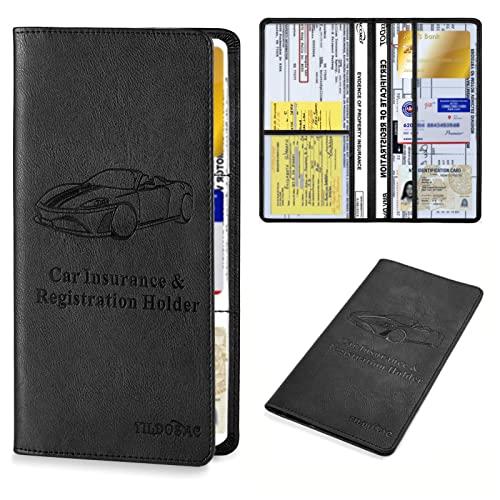
To ensure your crucial documents are safe and organized during this process, consider investing in a quality car title holder.


![ESSENTIAL Car Auto Insurance Registration BLACK Document Wallet Holders 2 Pack - [BUNDLE, 2pcs] - Automobile, Motorcycle, Truck, Trailer Vinyl ID Holder & Visor Storage - Strong Closure On Each -](https://m.media-amazon.com/images/I/41k-QvzFVuL.jpg "How to Sell a Car That Doesn't Run: 5 Best Options 4")

FAQs About Selling a Car That Doesn’t Run
How do you accurately value a car that doesn’t run?
Use online valuation tools like KBB.com, setting the car’s condition to “Poor” or the lowest available option. For a more accurate price, get multiple instant quotes from specialized online car buyers who factor in specific damage.
What is the easiest way to sell a non-running car?
The easiest way is to use a specialized online damaged car buyer. They provide instant quotes, handle all paperwork, offer free towing from your location, and often pay you on the spot within 24-48 hours.
Can I sell a non-running car to a dealership like CarMax?
While some dealerships might make an offer, they typically give very low prices for non-running cars as they specialize in vehicles they can easily resell. You will likely get a better cash offer from an online buyer or junkyard.
Do I need a title to sell a car that doesn’t run?
Yes, in most cases you need the vehicle’s title to prove legal ownership and complete the sale. If the title is lost or there’s a lien, you must resolve these issues before you can legally sell the car.
Final Summary: Choosing the Best Way to Sell Your Non-Running Car
Deciding how to sell a car that doesn’t run ultimately comes down to balancing your priorities between price, speed, and convenience. By first making an honest assessment of your car’s true condition and value, you can confidently choose the path that best fits your needs, turning what seems like a major problem into a straightforward solution.
- For Maximum Cash: A private sale or parting out the vehicle will yield the highest financial return, but requires the most time, effort, and, in the case of parting out, mechanical expertise.
- For Maximum Speed and Convenience: Specialized online buyers are the clear winners, offering a hassle-free experience with fast payment and free towing.
- For a Guaranteed, No-Questions-Asked Sale: A local junkyard will take any car in any condition, providing a quick but minimal cash payout.
Now that you know your options, take the first step by getting a free, no-obligation quote to see what your car is worth today
Last update on 2026-04-01 / Affiliate links / Images from Amazon Product Advertising API


![Dubai Luxury Cars: Ultimate Guide for Buying & Renting [year]](https://i0.wp.com/carxplorer.com/wp-content/uploads/2026/03/Dubai-Luxury-Cars-Ultimate-Guide-for-Buying-Renting-year-1.jpg?resize=60%2C60&ssl=1 "Dubai Luxury Cars: Ultimate Guide for Buying & Renting [year] 9")
![9 Old Luxury Cars: Cheap, Reliable & Built to Last [year]](https://i0.wp.com/carxplorer.com/wp-content/uploads/2026/03/9-Old-Luxury-Cars-Cheap-Reliable-Built-to-Last-year-1.jpg?resize=60%2C60&ssl=1 "9 Old Luxury Cars: Cheap, Reliable & Built to Last [year] 11")

![Luxury Cars White: 9 Elegant Designs & Top Models for [year]](https://i0.wp.com/carxplorer.com/wp-content/uploads/2026/03/Luxury-Cars-White-9-Elegant-Designs-Top-Models-for-year-1.jpg?resize=60%2C60&ssl=1 "Luxury Cars White: 9 Elegant Designs & Top Models for [year] 15")
![Blue Luxury Cars: 11 Stunning Models & Shades in [year]](https://i0.wp.com/carxplorer.com/wp-content/uploads/2026/03/Blue-Luxury-Cars-11-Stunning-Models-Shades-in-year-1.jpg?resize=60%2C60&ssl=1 "Blue Luxury Cars: 11 Stunning Models & Shades in [year] 17")