
It’s one of the worst things that can happen in your car. That sudden, sinking feeling when someone gets sick is a moment every driver dreads.
The vomit smell in a car is an urgent problem. This odor comes from acidic, organic matter that soaks into porous surfaces, creating a breeding ground for bacteria. You need a fast and effective solution.
To remove vomit smell from a car, you must immediately scrape away solids, blot up all liquid, and treat the area with a neutralizing cleaner. This guide will show you the exact steps using simple home remedies and professional-grade solutions.
Key Facts
- The Root Cause of the Odor: The persistent smell is caused by a combination of stomach acids and bacteria breaking down organic matter, which requires more than a simple wipe-down to eliminate.
- Immediate Action is Critical: Odor-causing bacteria can double in population in as little as 20 minutes in warm, moist conditions, making speed the single most important factor in successful cleanup.
- Neutralization Beats Masking: Industry best practices show that air fresheners only cover the smell temporarily. Effective removal requires a cleaner that neutralizes or digests the acidic, organic source of the odor.
- Enzymatic Cleaners Are the Professional’s Choice: For the most effective and permanent odor removal, professional auto detailers overwhelmingly recommend enzymatic cleaners, which use proteins to chemically break down and eliminate the smell’s source.
- Material Matters: The cleaning process is highly dependent on the surface. Porous materials like fabric require deep cleaning, while non-porous leather needs a gentler, surface-level approach to prevent damage.
What Should You Do Immediately After Someone Vomits in Your Car?
Immediately after someone vomits in a car, you must safely pull over, open all windows for ventilation, scrape away all solid materials, and then blot the area with absorbent towels to remove as much liquid as possible before it soaks in. This initial triage is the most critical phase for preventing a lingering odor. Acting within the first 15 minutes can save you hours of deep cleaning later. The goal is damage control: get the bulk of the material out before it has a chance to penetrate deep into the seat foam or carpet fibers.

Here is your emergency checklist for the first few minutes after the incident:
- Safely Pull Over and Ventilate: Your first priority is safety. Find a safe place to stop the car. Then, open all the doors and windows to begin airing out the vehicle and protect yourself from the powerful fumes.
- Remove All Solid Matter: Put on gloves if you have them. Use a plastic scraper, a spoon, paper plates, or even a wad of paper towels to gently scrape up and remove all the solid components of the vomit. Place everything into a disposable plastic bag and seal it.
- Blot, Do Not Scrub: Take clean, dry, and absorbent towels or paper towels and press them firmly into the wet area. The goal is to blot and absorb as much liquid as you can. Avoid the instinct to scrub or wipe, as this will only push the acidic liquid deeper into the upholstery fibers, making the odor source harder to reach.
- Prepare for Cleaning: Once you’ve removed as much physical material as possible, you are ready to move on to the cleaning and deodorizing phase. The next step is to gather the right supplies to neutralize what’s left.
What Cleaning Supplies Do You Need to Remove Vomit Smell?
To effectively clean vomit from a car, you will need basic supplies like gloves and microfiber towels, along with cleaning agents like white vinegar and baking soda for a DIY approach, or a specialized enzymatic cleaner for the most powerful results. Having the right tools on hand before you begin makes the process faster and more effective.
Here is a consolidated checklist of what you’ll need, broken down by category.
Essential Supplies:
- Rubber or Disposable Gloves: Protect your hands from the mess and any cleaning chemicals.
- Microfiber Towels or Paper Towels: Highly absorbent and perfect for the crucial blotting step.
- Plastic Scraper or Spoon: For removing solid matter without grinding it into the fabric.
- Scrub Brush: A soft-bristled brush is best to agitate cleaners without damaging upholstery.
- Spray Bottle: For applying DIY cleaning solutions evenly.
- Wet/Dry Vacuum (Optional but Recommended): For extracting moisture and cleaning solution deep from the upholstery.
- Plastic Bags: For safe and sealed disposal of the vomit and used cleaning materials.
DIY Solution Ingredients:
- Baking Soda: A fantastic natural odor absorbent and neutralizing agent.
- White Vinegar: The acid in vinegar effectively neutralizes and disinfects odor-causing bacteria.
- Water: For diluting the vinegar and for rinsing.
Professional-Grade Options:
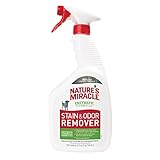
- Enzymatic Cleaner: This is the most effective type of cleaner, as it uses enzymes to chemically break down and “digest” the organic matter causing the smell.
How Do You Clean Vomit from Fabric Car Seats and Carpets?
To clean vomit from fabric seats, first treat the area with a 50/50 white vinegar and water solution, blotting it up after about 10 minutes. Once the area is just damp, cover it with a thick layer of baking soda for several hours to absorb the remaining moisture and odor, then vacuum thoroughly. This two-part approach attacks the odor on multiple fronts: the vinegar neutralizes the bacteria, and the baking soda absorbs the residual mess.
Fabric upholstery is porous, which means liquids soak into it quickly. That’s why a surface wipe is never enough. You must use a method that can penetrate the fibers and treat the source of the smell. We’ll cover two highly effective methods: a powerful DIY solution for immediate action and the professional’s choice for guaranteed results.
How Can You Use a DIY Vinegar and Baking Soda Solution?
This method is the go-to home remedy because it uses common, inexpensive household items that are surprisingly effective, especially on fresh incidents. The vinegar’s acidity neutralizes the odor, and the baking soda pulls out the moisture and any lingering smell.
Safety First: Always test any cleaning solution on a small, hidden area of your upholstery first (like under the seat) to ensure it doesn’t cause any discoloration.
Here are the steps to follow:
- Create Your Cleaning Solution: Mix a solution of 50% white vinegar and 50% water in a clean spray bottle.
- Apply the Solution: Lightly spray the affected area. Don’t oversaturate it; you want the surface to be damp, not soaking wet.
- Let it Dwell: Allow the vinegar solution to sit on the stain for 10-15 minutes. This gives the acid time to work on neutralizing the odor-causing bacteria. Don’t worry, the vinegar smell is temporary and will disappear as it dries.
- Blot Thoroughly: Take a clean, dry microfiber towel and firmly blot the area to absorb the vinegar solution and the vomit it has loosened.
- Apply Baking Soda: While the spot is still slightly damp, sprinkle a generous layer of baking soda over the entire area. The layer should be thick enough that you can’t see the fabric underneath.
- Wait Patiently: Let the baking soda sit for at least four hours, but for best results, leave it overnight. It will absorb the remaining moisture and any lingering acidic odors.
- Vacuum Completely: Use a vacuum with a hose attachment to thoroughly suck up all the dried baking soda.
Why Is an Enzymatic Cleaner the Most Effective Option?
An enzymatic cleaner is the most effective solution for vomit because it contains specialized proteins (enzymes) that chemically break down and digest the organic matter in the vomit. Instead of just masking or neutralizing the smell, it physically eliminates the food source for the odor-causing bacteria, permanently removing the odor at its source.
While home remedies are good, they sometimes struggle with severe or older stains. An enzymatic cleaner is the professional-grade solution that guarantees removal. Think of the enzymes as microscopic helpers that “eat” the stain and smell until nothing is left.
For this type of cleaner to work, one principle is key: dwell time. You have to give the enzymes time to do their job.
- Choose a Quality Cleaner: Look for a product specifically rated for pet stains, urine, or organic odors.
- Apply Liberally: Following the product’s directions, spray the cleaner to fully saturate the stained area. You need to ensure the cleaner reaches as deep as the vomit did.
- Let it Dwell: This is the most important step. Let the cleaner sit for the time recommended on the label, often between 30 and 60 minutes. For tough odors, you can cover the area with a damp towel to keep the enzymes active for longer.
- Blot Dry: After the dwell time, use a clean towel to blot the area dry. There is usually no need to rinse these types of cleaners.
- Air Dry: Allow the area to air dry completely. The odor should be completely gone once the spot is fully dry.
How Should You Treat Vomit on Leather Seats and Hard Surfaces?
To clean vomit from leather seats, wipe up the material immediately, then use a pH-neutral leather cleaner on a microfiber cloth to gently clean the area, and dry it with a separate towel. Crucially, you must follow up with a leather conditioner to restore moisture and prevent the leather from drying out and cracking. Unlike fabric, leather is a non-porous surface, so the primary goal is to clean it safely without damaging its protective finish.
Using the wrong products on leather or hard plastics can cause permanent damage, discoloration, or drying. Never use vinegar, bleach, or other harsh chemicals on your leather interior.
Follow this leather-safe process:
- Immediate Wipe-Down: After removing the solids, use a damp (not soaking wet) microfiber cloth to wipe away any remaining residue from the leather surface. For plastics and trim, a simple all-purpose interior cleaner works well.
- Use a Dedicated Leather Cleaner: Spray a small amount of a pH-neutral leather cleaner onto a clean microfiber cloth, not directly onto the seat.
- Clean Gently: Gently wipe the affected area of the leather. If the vomit is in the seams or textured grain, use a soft-bristled interior brush to lightly agitate the cleaner.
- Wipe and Dry: Use a second, clean damp cloth to wipe away any cleaner residue. Then, immediately dry the area with a third, dry towel. Leaving moisture on leather is not recommended.
- Apply Leather Conditioner: This final step is vital. Apply a small amount of quality leather conditioner to a microfiber applicator pad and work it into the area you just cleaned. This replenishes the oils in the leather, keeping it soft and preventing it from becoming brittle.
WARNING: Avoid using abrasive brushes, magic erasers, or all-purpose cleaners not designed for automotive leather. These can strip the protective top coat, leading to fading and cracking over time.
What Advanced Options Can Remove a Stubborn, Lingering Vomit Smell?
For stubborn vomit smells, advanced options include using a steam cleaner to sanitize and deep clean seat foam, or an ozone generator which releases O3 gas to chemically destroy odor molecules throughout the car. If you’ve cleaned the surface thoroughly but a sour smell returns, it means the contaminant has soaked deep into the seat cushion or even your car’s ventilation system.
Sometimes, even with the best cleaning efforts, a faint smell remains, especially on hot days. This calls for more powerful, professional-grade tools to eradicate the last traces of the odor.
| Method | How It Works | Best For… | Safety Note |
|---|---|---|---|
| Steam Cleaning | Uses hot vapor to kill bacteria and lift stains from deep within fibers. | Deep-cleaning fabric seats and carpets after the source is removed. | Can be too hot for some delicate plastics or leather. |
| Ozone Generator | Fills the car with O3 gas, which destroys odor molecules in the air and on surfaces. | Eradicating the final, lingering airborne odor after a thorough physical cleaning. | CRITICAL: Car must be unoccupied. Must air out for hours after. |
| Professional Detailing | Experts use a combination of tools, chemicals, and techniques. | Severe cases, when DIY fails, or if you lack the time/stomach for the job. | Choose a reputable detailer with experience in odor removal. |
Another often-overlooked source of lingering smells is the cabin air filter. This filter cleans the air that enters your car’s HVAC system and can trap odor particles. If the smell is strongest when your fan is running, replacing the cabin air filter is a simple and inexpensive step that can make a huge difference.
FAQs About how to remove vomit smell from car
How long does it take for vomit smell to go away?
If treated thoroughly within a few hours, the smell can be gone in 1-2 days once the area is fully dry. If left untreated, the odor-causing bacteria will multiply, and the smell can persist for weeks or even months, becoming much worse in warm weather. Immediate and deep cleaning is the key to a fast recovery.
Can I just use Febreze or an air freshener to get rid of the smell?
No, using an air freshener alone is a bad idea. Products like Febreze only mask the odor temporarily. The bacteria causing the smell will continue to grow underneath, and the smell will return, often combining with the fragrance to create an even more unpleasant odor. You must clean the source first.
What is the best way to clean vomit from a child’s car seat?
You must follow the manufacturer’s specific cleaning instructions to ensure safety. Typically, this involves removing the fabric cover and machine washing it on a gentle cycle. The plastic shell and harness straps should only be spot-cleaned with mild soap and water, as harsh chemicals or submerging straps can compromise their integrity and safety.
My car still smells after I cleaned it. What should I do now?
A lingering smell means the vomit soaked deeper into the seat cushion than your surface cleaning could reach. The next step is a deeper cleaning using a wet/dry vac or steam cleaner to extract the contaminant from the foam. If the smell is airborne after deep cleaning, an ozone treatment may be necessary to eliminate the final traces.
How do I get vomit smell out of my car’s air vents?
If the smell is strongest when the fan is on, it’s in the HVAC system. Start by replacing the cabin air filter. Then, use a dedicated car vent and duct deodorizing spray, which is typically sprayed into the exterior air intake vents while the fan is running on high to circulate it through the entire system.
Key Takeaways: How to Remove Vomit Smell From Car Summary
- Act Immediately: The single most important factor is speed. Scrape solids and blot liquids within minutes to prevent the vomit from soaking deep into upholstery fibers.
- Clean the Source, Don’t Mask the Smell: Air fresheners only cover the odor temporarily. You must use a cleaning agent to neutralize or remove the underlying organic matter causing the smell.
- Enzymatic Cleaners Are a Professional’s Secret Weapon: For the most effective and permanent odor removal, an enzymatic cleaner is superior because it uses proteins to digest the source of the smell.
- Match the Method to the Material: Fabric requires deep cleaning and extraction, while leather needs a gentle, pH-neutral cleaner followed by a conditioner to prevent damage. Never use the same aggressive process on both.
- Blot, Don’t Scrub: Vigorously scrubbing a fabric surface will only push the vomit deeper into the seat foam, making the problem much harder to solve. Always use a firm blotting motion.
- Dryness and Ventilation Are Crucial: After cleaning, the area must be dried completely to prevent mold and mildew. Use fans and open windows to ventilate the car thoroughly.
Final Thoughts on Restoring Your Car’s Interior
Dealing with vomit in your car is an undeniably unpleasant experience, but it is a solvable problem. By acting quickly, cleaning the source thoroughly instead of just masking the scent, and using the right products for your car’s specific interior, you can completely eliminate the odor and restore your vehicle’s freshness.
Patience is key, especially during the drying phase. Rushing the process can lead to lingering smells or mildew. The most important takeaway is that you have a clear process to follow. To be prepared for the future, consider creating a small “car sickness kit” with plastic bags, wipes, and a travel-sized enzymatic cleaner to keep in your trunk. With the right approach, you can confidently handle this unfortunate situation and get back to enjoying your ride.
Last update on 2026-04-26 / Affiliate links / Images from Amazon Product Advertising API


