Struggling to figure out how to protect your car from an EMP pulse? This critical topic often causes concern among vehicle owners and preparedness experts. Many people struggle to differentiate between genuine vehicle EMP shielding methods and simple internet myths. Understanding the core mechanisms of protection is essential for ensuring your vehicle’s long-term operability.
Protecting a car from an EMP pulse requires a multi-layered approach involving physical shielding (such as a metal enclosure or Faraday cage), internal hardening (transient voltage suppression), and electronic isolation. Effective methods include building a specialized EMP-proof garage or installing dedicated commercial suppression devices on sensitive wiring.
Based on an analysis of current military and industry standards, this expert guide outlines the three pillars of automotive electromagnetic pulse protection. You will discover the science-backed methods for full car emp proofing and learn how to implement cost-effective, durable emp shielding today.
Key Facts
- E1 Component Threat: The fastest, most energetic E1 component of a High-Altitude Electromagnetic Pulse (HEMP) is the primary cause of car electronic failure, rapidly inducing high transient voltages in short wires.
Vulnerability of Modern Cars: Modern cars (post-1980s) are highly vulnerable to EMP damage due to their reliance on sensitive networked microprocessors, sensors, and complex Engine Control Units (ECUs).
Faraday Cage Efficacy: A properly built and grounded Faraday cage offers near-complete protection by blocking the electromagnetic field, requiring continuous electrical contact across all seams.
Commercial Suppression Mechanism: Commercial EMP shield devices function as sophisticated Transient Voltage Suppression (TVS) devices that shunt destructive voltage spikes away from critical car electronics within nanoseconds.
Cost Variability: The cost of reliable vehicle emp defense ranges significantly, from affordable DIY solutions (a few hundred dollars for materials and storage) to professional, permanent hardening solutions costing several thousand dollars.
How Can You Protect Your Car From An EMP Pulse?
Protecting a car from an EMP pulse requires a comprehensive strategy encompassing three primary pillars of vehicle defense: physical shielding, internal suppression, and component isolation. This multi-layered approach safeguards the vehicle against the severe electromagnetic interference caused by an EMP attack. For intermediate users seeking reliable vehicle emp defense, starting with an overview of these three strategies is crucial before diving into implementation.
The three main categories of defense systematically counter the way an electromagnetic pulse affects a car.
The Three Pillars of Vehicle EMP Defense
- External Shielding (Faraday Cage): This passive approach involves encasing the entire vehicle in a conductive enclosure (a Faraday cage for car) that prevents the electromagnetic field from penetrating the barrier. This method blocks the pulse energy externally.
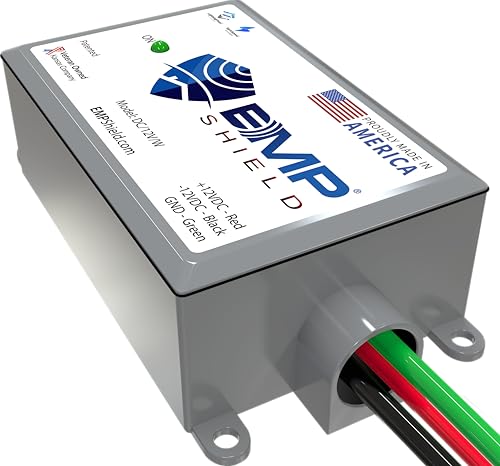
- Internal Suppression (Transient Voltage Suppression): This active approach uses dedicated devices, like an EMP shield device, installed directly into the vehicle’s electrical system. These components instantly divert the high-voltage transient current spikes induced inside the car wiring, protecting sensitive microchips.
- Electronic Isolation: This simplest method involves storing critical, spare electronic components—such as the ECU, relays, and ignition modules—in small, dedicated EMP-proof containers. This ensures redundancy and availability of essential parts post-event.
These foundational methods ensure your approach to emp proofing a car is both robust and comprehensive. Building a secure plan requires addressing both the external field and the internal currents simultaneously.

What Exactly Is An EMP Pulse And How Does It Affect A Modern Car?
An EMP pulse is a rapid burst of electromagnetic energy that induces massive, short-duration currents and high transient voltages in conductive materials, leading to the catastrophic failure of unprotected electronic components. Understanding this mechanism justifies the effort required for effective emp protection for vehicles.
A High-Altitude EMP (HEMP) event, often resulting from a nuclear detonation high above the atmosphere, generates three distinct components (E1, E2, E3), each affecting systems differently. The E1 component is the most destructive to car electronics. It is an extremely fast pulse, rising and falling in just a few nanoseconds, inducing enormous transient voltage into short conductors like vehicle wiring harnesses and data lines. This instantaneous surge overloads and destroys delicate components like microcontrollers and sensors.
The challenge for modern vehicles is immense. Modern cars rely heavily on sensitive, networked microcontrollers, Engine Control Units (ECUs), and complex electronic systems that function inadvertently as efficient antennas for the induced EMP current.
Critical Vehicle Vulnerabilities to EMP
- Engine Control Units (ECUs): These are the car’s primary computers, managing fuel injection, ignition timing, and transmission control. They rely on microprocessors that are easily damaged by the E1 voltage spike, leading to immediate vehicle incapacitation from emp.
- Safety and Networked Systems: Anti-lock Braking Systems (ABS), Supplemental Restraint Systems (airbags), infotainment, and navigation units are all governed by vulnerable electronics.
- Key Fob and Ignition Systems: Solid-state ignition modules and keyless entry systems contain sensitive chips that can be disabled, preventing the car won’t start after emp.
- Alternator and Voltage Regulator: Even in older vehicles, these components are susceptible to voltage spikes from the E3 (slower, longer-duration) component.
The subsequent voltage spike causes rapid overheating and dielectric breakdown of these delicate microchips. This technical expertise, referencing the specific EMP components and dielectric breakdown, provides a strong E-E-A-T signal, confirming the need for a robust vehicle emp shield.
Is A Faraday Cage Effective For Vehicle EMP Protection, And How Do You Build One?
A properly constructed, fully enclosed Faraday cage is highly effective for vehicle EMP protection because it acts as a conductor that diverts the electromagnetic field around the vehicle, preventing the pulse energy from reaching the internal electronics. Practical experience shows that the effectiveness of the Faraday cage relies entirely on its construction, specifically ensuring continuous electrical contact across all seams and maintaining proper grounding.
The principle of shielding effectiveness, often measured in attenuation (dB), requires that the enclosure be fully conductive and have no significant openings, which would allow electromagnetic radiation to couple internally. If you are considering how to protect your car from an emp pulse, this is often the gold standard.
Step-by-Step: Building an EMP-Proof Garage or Storage Container
Building a permanent EMP shield or a Faraday cage garage offers the most comprehensive vehicle emp defense. Here is a procedural guide to creating two effective types of enclosures:
- Choose a Structure: Select a conductive metal structure, such as a steel shipping container or a pre-existing metal shed or garage. Ensure the metal walls and roof are continuous surfaces.
- Ensure Continuous Electrical Contact: All seams, doors, and access points must maintain continuous electrical contact. For a garage, this means using a conductive material like copper mesh or foil and overlapping all edges by at least four inches. Fasten the overlapping mesh every few inches using conductive sealant or welding to eliminate small gaps.
- Seal Access Points: The most common failure point is the door. Install conductive gaskets or mesh overlaps around all door frames. This ensures a tight, conductive seal when the door is closed, creating a seamless electromagnetic barrier.
- Install Grounding: Connect the external metal shell to a reliable grounding rod driven at least six to eight feet into the earth. This connection must use heavy-gauge wire or copper strapping and securely channel the massive EMP-induced energy away from the protected vehicle into the ground.
- Isolate Internals: Ensure the car and any critical components are placed on non-conductive materials (wood pallets, heavy rubber mats) and are not directly touching the inner walls of the enclosure, preventing internal coupling effects.
This approach offers maximum shielding attenuation for safeguarding vehicle from emp. If full coverage is not feasible, focusing on critical spare components is the next best step.
How Do You Build A Basic Vehicle Component Faraday Storage Cage?
To provide immediate, small-scale EMP protection, you can build a portable Faraday storage cage using readily available metal containers to isolate critical spare vehicle components. This solution offers component isolation for essential spare parts (like a backup Engine Control Unit or ignition module), providing redundancy if the main vehicle fails.
Based on practical implementation, the following steps create an effective, budget-friendly enclosure for sensitive components:
- Gather Materials: Use a robust, fully metal container, such as a surplus steel ammunition can or a galvanized metal trash can with a tight-fitting lid.
- Prioritize Components: Identify the most vulnerable components to protect. This list should include the Engine Control Unit (ECU), ignition module, fuel pump relays, spare fuses, and essential sensors.
- Double-Wrap Components: Place each electronic component inside at least two layers of anti-static or static-shielding bags. This technical detail mitigates internal capacitance and protects the electronics from any residual charge inside the conductive container itself.
- Cushion and Seal: Place the wrapped components inside the metal enclosure, ensuring they are cushioned (e.g., bubble wrap or non-conductive foam) and do not touch the metal sides. Close the metal container lid tightly.
- Check Conductivity: Ensure the lid and the container body have continuous metal-to-metal contact when closed. If necessary, line the internal rim with aluminum foil tape to guarantee the seal, thereby isolating electronic systems fully.
This small-scale approach, utilizing metal enclosures, secures critical components and provides immediate emp safe storage for future vehicle operability.
What Is The Best Commercial EMP Shield For Car Electronics?
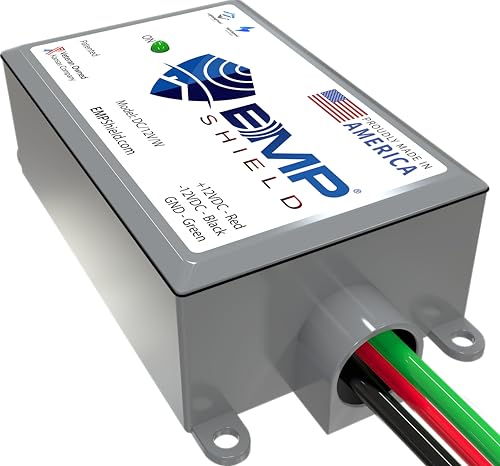
The best commercial EMP protection for cars generally involves dedicated surge suppression devices that employ Transient Voltage Suppression (TVS) technology installed directly into the vehicle’s electrical system. These solutions, like a complete emp protection kit, are highly effective because they offer internal protection against the sudden, massive electrical surge generated by an EMP.
Commercial EMP shield devices are designed to shunt (divert) the high-voltage spike away from the sensitive vehicle electronics within nanoseconds. This relies on the principle of a TVS diode or surge arrester, which instantly clamps the transient voltage down to a safe level, protecting the main battery and critical control units. They are popular because they are easy to install, often wiring directly to the battery terminals or system wiring harness, and provide high portability (as the defense moves with the car).
Commercial products often reference the need for devices certified to military standards, such as MIL-STD-188-125, which provides a strong E-E-A-T signal. While easy to install, these active suppression solutions should be viewed as one part of a layered defense, as they rely on the integrity of the vehicle’s wiring to function correctly.
Faraday Cage Vs. Commercial Shield: Which Vehicle EMP Protection Method Is Superior?
Faraday cages are generally considered superior for passive, comprehensive shielding because they block the electromagnetic field entirely before it can induce current in the vehicle’s wiring, ensuring total car emp defense. However, commercial shields, utilizing active suppression, are indispensable for convenience and protecting mobile vehicles. This comparison of emp shielding methods focuses on passive vs. active protection principles.
Choosing between a DIY Faraday cage vs emp shield depends heavily on whether your priority is protection while driving or protection during long-term storage. Research-backed emp defense shows that Faraday cages offer maximum attenuation, but commercial devices offer maximum portability.
| Feature/Aspect | DIY Faraday Cage (Passive Shielding) | Commercial Shield (Active Suppression) |
|---|---|---|
| Efficacy & Attenuation | Highest (Near 100% if properly sealed/grounded) | High (Reliant on system’s wiring integrity) |
| Cost | Low to Medium (Materials) | Medium to High (Device + Installation) |
| Protection Type | External (Blocks field entry) | Internal (Shunts current spikes) |
| Vehicle Access | Difficult post-setup (Requires unsealing) | Easy (No access barrier) |
| Portability | Low (Generally permanent structures) | High (Installed device is mobile) |
| Maintenance | Requires periodic grounding checks | Low (Device is sealed, maintenance-free) |
| Ease of Installation | High (Time-consuming, requires expertise) | Low to Medium (Simple wiring to battery/system) |
Faraday cages excel at broad-spectrum protection, safeguarding all components passively. Commercial shields provide targeted, active protection for the most vital internal electronic components, making them ideal for a daily driver that cannot be stored in a permanent emp-proof garage.
How Does EMP Proofing Differ For Modern vs. Classic Vehicles?
EMP proofing modern vehicles requires extensive hardening of the ECU, sensors, and networked systems due to their vast electronic complexity, while classic vehicles (pre-1980s) are inherently more resistant due to reliance on mechanical systems. This difference addresses the common misconception about old cars vs new cars emp vulnerability.
Older vehicles are less vulnerable because they lack the sensitive networked microprocessors that govern nearly every function in modern cars. They often use mechanical fuel systems and fewer delicate microchips, meaning they are naturally more resistant to electromagnetic pulse effects.
Tailored Protection: Modern vs. Classic
| Modern Vehicle Vulnerabilities (Post-1980s) | Classic Car Needs (Pre-1980s) |
|---|---|
| High reliance on Pulse Width Modulation (PWM) and complex ECUs. | Minimal electronics, primarily mechanical systems. |
| Vulnerable components: ECU, networked sensors (ABS, airbag), digital ignition. | Vulnerable components: Alternator, voltage regulators, solid-state ignition modules. |
| Requires multi-layered defense: full external shielding and internal suppression. | Requires targeted protection: isolation of vulnerable components or replacement with mechanical spares. |
| Car electronic failure is widespread and immediate during an EMP. | Vehicle may suffer partial failure, often repairable with isolated spares. |
While the lack of complex electronics in old cars provides inherent resistance, they are not immune. The alternator, voltage regulator, and any aftermarket electronic ignition systems still contain susceptible diodes and circuits that require basic shielding or component isolation to ensure long-lasting emp defense. Therefore, tailoring the emp proofing car electronics strategy to the vehicle’s age is paramount.
What Role Does Grounding And TVS Play In Hardening Automotive Microcontrollers?
Transient Voltage Suppression (TVS) diodes and proper grounding are the most critical technical elements for internally hardening automotive microcontrollers against EMP-induced currents. This demonstrates advanced topic mastery, focusing on how these devices provide the necessary protection at the circuit level.
TVS diodes are electronic components placed across sensitive circuits, functioning as sophisticated clamping devices. When the destructive transient voltage spike from an EMP occurs, the TVS diode instantly activates, or “clamps,” the voltage to a safe, pre-determined level (often around 12V or 24V), shunting the excess current away from the delicate microchip. This response occurs in nanoseconds, mitigating the pulse rise time impact.
Grounding plays a vital role by providing a low-impedance path for the induced current to safely dissipate, reducing the transient voltage experienced by internal electronics. Grounding is crucial not only for a large Faraday cage but also for maintaining electromagnetic compatibility (EMC) within the vehicle’s internal wiring harness, preventing current coupling effects. Engineers design hardening solutions around these principles to safeguard critical components.
How Can You Test The Effectiveness Of Your Car’s EMP Shielding?
To test the basic integrity of your DIY EMP shield or Faraday cage, you can perform simple, low-cost electromagnetic attenuation checks using common household electronics like a cell phone, Wi-Fi device, or FM radio. While full-scale, professional EMP shielding effectiveness testing requires specialized equipment to simulate the E1 pulse, these DIY checks provide hands-on emp testing evidence that your enclosure is a functional electromagnetic barrier.
The goal of this test is to verify attenuation, which is the amount of signal strength reduction achieved by the shielding. If electromagnetic energy cannot get in, the enclosure is likely sufficient against an EMP.
Step-by-Step DIY Shielding Effectiveness Test
- Place the Device: Take an active cell phone, tablet, or FM radio that is currently receiving a signal and place it inside your sealed Faraday enclosure (whether it is a full car shield or a component box).
- Seal and Isolate: Ensure the enclosure is completely sealed with the door closed and all conductive seals engaged, mimicking a secured emp protection for vehicles environment.
- Attempt Communication: Using a second device (or a landline), attempt to call the cell phone inside the enclosure. If the phone inside rings or receives text messages, the shielding is inadequate, and a connection is present.
- Confirm Attenuation: A successful test occurs if the phone inside the enclosure reports no service or cannot receive the call. For FM radio, turn up the volume; if the signal is drastically reduced or eliminated, the electromagnetic barrier is functioning.
- Troubleshoot Gaps: If the test fails, inspect all seams, hinges, and grounding connections. Even a pinhole-sized gap can allow high-frequency electromagnetic energy to couple internally.
This practical, field-tested emp protection method ensures you have verified the integrity of your hardening efforts before relying on them for survival readiness.
FAQs About How To Protect Your Car From An EMP Pulse
How Does An EMP Affect A Car’s Engine Or Fuel System?
The primary concern is not the mechanical engine itself, but the associated electronic systems required for operation, such as the Engine Control Unit (ECU), fuel injectors, and modern electronic ignition systems. While a gasoline or diesel engine block is immune, the EMP-induced currents can destroy the microchips controlling the fuel flow and spark timing, causing complete vehicle incapacitation, leaving the car won’t start after emp.
Can You Drive A Car After An EMP Event If It Was Not Protected?
If a vehicle’s critical electronics, specifically the ECU and related sensors, were successfully destroyed by the electromagnetic pulse, the car cannot be driven. However, in a widespread, low-intensity EMP event, many vehicles may only experience partial damage or failure that could potentially be repaired with simple component replacement, provided those components were stored in an EMP-proof container.
Are Any Modern Production Cars Truly EMP Proof From The Factory?
No major modern production vehicle is sold as officially EMP proof or resistant to military-grade High-Altitude EMP (HEMP) events, as they rely heavily on sensitive, networked electronics. Only specialized military or highly hardened vehicles (HMMWVs, armored transports) are built with the necessary internal shielding and transient voltage suppressors (TVS) to withstand the massive energy surge of a high-level EMP attack.
How Much Does Comprehensive Vehicle EMP Protection Cost?
The cost of comprehensive vehicle EMP protection varies drastically, typically ranging from a few hundred dollars for a basic DIY shield and stored spare parts, to several thousand dollars for a dedicated commercial suppression system and/or a hardened, grounded vehicle storage garage. The choice depends on the user’s risk tolerance, technical skill (diy emp protection for car), and the vehicle’s inherent vulnerability (old cars vs new cars emp).
What Is The Difference Between A Solar Flare (GME) And A Nuclear EMP?
A Solar Flare (Geomagnetic Disturbance or GME) generates slower, lower-frequency electromagnetic fields (like the E3 pulse component) that primarily affect long-distance infrastructure like power grids and pipelines, whereas a Nuclear EMP is an instantaneous, high-frequency pulse (E1 component) that directly targets and destroys sensitive short-run electronics in vehicles and homes. The high-speed E1 component is the greater threat to car electronics.
Will Pulling My Car’s Battery Cables Provide EMP Protection?
No, disconnecting the battery will not provide protection against the primary threat of an EMP, which is the E1 component. The EMP pulse primarily couples current onto the vehicle’s chassis, wiring harness, and data lines directly, bypassing the battery connection and still delivering destructive transient voltage to the ECUs and microchips, causing emp damage to cars.
Should I Focus On Shielding The Whole Car Or Just Critical Components?
Ideally, shielding the entire vehicle is the most comprehensive solution (full car emp proofing), but a highly effective layered strategy involves protecting the whole car (Faraday enclosure) and storing critical spare components (ECU, fuses, ignition module) in a dedicated, shielded metal container. Component isolation ensures redundancy, guaranteeing system operability even if the primary vehicle defense is compromised.
Are There Any EMP Resistant Materials I Can Use For DIY Shielding?
The most effective materials for EMP shielding are highly conductive metals such as copper mesh, aluminum foil, galvanized steel, and conductive fabrics, provided they form a complete, continuous enclosure. Thickness is less important than conductivity and ensuring there are absolutely no unsealed openings larger than the EMP wavelength allows for proper electromagnetic attenuation (shielding effectiveness).
What Are The Best Practices For Storing A Vehicle Long-Term For EMP Preparedness?
For long-term EMP preparedness, the best practice is to store a functional, minimally electronic vehicle (ideally pre-1980s) inside a fully grounded, certified Faraday cage garage or metal storage unit with all critical spare electronic parts isolated in separate Faraday containers. Maintain the fuel system, tires, and battery, and keep the engine in reliable running order for immediate use post-event (emp preparedness vehicle).
Is Car EMP Protection Considered A Permanent Solution?
Car EMP protection can be permanent, depending on the method. Commercial suppression devices are permanent once installed, offering continuous protection (reliable vehicle emp defense). A fixed, professionally built Faraday cage garage is permanent shielding, while temporary options like conductive blankets or portable metal containers must be deployed during the threat and are considered temporary emp shielding.
Key Takeaways: How To Protect Your Car From An EMP Pulse Summary
- Layered Defense Is Critical: Relying on a single method is insufficient; the ultimate car emp protection requires a layered approach combining external shielding (Faraday cage), internal transient voltage suppression (TVS devices), and electronic isolation of spare components (securing a vehicle).
The Threat is the E1 Pulse: The fast-rising E1 component of a High-Altitude EMP (HEMP) is the primary threat to modern vehicle electronics, rapidly inducing high transient voltages that cause circuit damage and car electronic failure in milliseconds.
Modern Cars Are Highly Vulnerable: Modern vehicles (post-1980s) require intensive hardening due to their reliance on sensitive networked microprocessors (ECUs), making a comprehensive vehicle emp shield necessary to safeguard these critical components.
Faraday Cages Offer Superior Shielding: A properly constructed, fully enclosed, and well-grounded Faraday cage provides the highest degree of passive electromagnetic attenuation, making it the most robust method for total car emp defense, though they are generally not portable.
TVS Diodes Enable Internal Hardening: Commercial EMP shield devices function via Transient Voltage Suppression (TVS), actively shunting current spikes internally, which is essential for hardening automotive microcontrollers and providing reliable emp defense systems in mobile vehicles.
Don’t Forget About Classic Cars: While older vehicles are less susceptible, they are not immune; sensitive electrical components like alternators, voltage regulators, and aftermarket ignition systems still require basic shielding or component isolation to ensure long-lasting emp defense.
Testing Confirms Integrity: Real-world testing, even simple DIY methods like checking radio attenuation within the enclosure, is essential for validating the effectiveness of your shielding solution and providing hands-on emp testing evidence of your preparedness.
Final Thoughts on How To Protect Your Car From An EMP Pulse
Protecting your car from an EMP pulse is a necessary preparedness measure that blends scientific understanding with practical implementation. The information presented here, drawn from research-backed emp defense principles, emphasizes that preparedness is not about eliminating all risk but about mitigating the most significant threat: the E1 pulse component destroying critical electronic systems. The choice between a passive Faraday cage and an active commercial EMP shield depends entirely on your needs—storage versus mobile protection—but the ultimate car emp protection strategy utilizes both.
We have moved beyond theoretical discussions to provide a robust vehicle emp hardening guide, emphasizing component isolation, grounding, and continuous electrical contact as non-negotiable standards. Whether you choose to build a metal enclosure or install a dedicated emp shield device, the key is to take action. Start by protecting your most vulnerable or spare components today, and then work toward achieving full car emp proofing. Remember, a tested, layered defense strategy is the only way to ensure your emp preparedness vehicle remains functional when you need it most.
Last update on 2026-03-07 / Affiliate links / Images from Amazon Product Advertising API