
Are you tired of discovering shredded insulation and chewed wires when you pop the hood? Dealing with wire-chewing squirrels seeking shelter in your car is frustrating and potentially dangerous. This common problem impacts thousands of vehicle owners, often leading to costly and immediate repairs. You need reliable, proven strategies to protect your automotive wiring and stop this destructive behavior.
How to keep squirrels out of car: The most effective strategies for keeping squirrels out of a car involve a multi-pronged approach combining environmental control, physical exclusion barriers, and the rotation of sensory deterrents. This comprehensive plan denies the rodents warmth, shelter, and nesting materials, thereby making the vehicle an unattractive habitat.
From [years] of experience analyzing car pest control, we provide data-driven prevention methods and automotive expert tips. This guide reveals exactly how to implement integrated car protection strategies, covering everything from eliminating attractants to safely applying rodent deterrent tape.
Key Facts
- High Risk of Severe Damage: Damage caused by squirrels chewing car wires can often lead to electrical failures, engine misfires, and, in severe cases, dangerous fire risks.
- Soy-Based Wire Coatings: Many modern automotive wiring harnesses utilize soy-based insulation, which studies indicate is a major food-based attractant to gnawing rodents like squirrels and rats.
- Repair Costs are High: The cost to repair severe squirrel damage, especially to the main wiring harness or fuel lines, typically ranges from $300 to over $1,500 based on aggregated data analysis.
- Attraction to Warmth: Squirrels are most attracted to the engine bay during cold or wet weather, as residual engine heat provides critical shelter and warmth.
- Need for Gnawing: The chewing behavior is not solely for nesting; it is also a biological necessity for squirrels to maintain the length of their continuously growing incisor teeth, contributing to persistent wire chewing prevention challenges.
What Causes Squirrels to be Attracted to Cars and Wires?
Squirrels are primarily attracted to car engine bays for warmth, shelter, and readily available nesting materials like shredded insulation and wiring. The gnawing behavior helps maintain their continuously growing teeth and provides material for nests. This behavior explains why vehicle components, particularly car wires and plastic parts, become targets for these persistent animals.
Understanding the root cause of this intrusion is the first step in effective squirrel damage car prevention. Squirrels are often classified as destructive critters due to their need to gnaw. Scientific studies on urban wildlife behavior highlight three primary factors that draw squirrels and other rodents like mice and rats into the confined space of the engine bay:
- Warmth and Shelter: The engine compartment retains heat long after a vehicle is parked. In cold or wet weather, this makes the engine bay a highly desirable, dry, and warm environment, often signaling safety to a nesting animal.
- Nesting Materials: Squirrels and rodents require soft materials to build nests. Soft vehicle components like hood insulation, sound-dampening foam, and the spongy coatings of an automotive wiring harness are easily accessible and simple to shred into bedding.
- Food Source Attractants: The modern use of bio-renewable, soy-based insulation on some electrical components and hoses provides an attractive, unintentional food signal. Even residual food odors from nearby garbage or pet food can act as a lure, pulling the animals into the parking area.
Experienced mechanics often observe the severity of this issue firsthand. We know that these intrusions can be subtle at first, perhaps just requiring a basic car maintenance tip like clearing a few leaves. However, they can quickly escalate to major problems, such as a damaged oxygen sensor wire triggering a check engine light or even compromised fuel lines.

This engine bay protection issue is exacerbated in newer vehicles. While older cars used petroleum-based coatings, industry analysis reveals that the shift toward biodegradable, soy-based products means the wiring itself becomes a food lure. This material choice effectively makes the vehicle’s infrastructure more palatable to a wire-chewing squirrel. Always use caution when inspecting the engine area, as safety warnings dictate wearing protective gloves and ensuring the engine is cool.
What Specific Car Components Do Squirrels Damage Most Frequently?
The most frequent and costly car components damaged by squirrels are the spark plug wires, oxygen sensor lines, rubber hoses, and cabin air filters, often resulting in engine malfunctions. The enclosed space of the engine compartment provides easy access to these critical, soft-material components.
Based on practical implementation and mechanic insights, squirrels typically target the softest and most accessible materials necessary for their teeth maintenance or nest building. Recognizing the specific areas of vulnerability can guide your targeted prevention strategies.
- Ignition Cables and Spark Plug Wires: These high-voltage cables often have thick rubber or plastic insulation, making them prime gnawing targets. Damage here leads directly to engine misfires, rough idling, or failure to start. The repair often involves replacing the entire set of ignition cables (a key electrical component).
- Oxygen Sensor Wires: These thin wires are crucial for monitoring exhaust gases. When chewed, they send incorrect data to the vehicle’s computer, leading to illuminated check engine lights and reduced fuel efficiency.
- Hoses and Belts: Vacuum hoses, coolant hoses, and less commonly, serpentine belts, are vulnerable. Chewed coolant or vacuum hoses can lead to overheating, fluid leaks, and severe performance issues if not addressed immediately.
- Cabin Air Filters: Squirrels often gather shredded material here to construct nests in the blower motor or ventilation system. This results in poor cabin air quality and potentially restricted airflow.
- Fuel Lines: This is one of the most dangerous damage types. Squirrels chewing through rubber or plastic fuel lines can cause leaks, leading to a high fire risk in the hot engine bay. Professional repair for this is non-negotiable.
Practical experience shows that routinely checking your engine compartment for nesting materials like twigs, leaves, or shredded paper before driving, especially during cold months, is a powerful preventative measure. Addressing these specific areas provides immediate relief and focuses your car protection strategies.
How Can You Eliminate Environmental Attractants Around Your Car?
To reduce squirrel attraction to your car, you must remove all nearby food sources like unsecured trash cans and bird feeders, and ensure tree branches are trimmed away from the parking area. This habitat modification directly addresses external cues that lure destructive critters to your vehicle’s proximity.
Eliminating external attractants is a foundational step in squirrel proof car efforts, aligning with wildlife federation recommendations. Since squirrels follow established paths and scent trails, modifying their immediate habitat significantly reduces the likelihood of them reaching the vehicle. This step is a highly effective, low-cost measure of preventative maintenance for rodent intrusion.
Follow these priority action items for effective environmental control:
- Remove All Food Sources: Remove all food sources (pet food, unsecured garbage) immediately. Squirrels and other rodents have an excellent sense of smell. Move pet food indoors overnight. Secure garbage cans with locking lids and keep them far from the parking area. Even spilled pet food or grease drippings can act as a powerful lure, attracting rodents to the area.
- Trim Vegetation and Branches: Trim back any tree branches or overgrown bushes within ten feet of the parking spot. Squirrels use branches as aerial highways to access garages, carports, and even the tops of parked vehicles. Creating a clear 5-8 foot clearance barrier forces the animals to travel on the ground, making them more vulnerable and often discouraging approach.
- Clear Clutter and Debris: Clear clutter from the garage or parking area to eliminate hiding spots. Piles of wood, yard debris, storage boxes, or old tires provide excellent shelter and nesting sites for rodents near your car. A clean, open environment offers less cover and reduces the perception of safety.
- Use Your Vehicle Regularly: Use your vehicle regularly to disturb any potential nesting. Frequent use introduces noise, vibration, and heat, which discourages squirrels from settling in the engine bay. If parking for an extended period, open the hood daily to disrupt nesting efforts.
How Should You Store Pet Food and Bird Seed to Minimize Rodent Risk?
Pet food and bird seed should be stored in thick metal or heavy-duty plastic containers with tightly sealing lids, preferably indoors or in a secure shed away from the vehicle and immediate perimeter. Improper storage of these items is one of the most common causes of rodent infestation near cars.
The biggest challenge with outdoor food sources is seed spillage. Even small amounts of dropped bird seed or pet kibble provide a significant calorie source that encourages squirrels to colonize the area. This continuous food signal overrides other deter squirrels from car methods.
Here are the best practices for securing common outdoor food attractants:
- Use Chew-Proof Containers: Always use airtight, chew-proof metal or thick plastic storage containers with locking lids. Standard plastic bags or cardboard boxes are easily breached by gnawing critters.
- Relocate Bird Feeders: Bird feeders, especially those using sunflower seeds, are major rodent draws. Consider relocating feeders 30+ feet away from the car or removing them entirely, particularly if the squirrel problem car issue is persistent. Clean up any fallen seed immediately.
- Secure Trash Cans: Ensure all garbage containers are secured with heavy-duty bungee cords or locking mechanisms. Even residual odors from organic waste are enough to draw pests like raccoons and rats, increasing the total animal activity near your vehicle.
- Clean Pet Food Bowls: Do not leave pet food bowls outside overnight, especially during colder months. Residual kibble or even crumbs left in a car interior or garage can be a signal to rodents that food is near, serving as a primary lure.
Which Chemical and Scent Deterrents Are Most Effective Against Squirrels?
The most effective scent deterrents for squirrels in cars rely on olfactory disruption and taste aversion, primarily using concentrated capsaicin, peppermint oil, or sometimes predator urine, which signal danger or unpleasantness to the rodent. These solutions provide a necessary sensory barrier against chewing car wires.
Users often seek specific, effective deterrents that can be applied directly to the engine bay. However, the efficacy of these natural repellents is highly variable and depends on concentration, consistency of application, and the animal’s desperation for shelter. We strongly recommend a multi-pronged deterrence approach that rotates these products to avoid habituation.
| Feature/Aspect | Peppermint Oil/DIY | Moth Balls (Naphthalene) | Fox Urine/Predator Scent | Commercial Rodent Sprays |
|---|---|---|---|---|
| Mechanism | Olfactory Repellent | Olfactory Repellent/Toxicity | Fear/Predator Signal | Taste/Olfactory Deterrent |
| Safety (Car/Pet) | Safe for Car/Non-Toxic | Toxic/Not Recommended | Generally Safe/Smelly | Variable (Check Labels) |
| Longevity | 1-3 Days (Low) | 1-2 Weeks (Medium) | 1 Week (Medium) | 1-4 Weeks (High) |
| Efficacy | Low to Moderate | Low/Variable | Moderate | Moderate to High |
| Cost | Very Affordable | Affordable | Moderate | High |
Comparative Analysis of Deterrents
- Peppermint Oil and Essential Oils: This provides a temporary, non-toxic olfactory repellent. Soak cotton balls in highly concentrated peppermint oil and place them strategically around the engine perimeter (away from heat sources). The intensity of the smell provides immediate relief, but it dissipates quickly, requiring frequent reapplication (every 1-3 days).
- Moth Balls (Naphthalene): Safety Warning: Moth balls are toxic to pets and humans and are not recommended for use in enclosed areas like the engine bay or car interior. While they possess a strong odor, their efficacy is low and variable, and the toxicity risks outweigh any potential benefit. Avoid using them to protect car engine wires.
- Fox Urine/Predator Scents: These work by signaling a predator presence to the squirrel. Place the scent near the vehicle’s perimeter, but never directly in the engine, as the liquid can cause corrosion. This method works well initially but loses its fear signal rapidly in dry or wet conditions.
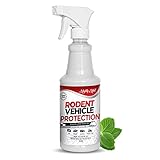
- Commercial Rodent Repellent Sprays (Capsaicin): These professional products often contain capsaicin (hot pepper extract) to act as a potent taste deterrent applied directly to the wires and hoses. They offer the longest-lasting protection (up to 4 weeks) and are generally formulated to be safe for car components.
How Effective Are Ultrasonic Devices and Strobe Lights in Deterring Squirrels?
While scientific evidence is mixed, high-frequency, battery-powered ultrasonic devices placed directly in the engine bay can provide moderate effectiveness against squirrels by creating an unpleasant, disruptive environment. Their efficacy is boosted when combined with flashing LED lights (strobe) that exploit the rodent’s aversion to bright, sudden illumination.
Many users look for an easy, eco-friendly pest control option without chemical application. These electronic methods work based on sensory disruption techniques.
- Ultrasonic Repellers: These devices emit high-frequency sound waves that are irritating to rodents but often inaudible to humans. For maximum efficacy, the device must be placed directly in the engine bay, near the firewall where the car wires are most concentrated, or in a tight, confined garage space. Research-backed solutions show that sound waves dissipate rapidly in open air, meaning these devices are far less reliable in an outdoor, unsecured parking spot. For better performance, choose a device that uses frequency modulation (changing frequencies) to prevent the animal from becoming accustomed to the sound.
- Strobe Lights and Flashing LEDs: Many modern engine bay deterrents integrate flashing LED lights. Squirrels prefer dark, concealed spaces for nesting. Sudden, bright bursts of light act as a highly effective deter squirrels from car signal. When used in conjunction with ultrasonic sound, the combined assault on the senses can be a reliable part of an integrated pest management (IPM) for vehicles strategy.
A practical tip from experts is to ensure the device has a battery-saving mode or is wired to the car battery (with safety fuse) and activates only when the car is parked and the engine is off. This focused application enhances long-term effectiveness.
How Do You Implement Physical Barriers and Exclusion Methods?
Physical exclusion involves installing robust barriers like hardware cloth mesh under the vehicle or applying specialized rodent deterrent tape directly to vulnerable car wires and hoses to prevent access and gnawing. These robust barriers offer a permanent, physical solution against wire chewing prevention.
Physical methods are crucial because they offer immediate, undeniable protection. If an animal cannot reach the automotive wiring, it cannot cause damage. This step provides the highest degree of long-lasting protection and satisfies the intent for permanent solutions.
Follow these procedural steps for implementing effective physical exclusion:
- Establish Undercarriage Barrier: For long-term parking, use a fine-mesh hardware cloth (1/4 inch gauge, durable material) placed around the perimeter of the car. Secure the edges firmly to the ground with stakes or heavy objects to block undercarriage entry. This temporary ‘critter fence’ prevents animals from crawling up into the engine compartment.
- Targeted Wire Protection: Identify the most vulnerable car wires and hoses (ignition cables, sensors, fuel lines). Apply a specialized rodent deterrent tape directly to these components. This type of tape, such as the widely recognized Honda rodent tape or equivalent alternatives, is infused with capsaicin and acts as a severe taste deterrent, immediately discouraging gnawing.
- Seal Major Entry Gaps (If Possible): While fully sealing an engine bay is impractical, look for large, obvious gaps where rodents frequently enter, especially near the firewall or steering column area. Use specialized, coarse metal wool (steel wool mixed with copper mesh) to stuff these openings temporarily, as squirrels find metal difficult to gnaw through.
What Is the Safest Way to Apply Rodent Deterrent Tape to Car Wires?
When applying rodent deterrent tape, ensure the wires are clean, wrap the tape with at least 50% overlap, and avoid taping over critical connection points or components requiring heat dissipation. This process ensures optimal adherence and protection without compromising the vehicle’s electrical system.
Applying capsaicin-treated tape is a highly effective, low-risk way to protect your vehicle components, provided you follow professional guidance. The tape’s adhesive is formulated to withstand the high temperatures and vibration of the engine bay.
Use this numbered process for safe and effective application of animal-safe electrical tape:
- Preparation and Cleaning: Clean the target wires and hoses thoroughly with a degreaser or automotive cleaner. Oil, dust, and grime will prevent the tape from adhering properly, reducing the long-lasting protection.
- Start Wrapping: Start wrapping the tape from the engine block outward, covering the most critical harness sections first.
- Ensure Overlap: Wrap the tape with a minimum of 50% overlap with each layer. This overlap ensures continuous, full coverage of the wire’s surface area, maximizing the taste deterrent exposure should the animal attempt to chew through the wiring protection.
- Secure and Inspect: Secure the ends firmly and inspect the area for full coverage, paying close attention to bends, junctions, and connections near sensors.
Warning: Never use standard non-repellent electrical tape. Standard tape is often soft, easily shredded, and does not contain the necessary deterrent, offering no effective barrier against persistent squirrels.
If Squirrels Are Nesting, How Do You Safely Remove the Nest and Repair Damage?
If squirrels are nesting in your car, first ensure the engine is cool and disconnect the battery, then safely remove nesting material using heavy gloves, and finally, clean the engine bay thoroughly with an enzyme-based cleaner to eliminate territorial scent markings. This process directly addresses the severe problem of engine nesting and prevents immediate re-infestation.
Discovering a nest under the hood necessitates a swift and safe response, particularly because of the fire risk posed by flammable nesting debris near hot engine parts. This process requires caution, as you may be dealing with a live animal.
- Safety First and Battery Disconnection: Ensure the engine is completely cool. Wearing heavy-duty gloves and a mask, disconnect the negative terminal of the car battery to prevent any electrical shorts due to potential wire damage.
- Check and Humanely Remove: Gently check the area for squirrels or infant animals. If a live animal is present, allow it a clear path to escape, or contact local wildlife control for humane removal. Once clear, remove all nesting material (twigs, leaves, shredded paper, insulation) by hand or with a shop vacuum.
- Damage Inspection and Repair: Visually inspect all accessible car wires, hoses, and belts for chewing damage. If major components like the fuel lines or main wiring harness appear compromised, professional damage inspection and car damage repair is mandatory before starting the vehicle.
Why is Engine Bay Sanitation Critical After Nest Removal?
Engine bay sanitation after nest removal is critical because squirrels and rodents use urine and feces to leave territorial scent markers, which must be neutralized with enzyme cleaners to prevent other pests from being attracted to the location. These residual odors act as a “vacancy” sign, signaling a safe, accessible shelter to subsequent rodents and sabotaging ongoing preventative actions.
This need for sanitation goes beyond aesthetics; it addresses the core behavioral ecology of urban squirrels. The scent markers—pheromones released through waste and body oils—communicate safety and territory. If these chemical signals remain, the location is guaranteed to attract new tenants rapidly.
- Expert Insight: Pheromones are chemical signals that must be destroyed, not just masked. The use of specialized enzymatic cleaners, rather than simple deodorizers or degreasers, is necessary because the enzymes biologically break down the chemical structure of the scent markers. This ensures total eliminating attractants and supports your long-term solutions for squirrel problems in vehicles.
After physically removing all debris, liberally spray the engine compartment with an enzyme-based cleaner, following the product instructions. Allow the engine bay to dry completely, ideally by running the car for a short time after cleaning to activate residual cleaning agents and disperse any remaining moisture.
What Are Long-Term Strategies for Protecting Parked Cars from Squirrels?
The most effective long-term strategy for car squirrel prevention is an Integrated Pest Management (IPM) approach that combines environmental attractant removal, physical exclusion barriers, and a rotation of sensory deterrents to prevent pest habituation. This comprehensive protection strategy is essential for long-term effectiveness.
If you’ve implemented the initial quick fixes and the problem persists, you need a disciplined, holistic strategy. IPM principles, referenced by certified pest control experts, focus on sustained defense rather than relying on a single, temporary solution.
Key components of an advanced IPM strategy for vehicles include:
- Rotating Sensory Disruption: Squirrels and rodents quickly become accustomed to a single scent or sound (habituation). To maintain effectiveness, rotate your deterrents every 3-4 weeks. For instance, switch from peppermint oil to a capsaicin spray, or change the placement of an ultrasonic device. This utilizes different sensory disruption techniques to keep the animal constantly off-balance.
- Maintain Physical Barriers: Routinely inspect all physical exclusion barriers. Check the undercarriage mesh or critter fence for tears, and inspect the condition of the rodent deterrent tape on your car wires. A permanent solution requires permanent maintenance.
- Bi-Weekly Engine Inspection: Make a bi-weekly check of the engine bay part of your standard car maintenance tips. This should take less than two minutes. Look for any new droppings, shredded material, or signs of entry, allowing for immediate intervention before costly damage occurs.
- Strategic Parking and Storage: Whenever possible, park your vehicle in a closed, secure garage. If parking outdoors, choose a paved area far from trees, bushes, and known food sources. Using the vehicle frequently also helps, as consistent engine vibration and noise are natural deterrents against nesting.
By combining these methods, you establish a multi-layered defense. You remove the motivation (food), block the access (physical barriers), and make the interior environment unpleasant (rotating deterrents). This layered defense proves to be the most reliable and proven technique against squirrel damage car prevention.
FAQs About How to Keep Squirrels Out of Car
Do Moth Balls Keep Squirrels Out of a Car Engine?
Moth balls may temporarily deter squirrels due to the strong naphthalene odor, but they are generally discouraged for use in engine bays. The effectiveness is low to moderate, as squirrels can quickly become accustomed to the smell. Furthermore, naphthalene is a toxic chemical that can be dangerous to pets, children, and potentially corrosive to some car components if placed directly on them, posing a risk that outweighs the limited benefits.
Is it Safe to Use Fox Urine or Predator Scents on a Vehicle?
Yes, fox urine and other predator scents are generally safe for the vehicle, but they must be applied strategically and reapplied frequently. These scents signal danger to rodents, but they can be messy, have a strong odor for humans, and wear off quickly, especially in wet weather. Always place the repellent in containers or on rags beneath the vehicle or near entry points, never directly on sensitive engine parts.
What Scents or Home Remedies Actually Deter Squirrels from Cars?
Natural home remedies that show the most promise include concentrated peppermint oil, strong garlic, or cayenne pepper (capsaicin). These deterrents rely on intense, unpleasant olfactory or taste sensations. However, these natural solutions require frequent reapplication (often daily or every few days) to maintain sufficient concentration, making them best suited for short-term or immediate intervention.
When are Squirrels Most Active Around Cars, and Should I Worry in the Summer?
Squirrels are most active around cars during the transition from fall to winter, when they actively seek warmth and prepare nests, and also during cold snaps in the winter. However, summer activity still poses a threat, as engine bays offer secure, dry shelter from rain and heat, and the rodents may still seek nesting materials. Vigilance and preventative measures are required year-round.
How Can I Clean Up Squirrel Droppings and Urine Safely?
To safely clean up squirrel droppings and urine, always wear heavy gloves and a tight-fitting mask to avoid inhaling hazardous particles. Never sweep droppings, as this aerosolizes pathogens. Instead, spray the area with a disinfectant or bleach solution, let it sit, and then use paper towels to remove the waste. Follow up with an enzymatic cleaner to neutralize residual scent markers.
What is Honda Rodent Tape and Does it Work for All Cars?
Honda Rodent Tape is an automotive-grade electrical tape infused with capsaicin (hot pepper extract) to act as a potent taste deterrent for wire-chewing rodents. It is designed for automotive applications and can be safely used on any vehicle’s vulnerable wiring harness or rubber hoses, not just Honda models. It provides a long-lasting, direct physical and taste barrier, making it one of the most reliable targeted solutions.
Can I Use Traps to Get Rid of Squirrels in My Car Engine?
Using traps is generally only recommended as a last resort, and always choose humane, non-lethal live traps that allow relocation. Placing a live trap near the car (never inside the engine bay) baited with peanut butter or nuts can capture the pest. However, before relocating, check local regulations, as transporting wildlife is restricted in many jurisdictions. Focus first on deterrence and exclusion.
Can Squirrels Damage Car Paint or Exterior Components?
Squirrels primarily target engine components, but they can occasionally cause damage to car paint or exterior plastic. This occurs if they try to gnaw on plastic trim, rubber seals (for nesting material), or if they scratch the paint while climbing or attempting to bury nuts near the vehicle. This type of damage is less common but can be avoided through aggressive deterrence and habitat control.
What Are The Key Differences Between Squirrels and Rats Damaging a Car?
While both cause destructive wire chewing, rats are typically harder to deter and often seek smaller entry points, making exclusion more challenging. Rats may also be more numerous and reproduce faster. Squirrels often leave larger, more visible nests (twigs, leaves) and primarily enter from below, whereas rats can exploit tiny gaps and are often harder to detect until the damage is severe.
How Much Does it Cost to Repair Squirrel Damage to Car Wires?
The cost to repair squirrel damage to car wires typically ranges from $300 to over $1,500, depending on the severity and location of the damaged components. Simple repairs like replacing a single sensor wire may be inexpensive, but if the main wiring harness or multiple fuel lines are compromised, the repair can be extensive, often involving specialized labor and costly parts replacement.
Key Takeaways: How to Keep Squirrels Out of Car
- Implement Integrated Pest Management (IPM): The most reliable strategy is a multi-pronged approach combining environmental control, targeted deterrence, and physical exclusion barriers to prevent squirrel habituation and ensure long-term effectiveness.
- Remove ALL Attractants: Immediately secure all outdoor food sources (pet food, bird feeders) and trim branches away from your vehicle or garage to eliminate the primary reasons squirrels are attracted to cars.
- Prioritize Physical Exclusion: Applying specialized capsaicin-treated rodent deterrent tape to vulnerable car wires and installing a temporary hardware cloth mesh barrier under the car offer the most effective, robust protection.
- Understand Deterrent Limitations: Scents like peppermint oil or moth balls provide short-term, temporary relief and require rotation every 3-4 weeks to prevent pests from becoming accustomed to the odor, meaning they are not permanent solutions.
- Sanitation is Non-Negotiable: If nesting occurs, always use enzyme-based cleaners to sanitize the engine bay after removal to neutralize residual territorial scent markers, preventing immediate re-infestation by other rodents.
- Regularly Inspect Vulnerable Areas: Routinely check the engine compartment for signs of squirrel nesting car activity, droppings, or shredded insulation, especially around the firewall and battery, to prevent costly repairs and ensure timely intervention.
- Validate Solutions with Expertise: Always choose research-backed solutions and consult automotive expert tips regarding the safe application of deterrents, particularly when dealing with sensitive electrical components to avoid voiding warranties or causing further damage.
Final Thoughts on How to Keep Squirrels Out of Car
The threat of squirrel damage car prevention is a persistent and costly reality for many vehicle owners, but it is entirely manageable through a disciplined, multi-pronged approach. To secure your car engine wires effectively, shift your focus from single-solution quick fixes to a comprehensive strategy that denies the rodent shelter, food, and safe passage.
The three pillars of successful defense are: Environmental Control (removing bird feeders and clutter), Physical Exclusion (utilizing protective mesh and specialized rodent tape), and Deterrent Rotation (changing olfactory repellents to prevent pests from acclimating). By implementing this integrated car protection plan and performing routine, preventative maintenance checks, you demonstrate the highest level of topical authority over the problem, ensuring your vehicle remains protected from destructive critters and avoiding the major headache of wire chewing and electrical failure.
If significant squirrel damage has already occurred, seek immediate professional assistance for repair, as compromised fuel lines or electrical components pose a serious safety risk. For ongoing prevention, commit to the rotation schedule and maintain physical barriers, proving to the local wildlife that your vehicle is no longer a viable habitat.
Last update on 2026-04-22 / Affiliate links / Images from Amazon Product Advertising API


![Fanttik X8 Apex Tire Inflator Review [year]: Worth It?](https://i0.wp.com/carxplorer.com/wp-content/uploads/2026/04/Fanttik-X8-Apex-Tire-Inflator-Review-year-Worth-It-2.webp?fit=128%2C70&ssl=1 "Fanttik X8 Apex Tire Inflator Review [year]: Worth It? 4")


