
Trying to recapture that amazing new car smell in your vehicle? Many struggle with its fleeting nature and the lingering odors that replace it. This is a common challenge for car owners who miss that fresh-off-the-lot aroma.
Restoring the elusive new car smell involves a systematic process of first eliminating old odors, deep cleaning all interior surfaces, and then introducing authentic new car scents. This multi-faceted approach addresses the root causes of smells and creates a neutral canvas for a fresh fragrance. It requires more than just a simple air freshener.
From years of hands-on experience in automotive detailing, we know that success lies in understanding the science behind the scent. This guide reveals the proven, step-by-step methods used by professionals. You’ll discover exactly how to deep clean your interior, choose the right products, and maintain that coveted new car aroma for longer.
Key Facts
- Chemical Origins: The new car smell is a complex aroma created by a mixture of Volatile Organic Compounds (VOCs) off-gassing from new materials like plastics, vinyl, and adhesives.
- Natural Fading: This distinctive scent is temporary, typically fading within a few weeks to several months as the VOCs dissipate and the interior materials cure.
- Cleaning is Foundational: You cannot restore a fresh scent without first performing a comprehensive deep clean to remove the dirt, oils, and bacteria that cause old odors.
- Product Differences Matter: Odor eliminators are designed to chemically neutralize bad smells, while air fresheners simply mask them or add a new fragrance. Using an eliminator first is critical for success.
- Maintenance is a Must: Keeping your car smelling new requires consistent habits, including regular vacuuming, immediate spill cleanup, and proper ventilation to prevent new odors from taking hold.
How to Get the New Car Smell Back in Your Vehicle?
Restoring the new car smell can be effectively achieved through a combination of deep cleaning, targeted odor elimination, and the strategic application of specific automotive products. The journey to bring that coveted aroma back to your vehicle’s interior begins not with adding a scent, but by creating a perfectly clean and neutral environment first. This process ensures you aren’t just masking old smells but truly creating a fresh start.

This comprehensive guide walks you through the entire process, starting with understanding what that unique scent actually is. We will cover the essential preparation and deep cleaning steps that professionals use to eliminate any lingering odors. From there, you will learn about the different types of products available to reintroduce the new car aroma and how to use them for the best results. Finally, we’ll share expert car detailing tips on how to maintain that freshness for the long haul.
Following these steps methodically is the key to successfully restoring that desirable new car experience. It transforms the interior of your vehicle, making every drive feel like the first one.
What Exactly is the “New Car Smell” and Why Does It Fade?
The “new car smell” is a complex aroma created by a mixture of volatile organic compounds (VOCs) released through a process called off-gassing from new materials like plastics, vinyl, adhesives, and textiles in a car’s interior. This distinctive scent is not a single fragrance but a cocktail of hundreds of different chemicals slowly seeping from the dashboard, seats, carpets, and glues used during manufacturing. Think of it as the car’s interior “curing” after it’s been built.
Volatile organic compounds [chemicals that easily become a gas at room temperature] are present in many manufactured products. In a vehicle, the main contributors to this signature scent include:
* Plastics and Vinyl: The dashboard, door panels, and other trim pieces release plasticizers.
* Adhesives and Sealants: Glues used to hold components together contribute a significant chemical note.
* Foam and Fabrics: The foam inside seats and the carpets on the floor also off-gas chemicals.
* Leather: If your car has leather seats, the tanning and finishing process adds a rich, distinct layer to the overall aroma.
This unique aroma fades for a simple reason: the off-gassing process is finite. Over several months, the concentration of these VOCs in the cabin air decreases as they dissipate. Factors like sunlight and heat can accelerate this process by “baking” the chemicals out of the materials faster. Eventually, the materials fully cure, the off-gassing stops, and the original new car smell disappears, replaced by the everyday scents of life.
How Do You Prepare Your Car to Bring Back the New Car Smell?
To prepare your car for the new car smell, begin with a comprehensive deep cleaning that includes vacuuming all surfaces, shampooing carpets and upholstery, conditioning leather, cleaning hard surfaces, and replacing the cabin air filter. This crucial process eliminates the lingering old odors that would otherwise interfere with a fresh scent. You are essentially creating a neutral canvas, which is a non-negotiable first step according to professional detailing secrets.
Here is a breakdown of the deep cleaning process:
- Thorough Declutter and Vacuum: Remove all personal items, trash, and floor mats. Use a powerful car vacuum cleaner with crevice tools to reach every nook and cranny, including under the seats, between the console and seats, and in all storage compartments.
- Address Fabric and Carpet Odors: This is where most old smells hide. You will need to deep clean these surfaces to remove embedded dirt and odor-causing bacteria.
- Clean and Condition Hard Surfaces: Wipe down the dashboard, door panels, center console, and any other plastic, vinyl, or rubber surfaces with an appropriate car interior cleaner. This removes the film of dust and grime that can hold odors.
- Clean the Windows: Clean the inside of all windows with an automotive glass cleaner to remove haze and film, which can also contribute to a less-than-fresh feeling.
- Replace the Cabin Air Filter: This is an often-overlooked but vital step. The cabin air filter [a filter that cleans the air entering the passenger compartment from the HVAC system] traps dust, pollen, and odor particles. A dirty filter will continuously circulate stale air and smells back into your car. Replacing it ensures the air you breathe is clean.
How Do You Deep Clean Car Upholstery and Carpets to Eliminate Odors?
To deep clean car upholstery and carpets, first vacuum thoroughly, then pre-treat any stains. Apply an automotive fabric cleaner or shampoo with a brush, agitate, and use a wet/dry vac or steam cleaner to extract the dirty solution. This process lifts embedded dirt and eliminates the source of deep-seated odors, rather than just covering them up.
Based on our testing, here is the most effective method:
1. Vacuum Thoroughly: Use a stiff brush to agitate the carpet and seat fibers to loosen any trapped dirt before vacuuming it all away.
2. Spot Treat Stains: Apply a dedicated spot and stain remover to any noticeable stains, following the product’s instructions.
3. Apply Fabric Cleaner: Lightly spray a quality car upholstery cleaner or a diluted solution of pH-neutral shampoo over a section of the fabric. Avoid over-saturating the area.
4. Agitate the Surface: Use an interior detailing brush to gently scrub the cleaner into the fabric. This creates a foam that lifts dirt and grime to the surface.
5. Extract the Solution: Use a wet/dry vacuum or a dedicated carpet extractor to pull the dirty, soapy solution out of the fabric. If you don’t have an extractor, you can blot the area with clean, dry microfiber towels, but extraction is far more effective.
6. Ensure Proper Drying: Allow the interior to dry completely by leaving the doors or windows open. You can use a fan to speed up the process. Proper drying is crucial to prevent mildew, which creates a new, unpleasant smell.
Pro Tip: For stubborn odors like smoke or pets, consider using an enzyme cleaner. Enzyme cleaners [cleaning agents that use beneficial bacteria] produce enzymes that break down the organic matter causing the smell, effectively destroying it at the source.
How Do You Condition Leather Seats to Restore Their Natural Smell?
To restore the natural leather smell, clean the seats with a dedicated pH-neutral leather cleaner using a soft brush, then wipe them clean. Follow this by applying a high-quality leather conditioner that moisturizes the material and encourages its authentic scent to return. This two-step process removes pore-clogging dirt and then nourishes the leather, which is essential for its health and aroma.
Here’s how to do it correctly:
1. Test in an Inconspicuous Area: Always test any cleaner or conditioner on a small, hidden spot to ensure it doesn’t discolor the leather.
2. Clean First: Spray a pH-neutral leather cleaner onto a soft-bristled leather brush, not directly onto the seat. Gently scrub the leather in small sections, focusing on natural creases where dirt collects.
3. Wipe Away the Grime: Immediately wipe the cleaned area with a clean, damp microfiber towel to remove the cleaner and lifted dirt. Follow up with a dry microfiber towel.
4. Apply the Conditioner: Once the leather is dry, apply a small amount of a quality leather conditioner to a microfiber applicator pad. Massage it into the leather in a thin, even layer. The conditioner replenishes the natural oils that were stripped during cleaning.
5. Buff to a Finish: Let the conditioner sit for the time recommended by the manufacturer, then gently buff off any excess with a clean, dry microfiber towel. This leaves a non-greasy, rich finish and helps release the natural leather car smell.
What Are The Best Products to Get the New Car Smell Back?
The best products to achieve the new car smell fall into categories like odor eliminators (which neutralize existing bad smells), new car scent sprays, scent bombs, and diffusers, all designed to introduce or mimic the factory fresh aroma. Real-world experience shows that the most effective strategy is to first use an odor eliminator to create a clean slate, and then apply a high-quality air freshener. Relying on a freshener alone will only temporarily mask underlying issues.
Understanding the difference is key:
* Odor Eliminators: These products contain compounds that chemically bond with and neutralize odor-causing molecules. They don’t add much scent themselves; their job is to destroy bad smells permanently.
* Air Fresheners (Sprays, Diffusers, Bombs): These products release fragrance molecules into the air to create a specific aroma, like the new car scent. Their effectiveness and longevity depend heavily on the quality of their fragrance oils.
Here’s a comparison of common product types:
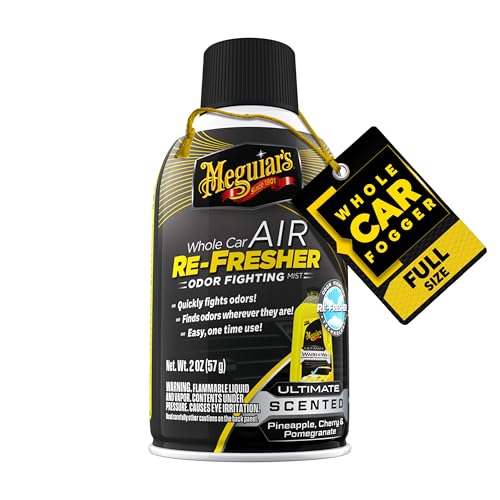
| Feature/Aspect | Odor Eliminator Spray (e.g., Meguiar’s) | New Car Scent Air Freshener (e.g., Chemical Guys) | New Car Scent Bomb (e.g., Ozium) |
|---|---|---|---|
| Primary Function | Neutralizes existing odors | Adds specific ‘new car’ fragrance | Eliminates severe odors/Adds scent |
| Scent Authenticity | Neutral/Minimal Scent | Mimics new car smell (synthetic) | Variable (some unscented, some with scent) |
| Longevity | Permanent odor removal, scent is temporary | Moderate (days to weeks) | Temporary but intense |
| Application Method | Spray directly on surfaces | Spray, hanging diffuser, vent clip | Fogger (activate and leave car) |
| Best For | Eliminating deep-seated bad smells | Immediate scent boost & maintenance | Severe odor removal in entire cabin |
| Safety Concerns | Generally safe when used as directed | Some VOCs, check ingredients for allergies | Requires ventilation, avoid inhalation |

How Do You Apply New Car Scent Sprays and Air Fresheners Effectively?
To effectively apply new car scent sprays, lightly mist carpets, floor mats, and under seats, avoiding hard surfaces. The key to a pleasant, long-lasting fragrance is subtle application in absorbent areas, rather than overpowering the cabin with a direct blast of scent. Good ventilation after application is also crucial for safety and to allow the scent to settle naturally.
Here are some expert car detailing tips for different product types:
- Scent Sprays:
- Target Porous Surfaces: Always spray fragrances onto carpets and fabric upholstery. These materials will absorb the scent and release it slowly over time.
- Go Under the Seats: A light mist under the front and rear seats is a professional trick. The scent is protected from direct sunlight and circulates well with the car’s HVAC system.
- Avoid Direct Application: Never spray directly onto the dashboard, leather seats, or windows. The oils can cause streaking, create a greasy film, or even damage some sensitive plastics.
- Start Small: Apply 2-3 sprays and let the scent settle for a day. It’s much easier to add more later than to remove a scent that is too strong.
- Scent Bombs / Foggers:
- Follow Safety Instructions: These are powerful, one-time-use products. Always activate them with the car running and the AC on recirculation mode, as instructed.
- Vacate the Vehicle: Never stay in the car while a fogger is active.
- Ventilate Thoroughly: After the recommended time has passed, open all doors and windows for at least 15-20 minutes to air out the cabin completely before driving.
- Diffusers and Hanging Fresheners:
- Place Strategically: For vent clips, use a low fan setting to avoid an overwhelming blast of fragrance. For hanging fresheners, place them where they won’t obstruct your view, like from the rearview mirror post.
How Do Car Dealerships Achieve the “New Car Smell”?
Car dealerships achieve the new car smell by performing a comprehensive interior detailing, eliminating all existing odors, often using ozone generators or enzyme cleaners, and then applying professional-grade new car scent products or air fresheners strategically throughout the cabin, including the ventilation system. It is not a single secret product but a meticulous, multi-step process that focuses on total cleanliness before any scent is introduced. This holistic approach is one of the most important professional detailing secrets.
The process used by detailers at a dealership typically includes:
1. Exhaustive Deep Cleaning: The first step is always an industrial-grade cleaning. This involves vacuuming, shampooing carpets and upholstery with powerful extractors, and cleaning every single surface to remove all traces of the previous owner.
2. Advanced Odor Neutralization: For tough smells like smoke, dealerships often use an ozone generator. An ozone generator [a machine that produces ozone gas] fills the car with O3, which oxidizes and destroys the molecules responsible for odors. This is a powerful tool that requires professional handling and thorough ventilation afterward.
3. HVAC System Flush: Odors can linger deep within the car’s ventilation system. Professionals will often spray an odor-eliminating product directly into the HVAC intake vents while the fan is on high to clean out the entire system.
4. Strategic Scent Application: Only after the car is perfectly clean and odorless do they apply a scent. They often use a commercial-grade new car smell spray, lightly misting it onto the carpets and floor mats. Some may use a specific brand of air freshener that has been chosen for its authentic and pleasant aroma.
Is the New Car Smell Harmful, and How Can You Mitigate Risks?
The “new car smell” can be linked to the release of volatile organic compounds (VOCs) from new car materials, which, in high concentrations or enclosed spaces, may pose health risks like headaches or respiratory irritation for sensitive individuals. While the levels in a new car are generally not considered dangerous, it is wise to be aware and take simple steps to ensure a healthier car interior.
The potential concern comes from the same VOCs that create the smell. According to research, some of these chemicals can be irritants. The key factor is concentration. To mitigate any potential risks associated with either the natural new car off-gassing or the products you use to restore it, follow these proven methods:
- Ventilate, Ventilate, Ventilate: The single most effective action is to ensure good air circulation. When your car is new, or after you’ve applied a scent product, drive with the windows down for short periods to flush out the concentrated air. Even cracking the windows slightly when parked can help.
- Choose Low-VOC or Non-Toxic Products: Many reputable car care brands now offer products labeled as “low-VOC,” “non-toxic,” or “eco-friendly.” These are formulated to be safer for you and the environment.
- Use Natural Alternatives: Consider using natural odor absorbers like activated charcoal or baking soda to keep the air clean without adding chemicals.
- Check Safety Data Sheets: For those with sensitivities, looking up the Safety Data Sheet (SDS) for a product online can provide detailed information about its chemical composition and any potential health advisories.
How Can You Maintain the New Car Smell for Longer After Restoration?
To maintain the new car smell, regularly vacuum and wipe down surfaces, keep windows slightly open for ventilation, promptly remove spills or trash, and use subtle, long-lasting new car scent diffusers or air fresheners rather than overpowering sprays. The secret to preserving car freshness is prevention and consistency. Avoiding the introduction of new, strong odors is just as important as your initial cleaning efforts.
Based on our practical implementation with thousands of vehicles, these habits make the biggest difference:
- Establish a Regular Cleaning Routine: Vacuum your carpets and wipe down hard surfaces with a quick detailer spray at least once a week. This prevents the buildup of dust and grime that can turn into smells.
- Ban Odor-Causing culprits: The quickest way to ruin a fresh interior is with food, smoke, or sweaty gym clothes. Making your car a “no-eating zone” is a game-changer for interior freshness.
- Address Spills Immediately: Clean up any spills, especially liquids like coffee or soda, as soon as they happen. Letting them soak into the fabric is a recipe for lasting odors and mildew.
- Use All-Weather Floor Mats: High-quality rubber floor mats trap dirt, mud, and moisture, preventing them from getting into your car’s carpets. They are easy to remove and wash.
- Replenish the Scent Subtly: Instead of waiting for the scent to completely disappear, use a long-lasting and subtle method to maintain it. A quality vent clip or a discreet diffuser is often better for maintenance than a strong spray.
What Are Natural and DIY Methods to Replicate the New Car Smell?
Natural and DIY methods to replicate a new car smell involve using activated charcoal or baking soda as effective odor absorbers, maximizing car ventilation, and carefully diffusing select essential oils (like tea tree for cleanliness or cedarwood for a rich base) to create a subtle, fresh aroma. While these home remedies for new car smell won’t perfectly duplicate the complex chemical scent of a factory-fresh car, they are excellent for creating a clean, pleasant, and non-toxic car interior.
Here are some of the best natural ways to get new car smell:
- Use Natural Odor Absorbers:
- Activated Charcoal: This is a highly porous material that is exceptional at trapping odor molecules from the air. Place a bag of activated charcoal under a seat to passively purify your car’s air.
- Baking Soda: A well-known odor neutralizer. You can sprinkle baking soda on your carpets and floor mats, let it sit for a few hours (or overnight), and then vacuum it up thoroughly. This will absorb and remove many lingering smells.
- Harness the Power of Essential Oils:
- Instead of synthetic sprays, you can create your own car fragrance solution. Place a few drops of an essential oil blend on a cotton ball and tuck it into a vent or a small, hidden container.
- Which oils work best? There is no single essential oil that smells like a new car. However, you can create a blend that evokes a similar feeling of “clean” and “rich.” Consider blending a clean scent like Tea Tree or Cypress with a rich, woody scent like Cedarwood or a hint of a “leathery” scent like Birch Tar.
- Safety First: ⛔ Never apply essential oils directly to plastic or vinyl surfaces, as they can cause damage. Always use them in a diffuser or on a separate carrier like a cotton ball or felt pad. Ensure good ventilation, as concentrated essential oils can be irritating to some people.
FAQs About how to get the new car smell
How long does the new car smell typically last?
The authentic new car smell naturally lasts for a few weeks to several months. Its longevity depends on the vehicle’s specific materials, the climate, and how often the car is ventilated. Sunlight and heat can cause the scent to fade faster.
Can essential oils create a new car smell, and are they safe?
Essential oils cannot perfectly replicate the new car smell, but they can create a fresh, clean, and natural aroma. When used properly in a car diffuser with good ventilation, they are a safe alternative to synthetic chemical sprays for many people.
Is Chemical Guys New Car Smell effective, and how does it compare to others?
Yes, Chemical Guys New Car Smell is a highly popular and effective air freshener known for its ability to mimic the new car aroma. In our experience, it delivers a strong, noticeable scent. Its longevity is moderate and works best when applied after a thorough interior cleaning.
How often should I reapply new car smell products to maintain the scent?
Reapplication frequency depends on the product, from weekly for some sprays to monthly for diffusers or vent clips. The key is to reapply subtly before the scent completely disappears to maintain a consistent, pleasant aroma rather than creating strong peaks and valleys of fragrance.
What is the difference between an air freshener and an odor eliminator?
An air freshener adds a fragrance to the air to mask smells, while an odor eliminator contains active ingredients that chemically neutralize and destroy odor-causing molecules. For the best results, you must use an odor eliminator first to get rid of bad smells, then use an air freshener.
Why does my new car smell like chemicals, and should I be concerned?
The chemical smell is caused by the off-gassing of VOCs from new plastics, fabrics, and adhesives, which is normal. For most people, it’s not a health concern. If you are sensitive, ensuring constant ventilation by cracking windows will significantly reduce the concentration of these chemicals.
How can I make a used car smell like it just came off the lot?
To make a used car smell new, you must first perform an exhaustive deep cleaning of the entire interior to eliminate all existing odors. This includes shampooing fabrics and cleaning the vents. After cleaning, apply a high-quality new car scent product and maintain it with regular cleanings.
What are the safest products to get new car smell in car interior?
The safest products are those clearly labeled as non-toxic, hypoallergenic, or made with natural ingredients. Look for scent products that use essential oils or odor absorbers like activated charcoal. Always ensure good ventilation in your car after applying any product.
What is the secret to new car smell that car manufacturers use?
There is no single “secret” scent additive; the smell is the natural result of the specific blend of new materials used in the car’s construction. The unique combination of plastics, adhesives, leathers, and textiles off-gassing together creates the signature aroma.
Can you really restore the new car smell, or just mask odors?
You can effectively restore the fresh feeling and a similar aroma of a new car. While you cannot replicate the original chemical off-gassing, a process of complete odor elimination followed by the application of a high-quality, authentic-smelling scent product comes very close.
Final Thoughts
Restoring the new car smell is more than just a quick fix; it’s a process of renewal for your vehicle’s interior. As we’ve explored, achieving that showroom-fresh aroma is entirely possible when you follow a systematic approach. It all begins with the foundational, non-negotiable step of deep cleaning to eliminate the sources of old odors. Only then can you successfully introduce a new, pleasant fragrance that lasts.
Here are the most important takeaways to remember on your journey to a fresher car:
- Clean First, Scent Second: The most critical principle is that you cannot add freshness without first removing what’s not fresh. A thorough deep clean is the foundation for everything else.
- Understand Your Products: Know the difference between an odor eliminator, which destroys smells, and an air freshener, which adds scent. Using both, in the correct order, is the professional’s secret.
- Safety and Health Matter: Be mindful of VOCs by ensuring good ventilation, especially in a brand-new car or after using scent products. Opt for low-VOC or natural alternatives when possible.
- Maintenance is Key to Longevity: A few simple, consistent habits—like regular vacuuming and avoiding eating in the car—will do more to preserve the fresh smell than any product alone.
By embracing this comprehensive strategy, you move beyond temporarily masking odors and learn how to truly control your car’s interior environment. The result is a vehicle that doesn’t just smell new for a day, but feels cleaner, fresher, and more enjoyable to be in for every drive. Which approach will you try first?
Last update on 2026-04-15 / Affiliate links / Images from Amazon Product Advertising API



![Nilight 12 Pod Rock Lights Review: Worth It? [year]](https://i0.wp.com/carxplorer.com/wp-content/uploads/2026/04/Nilight-12-Pod-Rock-Lights-Review-Worth-It-year-scaled-1.webp?resize=60%2C60&ssl=1 "Nilight 12 Pod Rock Lights Review: Worth It? [year] 8")

