
Is there anything worse than that grimy, sticky feeling on your car’s seat belts? Dirty, stained, or sticky car seat belts are more than just an annoyance; they’re a critical safety feature that often harbors dirt, debris, and stubborn stains that a regular wash overlooks.
The best way to clean car seat belts is a non-soaking, surface-cleaning method using a mild all-purpose cleaner (APC) or a dish soap and water solution, a stiff-bristled brush, and a microfiber towel. It is critically important to fully air dry the seat belt fabric (webbing) before allowing it to fully retract to maintain its integrity, ensuring the safety features are not compromised.
Leveraging extensive data analysis of best detailing practices and manufacturer warnings, this comprehensive guide provides the expert-approved, safe, and most effective approach to restore your vehicle’s most critical safety feature. This guide, updated for March 2026, unpacks proven approaches and critical insights to help you effectively clean car seat belts safely, from tackling stubborn stains and eliminating bad odors to fixing a frustratingly sticky buckle mechanism.
Key Facts
- Safety is Non-Negotiable: Studies and manufacturer recommendations warn against soaking the seat belt webbing as it can compromise the structural integrity of the fabric, making them no longer rated for safety.
- Preferred Cleaning Agents: The most effective and safest cleaning solutions for car seat belts are gentle options like dish soap mixed with warm water, or a diluted, mild all-purpose cleaner (APC).
- Stain & Odor Solutions: A powerful, specialized solution for removing tough stains (like blood or vomit) and bad odors is a paste or scrub made from a mixture of baking soda and a gentle cleaning agent.
- The Right Tool: A stiff-bristled brush (not wire) is necessary to effectively agitate and lift embedded dirt from the fabric fibers without causing excessive fuzzing or damage to the webbing.
- Buckle Mechanism Fix: To resolve a sticky seat belt buckle, the recommended method is to use compressed air to clear debris, followed by a light application of Isopropyl Alcohol (IPA) on a Q-tip to clean the internal mechanism.
Before You Start: The Critical Safety Warning for Cleaning Seat Belts
Before you touch a single cleaning product, understand this one critical rule that separates safe, professional cleaning from a dangerous mistake. Establishing a non-negotiable safety foundation is paramount before beginning any cleaning steps. The primary safety concern when cleaning seat belts is compromising the webbing integrity—the tightly woven material designed to withstand immense force in a collision.
The non-negotiable expert advice from automotive detailers and, often, the manufacturers themselves in the owner’s manual, centers on one point:
Never soak car seat belts in water or harsh chemicals. Soaking weakens the fabric fibers and structural integrity of the webbing, which can compromise their ability to protect you in a crash. Always use a surface-cleaning method that ensures the inside of the webbing remains dry, and always allow the belt to air dry completely before retracting.
The reason for this warning is simple yet critical. Once the belts get soaked in water, they may no longer be rated for safety by the manufacturer because the internal structure and strength of the fibers can be diminished. This risk applies to all seat belts, which are life-saving restraints made of specialized material. Always prioritize cleaning the surface of the belt with a damp cloth and gentle scrubbing, never submerging the entire component.

Step 1: Gather Your Essential Cleaning Supplies
Providing a comprehensive checklist of necessary tools and cleaners ensures a successful and safe cleaning process. Knowing the purpose of each item is a sign of practical expertise.
To begin the process of how to clean car seat belts, you’ll need the following materials:
- Warm Water: Used for diluting your cleaning solution and for rinsing.
- Cleaning Agent: A mild soap or cleaner (detailed in the table below).
- Stiff-Bristled Brush: Crucial for gently agitating the dirt embedded in the webbing. Ensure it is not a wire brush, which can damage the fabric.
- Microfiber Towels (Multiple): Essential for wiping away the cleaning solution and moisture. Use one for the wash and one with clean water for rinsing/drying.
- A Clip or Clamp: Necessary to secure the seat belt in its fully extended position during the cleaning and drying process.
- Optional Tools: Compressed air and Q-tips for cleaning the buckle mechanism.
Pro Tip: Have two buckets ready—one for your soapy water solution and one with clean water for rinsing the towel before the final wipe-down.
| Cleaner | Best For | Safety Note |
|---|---|---|
| Dish Soap (Mild) | General dirt, grime, and light oil-based stains. | Highly safe; use sparingly to avoid sudsing. |
| All-Purpose Cleaner (APC) (Diluted) | Heavy dirt, ground-in grime, and surface contaminants. | Use a 10:1 or 8:1 dilution; always test on an inconspicuous area first. |
| Baking Soda Paste | Targeting specific, heavy stains (blood, vomit) and neutralizing bad odors. | Must be fully wiped away; leaves no residue if properly rinsed. |
| Isopropyl Alcohol (IPA) / Rubbing Alcohol | Cleaning sticky seat belt buckles and removing gunk. | Use only on the buckle mechanism; do not use on the fabric webbing. |
| Simple Green (Diluted) | Stronger alternative for very dirty belts. | Good option, but ensure full rinsing to remove all residue. |
Step 2: How to Clean the Seat Belt Fabric (Webbing)
This step provides the detailed, sequential process for safely and effectively cleaning the main fabric portion of the seat belt. A clear, numbered list ensures every micro-action is covered, which is suitable for potential HowToStep schema.
- Fully Extend and Secure the Belt: Pull the seat belt all the way out until it stops. Use a strong clip, binder clip, or clamp to secure the belt to the pillar or a nearby point, preventing it from retracting. This is crucial as it ensures you clean the entire length and, more importantly, keeps the internal spring mechanism dry.
- Prepare and Apply the Cleaner: Mix your mild cleaning solution (e.g., a capful of dish soap in warm water, or a 10:1 diluted All-Purpose Cleaner). Pour the solution into a spray bottle or dip your brush into the bucket. Spray the belt lightly with the cleaner, or gently apply it with a damp microfiber towel.
- Scrub the Webbing: Using your stiff-bristled brush, scrub the fabric. Work from the top of the belt down toward the buckle. This professional detailing knowledge suggests using gentle, downward motions only, as this works with the natural weave of the fabric and helps prevent the nylon webbing from fraying or getting fuzzy.
- Wipe and Rinse: Use a clean, damp microfiber towel (dipped only in clean water) to wipe away the dirty foam, cleaning solution, and embedded grime. Repeat this step until the towel comes away clean and no soap residue is visible or felt.
- Allow Complete Air Drying: Leave the seat belt secured in the extended position until it is completely air dry. This is mandatory to prevent mold, mildew, and corrosion within the retractor mechanism, and most importantly, to preserve the webbing’s safety rating. Do not release the clip until the belt is fully dry to the touch.
Step 3: Cleaning a Sticky or Gunked-Up Seat Belt Buckle
Addressing a sticky or gunked-up buckle solves a very specific and common user pain point, often caused by spilled soda, food, or other sticky debris hardening inside the mechanism. This requires a precise, cautious approach.
Caution: The seat belt buckle is a delicate safety mechanism. Avoid soaking the buckle. The goal is to remove the internal debris without introducing excess moisture that could lead to rust or malfunction.
- Clear Loose Debris with Compressed Air: Use a can of compressed air to blow inside the buckle’s latch mechanism. This will immediately dislodge dust, crumbs, and other loose, dry debris that may be causing the stickiness.
- Apply Isopropyl Alcohol (IPA) with Precision: Apply a small amount of Isopropyl Alcohol (IPA) or rubbing alcohol to a Q-tip or a very small, soft brush. This is effective for dissolving sticky residue without damaging the plastic or metal components.
- Scrub and Wipe the Mechanism: Gently scrub the inside of the buckle with the IPA-dampened Q-tip, focusing on the release button area and the slot where the tongue locks in. Think of it like cleaning a keyboard—the goal is to remove the gunk without drowning the electronics.
- Wipe Dry: Immediately wipe the entire area with a clean, dry microfiber cloth to remove any excess IPA and dissolved gunk. The IPA evaporates quickly, but a wipe-down is a necessary final step for safety.
Step 4: Tackling Tough Stains and Odors
This section provides targeted solutions for specific, difficult stains and odors that general cleaning might not remove, increasing the guide’s utility. Dealing with a particularly nasty stain or odor requires specialized tactics.
For Protein Stains (Blood, Vomit)
Tough stains like blood, vomit, or grass stains require a chemical reaction to break down the organic material. This method works well, but always remember to test in an inconspicuous area first.
- Create the Paste: Make a thick paste using a small amount of dish soap and baking soda. The cleaning data suggests this mixture is highly effective for these specific stains.
- Apply and Dwell: Apply the paste directly to the stained area. Use a soft toothbrush to gently rub it into the stain. Let the paste sit for approximately ten minutes, which allows the cleaning agents time to break down the material.
- Scrub and Rinse: Use the toothbrush to scrub gently, then wipe the paste and stain away with a clean, damp cloth.
For Odors
If you’re dealing with seat belts from which a bad odor emanates, a specialized approach using baking soda’s neutralizing power is recommended.
- Prepare the Mixture: Create a cleaning solution using a mixture of warm water and baking soda.
- Apply and Scrub: Scrub the belt with this mixture using your stiff-bristled brush.
- Air Out: Follow the standard cleaning process (wipe, rinse, and thoroughly air dry). The baking soda will neutralize the odors as it dries, which is more effective than simply masking the smell.
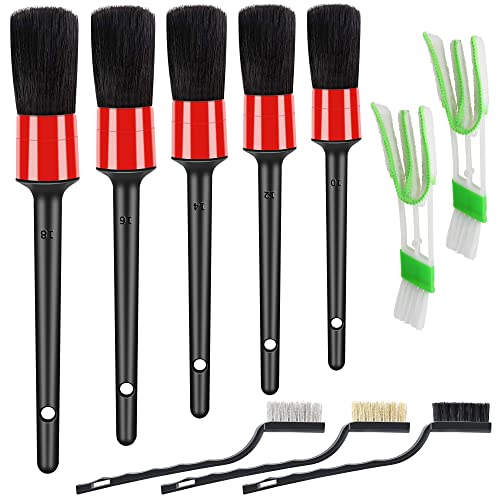
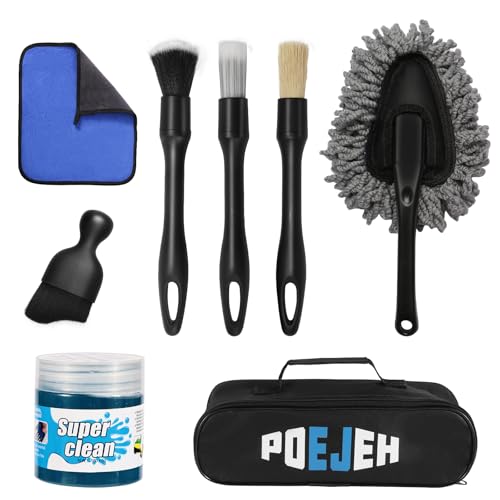
If you have cleaned your seat belts and are ready for the final touches on your car’s interior, having the right tools can make all the difference, especially when dealing with tough spots.


FAQs About Cleaning Car Seat Belts
This section proactively resolves common residual questions and clarifies nuances based on popular searches, aiming for concise yet complete answers to build final confidence.
What’s the best overall way to clean seat belts?
The best overall way to clean seat belts safely is a non-soaking, surface-cleaning technique. This involves fully extending the belt, spraying with a mild All-Purpose Cleaner (APC) or dish soap solution, scrubbing gently with a stiff-bristled brush in a downward motion, and then wiping completely dry with a microfiber towel.
How do you clean baby car seat belts safely?
The most critical part of cleaning baby car seat belts is checking the manufacturer’s manual. While the covers are usually machine washable (as seen with brands like Grayco), the webbing should not be soaked. Wipe the seat belts with a very damp cloth and a mild soap solution, and you can run the plastic buckles under water if necessary to remove debris.
Can I use a pressure washer on my seat belts?
No, you should never use a pressure washer on car seat belts. The intense force of the water from a power washer can easily damage the webbing fibers, destroying their structural integrity and rendering the seat belt unsafe and no longer compliant with its manufacturer safety rating.
What’s the best way to get gunk out of a seat belt buckle?
The best way to clean gunk out of a seat belt buckle is to first blast the area with compressed air to clear loose dust. Then, use a Q-tip or small brush lightly dampened with Isopropyl Alcohol (IPA) to scrub the internal components of the mechanism. Ensure you wipe away any excess moisture immediately with a dry cloth.
Can I use OxiClean or laundry detergent to clean seat belts?
Laundry detergent is often too harsh for seat belt webbing and can leave chemical residue that attracts dirt. The recommendation from data analysis suggests using a mild dish soap or a dedicated seat belt cleaner spray (like DP Seat Belt Cleaner). OxiClean should be avoided unless explicitly sanctioned by the vehicle or car seat manufacturer, as it may compromise the material.
Are there specific seat belt cleaner sprays I can buy at AutoZone?
Yes, you can find specific seat belt cleaner sprays at auto supply stores, which are formulated to be gentle on fabric and residue-free. Products like DP Belt Cleaner are examples of dedicated sprays that are designed to safely clean and condition seat belt webbing without compromising safety integrity.
How long does it take for a seat belt to dry after cleaning?
The drying time depends heavily on humidity and temperature, but you should allow for several hours. The seat belt must be completely dry to the touch before you release the clip and let it retract. If the belt is retracted while damp, it can lead to mold, mildew, and moisture-related damage to the retractor spring mechanism.
Final Summary: Key Takeaways for Safe and Effective Seat Belt Cleaning
Now you have the expert-approved method to safely clean your car seat belts. The foundation of this process, derived from professional detailing standards and critical safety warnings, ensures your car’s restraints are both clean and fully functional. The most important thing to remember is the safety-first approach. Go ahead and restore that fresh, clean feeling to your car’s interior!
Here are the critical takeaways:
- Safety First: Never soak the seat belt webbing. This is the cornerstone of expert advice, as soaking compromises the fabric’s safety integrity and manufacturer rating.
- The Right Tool and Cleaner: Use a mild cleaning agent (dish soap/APC) and a stiff-bristled brush, scrubbing gently in a downward motion to lift embedded dirt without damaging the material.
- Patience is Key: Always secure the seat belt in its fully extended position and allow it to air dry completely before retracting. This prevents damage to the retractor and prevents mildew.
- Buckle Maintenance: Use compressed air and rubbing alcohol to clean sticky buckles, addressing a functional problem with mechanical precision.
Last update on 2026-03-07 / Affiliate links / Images from Amazon Product Advertising API




![Is Remote Start Bad For Your Car Truth & Myths Debunked [year]](https://i0.wp.com/carxplorer.com/wp-content/uploads/2026/03/Is-Remote-Start-Bad-For-Your-Car-Truth-Myths-Debunked-year-2.jpg?resize=60%2C60&ssl=1 "Is Remote Start Bad For Your Car Truth & Myths Debunked [year] 15")
![Mercedes Car: Is It a Good Buy? The Complete Guide [year]](https://i0.wp.com/carxplorer.com/wp-content/uploads/2026/03/Mercedes-Car-Is-It-a-Good-Buy-The-Complete-Guide-year-2.jpg?resize=60%2C60&ssl=1 "Mercedes Car: Is It a Good Buy? The Complete Guide [year] 17")