
Buying a used car can feel like a gamble, but learning its history shouldn’t be. You need to know if you’re buying a well-cared-for vehicle or inheriting someone else’s problems. Understanding how to check the previous owners of a car is the single most important step you can take to uncover a vehicle’s true story and protect your investment. This guide breaks down the exact, data-driven methods to see a car’s past, what the information means, and what critical red flags you can’t afford to ignore.
To effectively check a car’s previous owners, you must use the vehicle’s unique 17-character Vehicle Identification Number (VIN) to purchase a comprehensive vehicle history report. Services like CARFAX or providers approved by the National Motor Vehicle Title Information System (NMVTIS) will detail the number of past owners, the states where the car was registered, and how it was used.
Leveraging extensive analysis of available data and established patterns, this guide unpacks the proven approaches to get a complete picture of a car’s ownership history. We will cover the essential free tools that can reveal major issues in seconds, how to interpret the data you find on a paid report, and the one crucial step that even the most detailed report can’t replace.
Key Facts
- The VIN is Non-Negotiable: The Vehicle Identification Number (VIN) is a unique 17-character code that acts as the car’s fingerprint; it’s the primary key required to unlock its entire history.
- History Reports Are the Gold Standard: Evidence suggests the most comprehensive way to determine a car’s ownership history is through a paid Vehicle History Report, which compiles data from thousands of sources including DMVs and insurance companies.
- “Free” Has Limitations: Free tools like the NICB’s VINCheck are valuable for spotting theft or salvage titles, but well-established research indicates they do not provide a detailed list of previous owners.
- Privacy is Protected: Due to privacy laws, a standard vehicle history report will show the number of owners and how the car was used (e.g., personal, rental) but will not reveal the personal names or contact information of past owners.
- Reports Aren’t a Replacement for Inspection: Authoritative sources like the Federal Trade Commission (FTC) explicitly state that a vehicle history report is not a substitute for an independent, hands-on inspection by a qualified mechanic.
Understanding the Basics: What is a VIN and Where to Find It?
The Vehicle Identification Number (VIN) is a unique 17-character code that acts as the car’s fingerprint and is the primary key to accessing its history. It is typically found on the driver’s side dashboard, door jamb, or on official vehicle documents. Before you can learn how to check previous owners of a car, you must first locate this critical piece of information. The VIN is a standardized code used by the entire automotive industry to identify and track every single vehicle.
Quick Fact: Think of the VIN as your car’s unique fingerprint, a 17-character code that unlocks its entire story.
You can almost always find the VIN in one of these common locations:
- On the Dashboard: Look through the windshield on the driver’s side of the car. You should see a small plate with the VIN stamped on it.
- Inside the Driver’s Door Jamb: Open the driver’s side door and look for a sticker on the frame where the door latches. The VIN is usually printed here along with tire pressure information.
- On Official Paperwork: The VIN will be clearly listed on the car’s title, registration card, and insurance documents.
Once you have this code, you have the key you need to unlock the vehicle’s complete history.
The Core Method: How to Check Previous Owners of a Car with a Vehicle History Report
To check the previous owners of a car, obtain the car’s VIN and use it to purchase a vehicle history report from a reputable provider. This report is the most comprehensive way to see the number of owners, where the car was owned, and how it was used. While some free tools exist for basic checks, a full vehicle history report is the definitive method for digging into a car’s past.
Before you spend a dime or sign any papers, this is the one step you can’t afford to skip.
Here’s the deal: The process is simple and powerful.
- Get the VIN: Obtain the 17-character VIN from the seller or the vehicle itself using the locations described above.
- Choose a Report Provider: Select a trusted vehicle history report service. The most well-known are CARFAX and AutoCheck, but there are also federally-backed options.
- Run the Report and Review: Pay the fee, enter the VIN, and instantly receive a detailed report. Navigate to the “Ownership History” section to find the information you need.
This method compiles data from state DMVs, insurance companies, repair shops, and more to give you a detailed timeline of the car’s life.

Paid Option 1: Using Premium Services like CARFAX and AutoCheck
CARFAX and AutoCheck are leading paid services that provide detailed reports including the number of previous owners, length of ownership, and the type of use (e.g., personal, rental, lease). These two companies have built their reputations on providing some of the most detailed vehicle history data available to consumers.
When you purchase a report from a service like CARFAX, you can expect to find a wealth of information beyond just ownership. Analysis from sources like KBB and CARFAX’s own materials show these reports typically include:
- Detailed Ownership History: The number of owners, the city and state where it was registered, and the estimated length of each ownership period.
- Title History: Information on any title “brands,” such as salvage, flood, or lemon law titles.
- Accident and Damage Reports: Data reported from police departments and insurance companies.
- Service and Maintenance Records: A history of oil changes, tire rotations, and other repairs reported by service shops.
- Odometer Readings: A history of mileage readings to check for potential rollback fraud.
- Type of Use: Critical information on whether the car was a personal vehicle, a corporate fleet car, a rental, or even a taxi or police vehicle.
Pro Tip: While these reports have a fee, a dealership or private seller may provide one for free to a serious buyer. Always ask!
Paid Option 2: Accessing NMVTIS-Approved Data Providers
The National Motor Vehicle Title Information System (NMVTIS) is a federal program that provides vehicle data through approved providers like GoodCar.com, offering a reliable way to check for title history, insurance loss, and salvage records. If you’re looking for a source of information with the backing of the U.S. government, this is your best bet.
Looking for a government-backed source of information? The NMVTIS is your starting point.
The system was created specifically to protect consumers from vehicle fraud and to prevent unsafe vehicles from being sold.
The National Motor Vehicle Title Information System (NMVTIS) is designed to protect consumers from fraud and unsafe vehicles and to keep stolen vehicles from being resold. It collects information on vehicle titles, insurance loss, and salvage data.
You don’t access the data directly from the government. Instead, the NMVTIS website provides a list of approved data providers that offer reports containing this official data. These reports are often more affordable than the premium services and are an excellent, authoritative source for checking a car’s most critical title and brand history.
Are There Free Ways to Find a Vehicle’s History?
Yes, free tools like the NICB’s VINCheck can reveal theft or salvage history, and the NHTSA’s website can show open recalls. However, these services do not provide a detailed list of previous owners like a paid report does. It’s crucial to understand what these fantastic free resources can and cannot do. They are excellent for flagging major deal-breakers but won’t give you the full ownership story.
While these free tools won’t give you a full ownership list, they can reveal critical red flags in seconds. Why wouldn’t you check?
Here’s a breakdown of what the best free tools offer:
| Service | What It Checks For | What It Doesn’t Show |
|---|---|---|
| NICB VINCheck | Insurance theft claims, salvage vehicle reports from participating insurers. | Detailed owner count, accident history, service records. |
| NHTSA Recall Check | Open safety recalls that have not been repaired. | Any information unrelated to manufacturer safety recalls. |
Data from consumer resources like NerdWallet makes it clear: “free VIN checks… aren’t the same as a vehicle history report.” Think of these free services as a preliminary screening. A clean result is good, but it doesn’t mean the car has a perfect history. A failed result, however, is an immediate and serious red flag.

How to Read a Vehicle History Report: What It Reveals About Previous Owners
A vehicle history report’s “Ownership History” section shows the number of previous owners, the states where it was registered, the length of each ownership period, and whether the car was used for personal, rental, or commercial purposes. Once you have the report in hand, knowing how to interpret the ownership data is key to making an informed decision. This section tells a story that goes far beyond a simple number.
Does the report show one long-term owner or a series of short-term owners? The answer tells a story.
Here’s what to look for and what it means:
- Number of Owners: A car with fewer owners might suggest it was well-maintained and loved. A high number of owners in a short period could indicate a recurring problem that owners kept trying to get rid of.
- Length of Ownership: Long ownership periods are generally a positive sign. Short stints of just a few months can be a red flag.
- Location of Ownership: Was the car registered in a state that uses a lot of road salt in the winter (risking rust) or a hot, dry climate (hard on plastics and rubber)?
- Type of Use: This is critical. A car used as a personal vehicle is often the best-case scenario. A former rental car or lease vehicle may have been driven hard by many different people. A car used as a taxi or police vehicle has likely seen severe use and should be inspected with extreme caution.
Critical Limitations: What a History Report Won’t Tell You
No single report contains all information, and recent data may be missing. A vehicle history report is a crucial tool but is not a substitute for a thorough, independent inspection by a qualified mechanic to uncover potential hidden issues. Building trust means being transparent, and the truth is that even the best vehicle history report has blind spots.
A clean report is a great start, but it’s not the finish line. Always trust, but verify with a professional mechanic.
Not every accident or repair is reported to the services that compile these histories. An owner could have paid for a repair out-of-pocket to avoid an insurance claim, meaning it would never appear on a report. Furthermore, there can be a lag time of weeks or even months for new information to be added.
This is why authoritative consumer protection sources are unanimous on the following point:
A vehicle history report is not a substitute for an independent vehicle inspection.
A qualified mechanic can put the car on a lift and spot things a report never could, like hidden frame damage, fresh paint indicating a hidden repair, or emerging mechanical problems. The report gets you 90% of the way there; the inspection is the final, non-negotiable step.
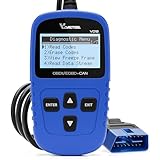
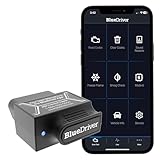
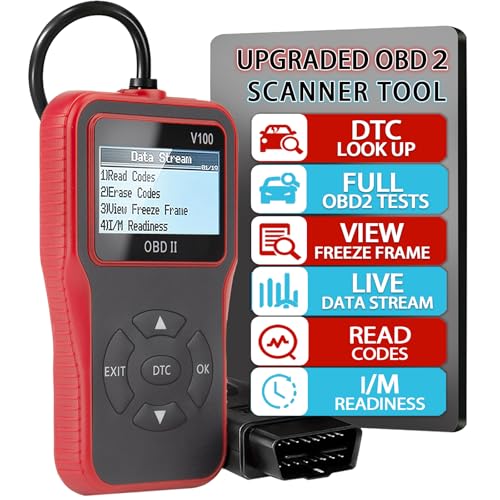
To take your own inspection a step further and identify potential electronic issues a report might miss, consider using a high-quality OBD2 scanner. These devices plug directly into the car’s diagnostic port and can read error codes from the engine, transmission, and other systems, giving you a deeper level of insight before you even visit a mechanic.



FAQs About How to Check Previous Owners of a Car
Does CARFAX show the names of previous owners?
No, a standard CARFAX report shows the number of previous owners, where the car was registered, and the type of ownership (personal, lease, etc.), but it does not reveal the personal names or contact information of past owners due to privacy laws. The focus is on the vehicle’s history and usage patterns, not the identity of the people who owned it. This protects the privacy of everyone involved.
Do VIN numbers show previous owners?
A VIN itself does not show previous owners. It is a code used to access a vehicle history report, which then provides details about the car’s ownership history. Think of the VIN as a key, not the information itself. You need the key to open the door to the database that contains the ownership records and other vital vehicle data.
Can I find the previous owners of a car for free?
You can perform free checks for major issues like theft records (NICB) or safety recalls (NHTSA), but these tools do not provide a detailed list of a car’s previous owners. For that information, a paid vehicle history report is typically required. The free tools are an essential first step for spotting big problems, but to see the full ownership timeline, you will need to invest in a comprehensive report.
How do I check a car’s history without the title?
You can check a car’s history without the title by getting the VIN directly from the vehicle itself—look on the driver’s side dashboard or inside the driver’s door jamb. In some regions, a license plate number can also be used to start a search. The title is just one place the VIN is located. As long as you have physical access to the car, you can easily find the VIN and run a full history check.
Final Summary: Making an Informed Decision with Ownership History
Knowing how to check the previous owners of a car transforms you from a hopeful buyer into an informed consumer. It’s about peeling back the layers of a car’s life to see its true condition, not just its shiny paint. By using the VIN to unlock a detailed vehicle history report and understanding what that data means, you arm yourself with the knowledge to avoid bad deals and identify genuinely great vehicles.
The ultimate goal is to combine data with a physical inspection for a complete, 360-degree view of your potential purchase. Take these steps and insights to move beyond just kicking the tires and truly understand the vehicle you’re about to buy.
Here are the three most critical takeaways for a successful vehicle history check:
- Use the VIN for a History Report: The single most effective action is to use the car’s VIN to buy a comprehensive history report from a trusted service like CARFAX, AutoCheck, or an NMVTIS-approved provider.
- Interpret the Ownership Story: Look beyond the simple owner count. Analyze the length of ownership, the location where it was driven, and, most importantly, the type of use (personal vs. rental/commercial).
- Never Skip the Inspection: A clean report is a fantastic sign, but it is never a replacement for a pre-purchase inspection by a qualified, independent mechanic who can spot hidden issues.
Last update on 2026-04-10 / Affiliate links / Images from Amazon Product Advertising API


