
Deciding on the perfect car wash schedule can feel confusing. You hear different advice from everyone—friends, family, and online forums. Are you washing your car too much, risking damage to the paint? Or are you not washing it enough, allowing corrosive grime to take hold? This constant uncertainty leaves many car owners wondering if they’re properly protecting their investment.
As a general rule, experts recommend washing your car every two weeks. However, this ideal frequency can change dramatically based on your specific environment and how you use your vehicle. This isn’t just about keeping your car shiny; it’s a critical part of its maintenance. Leveraging extensive analysis of industry data and established best practices, this guide unpacks the critical factors that determine your ideal wash schedule. We will provide a clear, actionable plan to help you effectively protect your car’s value and appearance for the long haul.
Key Facts
- The Two-Week Standard: The most common recommendation from industry experts is to wash your car every two weeks to remove contaminants before they can cause damage.
- Salt is the Enemy: In coastal areas or regions that use road salt in winter, washing your car weekly is crucial. As highlighted by multiple sources including Motorist.org and EverWash, salt is a primary catalyst for rust and corrosion on a vehicle’s undercarriage and body.
- Acidic Damage is Fast: Contaminants like bird droppings and bug guts are highly acidic. In summer heat, they can begin to etch into your car’s clear coat in just a matter of days, making prompt removal essential.
- Cleanliness Boosts Value: A well-maintained exterior is a key factor in a car’s resale value. Data from automotive sources consistently shows that vehicles with clean, well-preserved paint command higher prices, as it signals proper overall care to potential buyers.
- Method Matters More Than Frequency: Washing a car too often can be bad, but only if done improperly. Using harsh detergents (like dish soap) or abrasive automatic brushes is what causes damage, not the act of washing itself with the right materials.
The Definitive Answer: How Often Should You Wash Your Car?
As a general rule, experts recommend washing your car every two weeks. However, this ideal frequency can change dramatically based on your specific environment and how you use your vehicle. This two-week schedule is the perfect baseline for a typical car owner, striking a balance between preventing long-term damage from environmental contaminants and the effort of regular cleaning. This recommendation is supported by a consensus across numerous automotive care resources, including AAA and Progressive.

This general rule serves as a starting point, not a rigid command. Think of it as the default setting. The real key to proper vehicle care is understanding the specific factors that can shorten—or in rare cases, lengthen—this ideal car wash frequency. The goal is to adapt this schedule to your car’s unique exposure to dirt, grime, and corrosive elements. But is that ‘two-week rule’ right for your car and your lifestyle? Let’s find out.
Why Regular Car Washing is a Critical Investment in Your Vehicle
Many people view washing their car as a purely cosmetic chore. The truth is, it’s one of the most important and cost-effective maintenance tasks you can perform. Consistent washing goes far beyond a shiny appearance; it’s a crucial part of protecting your vehicle’s structural integrity, safety, and financial value. Think of regular washing not as a chore, but as a crucial part of maintaining one of your most valuable assets. Here’s why it’s so critical:
- Preserves Paint and Finish: Your car’s clear coat is its first line of defense against the elements. Everyday contaminants like dust, bird droppings, road tar, and tree sap contain abrasive or acidic compounds. If left to sit, they can cause micro-scratches, dullness, fading, and permanent etching in the paint. Regular washing removes these harmful substances before they can bond to and degrade the finish.
- Prevents Rust and Corrosion: This is arguably the most critical long-term benefit. Road salt, acid rain, and other chemicals are highly corrosive. They can eat through your paint and attack the metal underneath, especially in areas where the paint is already chipped or scratched. A consistent car wash schedule, particularly for the undercarriage, is the best defense against the formation of rust that can compromise your vehicle’s frame and body panels.
- Improves Safety: A dirty car can be a dangerous car. Grime on your windshield, windows, and mirrors obstructs your view of the road. Caked-on dirt on your headlights and taillights can reduce their brightness by a significant margin, making it harder for you to see at night and for other drivers to see you. A clean car is a car with maximum visibility.
- Boosts Resale Value: When it comes time to sell or trade in your vehicle, its appearance matters immensely. A car with shiny, well-maintained paint and no visible rust immediately signals to a potential buyer that it has been cared for. According to multiple automotive resources, this perception of good maintenance can significantly increase its appeal and final selling price.
Key Factors That Determine Your Ideal Car Wash Schedule
The “every two weeks” rule is a solid starting point, but it’s not a one-size-fits-all solution. To truly master the art of how often to wash a car, you need to become an expert on your own driving life. Your local climate, daily commute, and even where you park your car at night are the variables that dictate your perfect car wash schedule. By evaluating these factors, you can adjust your routine from weekly to monthly to provide the precise level of care your vehicle needs. Which of these factors applies most to your daily drive? The answer will tell you how to adjust your schedule.
Your Driving Environment: Roads and Regions
The roads you travel on are constantly kicking up substances that can harm your vehicle’s finish. From corrosive salt to abrasive dust, your driving environment is a primary factor in determining your wash frequency. If you live in a high-risk area, adjusting to a weekly wash is not just an option—it’s a necessity for long-term protection.
| Condition | Recommended Frequency | Primary Risk |
|---|---|---|
| Coastal / Salted Roads | Weekly | Rust & Corrosion |
| Dusty / Construction Zones | Weekly | Paint Scratches |
| Off-Roading | After Each Trip | Caked-on Mud/Debris |
Drivers in coastal regions with salty air or in areas with harsh winters where roads are heavily salted should be the most vigilant. Salt is the single most aggressive catalyst for rust, and leaving it on your car’s body and undercarriage for more than a few days can initiate the corrosion process.
Weather and Seasons: Adapting to the Elements
Just as you change your wardrobe with the seasons, your car wash schedule needs to adapt to the weather. Each season brings its own unique set of environmental threats that can wreak havoc on your car’s paint and finish if left unaddressed.
- Winter Warfare: This is the most dangerous season for your car’s exterior. A combination of road salt, sand, and grime creates a corrosive paste that sticks to every surface, especially the undercarriage. To combat this, you should wash your car at least weekly, and even more often after a significant snowstorm or when roads are visibly white with salt.
- Summer Assault: Sunny days bring their own challenges. Bug guts are surprisingly destructive; their insides are acidic and, when baked onto your paint by the sun, can quickly cause permanent etching. The same is true for tree sap. Pro Tip: In summer, don’t let bug splatter or bird droppings sit! The heat bakes their acidic compounds into your paint, causing permanent damage. A quick wash is needed to neutralize these threats.
- Rainy Season Residue: It’s a common misconception that rain washes your car. In reality, rainwater is often filled with pollutants and acid. As the water evaporates, it leaves behind a film of dirt and minerals that can cause water spots, which can be very difficult to remove if left for too long.
Parking and Usage: The Daily Exposure Factor
Where your car spends its time and how often it’s on the road play a huge role in how quickly it gets dirty. A daily commuter parked in an open lot will need a much different car wash frequency than a weekend cruiser that lives in a climate-controlled garage.
Parked Outside? Expect to wash weekly or every two weeks at a minimum. A car parked outdoors is under constant assault from bird droppings, tree sap, dust, pollen, and industrial fallout. These contaminants don’t take a day off, so your cleaning schedule can’t either.
Garage-Kept? You can likely extend your schedule to every 2-3 weeks, or even longer. A garage provides a powerful shield against the worst environmental contaminants. While the car will still get dirty from being driven, its downtime is spent in a safe, protected environment, significantly slowing the accumulation of harmful grime.
Similarly, a car driven 50 miles a day through traffic will accumulate far more road grime, brake dust, and pollutants than one that’s only used for occasional errands. The more you drive, the more you need to wash.
Telltale Signs: When Your Car Is Begging for a Wash
While a schedule is great for discipline, the best way to know when to wash your car is simply to look at it. Your vehicle will give you clear visual and tactile cues when it’s time for a cleaning. Learning to spot these signs allows you to be proactive, washing your car based on its actual condition rather than just the calendar. Go take a quick look at your car. Do you see any of these signs? It might be time for a wash, regardless of your schedule.
Here is an expert checklist of signs that your car needs a wash immediately:
- Visible Dirt and Grime: This is the most obvious sign. If you can see a layer of dust or mud, or if the car looks “dull” from a distance, it’s time. Don’t wait for the dirt to build up, as every particle is an abrasive that can scratch the paint.
- Rough or Sticky Surface: Run your hand gently over a clean, dry section of your car’s paint (like the upper part of a door). If it feels gritty or rough instead of perfectly smooth, it’s covered in bonded contaminants that need to be washed off. Sticky spots often indicate tree sap or road tar.
- Bird Droppings, Bugs, or Tree Sap: These are Code Red contaminants. Their acidic nature means they start damaging your paint immediately. They should be cleaned off as soon as you spot them, even if it’s just a spot clean between full washes.
- Water Spots After Rain: After a rain shower, check your car once it dries. If you see distinct mineral rings or spots, it means the rainwater was dirty. These spots can etch into the clear coat if not washed away promptly.
- Water Doesn’t Bead Anymore (For Coated Cars): If you have a wax, sealant, or ceramic coating on your car, a key sign it needs washing is when water stops beading up into tight, round drops. When water “sheets” or lies flat on the surface, it means the coating is clogged with a layer of dirt and its protective, hydrophobic properties are being masked. A proper wash will restore them.
The Risks of Washing Too Often vs. Not Enough
There’s a delicate balance when it comes to car wash frequency. Both extremes—neglect and over-washing—come with their own set of risks. Understanding these potential pitfalls helps clarify why a consistent, proper washing routine is the sweet spot for vehicle maintenance. The key isn’t just how often, but how well you wash. The right methods prevent the risks of over-washing.
| Risk of Not Washing Enough | Risk of Washing Too Much (or Improperly) |
|---|---|
| Permanent paint damage from contaminants | Micro-scratches from abrasive automatic washes |
| Rust and corrosion from salt/chemicals | Stripping of protective wax and sealants |
| Reduced visibility from dirty windows | Damage from harsh, non-automotive detergents |
| Significant drop in resale value | Fading or dulling of the clear coat over time |
Not washing your car is a recipe for long-term, costly damage. As dirt, salt, and environmental fallout sit on the surface, they slowly eat away at the clear coat and paint, leading to fading, scratches, and eventually, rust.
Conversely, the fear of washing a car “too much” is valid, but it’s almost always related to the method, not the frequency. According to information found in SERP analysis, washing a car too frequently with very harsh soaps (like dish detergent) can eat away at the clear coat and strip any protective wax or sealant. Likewise, using automated car washes with abrasive, gritty brushes can inflict thousands of tiny scratches, creating “swirl marks” that dull the finish. Washing your car every week with the proper tools and soaps is safe; washing it with the wrong ones is always risky.
Best Practices for a Safe and Effective Car Wash
Knowing how often to wash a car is only half the battle. To ensure your efforts are helping, not hurting, you must use the right techniques. Following a few professional best practices will prevent scratches and guarantee a safe, effective clean every time, preserving your car’s finish for years to come.
- Use the Right Products: This is non-negotiable. Never use dish soap, laundry detergent, or any other household cleaner on your car. These are designed to strip grease and are far too harsh for automotive paint, stripping away essential waxes and sealants. Always use a pH-neutral car-specific soap. Pair it with a soft microfiber wash mitt, not an old sponge that traps grit.
- Wash Top-to-Bottom: Always start with the roof and work your way down. The lower sections of the car (rocker panels, bumpers, and behind the wheels) are always the dirtiest. Washing them last prevents you from dragging the heaviest grit across your car’s most visible surfaces.
- Adopt the Two-Bucket Method: This simple technique is a game-changer for preventing scratches. Fill one bucket with your car wash soap solution and a second bucket with plain, clean water. After washing a panel, rinse your dirty mitt in the plain water bucket before putting it back into the soapy water. This keeps the dirt you’ve just removed out of your clean soap, so you’re not rubbing it back onto the paint.
- Clean Wheels and Tires Separately: Your wheels and tires collect corrosive brake dust and heavy road grime. Use a separate set of brushes and tools for them to avoid transferring these harsh materials to your paint.
- Dry Thoroughly and Gently: Letting a car air-dry is a primary cause of water spots. Use a large, plush microfiber drying towel or a dedicated car air blower to gently remove all water from the surface. This leaves a streak-free, spot-free finish.
- Protect Your Work: For an added layer of protection and shine, apply a coat of wax or a paint sealant every 3-4 months. This creates a sacrificial barrier on top of your clear coat that makes future washes easier and provides robust defense against contaminants.

For a visual guide on these techniques, check out this helpful video:
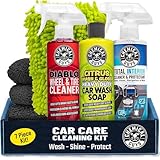
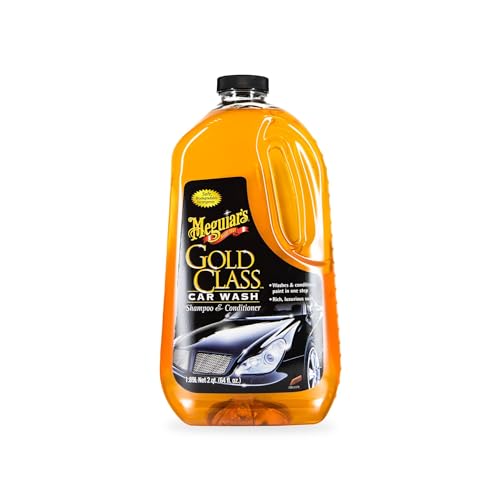
To truly implement these best practices, having a complete set of high-quality detailing products is essential for achieving a safe and sparkling clean.




FAQs About how often to wash a car
Is it okay to get a car wash once a week?
Yes, washing your car once a week is perfectly fine and even recommended if you live in a coastal area, drive on salted roads in winter, or are frequently exposed to dust and pollution. As long as you use proper, non-abrasive methods and pH-neutral soap, weekly washing is one of the best ways to prevent long-term damage in harsh environments.
Can too many car washes be bad for your car?
Yes, washing a car too much can be harmful if you use harsh detergents (like dish soap) or abrasive automatic wash brushes, which can strip wax and scratch the paint. The damage comes from the improper method, not the frequency. A gentle hand wash, even daily, is less harmful than a single trip through a harsh, poorly maintained automatic wash.
What happens if you don’t wash your car often?
If you don’t wash your car often, contaminants will have time to damage your vehicle. According to SERP data and expert analysis, this neglect leads to several consequences:
* Permanent paint damage from acidic bird droppings and bug guts.
* Micro-scratches and fading from abrasive dirt and UV rays.
* Rust and corrosion as road salt and chemicals eat through the clear coat and metal.
* Reduced resale value due to poor appearance.
How often should I wash my car in the winter?
During winter, you should wash your car at least once a week, or more often if possible, to remove corrosive road salt that can severely damage your vehicle’s paint and undercarriage. An undercarriage spray is especially important during winter washes to flush out salt from the chassis and suspension components where it can cause the most harm.
How often should I clean my car interior?
A good rule of thumb is to clean your car’s interior once a month. This general advice, found in sources like SS Wash, should include vacuuming the carpets and seats, wiping down all hard surfaces like the dashboard and door panels, and cleaning the inside of your windows and mirrors. Regular interior cleaning maintains hygiene and preserves the condition of the materials inside.
Final Summary: Your Personalized Car Wash Plan
While the industry standard of “every two weeks” is a fantastic starting point, the ultimate answer to how often to wash a car is deeply personal. It’s not about following a rigid rule but about creating a responsive schedule that accounts for your unique location, weather, and driving habits. By understanding the impact of road salt in the winter, acidic bug guts in the summer, and where you park your car every night, you can move beyond guesswork and implement a truly effective maintenance routine.
To recap the most critical takeaways:
- Start with the two-week rule and adjust from there.
- Increase frequency to weekly if you face salt, heavy dust, or constant exposure to outdoor contaminants.
- Wash immediately to remove destructive substances like bird droppings and bug splatter.
- Always use the right tools, like pH-neutral soap and microfiber towels, to protect your paint.
Use this guide to confidently create a car wash schedule that protects your investment and keeps your vehicle looking its best for years to come.
Last update on 2026-03-30 / Affiliate links / Images from Amazon Product Advertising API


![Dubai Luxury Cars: Ultimate Guide for Buying & Renting [year]](https://i0.wp.com/carxplorer.com/wp-content/uploads/2026/03/Dubai-Luxury-Cars-Ultimate-Guide-for-Buying-Renting-year-1.jpg?resize=60%2C60&ssl=1 "Dubai Luxury Cars: Ultimate Guide for Buying & Renting [year] 10")
![9 Old Luxury Cars: Cheap, Reliable & Built to Last [year]](https://i0.wp.com/carxplorer.com/wp-content/uploads/2026/03/9-Old-Luxury-Cars-Cheap-Reliable-Built-to-Last-year-1.jpg?resize=60%2C60&ssl=1 "9 Old Luxury Cars: Cheap, Reliable & Built to Last [year] 12")

![Luxury Cars White: 9 Elegant Designs & Top Models for [year]](https://i0.wp.com/carxplorer.com/wp-content/uploads/2026/03/Luxury-Cars-White-9-Elegant-Designs-Top-Models-for-year-1.jpg?resize=60%2C60&ssl=1 "Luxury Cars White: 9 Elegant Designs & Top Models for [year] 16")
![Blue Luxury Cars: 11 Stunning Models & Shades in [year]](https://i0.wp.com/carxplorer.com/wp-content/uploads/2026/03/Blue-Luxury-Cars-11-Stunning-Models-Shades-in-year-1.jpg?resize=60%2C60&ssl=1 "Blue Luxury Cars: 11 Stunning Models & Shades in [year] 18")