Knowing how much do car trailers weigh is the critical first step to a safe and successful towing journey. Getting this number wrong can lead to dangerous instability on the road, damage to your tow vehicle, or even legal trouble. It’s a question that seems simple but has a surprisingly complex answer depending on the trailer’s design, material, and purpose.
The empty weight of a car trailer can range from as little as 800 pounds for a light-duty open model to over 10,000 pounds for a heavy-duty enclosed gooseneck. The most common tandem-axle open car haulers typically weigh between 1,500 and 2,500 pounds.
This ultimate guide will break down everything you need to know about car trailer weights. Leveraging extensive analysis of manufacturer specifications and safety guidelines, we will demystify the numbers. You’ll learn the specific weight ranges for every major trailer type, understand the key factors that add pounds, and, most importantly, discover how to use this information to calculate your true capacity and tow with complete confidence.
Key Facts
- Vast Weight Spectrum: Car trailer empty weights span a massive range, from approximately 800 pounds for the lightest single-axle open trailers to over 10,000 pounds for large, feature-rich gooseneck enclosed haulers.
- Common Open Trailer Weight: The “workhorse” of car hauling, a standard tandem-axle open trailer, typically has a curb weight between 1,500 and 2,500 pounds, according to data from leading brands like Big Tex Trailers.
- Significant Enclosed Trailer Weight: A standard 20-foot enclosed car trailer adds a significant weight penalty for its protection, usually weighing between 3,000 and 5,000 pounds empty.
- Aluminum’s Weight Advantage: Choosing an aluminum trailer over a comparable steel model can reduce the empty weight by 20-30%, a fact highlighted by specialty manufacturers like Featherlite and Aluma, directly increasing your available payload.
- Safety is Paramount: Understanding a trailer’s empty weight is a critical safety component. As emphasized by the National Highway Traffic Safety Administration (NHTSA), this knowledge is essential for ensuring your total load does not exceed your vehicle’s towing capacity, preventing accidents.
Car Trailer Weights at a Glance: Key Numbers for Safe Towing
Car trailers can weigh anywhere from 800 pounds (small open trailer) to over 10,000 pounds (large enclosed gooseneck). The most common tandem-axle open trailers weigh between 1,500 and 2,500 pounds empty. This empty weight, also known as the “tare weight” or “curb weight,” is the starting point for every towing calculation you’ll make. Based on analysis of data from leading manufacturers like PJ Trailers and Big Tex Trailers, the typical weight ranges are clear.

Here is a quick reference table to give you a clear picture of what to expect.
| Trailer Type | Typical Empty Weight Range (lbs) | Typical Empty Weight Range (kg) |
|---|---|---|
| Single-Axle Open | 800 – 1,500 lbs | 360 – 680 kg |
| Tandem-Axle Open | 1,500 – 2,500 lbs | 680 – 1,135 kg |
| Tandem-Axle Enclosed | 3,000 – 5,000 lbs | 1,360 – 2,270 kg |
| Gooseneck Enclosed | 5,000 – 10,000+ lbs | 2,270 – 4,535+ kg |
But what makes one trailer weigh 1,000 pounds and another over 5,000? Let’s break it down.
Open Car Trailer Weights: A Detailed Breakdown
Open car trailers typically weigh between 800 and 3,000 pounds. Single-axle trailers are the lightest (800-1,500 lbs), while tandem-axle trailers offer more capacity and weigh 1,500-2,500 lbs on average. These are the most common types of car haulers you’ll see on the road due to their versatility and lower cost. The final open car trailer weight depends heavily on the number of axles and the primary construction material. The data from manufacturers such as PJ Trailers and Big Tex Trailers confirms these distinct categories.
Pro Tip: Remember, an aluminum trailer can save you 20-30% in empty weight, directly increasing your available payload for the same tow vehicle!
Single-Axle Open Trailers (Light-Duty)
Empty weight for single-axle open trailers ranges from approximately 800 to 1,500 pounds. These trailers are the lightest and most basic option available for vehicle transport. Their design prioritizes simplicity and low weight, making them suitable for smaller tow vehicles. However, their single axle limits their overall weight capacity.
- Empty Weight Range: 800 – 1,500 pounds (360 – 680 kg).
- Best For: Lighter cars, UTVs, ATVs, and shorter distances where high capacity isn’t required.
Quick Fact: These trailers are the entry-point for vehicle hauling but have limited payload capacity.
Tandem-Axle Open Trailers (Standard Car Haulers)
A standard tandem-axle open car hauler weighs between 1,500 and 2,500 pounds empty, offering a balance of weight and capacity. This is the workhorse of the car hauling world. The addition of a second axle, creating a “tandem-axle” setup, dramatically increases stability on the highway and boosts the trailer’s Gross Vehicle Weight Rating (GVWR). According to data that aligns with manufacturers like Kaufman Trailers, these are built to handle most standard passenger vehicles.
- Typical Empty Weight: 1,500 – 2,500 pounds (680 – 1,135 kg).
- Heavy-Duty Versions: Up to 3,000+ pounds (1,360 kg), especially with heavy steel decks or added features like winches.
This is the workhorse of car hauling. Is this the type you’re picturing for your needs?
Enclosed Car Trailer Weights: Protecting Your Asset
Enclosed car trailers add significant weight for protection, typically weighing 3,000-5,000 pounds for a standard 20-foot model and 5,000-10,000+ pounds for larger gooseneck versions. While an open trailer gets the job done, an enclosed car trailer provides a fortress for your vehicle, protecting it from weather, road debris, and theft. This protection comes from walls, a roof, and a heavy-duty ramp door, all of which add substantial tare weight. Data from trusted brands like Pace American and ATC Trailers show a clear weight increase compared to open models.
The added protection is a huge benefit, but as you can see, it comes at a significant weight cost that demands a capable tow vehicle.
| Trailer Type | Avg. Empty Weight (lbs) | Notes |
|---|---|---|
| Tandem-Axle Enclosed (20-ft) | 3,000 – 5,000 lbs | The most common size for a single car. |
| Custom Enclosed (24-ft+) | 4,500 – 8,000+ lbs | Weight increases with length and features. |
| Gooseneck/Fifth-Wheel Enclosed | 5,000 – 10,000+ lbs | For heavy-duty, multi-car, or workshop use. |
Standard Tandem-Axle Enclosed Trailers
A standard 20-foot tandem-axle enclosed trailer weighs 3,000 to 5,000 pounds empty, with custom versions weighing much more. This is the go-to choice for classic car enthusiasts, racers, and anyone needing secure, weatherproof transport for a single vehicle. The base weight is already double that of an open trailer, and it can climb quickly.
- Common Size: 20-foot length is a popular choice for balancing maneuverability and space.
- Empty Weight Range: 3,000 – 5,000 pounds is the typical starting point.
- Heavier Custom Models: Can easily exceed 6,000 – 8,000 pounds with features like insulation, interior lighting, air conditioning, generators, cabinets, or living quarters.
Before you add that winch or toolbox, remember every accessory adds to the tare weight and reduces your payload!
Gooseneck & Fifth-Wheel Enclosed Trailers (Heavy-Duty)
Gooseneck and fifth-wheel enclosed trailers are the heaviest, with empty weights starting at 5,000 lbs and often exceeding 10,000 lbs. Designed for the most demanding jobs, these trailers utilize a hitch mechanism located in the bed of a pickup truck. This design, common among brands like Continental Cargo and United Trailers, provides superior towing stability and allows for much higher weight capacities. They are the top choice for hauling multiple vehicles, creating mobile workshops, or for professional racing teams.
- Empty Weight Range: 5,000 – 10,000+ pounds (2,270 – 4,535+ kg).
- Key Advantage: Superior towing stability and a much higher Gross Vehicle Weight Rating (GVWR).
- Requires: A heavy-duty pickup truck (2500/3500-series or larger) equipped with an in-bed hitch system.
Key Factors That Determine a Car Trailer’s Weight
A trailer’s final weight is determined by its material (steel vs. aluminum), size (length/width), number of axles, deck material (steel/wood), and added accessories like ramps, winches, or toolboxes. Understanding these variables is key to estimating how much a car trailer will weigh and why two seemingly similar trailers can have very different numbers on the scale.
- Construction Material: This is the single biggest factor. Steel is the traditional choice—it’s strong, durable, and less expensive. However, it’s very heavy. Aluminum is a premium option that costs more but, as confirmed by data from sources like Featherlite and Aluma, is 20-30% lighter than steel. This weight saving translates directly into more available payload capacity.
- Size and Dimensions: It’s simple physics—a longer, wider, or (for enclosed trailers) taller trailer requires more material and will weigh more. An 18-foot trailer will be lighter than a 24-foot trailer of the same design.
- Number of Axles: A single-axle trailer is the lightest configuration. Adding a second (tandem) axle adds the weight of the axle itself, plus springs, hubs, brakes, wheels, and tires, significantly increasing the empty weight but also the overall stability and legal weight limit.
- Deck Material: On open trailers, the choice of decking matters. A treated wood deck is the standard and relatively light. A heavy-duty diamond-plate steel deck offers maximum durability but can add several hundred pounds to the trailer’s empty weight.
- Features and Accessories: Every option adds weight. Heavy-duty ramps, a powerful electric winch, a spare tire and mount, toolboxes, and storage cabinets all contribute to the final curb weight. On enclosed trailers, this effect is magnified with items like generators, air conditioning units, and insulation.
Which of these factors is the biggest surprise to you when it comes to adding weight?
Why Trailer Weight Matters: Understanding GVWR, Payload, and Safety
Understanding trailer weight is crucial for safety. It determines your payload capacity (GVWR minus empty weight) and ensures you do not exceed your tow vehicle’s maximum towing capacity, preventing accidents and legal issues. The empty weight figure isn’t just a number; it’s the foundation of towing safety and legality. Failing to understand its implications can have severe consequences, a point strongly emphasized by safety bodies like the NHTSA and regulatory agencies like the FMCSA.
Here’s what you need to know:
- Gross Vehicle Weight Rating (GVWR): This is the absolute maximum weight the trailer is designed to carry, including the trailer’s own weight. It is set by the manufacturer and should never be exceeded.
The GVWR is a safety rating that considers the limits of the axles, tires, frame, and coupler. You can find this number on the manufacturer’s compliance label or sticker, usually located on the trailer’s frame or tongue.
- Payload Capacity: This is the actual amount of weight you can put on the trailer. The calculation is simple but non-negotiable:
GVWR – Empty Weight = Payload Capacity
For example, if a trailer has a GVWR of 7,000 pounds and an empty weight of 2,100 pounds, its maximum payload capacity is 4,900 pounds. The vehicle you are hauling must not weigh more than this.
- Towing Capacity: Your truck or SUV also has a maximum towing capacity, which is the total weight it can safely pull. The Gross Trailer Weight (GTW), which is the empty trailer weight plus the weight of your cargo, must always be below your vehicle’s rated towing capacity. Exceeding this limit can cause catastrophic brake failure, transmission damage, and a complete loss of control.
Pro Tip: Always find the manufacturer’s compliance label on the trailer. It will list the official empty weight and GVWR – don’t guess!

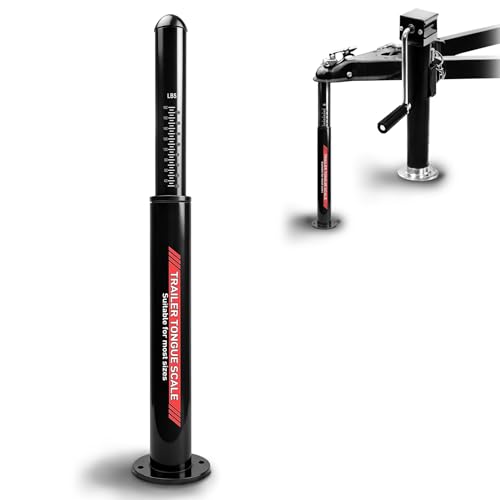
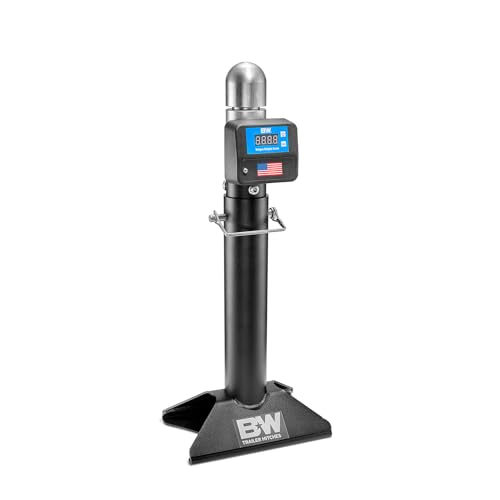
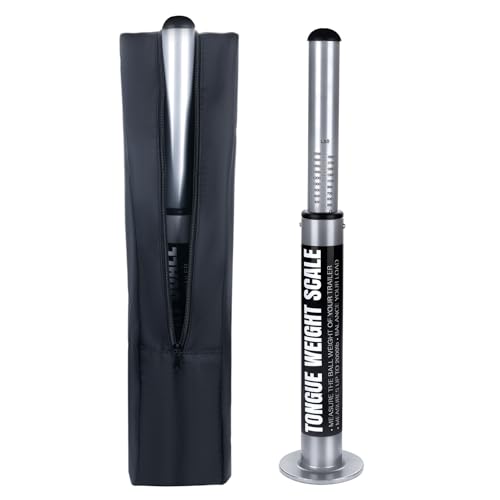
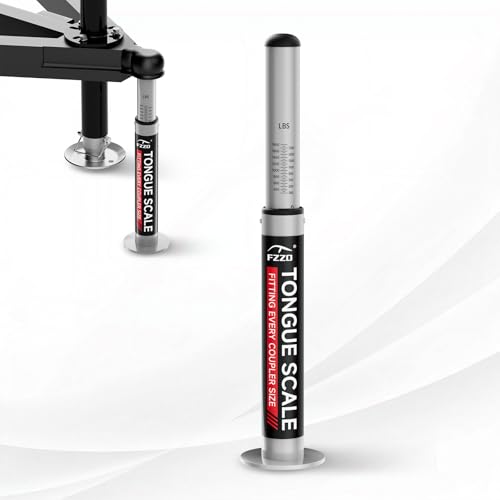
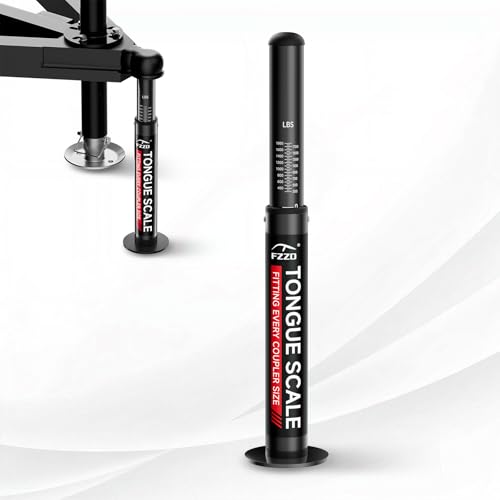
To ensure you never miscalculate these critical figures, investing in the right equipment is a smart move. A high-quality trailer tongue weight scale can help you properly balance your load for optimal stability.


FAQs About Car Trailer Weights
How much does a 16 foot car trailer weigh?
A 16-foot tandem-axle open car trailer typically weighs between 1,500 and 2,000 pounds empty. An enclosed 16-foot trailer would likely start around 2,500 pounds. The final weight depends on its construction material (steel or aluminum) and features like the type of deck and ramps.
How heavy is an 18 ft car hauler?
An 18-foot tandem-axle open car hauler generally weighs between 1,800 and 2,500 pounds empty, depending on whether it has a steel or wood deck and other features. This is one of the most popular sizes for hauling standard passenger cars and light trucks.
Can a 1500 (half-ton) truck pull a car trailer?
Yes, most 1500-series trucks can pull a standard open car trailer with a car. However, you must verify the truck’s specific towing capacity and ensure the total weight (trailer + vehicle) does not exceed it. Towing a heavy enclosed trailer may require a heavy-duty truck (2500/3500 series) to stay within safe limits.
What is the difference between trailer empty weight and GVWR?
Empty weight (or tare weight) is the weight of the trailer by itself. GVWR (Gross Vehicle Weight Rating) is the maximum total weight the trailer is designed to handle, including the trailer itself plus all cargo. Your cargo weight plus the empty weight must never exceed the GVWR.
How do I find the exact weight of a specific trailer?
The most accurate weight is listed on the manufacturer’s compliance decal or sticker, usually located on the trailer’s frame. For rental trailers like from U-Haul, the weight is often stamped on the tongue or listed in the rental agreement. If you cannot find this information, the only way to be certain is to take the empty trailer to a certified public scale.
Final Summary: Key Takeaways on Car Trailer Weights
In the end, knowing how much do car trailers weigh is about much more than just satisfying curiosity—it’s the cornerstone of safe and legal towing. We’ve seen that the answer can vary from a lightweight 800-pound frame to a 10,000-pound steel behemoth. The key is to move beyond general estimates and understand the specific weight of the trailer you intend to use. This knowledge empowers you to make critical safety calculations, ensuring you never overload your trailer or exceed your vehicle’s capabilities.
- Weight Varies by Type: Open trailers are the lightest (800-2,500 lbs), while enclosed trailers carry a significant weight penalty for their protection (3,000-10,000+ lbs).
- The Critical Formula: Always remember that Payload Capacity = GVWR – Empty Weight. This simple math dictates how much vehicle you can safely load onto your trailer.
- Safety Above All: Your total loaded trailer weight must be less than both the trailer’s GVWR and your vehicle’s maximum towing capacity. There is no safe way to compromise on this rule.
Armed with this knowledge, you can now confidently choose the right trailer and tow safely. Check your vehicle’s tow rating and happy hauling
Last update on 2026-03-04 / Affiliate links / Images from Amazon Product Advertising API