
That sinking feeling when you turn the key and hear nothing but a click is universal. You’ve managed to get a jump start, the engine is finally running, but now a new uncertainty sets in: what’s next? You’re left wondering exactly how long to drive the car after a jump start. Do you need a quick trip around the block or a long-haul journey on the highway? Driving too little could leave you stranded again, while driving too much feels like a waste of time and fuel.
For most cars, you should drive for at least 15-30 minutes after a jump start. For a more substantial charge, especially with an older battery or in cold weather, aiming for a 30 to 60-minute drive at consistent highway speeds is the most effective approach.
This guide, built on a comprehensive analysis of expert data and established automotive principles, cuts through the confusion. We’ll break down not just how long you need to drive, but why it’s so critical. You’ll learn the key factors that change your required driving time, the most effective way to drive for a solid recharge, and how to tell if you’re dealing with a simple dead battery or a more serious underlying problem.
Key Facts
- Minimum Drive Time: The consensus among automotive experts is that a minimum drive of 15 to 30 minutes is necessary to give a battery enough surface charge to restart the engine later.
- Highway Driving is Superior: Driving at consistent highway speeds is far more effective for recharging than stop-and-go city driving or idling, as it keeps engine RPMs high and maximizes alternator output.
- Battery Age Matters: A battery’s ability to hold a charge diminishes with age. Batteries older than 3-5 years often require a much longer drive—potentially an hour or more—to sufficiently recharge after being drained.
- Driving Isn’t a Full Charge: While driving helps, it rarely restores a deeply discharged battery to 100%. For optimal long-term health and to prevent future issues, using a dedicated smart or trickle charger is highly recommended.
- Safety First: A battery emitting a pungent, “rotten egg” smell is a critical warning sign of internal damage. As highlighted by safety guidance from sources like the RAC, you should never attempt to jump-start such a battery, as it can be dangerous.
The Quick Answer: How Long to Drive After a Jump Start

For most cars, drive for at least 15-30 minutes after a jump start. For a more substantial charge, especially with an older battery, aim for a 30 to 60-minute drive at highway speeds.
Let’s break that down. The absolute bare minimum recommended by multiple automotive sources is 15 to 30 minutes. This should give a relatively healthy battery enough juice to start again on its own. However, to be on the safe side and give your battery a more meaningful recharge, the gold standard is 30 to 60 minutes.
Here’s the core recommendation at a glance:
* Absolute Minimum: 15-30 minutes
* Recommended for Most Cars: 30 minutes
* Ideal for Older/Drained Batteries: 60+ minutes
Pro Tip: In a hurry? Aim for the minimum, but know that more is always better for your battery’s health. Giving it that extra time on the road can be the difference between a reliable start tomorrow and another call for a jump.
Why Driving is Crucial: Understanding Your Car’s Alternator
So, a jump start is just the first step, but what really saves the day? Your alternator. A common misconception is that the jump start itself charges the battery. In reality, it only provides a powerful jolt of electricity—just enough to crank the engine and get it running. Once the engine is on, the real work begins.
Think of a jump start as a defibrillator for the car, delivering a crucial shock to get the heart (engine) pumping. But the alternator is the steady IV drip that brings the patient (battery) back to health.
Here’s how the process works:
1. The Jump Start: This provides the initial, external power needed to overcome the dead battery and turn the engine over.
2. The Engine Runs: Once the engine is running, it spins a series of belts, including one connected to the alternator.
3. The Alternator Engages: The spinning alternator generates its own electricity. This electrical power runs all your car’s systems—lights, radio, computer—and, most importantly, sends a steady current back to the battery to replenish its charge.
Without this crucial driving time, the battery remains depleted. If you were to turn the car off immediately after the jump, you’d find yourself right back where you started: stranded with a car that won’t start.
5 Key Factors That Determine Your Driving Time
The 30-minute rule is a great guideline, but it’s not one-size-fits-all. Several variables can affect how long you need to drive after a jump start. Understanding these factors will help you make a more informed decision for your specific situation.
- Battery Age & Condition: This is the biggest factor. A new battery under three years old will accept a charge much more efficiently than an older one. If your battery is approaching the typical 3-6 year lifespan, its internal components are likely degraded. It can’t hold a charge as well and will require a significantly longer drive to get back to a stable state.
- Depth of Discharge: Was the battery just slightly drained, or was it completely dead? If you simply left an interior light on for a few hours, a shorter drive might suffice. But if the battery was drained to zero for a day or more, it’s deeply discharged and will need a much longer, sustained drive—an hour or more—to recover.
- Weather Conditions: Extreme cold is a battery’s worst enemy. Cold temperatures slow the chemical reactions inside the battery, reducing its efficiency and making it harder to accept a charge. In the winter, you should always err on the side of a longer drive. Extreme heat can also damage a battery’s health over time, affecting its ability to recharge.
- Electrical Load: Your alternator has to power everything. If you’re driving with the air conditioning blasting, the stereo on, heated seats warming, and headlights blazing, less power is available to go back into the battery. To maximize the charge, turn off all non-essential accessories for at least the first 15-20 minutes of your drive.
- Alternator Health: The entire process relies on a healthy charging system. If your alternator is weak or failing, you could drive for hours and the battery would never get a sufficient charge. If you find your battery dies repeatedly, the alternator could be the culprit.
Quick Fact: Did you know? Extreme cold can significantly slow down your battery’s ability to accept a charge, meaning you’ll need to drive longer in the winter.
How to Drive for the Most Effective Charge: Highway vs. Idling
The way you drive is just as important as how long you drive. To get the most effective charge into your battery, you need to help your alternator work at its peak efficiency. This happens when the engine is spinning at higher revolutions per minute (RPMs).
Driving at consistent highway speeds is the most effective way to recharge your battery because it allows the alternator to generate maximum power. Idling in your driveway is far less effective.
Let’s compare the different methods:
| Driving Method | Charging Effectiveness | Why It Works |
|---|---|---|
| Highway Driving | High | Consistent high RPMs maximize alternator output. |
| City Driving | Medium | Inconsistent RPMs provide a less efficient charge. |
| Idling | Low | Engine RPMs are too low for a significant recharge. |
Pro Tip: To maximize the charge, turn off non-essential electronics like the radio, A/C, and heated seats for the first 15-20 minutes of your drive. This directs more of the alternator’s power directly to the battery when it needs it most.
After the Drive: Is Your Battery Fixed or Failing?
You’ve done your 30-60 minute drive and are back home. The big question is: was it a one-time fix, or is this the start of a bigger problem? If your car struggles to start again after driving, the problem is likely a failing battery that needs replacement, a faulty alternator, or a parasitic electrical drain.
If your car battery keeps dying, think of it like a phone that only works when it’s plugged in. The moment you unplug it (turn off the car), it dies. That’s a clear sign the battery itself can no longer hold a charge.
Here are the key signs of a deeper problem to watch for:
1. The Car Won’t Start Again: This is the most obvious sign. If you try to start the car a few hours later or the next morning and it’s dead again, the battery is not holding its charge.
2. Slow or Sluggish Crank: When you turn the key, does the engine sound weak and struggle to turn over? This indicates the battery doesn’t have enough power for a strong start.
3. The Battery is Old: If your battery is over three years old and this is the first time it has died, consider it a warning. If it’s over five years old, it’s living on borrowed time and should likely be replaced.
4. Warning Lights: If the battery light or check engine light comes on while you’re driving, it could signal a problem with the alternator or the broader charging system.
If you experience any of these symptoms, the best course of action is to have your vehicle checked by a professional mechanic. As recommended by sources like CarParts.com and Tire Depot Mechanical, they can perform a load test on the battery and check the output of your alternator to pinpoint the exact cause of the problem.

A Note on Long-Term Battery Health
Driving may not fully restore a deeply discharged battery; for optimal long-term health, using a dedicated smart or trickle charger is highly recommended.
While driving is essential for an immediate recharge, it’s often not enough to bring a deeply drained battery back to 100% capacity. An alternator is designed for topping off, not deep-cycle charging.
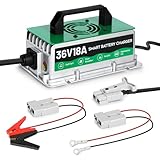
For the best long-term results and to prolong the life of your battery, experts strongly recommend using an external battery charger. A smart or trickle charger provides a slow, steady, and complete charge that is much healthier for the battery than relying solely on the alternator after a deep discharge. This is especially important for cars that are not driven frequently.
To ensure your vehicle is always ready to go and to avoid the stress of a dead battery, investing in a quality car battery charger or a portable jump starter can provide invaluable peace of mind.




FAQs About Driving After a Jump Start
Here are answers to some of the most common questions people have after jump-starting their car.
Is 15 minutes of driving enough after a jump start?
15 minutes is the absolute minimum and may provide enough surface charge to restart a healthy battery soon after, but 30 minutes is a much safer bet.
* For a new battery in good weather: 15 minutes might be just enough to get you by if you need to make another short trip soon.
* For older batteries or in the cold: 15 minutes is likely insufficient and you risk the car not starting again. It’s always better to drive longer if you can.
Can I just turn my car off immediately after a jump start?
No. Turning the car off immediately will likely leave you stranded again, as the battery has not had any time to recharge via the alternator. The jump start only provides enough power to get the engine running. The battery itself is still almost completely empty. You must drive the vehicle to allow the alternator to do its job and replenish the charge.
Do I need a new battery after just one jump start?
Not necessarily. If the battery died because you left the lights on, it’s likely fine after a recharge. If it dies repeatedly or is over 3-5 years old, it’s a strong sign you need a replacement. A single incident, especially with a clear cause, doesn’t automatically condemn the battery. However, if the battery dies without an obvious reason, it’s a signal that its ability to hold a charge is failing.
What if I see a rotten egg smell from the battery?
WARNING: A rotten egg smell indicates a damaged, leaking battery. DO NOT jump-start it, as it could be dangerous. The battery needs to be replaced professionally.
This smell is hydrogen sulfide gas, which is a sign of a severe internal short or overcharging. The battery is compromised and potentially explosive. Do not connect jumper cables or attempt to start it. The only safe solution is professional replacement.
Final Summary: Your Action Plan After a Jump Start
Facing a dead battery is a frustrating experience, but knowing what to do next puts you back in control. The key isn’t just getting the jump start; it’s the crucial drive afterward that truly revives your car’s battery and prevents you from being stranded again. By understanding the roles of your alternator and battery, you can turn a moment of panic into a simple, manageable task.
Now you have the knowledge. Next time you face a dead battery, you’ll know exactly what to do to get back on the road safely and confidently.
- Drive for 30 Minutes: Your primary goal is to drive the car for at least 30 minutes, preferably at consistent highway speeds, to give the alternator time to recharge the battery.
- Assess the Situation: Consider the key factors—is your battery old, was it deeply drained, is it cold outside? If so, extend your drive to 60 minutes or more for a better charge.
- Watch for Warning Signs: After the drive, monitor your car. If it struggles to start again, it’s time to have a professional test your battery and charging system to diagnose the underlying problem.
Last update on 2026-04-24 / Affiliate links / Images from Amazon Product Advertising API


