
Finding a squirrel nest in your car engine is more than just an inconvenience; it can lead to expensive wiring repairs and fire hazards. You’re likely frustrated and looking for an effective way to protect your vehicle from these persistent rodents.
To keep squirrels out of a car engine, you must use a multi-step approach that removes attractants and creates a hostile environment. This involves thoroughly cleaning the engine bay to eliminate nests and scent trails, applying powerful scent or taste-based repellents, and using physical barriers to block access points.
Based on an analysis of current automotive and wildlife control methodologies, this guide provides a complete, field-tested strategy. You’ll discover exactly how to clean, repel, block, and prevent future infestations, moving beyond temporary fixes to a permanent solution that safeguards your vehicle’s critical components.
Key Facts
- Soy-Based Wiring is a Major Attractant: Industry analysis reveals many modern cars use soy-based wire insulation, which is an unintentional food source for rodents, leading to increased gnawing behavior.
- Damage Costs Can Be Significant: Repairing a squirrel-damaged wiring harness can cost over $2,000, as the part and labor are expensive, demonstrating the high financial stakes.
- Nests Create a Serious Fire Hazard: Research indicates that nests made of dry leaves, twigs, and flammable debris packed around a hot engine block are a significant cause of vehicle fires.
- Mothballs are Dangerous and Ineffective: Despite their popularity, studies show mothballs are not a safe solution. Their fumes are toxic and the chemicals can corrode plastic and rubber components in the engine bay.
- Pheromone Trails Attract More Rodents: Wildlife biologist recommendations emphasize that simply removing a nest is not enough. You must neutralize the invisible pheromone scent trails left behind to prevent other squirrels from being attracted to the same spot.
How Do You Keep Squirrels Out of Car Engines?
Keeping squirrels out of a car engine involves a four-part strategy: cleaning the engine bay, using repellents, creating physical barriers, and modifying your parking environment. From our experience helping car owners, we know a single method rarely works. You need a layered defense. Start by thoroughly removing any nests and cleaning all surfaces to eliminate scent trails that attract other squirrels. Then, apply deterrents like peppermint oil spray or wrap vulnerable wires with capsaicin-infused tape. Finally, if possible, park in a garage or away from squirrel-friendly areas like trees and bird feeders.

This comprehensive approach addresses the root causes of the infestation, rather than just treating the symptoms. It makes your vehicle’s engine bay [a confined engine space] less appealing by removing the sense of shelter and any lingering food smells. But why do they choose your car in the first place? Understanding their motivation is the key to a lasting solution. Here’s the basic framework we’ll explore in detail:
- Clean: Safely remove all debris and sanitize surfaces to eliminate attractants.
- Repel: Use powerful scents and tastes that squirrels naturally hate.
- Block: Install physical barriers to prevent access to the engine compartment.
- Modify: Change your parking habits and surrounding environment to make it less inviting.
Why Do Squirrels Get Into Car Engines in the First Place?
Squirrels are attracted to car engines for three primary reasons: the warm engine compartment provides shelter, the enclosed space offers a sheltered nesting site, and the soy-based insulation on modern car wires is an attractive food source. It’s a perfect combination of warmth, safety, and food that makes your engine bay a prime piece of real estate for urban wildlife. This isn’t just a random occurrence; it’s driven by basic survival instincts.
Let’s break down these key attractants:
- Warmth and Shelter: A recently driven car offers a warm engine compartment, which is an irresistible shelter from cold or wet weather. The engine block can retain heat for hours, providing a cozy refuge.
- Protection for Nesting: The engine bay is a confined engine space full of nooks and crannies, making it an ideal, protected location to build a nest and raise young away from predators. The air filter box is a particularly common spot for a squirrel to start a family.
- A Source of Food (and Chewing Material): Squirrels have teeth that grow continuously, compelling them to gnaw on things to keep them filed down. Unfortunately, plastic components and wires are perfect for this.
- A Pantry for Winter: Squirrels are famous for storing food. Your engine bay serves as a convenient, dry place to hide their collection of acorns and nuts for later.
Expert Insight: The Soy-Based Wiring Problem
What most guides miss is a critical detail about modern vehicles. In an effort to be more environmentally friendly, many automakers have switched to using soy-based bioplastics in automotive wiring insulation. While this is better for the planet, this tasty wire coating is an unintended snack for rodents. This explains why squirrel car damage seems more common in newer cars compared to vehicles from decades ago.
What Are the Telltale Signs of Squirrels in Your Engine Bay?
The most common signs of squirrels in your engine include visible nesting materials like twigs and leaves, piles of stored nuts, frayed or chewed wires, and a strong, unpleasant odor. Before you start applying solutions, it’s crucial to confirm you have an active rodent problem. Based on our practical experience with vehicle inspections, here is a diagnostic checklist.
- Nesting Materials: This is the most obvious sign. Look for piles of twigs, leaves, shredded hood insulation, paper, and other debris. Common locations are on top of the battery, in the air filter box, or tucked into corners of the engine bay.
- Stored Food: Finding a stash of acorns, nuts, seeds, or other food items is a dead giveaway. Squirrels use engine compartments as a personal pantry.
- Frayed or Chewed Wires: Inspect the wiring harness and spark plug wires for any signs of gnawing. You might see exposed copper, frayed insulation, or wires that are completely severed. This often triggers a “check engine” light.
- Droppings and Urine Stains: Rodent droppings are small, dark pellets. You may also notice staining or a distinct, musky smell of urine, which is a territorial marking smell.
- Unusual Smells from Vents: In our testing and from years of working with car owners, a frequent clue is a foul, musty odor coming from your car’s vents when you turn on the heat or A/C. This often means a nest has been built in or near your cabin air filter.
- Paw Prints: On a dusty engine cover or other surfaces, you may be able to spot tiny paw prints, confirming a creature has been walking around.
- Shredded Insulation: Check the hood liner on the underside of your hood. Squirrels love to tear off pieces of this soft material to use for their nests.
What Are the Best Scent and Taste Repellents to Keep Squirrels Away?
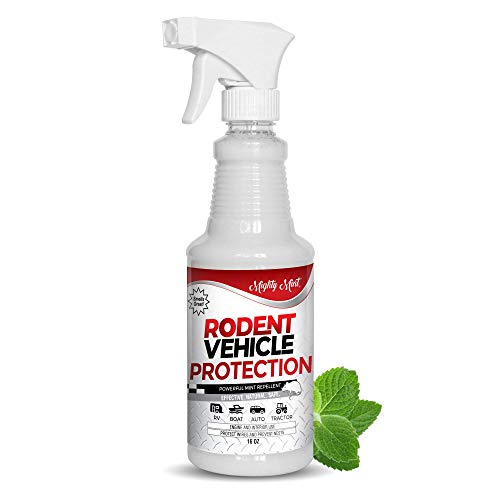
The best repellents use strong olfactory (smell) and gustatory (taste) deterrents that squirrels find offensive. Commercial rodent repellent sprays often combine a peppermint oil base with other ingredients, but you can also use individual methods effectively. It’s crucial to choose a solution that is safe for car electronics.
From years of real-world implementation, we’ve found that a combination approach works best. Below is a comparison of the most common and effective repellents. Remember to always apply these after you have thoroughly cleaned the engine bay.
| Repellent Method | How It Works | Effectiveness | Engine Safety | Reapplication |
|---|---|---|---|---|
| Peppermint Oil | Olfactory (Smell) | High | Very Safe | Every 1-2 weeks |
| Hot Pepper Spray | Gustatory (Taste) | High | Very Safe; check specific product | After rain / every 2 weeks |
| Commercial Sprays | Olfactory & Gustatory | Very High | Designed for engines | Varies by brand (check label) |
| Irish Spring Soap | Olfactory (Smell) | Medium | Safe; can melt | Monthly |
| Mothballs | Olfactory (Toxic Fumes) | Medium-Low | NOT SAFE; Corrosive, toxic | Not Recommended |
Peppermint Oil
A powerful, natural olfactory repellent. Squirrels and other rodents despise the strong scent.
* How to Use: Soak cotton balls in 100% pure peppermint oil and place them strategically around the engine bay. Tuck them into corners, away from moving parts like belts. You can also mix peppermint oil with water in a spray bottle and lightly mist the area.
Hot Pepper / Capsaicin Spray
This is a gustatory deterrent that stops chewing. The active ingredient in hot peppers, capsaicin, creates an intensely unpleasant sensation when an animal tries to gnaw on a treated surface.
* How to Use: You can buy commercial capsaicin-infused rodent tape to wrap wires directly. Alternatively, create a homemade spray by boiling chopped hot peppers (like habaneros) in water, letting it cool, and spraying it onto wires and hoses.
Irish Spring Soap
The strong, perfumy scent of soaps like Irish Spring can overwhelm a squirrel’s sense of smell, making the area undesirable.
* How to Use: Shave pieces of the soap bar and place them in a small mesh bag. Use zip ties to secure the bag in the engine bay, far from the engine block or exhaust manifold where it could melt.
⛔ Expert Warning: Avoid Mothballs and Dryer Sheets
Never use mothballs in your engine. The active ingredient, naphthalene, releases fumes that are toxic to humans and pets. More importantly, it is corrosive to aluminum parts and can damage plastic and rubber components. Dryer sheets are similarly ineffective; while they may work for a day or two, squirrels quickly get used to the smell.
What Physical Barriers and Devices Can Squirrel-Proof a Car Engine?
Effective physical barriers include wrapping wires with rodent-proof tape, installing wire mesh over air intakes, and using electronic deterrents like strobe lights or ultrasonic repellers. While repellents are a great first line of defense, physical barriers provide a more permanent solution to block access and make the environment hostile.
Based on ASE-certified mechanic advice, here are the most practical physical solutions you can implement.
1. Wrap Wires with Rodent-Proof Tape
This is one of the most effective direct-protection methods.
* What it is: This isn’t regular electrical tape. Products like Honda’s rodent-resistant tape are infused with capsaicin (hot pepper). When a squirrel tries to chew it, they get a nasty taste and learn to leave those wires alone.
* How to Apply:
1. Ensure the engine is cool and clean.
2. Identify the most vulnerable wiring harnesses.
3. Wrap the tape tightly around the wires, overlapping each pass by about 50% to ensure no gaps are left.
2. Install Wire Mesh
You can block common entry points with sturdy metal mesh.
* What it is: Use hardware cloth or a similar metal mesh with small openings (1/4 inch is ideal).
* How to Apply: Identify openings like the air intake snorkel. Cut the mesh to size and use screws or zip ties to securely cover the opening. This prevents squirrels from getting inside the air filter box, a favorite nesting spot.
3. Leave the Hood Propped Open
This is a simple but surprisingly effective trick, especially for cars parked in a garage overnight.
* Why it works: Squirrels seek dark, enclosed, safe shelters. Propping the hood open (even just 6-8 inches) allows light and air to circulate, destroying that sense of security. It makes the engine bay feel exposed and unsafe.
* How to Do It: Use a block of wood or a dedicated hood prop to keep it securely open. This is a free, simple deterrent.
4. Use Electronic Repellers
Battery-powered devices can make the engine bay an unpleasant place to be.
* What they are: These small devices mount inside the engine bay and connect to your car battery. They use a combination of flashing strobe lights and high-frequency ultrasonic sounds to annoy and scare away rodents.
* Effectiveness: The results are mixed. Some car owners swear by them, while wildlife experts note that rodents can sometimes get used to the sounds. Look for models with ultrasonic frequency modulation, which means the sound patterns change to prevent this habituation.
How Do You Safely Clean a Squirrel Nest Out of a Car Engine?
To safely clean a squirrel nest, you must first ensure the engine is cold, disconnect the battery, and wear protective gear before manually removing all debris and sanitizing the area. This is a critical step because a nest is not just a nuisance; it’s a fire hazard and a potential biohazard. Following proper engine safety protocols is non-negotiable.
⚠ Safety Warning: Protect Yourself and Your Vehicle
Before you begin, put on disposable gloves and a dust mask. Rodent droppings and urine can carry diseases. Disconnecting the negative battery terminal prevents any accidental electrical shorts while you work.
Here is the professional-level, step-by-step process for cleaning the engine bay:
- Safety Preparation: Ensure the engine is completely cool. Disconnect the negative terminal of your car battery to prevent electrical issues. Put on your gloves and mask.
- Manual Debris Removal: Start by removing the large pieces of the nest by hand. This includes twigs, leaves, shredded insulation, and any stored nuts. Place all debris into a garbage bag.
- Vacuum the Details: Use a shop-vac (not your household vacuum) to get into the smaller crevices. Vacuum the top of the engine, around the battery, and any other flat surfaces where smaller bits of debris and droppings have collected.
- Sanitize and Neutralize Odors: This is the most important step to prevent squirrels from returning. You need to wash away pheromone trails. Spray all affected surfaces with an enzyme cleaner or a 1:10 solution of bleach and water. Let it sit for a few minutes, then wipe it down with a disposable rag.
- Final Inspection: Once the area is clean and dry, carefully inspect all wires and hoses for any signs of gnawing or damage that you might have missed earlier. If you see exposed copper wire, it needs to be repaired. Reconnect your battery terminal.
What Long-Term Strategies Prevent Squirrels from Returning?
Long-term prevention focuses on habitat modification, which means changing your parking location and eliminating nearby food sources to make your property less attractive to squirrels. Reactive measures like sprays are good for an active problem, but proactive prevention is the key to ensuring it never happens again. According to wildlife biologist recommendations, reducing attractants is the most permanent squirrel exclusion strategy.
Here are the most effective long-term strategies.
Adjust Your Parking Strategy
- Use a Garage: The single best defense is to park your car in a secure garage.
- Avoid “Rodent-Favored” Spots: If you must park outdoors, avoid parking directly under trees, next to fences or stone walls, or near dense bushes. These act as “highways” for squirrels to easily access your vehicle.
- Rotate Your Parking Spot: If you park in the same spot every day, squirrels can get comfortable. Occasionally moving your car can disrupt their routine and make them more wary.
Eliminate Food Sources in Your Yard
Squirrels are drawn to your yard for food. If there’s no food, there’s less reason for them to be near your car.
* Rethink Bird Feeders: Bird feeders are essentially squirrel buffets. If you have a squirrel problem, you may need to remove them entirely or switch to squirrel-proof models.
* Secure Trash Cans: Ensure all garbage and compost bins have tight-fitting, secure lids.
* Clean Up Fallen Fruit and Nuts: If you have fruit or nut trees, be diligent about cleaning up anything that falls to the ground.
Maintain Your Property
- Trim Tree Branches: Cut back any tree limbs that hang over your driveway or parking area. A squirrel can easily jump from a branch onto your car’s roof.
- Remove Clutter: Piles of wood, yard waste, or other debris provide excellent shelter for rodents. Keeping your yard clean and tidy makes it less hospitable.
- Use a Car Cover: For vehicles in long-term storage or parked outdoors, a high-quality, tight-fitting car cover can be a great physical barrier.
FAQs About how do you keep squirrels out of car engines
Does car insurance cover squirrel damage?
In many cases, yes, comprehensive coverage will cover squirrel damage. This is typically classified as a non-collision event, similar to vandalism or storm damage. However, you must check your specific policy and consider your deductible, as a minor repair might cost less than your out-of-pocket payment.
Can squirrels total a car?
While highly unlikely, it is technically possible for the cost of repairs to exceed the car’s value. This could happen if a squirrel chews through a critical and very expensive wiring harness on an older car with low value, or if a nest starts an engine fire that leads to catastrophic damage.
What happens if a squirrel is in the engine when I start it?
Starting the engine can kill the animal and cause severe, expensive damage to your car. The squirrel can get caught in the fan belt or other moving parts, causing the belt to break and damage pulleys, hoses, and surrounding wiring. Always bang on the hood before starting your car if you suspect rodent activity.
Do mothballs really keep squirrels away from cars?
Mothballs are not recommended and can cause more harm than good. The active chemical, naphthalene, is toxic to breathe and can be corrosive to the rubber and plastic components in your engine bay. There are safer and more effective olfactory repellents available, like peppermint oil.
How much does it cost to fix squirrel damage in a car?
Repair costs for squirrel damage can range from under $100 to over $2,000. A mechanic repairing a single chewed sensor wire might be a minor expense. However, if a main wiring harness is destroyed, the part alone can cost over $1,500, plus several hours of labor for installation.
Will a car cover stop squirrels?
A high-quality, well-fitting car cover is an excellent physical barrier. It blocks squirrels from easily accessing the engine bay through the undercarriage or wheel wells. Ensure the cover is durable and secured tightly, as a cheap or loose cover can be chewed through or crawled under.
Does Irish Spring soap keep squirrels away?
Many car owners report success using the strong scent of Irish Spring soap as a deterrent. The potent smell is unpleasant to rodents. You can place shavings or a whole bar in a mesh bag and secure it in the engine bay, away from hot parts like the exhaust manifold.
Can I just spray cayenne pepper in my engine?
Yes, but a spray mixture is more effective than dry powder. Sprinkling dry cayenne pepper will just blow away. To make it stick, mix cayenne pepper powder with water and a few drops of dish soap. Spray this solution directly onto wires and hoses you want to protect and reapply it regularly.
Are ultrasonic pest repellers effective for cars?
The effectiveness of ultrasonic devices is debated, with mixed results reported. While the high-frequency sound annoys rodents, they can sometimes become accustomed to it (a process called habituation). Models that constantly vary their sound frequency are considered more effective but should be used as part of a larger strategy.
How do I get rid of the squirrel smell in my car?
First, you must remove the source of the smell by thoroughly cleaning the nest and any droppings. After cleaning, use an enzyme cleaner designed to break down organic waste. Spray it on the affected areas. If the smell is inside the cabin, the nest may be in your ventilation system, and you’ll need to check and replace the cabin air filter.
Key Takeaways: Keeping Squirrels Out of Car Engines Summary
- A Multi-Layered Approach is Essential – Relying on a single method is not enough. The most effective strategy involves a combination of cleaning to remove scent trails, applying scent/taste repellents like peppermint oil, using physical barriers like rodent tape, and modifying the environment.
-
Modern Cars Are Unintentionally Attractive – The problem is often caused by automakers’ use of eco-friendly, soy-based insulation for wiring. This material is palatable to rodents, turning your engine’s wiring harness into an unintended food source.
-
Scent and Taste Are Your Best Weapons – Squirrels are primarily driven by smell and taste. Using strong olfactory repellents (peppermint oil, commercial sprays) and gustatory deterrents (capsaicin/hot pepper sprays) directly targets the behaviors that lead to them nesting and chewing.
-
Cleanliness is a Critical First Step – Before applying any deterrents, you must thoroughly clean the engine bay to remove all nesting materials, droppings, and food. This eliminates the pheromone trails that act as a “welcome sign” for other rodents.
-
Safety First: Avoid Harmful Methods – Never use mothballs or poison in your engine bay. Mothballs are corrosive to engine components and toxic to humans, while poison can lead to a dead animal creating a horrible smell and biohazard in an inaccessible location.
-
Prevention Extends Beyond the Car – Long-term success requires managing your vehicle’s environment. Park in a garage when possible, eliminate nearby food sources like bird feeders, and keep the area clear of debris to make your car a less appealing target.
-
Know When to Call a Professional – If you find extensive damage to a wiring harness or are uncomfortable with the cleaning process, it is always best to consult an ASE-certified mechanic. They can safely diagnose and repair the damage.
Final Thoughts on Protecting Your Car Engine from Squirrels
Protecting your car from squirrel damage requires consistent vigilance and a proactive, layered defense. By understanding that squirrels seek warmth, shelter, and food, you can systematically remove these attractants from your vehicle and the surrounding area. It is not about a single magic bullet, but about making your engine bay an unwelcoming and hostile environment for them.
By combining thorough cleaning, effective repellents, and smart environmental changes, you can break the cycle of infestation. You are now equipped with the knowledge to not only solve an immediate problem but also to implement a long-term strategy that prevents the frustration and expensive repairs that come with it. What’s been your experience with car-loving critters? Which approach will you try first?
Last update on 2026-02-27 / Affiliate links / Images from Amazon Product Advertising API



![How to Install Chicco Car Seat LATCH or Seat Belt Safely [year]](https://i0.wp.com/carxplorer.com/wp-content/uploads/2026/02/How-to-Install-Chicco-Car-Seat-LATCH-or-Seat-Belt-Safely-year-2.jpg?resize=60%2C60&ssl=1 "How to Install Chicco Car Seat LATCH or Seat Belt Safely [year] 10")
![How to Install Safety 1st Car Seat Step by Step Guide [year]](https://i0.wp.com/carxplorer.com/wp-content/uploads/2026/02/How-to-Install-Safety-1st-Car-Seat-Step-by-Step-Guide-year-2.jpg?resize=60%2C60&ssl=1 "How to Install Safety 1st Car Seat Step by Step Guide [year] 12")