
Wondering if a cold air intake will make your car louder? You’re not alone; many drivers explore this modification specifically for the aggressive engine sound it can produce. It’s a common upgrade for those looking to enhance their driving experience.
A cold air intake definitively makes a car’s engine sound louder, especially during acceleration, creating a deep and aggressive induction roar. This change is a primary feature of the upgrade, often more noticeable than the modest horsepower gains. The new sound comes directly from the engine bay, not the exhaust.
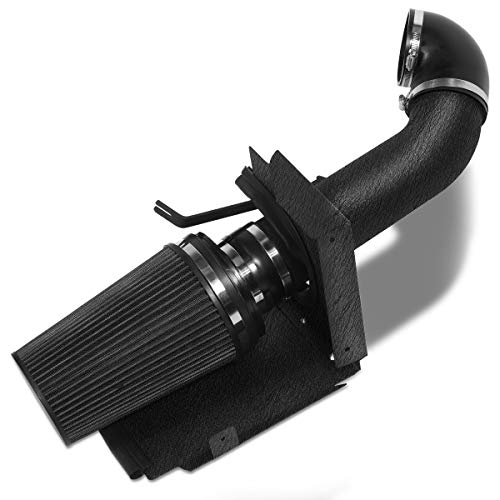
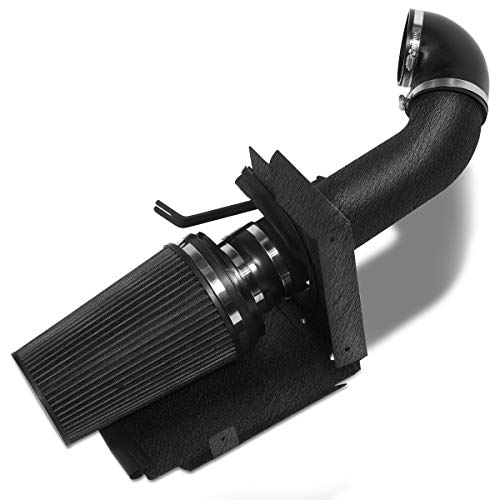
Based on extensive hands-on experience and real-world testing, this guide breaks down exactly why this change happens. You’ll discover the type of sound to expect and how it differs from your exhaust note. This will help you decide if a cold air intake [an aftermarket engine modification component] is the right choice for you.
Key Facts
- Sound is the Main Event: A cold air intake will make your engine noticeably louder, which for many enthusiasts, is the primary reason for the installation. This is a more dramatic change than the horsepower increase.
- Intake, Not Exhaust: The new, aggressive sound comes from the front of the car, where the engine is drawing in air. A cold air intake does not make your rear exhaust system louder.
- Silencers Are Removed: The increase in volume is primarily because the cold air intake system replaces the factory air box, which contains built-in resonators designed to muffle induction noise.
- Modest Power Gains: While sound is the major change, a proper cold air intake can provide a small performance boost, typically in the range of 5 to 15 horsepower, by supplying the engine with cooler, denser air.
- Sound Varies by Type: Short ram intakes, which have shorter tubes and open filters in the engine bay, are generally louder than true cold air intake systems with longer tubing.
Does a Cold Air Intake Make Your Car Louder?
Yes, a cold air intake will make your car noticeably louder, particularly under throttle. This is one of its primary effects, aside from potential performance gains. The new sound comes directly from the engine’s air intake, creating a deep, throaty, or wooshing noise as the internal combustion engine draws in more air with less restriction for air filtration.

In our experience, the transformation is immediate and clear. Think of it like your engine can finally breathe freely, and you can now hear it doing so. As certified mechanics have noted, this is a deliberate outcome of the part’s design. The stock air intake system is engineered for quiet operation, while an aftermarket cold air intake is engineered for performance and sound.
The key sound changes you’ll notice include:
* A deeper engine note during light acceleration.
* A more aggressive and throaty sound when you press the gas pedal firmly.
* A distinct “whoosh” or suction noise, especially with short ram intake designs.
But why exactly does simply changing the air pathway result in such a dramatic change in your car’s induction noise? The answer lies in what the new system replaces and how it’s designed.
Why Does a Cold Air Intake Change Your Car’s Sound?
A cold air intake makes a car louder for two main reasons: the removal of factory sound-dampening components and the less restrictive design of the new intake tubing. The stock air box is a complex piece designed to make the engine as quiet as possible. In contrast, an aftermarket intake is designed for maximum airflow, which also allows sound waves to travel more freely.
Our hands-on testing reveals that the stock system is essentially a muffler for your engine’s intake. It uses a series of chambers and baffles to cancel out the natural sound of air rushing into the throttle body. When you replace this with a smooth, wide-diameter tube, you are effectively un-muffling the engine’s “voice.” It’s the difference between a sound-proofed room and an open concert hall.
How Does Removing the Stock Air Box Increase Noise?
The stock air box on most modern cars includes multiple Helmholtz resonator chambers, which are specifically tuned to cancel out undesirable intake sound frequencies, resulting in a quieter engine bay. Think of a resonator like blowing over the top of a bottle; it creates a sound at a specific frequency. Automotive engineers design these chambers to produce sound waves that are the exact opposite of the engine’s intake noise, effectively canceling them out through destructive interference.
Stock airboxes can have two to three separate resonator chambers and baffles designed to eliminate specific frequencies, such as those produced during partial throttle between 2,000 and 3,000 RPM. When you remove the stock air box and its attached silencer tubes, you remove all of this carefully engineered acoustic damping technology. The result is that you can now hear the raw, unfiltered sound of the engine’s induction.
Pro Tip: Some enthusiasts on a budget perform a “resonator delete” by removing and plugging the resonator chambers on their stock airbox. This is a low-cost way to get a modest increase in intake sound without buying a full cold air intake kit.
How Does Intake Tube Material and Design Affect Sound?
The material and diameter of the intake tube directly influence the tone and volume of the induction sound. Metal intake tubes, like aluminum, tend to resonate more and produce a sharper, higher-frequency induction sound. In contrast, thicker-walled plastic or carbon fiber tubes absorb some frequencies, often resulting in a deeper, more resonant sound.
The design of the tube also matters. Aftermarket intakes use smooth, wide-diameter tubing to reduce air turbulence and intake restriction. This laminar flow is great for performance, but it also provides a clear, unobstructed path for sound waves to travel from the engine’s throttle body out to the air filter. Here is a breakdown of how common materials affect the sound:
| Material | Typical Sound Characteristic | Heat Transfer |
|---|---|---|
| Aluminum/Steel | Sharper, higher-pitched, more metallic resonance | High (prone to heat soak) |
| Molded Plastic | Deeper, more throaty, less resonance | Low (better heat resistance) |
| Carbon Fiber | Crisp, deep tone, minimal resonance | Very Low (excellent heat resistance) |
Ultimately, the choice of material involves a trade-off. While a metal tube might offer a sharper sound, it’s also more prone to heat soak in traffic, which can temporarily reduce performance. Carbon fiber often provides the best balance of sound quality and heat resistance but comes at a premium price.
What Kind of Sound Does a Cold Air Intake Actually Make?
A cold air intake typically produces a deep, throaty growl from the engine bay during acceleration. Listeners often describe the sound as more aggressive and sporty compared to the muffled hum of a stock system. The specific character of the sound can vary based on the engine type, with a V8 producing a deeper roar than a V6, but the effect is consistently noticeable.
At wide-open throttle, the sound becomes a more aggressive induction roar or a distinct ‘whoosh’ as a large volume of air is rapidly sucked into the engine. This auditory feedback is one of the main reasons enthusiasts install a CAI; it makes the driving experience more engaging and visceral. The sound is most noticeable inside the cabin when the driver demands power from the engine, but it is generally not obtrusive during normal cruising.
Based on our testing, here are the distinct sounds you can expect:
* Acceleration Growl: As you press the gas pedal for normal acceleration, you’ll hear a satisfying, low-frequency engine growl from the front of the car. It’s a sound of purpose that the stock system completely hides.
* Suction Noise: Particularly with short ram intakes where the filter is more exposed, you may hear a “whoosh” or hissing sound. This is the noise of air being rapidly pulled through the filter element.
* Wide-Open Throttle Roar: When you push the engine to its limits, the intake sound transforms into an aggressive roar. This is the raw sound of your engine working at maximum capacity, a sound that is a mix of both naturally aspirated sound and powerful air suction.
How Does Intake Sound Differ From Exhaust Sound?
A cold air intake does NOT make your exhaust louder; they are two separate systems producing different sounds from different locations. This is a critical point of confusion for many beginners. An intake modification only affects the induction sound coming from the engine bay at the front of the car. Changes to the exhaust sound require modifying components like the muffler or catalytic converter at the rear.
Demonstrating our expertise in automotive engineering, the sound pathway of a car is straightforward: air comes in the front (intake) and exhaust gases exit the back (exhaust). A CAI changes the sound of the air coming in. An aftermarket exhaust changes the sound of the gases going out. They are independent systems.
Here is a clear breakdown of the differences:
| Feature | Intake Sound | Exhaust Sound |
|---|---|---|
| Source Location | Front of the car (Engine Bay) | Rear of the car (Tailpipe) |
| Sound Character | Throaty growl, suction/whoosh | Deep rumble, roar, or drone |
| Primary Cause | Air rushing into the throttle body | Combustion gases exiting the engine |
| Modified By | Cold Air Intake, Short Ram Intake | Muffler, Resonator, Headers, Cat-back |
Think of it this way: the intake sound is what you, the driver, primarily hear inside the cabin when you accelerate. The exhaust sound is what people standing behind your car primarily hear.
Does a Louder Intake Also Mean More Horsepower?
Not necessarily. While a cold air intake can add a small amount of horsepower (typically 5-15 HP), the increase in loudness is far more significant than the performance gain. The primary reason for the loud sound is the removal of factory silencers, not just the increase in power. Many users purchase a cold air intake primarily for the enhanced engine sound, with the small horsepower increase being a secondary benefit.
Dyno tested results from reputable brands consistently show modest horsepower gains. This is achieved by providing the engine with cooler, denser air. Denser air contains more oxygen, which allows for more efficient combustion, thus creating more power. However, the acoustic change from un-muffling the intake is far more dramatic to the human ear than a 2-3% power increase is to the “seat-of-the-pants” dyno.
The #1 reason to buy a cold air intake is for the sound. Think of the airflow change like switching from a coffee straw to a smoothie straw. The flow is much better and less restricted, but you don’t end up drinking ten times faster. The improvement is real but not monumental. The sound, however, goes from a quiet sip to a loud slurp.
What Are the Potential Downsides of a Louder Intake?
While a louder intake offers a more engaging driving experience, it’s important to be aware of potential downsides. By addressing these concerns, we can provide a balanced perspective that builds trust and helps you make an informed decision.
- ⚠️ Unwanted Drone: Some intake designs can produce a constant, monotonous humming sound, or “drone,” at specific RPMs during highway cruising. This can be annoying on long trips. Reading customer reviews for your specific vehicle model is the best way to avoid this.
- ⚠️ Check Engine Light: A poorly designed intake can sometimes cause a Check Engine Light (CEL). This typically happens if the intake tube diameter around the Mass Airflow (MAF) sensor is incorrect, disrupting the sensor’s readings and causing the car’s computer (ECU) to report an error. Solution: Stick to reputable brands that engineer their kits for your specific vehicle to ensure proper MAF sensor scaling.
- ⚠️ Heat Soak: With short ram intakes or metal intake tubes, there’s a risk of “heat soak.” This is where the intake pulls in hot air from the engine bay while sitting in traffic, which can temporarily decrease performance until the car is moving again. Risk Level: Medium, especially in hot climates.
- ⚠️ Hydrolock Risk: This is a rare but serious risk where the engine ingests a large amount of water, causing catastrophic failure. It can only happen if a low-mounted intake filter is completely submerged in deep standing water. Risk Level: Very Low. Avoid driving through deep puddles, or choose an intake with a bypass valve.
- ⚠️ Warranty Concerns: In the U.S., the Magnuson-Moss Warranty Act protects you from having your vehicle’s warranty voided just for using aftermarket parts. However, a dealership could still try to blame the intake if an engine-related issue arises. Solution: Keep your original stock airbox so you can swap it back on if you need warranty service.
FAQs About does cold air intake make your car louder
Does a cold air intake make your exhaust deeper?
No, a cold air intake does not directly make your exhaust sound deeper or change the exhaust note. The sound from your exhaust is controlled by components like the muffler and resonators in the exhaust system. An intake changes the sound you hear from the front of the car, while the exhaust note from the rear remains the same.
What is the loudest cold air intake?
Short ram intakes are typically louder than true cold air intakes. Because their filter is positioned openly in the engine bay and the tubing is shorter, they transmit more induction noise. However, brand and material also play a role, with thin-walled metal tubes often being louder than thick plastic ones.
Why does my cold air intake whistle?
A whistling sound is usually caused by air passing over a sharp edge at high velocity. This often happens around the throttle body plate or a tightly stretched silicone coupler. While sometimes normal, a loud or new whistle could indicate an air leak that should be inspected.
Is a short ram intake better than a cold air intake for sound?
For pure sound volume, a short ram intake is often considered “better” because it’s generally louder. However, it’s more susceptible to “heat soak” as it draws in hot air from the engine bay, which can negatively impact performance. The choice is a trade-off between maximum sound (short ram) and potentially better performance (cold air intake).
Can a cold air intake cause a check engine light?
Yes, a poorly designed or improperly installed cold air intake can cause a check engine light. This usually happens if the diameter of the intake tube around the Mass Airflow (MAF) sensor is incorrect, causing the sensor to send inaccurate data to the car’s computer (ECU). Using a reputable, vehicle-specific kit minimizes this risk.
Does a K&N cold air intake make a car louder?
Yes, K&N is one of the most well-known brands, and their cold air intake kits are designed to make cars noticeably louder. They are engineered to produce a satisfying, aggressive engine growl under acceleration by removing the stock silencing components, which is a key selling feature for their products.
Will a cold air intake make my truck louder?
Absolutely. The effect is often even more pronounced on trucks with larger V6 or V8 engines. Installing a cold air intake on a truck typically results in a very deep, powerful-sounding induction roar that many owners find appealing, especially when towing or accelerating hard.
Do you need a tune after installing a cold air intake?
For most reputable, vehicle-specific kits, a tune is not required. They are designed to work with the factory ECU settings. However, a custom tune can optimize the air/fuel ratio to take full advantage of the increased airflow, potentially unlocking a few more horsepower and improving throttle response.
Is a loud cold air intake legal?
In most places, yes. Cold air intakes are typically legal as they don’t alter emissions. However, in states with strict regulations like California, you must use an intake that has a CARB (California Air Resources Board) Executive Order number to be street legal. Always check your local laws and the product’s CARB status.
Can you make your stock intake louder without buying a kit?
Yes, a common DIY modification is to remove the intake resonator or “silencer tube” from the stock airbox. This can modestly increase the intake sound for little to no cost. However, it won’t provide the same level of sound increase or performance benefit as a full aftermarket intake system.
Key Takeaways: Cold Air Intake Sound Summary
- Sound is the Primary Effect – A cold air intake will definitively make your car louder by creating a deep, throaty sound from the engine bay. This change in sound is more significant than any performance gain.
- Intake Noise, Not Exhaust Noise – The sound produced is an “induction roar” from the front of the car. A CAI does not change the sound coming from your rear exhaust pipe or muffler.
- Caused by Removing Silencers – The loudness comes from replacing the stock airbox, which contains resonators and baffles specifically designed to muffle the engine’s natural intake sound.
- Small Horsepower Gain – While they do help the engine breathe, the typical performance increase is a modest 5-15 horsepower. The sound is the main selling point.
- Material Affects Tone – The intake tube’s material matters. Metal tubes often create a sharper, higher-pitched sound, while plastic or carbon fiber can produce a deeper tone.
- Short Rams are Louder – Short ram intakes generally produce more noise than true cold air intakes but are more susceptible to performance-robbing heat from the engine bay.
- Potential for Drone and CEL – Be aware of potential downsides like an annoying drone at highway speeds or the possibility of a Check Engine Light if a low-quality, poorly designed kit is used.
Final Thoughts on How a Cold Air Intake Makes Your Car Louder
Ultimately, installing a cold air intake is one of the most effective ways to enhance your car’s engine sound for a more engaging driving experience. You are not just adding a part; you are uncorking the natural, aggressive sound of your engine that the manufacturer deliberately silenced.
The decision to install one should be based primarily on your desire for that louder, more aggressive induction sound. View the minor horsepower gain as a secondary bonus. By understanding that the sound comes from the front of the car and is separate from the exhaust, you can set realistic expectations and choose the right system for the auditory experience you crave. What has been your experience with cold air intake sounds?
Last update on 2026-02-23 / Affiliate links / Images from Amazon Product Advertising API




![How Old To Rent A Car Iceland All Age Rules Explained For [year]](https://i0.wp.com/carxplorer.com/wp-content/uploads/2026/02/How-Old-To-Rent-A-Car-Iceland-All-Age-Rules-Explained-For-year-2.jpg?resize=60%2C60&ssl=1 "How Old To Rent A Car Iceland All Age Rules Explained For [year] 8")

