You’ve made a smart investment in a ceramic coating to give your car an incredible shine and a durable shield against the elements. But now comes the crucial part: how do you wash it without undoing all that good work? The wrong products or techniques can quickly diminish that glossy, water-beading magic you paid for.
To properly wash a car with a ceramic coating, you must use a pH-neutral car shampoo, the two-bucket hand wash method with grit guards, and gentle microfiber materials for washing and drying to avoid scratching or degrading the protective layer.
This is your definitive guide. Leveraging extensive analysis of established detailing patterns and best practices, this guide unpacks the proven, professional-grade method for a perfect ceramic coating wash. We’ll cover the exact tools you need, the step-by-step process that protects your investment, and the critical mistakes you absolutely must avoid.

Key Facts
- Superior Hardness: Professional-grade ceramic coatings have a hardness rating between 7H and 9H, offering significantly more scratch resistance than a car’s factory clear coat, which typically rates between 2H and 4H.
- Regular Maintenance is Key: To maintain peak performance and appearance, evidence suggests washing your ceramic-coated vehicle every two to three weeks is the ideal frequency.
- Pressure Washer Safety: When using a pressure washer for a pre-rinse, it is critical to use a moderate pressure setting, ideally between 1,200–1,900 PSI, and keep the nozzle at least 12 inches away from the paint surface.
- pH-Neutral Soap is Non-Negotiable: Using harsh or alkaline detergents will strip the protective properties of your coating, reducing its lifespan. A pH-neutral, ceramic-safe soap is essential.
- Automatic Washes Are a Risk: It’s strongly recommended to avoid automatic car washes with brushes, as their abrasive action can easily instill scratches and swirl marks into your coating.
Understanding the Foundation: Why a Special Wash for Ceramic Coatings?
A ceramic coating is a hard (7H-9H) protective layer that requires specific, gentle washing methods to maintain its shine, hydrophobic properties, and protection against environmental factors like UV rays and acid rain. You’ve invested in a high-tech shield for your car; are you using the right methods to maintain it?
A ceramic coating isn’t just a glorified wax. It’s a liquid polymer that chemically bonds with your vehicle’s factory paint, creating a semi-permanent, sacrificial layer of protection. Where your car’s clear coat has a hardness of around 2H to 4H, a professionally applied ceramic coating boasts a hardness of 7H to 9H. This significant increase in surface hardness is what provides superior resistance to minor scratches and environmental damage.
A key fact to remember is that while ceramic coatings are incredibly durable, they are not bulletproof. They are designed to take the abuse that your clear coat would otherwise endure, which is precisely why proper upkeep is essential to preserve their function and appearance.
To keep that investment performing at its peak, you need to understand its key benefits, which are the very things a proper wash aims to preserve:
* Enhanced Gloss and Shine: The coating creates a perfectly smooth surface that reflects light intensely, giving your car a deep, wet look.
* Superior Hydrophobicity: This is the “water-beading” effect. The coating’s high surface tension causes water to bead up and roll off the surface, taking dirt and grime with it.
* UV and Chemical Protection: It forms a barrier against harmful UV rays that cause paint to fade and protects against acidic contaminants like bird droppings and acid rain.
Step 0: Pre-Wash Essentials – Timing and Environment
Always wash your car in the shade when the surface is cool to the touch. Avoid washing in direct sunlight to prevent soap from drying and causing water spots.
Before a single drop of water hits your car, setting the stage correctly is paramount. Professional detailers know that preparation is just as important as the wash itself. Rushing this “Step 0” is the fastest way to undermine your coating’s performance and create problems that are hard to fix.
Pro Tip: Patience is key. Washing too soon after application or in direct, hot sun is the fastest way to undermine your coating’s performance. Let’s get the timing and environment right.
Pre-Wash Checklist
- Check the Cure Time: Do not wash your car for at least 7 days after a professional ceramic coating application. This initial period is critical for the coating to fully harden and cure. Washing too soon can wash it right off. Some DIY coatings may have a shorter cure time, but always consult the manufacturer’s instructions.
- Wash in the Shade: This is a non-negotiable rule. Direct sunlight heats up your car’s panels, which will cause water and soap to evaporate almost instantly. This leads to stubborn water spots and soap residue that can be difficult to remove and may even etch the coating.
- Check Surface Temperature: Even in the shade, a car that’s been recently driven will be hot. Place the back of your hand on the hood. If it’s hot to the touch, let it cool down completely before you begin.
- Avoid Windy Conditions: If possible, avoid washing on a very windy day. Wind accelerates drying and can blow fresh dust and grit onto your wet, clean panels.
Step 1: Gathering Your Ceramic-Safe Wash Arsenal
Essential tools for washing a ceramic-coated car include a pH-neutral car shampoo, high-quality microfiber wash mitts and drying towels, and two buckets with grit guards to prevent scratches.
Using the right tools is not optional; it’s a fundamental requirement for maintaining your coating. The wrong soap or a gritty wash mitt can inflict damage that a proper wash is meant to prevent. Think of this as your expert-approved shopping list.
Quick Fact: Using the wrong soap is like using sandpaper on glass. Your single most important purchase is a pH-neutral, coating-safe shampoo.
| Tool/Product | Why It’s Crucial for Ceramic Coatings | Recommended Feature |
|---|---|---|
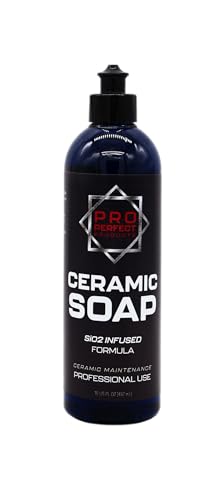
| pH-Neutral Car Shampoo | Harsh, high-alkaline soaps will strip away the coating’s protective polymers and hydrophobic properties. A pH-neutral formula cleans effectively without degrading the coating. | Look for labels like “Ceramic Safe,” “pH-Balanced,” or “SiO2 Infused.” Examples include HydroSuds or Wolfgang Uber SiO2 Coating Wash. |
| Two Buckets with Grit Guards | This system prevents you from rubbing dirt back onto the car. One bucket holds soap, the other clean rinse water. Grit guards trap dirt at the bottom, keeping your mitt clean. | Two 3-5 gallon buckets and two corresponding grit guards that fit snugly at the bottom. |
| Plush Microfiber Wash Mitt(s) | High-quality microfiber is extremely soft and features a deep pile that traps dirt particles away from the surface, drastically minimizing the risk of inflicting swirl marks or scratches. | Use a separate mitt for the wheels and lower, dirtier parts of the car to avoid cross-contamination. |
| Foam Cannon/Gun (Optional) | A foam cannon attaches to a pressure washer and covers the car in a thick layer of suds. This foam loosens and lifts heavy dirt before you touch the car, making the hand wash safer. | An adjustable nozzle to control the foam thickness is a great feature. |
| Large, Plush Drying Towel(s) | A highly absorbent microfiber waffle-weave or plush towel allows you to dry the car quickly and gently by blotting or patting, which is far safer than rubbing. | A large towel (e.g., 25″x36″) can dry most of a car in one pass. |
| Leaf Blower / Car Dryer | The safest way to dry a car is touch-free. A leaf blower or dedicated car dryer lets you push water off the surface without any physical contact, eliminating any risk of scratching. | An electric leaf blower with a rubber tip is ideal. |
Step 2: How to Wash Car with Ceramic Coating: The Pro-Level Method
Start with a thorough pre-rinse, then use a foam cannon or two-bucket method to apply pH-neutral soap. Wash gently from top to bottom in straight lines, rinsing the mitt often, and finish with a complete rinse to remove all soap.
Ready to see that hydrophobic magic in action? Let’s get to the fun part. This is the exact process professionals use to achieve a perfect, safe wash every time. Following these steps in order is critical for a scratch-free result.
Pressure Washer Pro Tip: A pressure washer is your best friend for pre-rinsing but must be used correctly. Keep the pressure moderate (well-established research indicates 1,200–1,900 PSI is a safe range) and always maintain a distance of at least 12 inches from the paint. Never use a zero-degree (pencil jet) nozzle.
Here is the step-by-step process:
- Wheels First: Always wash the wheels, tires, and wheel wells first. They are the dirtiest parts of the car.
- Use a separate bucket, separate brushes, and a separate wash mitt for this job to prevent transferring abrasive brake dust to your paintwork.
- Rinse the wheels thoroughly, apply a dedicated wheel cleaner, agitate with brushes, and rinse completely before moving on to the paint.
- The Thorough Pre-Rinse: Working from the top down, rinse the entire vehicle thoroughly with your pressure washer or hose. The goal is to knock off as much loose dirt, dust, and grime as possible before you ever touch the paint.
- Foam Application: If you have a foam cannon, now is the time to use it. Cover the entire car in a thick blanket of pH-neutral foam, again working from top to bottom.
- The Contact Wash: This is where the two-bucket method comes into play.
- Dip your clean microfiber mitt into the soap bucket.
- Gently wash the car one small panel at a time (e.g., half a hood, one door), starting from the top and working your way down.
- Wash in straight, overlapping lines—never in circles. Washing in circles creates swirl marks, while any micro-scratches from straight-line washing are far less visible.
- After each panel, rinse the mitt thoroughly in your clean water bucket, scrubbing it against the grit guard. Then, reload it with soap from the soap bucket and move to the next panel.
- Final Rinse: Once the entire car is washed, rinse it completely from top to bottom. Ensure all soap suds are gone from panel gaps, grilles, and mirror housings.
Step 2a: The Pre-Rinse and Foam Cannon Application
A thorough pre-rinse removes loose debris. Applying a thick layer of foam and letting it dwell for a few minutes (without drying) is crucial for lifting grime before touching the paint.
Think of this as the ‘soak’ cycle for your car – it’s all about making the main wash safer and easier. The pre-rinse physically knocks off the largest, most dangerous dirt particles. The foam then goes to work on a chemical level. The foam’s job is to encapsulate and lift heavy dirt, letting gravity do the hard work and minimizing what you have to scrub off manually.

- Apply the foam generously to every exterior surface.
- Let the foam dwell for 3-5 minutes. You’ll literally see it dripping down, carrying dirt with it.
- Crucially, do not let the foam dry on the surface. If it starts to dry, rinse it off immediately and reapply.
- After the dwell time, rinse the foam off thoroughly, again from top to bottom. You’ll be amazed at how much cleaner the car is already.
Step 2b: The Two-Bucket Hand Wash Technique
Use two buckets: one with soap, one with clean rinse water. After washing a small section, rinse the dirty mitt in the clean water bucket before reloading it with soap to avoid dragging dirt across the paint.
It might seem like an extra step, but this simple technique is a detailer’s secret to a swirl-free finish. Are you ready to wash like a pro? The entire principle is based on preventing contamination. Every time your mitt touches the car, it picks up dirt. If you dip that dirty mitt directly back into your soap bucket, you’re just contaminating your clean water and putting that same grit right back on the paint. The rinse bucket and grit guard are the solution.
This is the exact sequence professionals follow:
1. Load: Dip your clean mitt into the soap bucket.
2. Wash: Gently wash one panel (e.g., a fender) in straight lines.
3. Rinse: Dunk the now-dirty mitt into the rinse bucket. Vigorously rub it against the grit guard at the bottom to release trapped dirt particles.
4. Reload: Wring out the mitt and dip it back into the soap bucket to pick up fresh, clean suds for the next panel.

Repeating this simple Wash -> Rinse -> Reload process for every panel ensures you are only ever touching the paint with a clean, soap-filled mitt.
Step 3: Achieving a Flawless Finish – Drying & Maintenance
Dry the car gently with a plush microfiber towel by patting or blotting the surface. For a truly touchless method, use a leaf blower. A ceramic-infused quick detailer can be used between washes to maintain shine.
The wash is done, but the job isn’t. A proper drying technique is what separates a good wash from a perfect, spot-free finish. Improper drying is one of the most common ways people scratch their cars. The goal is to remove all water before it can air dry and leave mineral deposits (water spots).
- Touchless Blower Method (Best): Using a leaf blower or a dedicated car dryer is the safest method. You can blow the majority of the water off the panels without ever touching the paint. This is the ultimate way to prevent scratches during the drying stage.
- Gentle Pat-Dry Method (Good): Take a large, clean, plush microfiber drying towel. Lay it flat over a panel (like the roof or hood) and gently pat it down. Lift the towel, and move to the next section. For vertical panels, gently blot or wipe in a single direction without applying pressure. Avoid aggressively rubbing the towel back and forth.
Pro Maintenance Tip: For an added layer of gloss and protection, use a high-quality ceramic-infused quick detailer or maintenance spray as a “drying aid.” After the final rinse, lightly mist one panel at a time with the spray before you dry it. This provides lubrication for your drying towel, minimizing friction, and simultaneously adds a fresh layer of SiO2 protection, boosting the hydrophobic properties and shine.
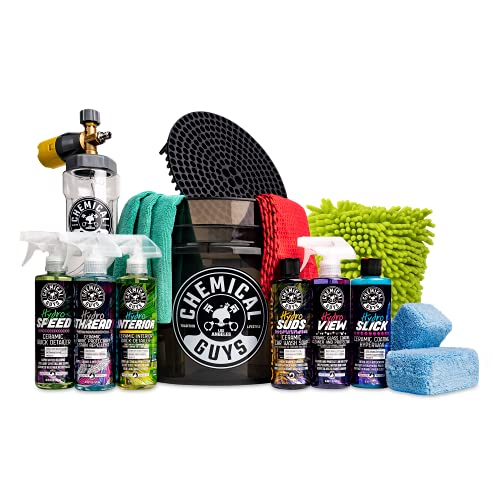
To ensure your vehicle looks its best between washes and the coating is always protected, having the right maintenance products on hand is a game-changer. A quality ceramic car wash kit can provide everything you need in one package.



Critical Mistakes: What to Avoid After Ceramic Coating
To protect your ceramic coating, you must avoid harsh chemicals, strong solvents, abrasive detergents, and automatic car washes with brushes. Stick to pH-neutral soaps and manual washing methods.
Protecting your coating is as much about what you don’t do as what you do. Committing one of these common mistakes can severely degrade your coating’s performance and longevity. Think of your coating like high-end outerwear. You wouldn’t throw a Gore-Tex jacket in an industrial washing machine with bleach. Treat your car’s ‘jacket’ with the same care.
- AVOID: Automatic Brush Washes. This is the number one enemy of any ceramic coating. The giant, spinning brushes used in these washes are often caked with abrasive grit from hundreds of other cars. They will instill fine scratches and swirl marks into your coating, dulling the finish.
- AVOID: Harsh Chemicals & All-Purpose Cleaners. Never use dish soap, degreasers, or any household all-purpose cleaner on your car. These are often highly alkaline or acidic and will strip the protective properties of your coating, effectively destroying it.
- AVOID: “Touchless” Automatic Washes (with caution). While far better than a brush wash, many touchless washes use extremely powerful and high-alkaline soaps to compensate for the lack of physical agitation. While they won’t scratch the car, these harsh chemicals can still prematurely degrade your ceramic coating over time. A proper hand wash is always superior.
- AVOID: Washing in Direct Sun. As mentioned, this causes rapid drying, leading to water spots and soap residue that can be difficult and risky to remove.
- AVOID: Dry Wiping or Dusting. If your car is dusty, never try to wipe it off with a dry towel or duster. You are simply dragging abrasive dust particles across the paint, causing scratches. If it’s dusty, it needs a proper, safe wash.
FAQs About Washing a Ceramic Coated Car
Is it okay to go through a car wash with ceramic coating?
It is strongly recommended to avoid automatic car washes with brushes, as they can scratch the coating. Touchless automatic washes are safer but may use harsh chemicals that can degrade the coating over time; a proper hand wash is always the best option. While a touchless wash is a better emergency option than a brush wash, relying on it regularly is not ideal due to the aggressive soaps often used to blast away dirt.
How often should I wash my ceramic-coated car?
Wash your ceramic-coated car every two to three weeks, or more frequently if it is exposed to heavy contaminants like bird droppings or tree sap, to maintain its performance. Regular washing prevents a heavy buildup of grime that can clog the pores of the coating and diminish its hydrophobic properties. Consistent care is the key to long-term performance.
Can I pressure wash a ceramic-coated car?
Yes, you can pressure wash a ceramic-coated car, but you must use a moderate pressure setting (ideally 1,200–1,900 PSI) and keep the nozzle at least 12 inches away from the surface to avoid damage. It is an excellent tool for the pre-rinse stage. Never use a narrow, high-intensity stream (0-degree tip) directly on the paint.
What’s the best way to remove bird droppings or tree sap?
Address bird droppings and tree sap promptly by using a dedicated ceramic-safe spot cleaner and a soft microfiber cloth. Do not scrub; gently lift the contaminant off the surface. These contaminants are highly acidic and can etch into the coating if left to sit. Spray the spot cleaner, let it dwell for a moment to soften the mess, and then gently blot or lift it away with the microfiber towel.
Final Summary: Mastering Your Ceramic Coating Wash
Learning how to wash a car with a ceramic coating is the most important skill you can develop to protect your investment and enjoy its benefits for years. By embracing the right tools, a safe technique, and a consistent schedule, you’re not just cleaning your car—you’re actively preserving its high-tech shield. The process is straightforward: prepare your environment, use ceramic-safe products, and follow a methodical, gentle approach from start to finish.
You now have the professional playbook for a perfect ceramic coating wash. Put these steps into practice and enjoy that flawless, protected shine for years to come.
Golden Rules of Ceramic Coating Care
* Always use pH-neutral, ceramic-safe car shampoo.
* Master the two-bucket wash method with grit guards.
* Wash from the top down, in straight lines, one panel at a time.
* Dry gently with a plush microfiber towel or, even better, a touchless blower.
* Stay far away from automatic car washes with brushes.
Last update on 2026-04-15 / Affiliate links / Images from Amazon Product Advertising API