
Waking up to foggy windows and a sore back is a terrible feeling. Finding privacy and comfort without spending a fortune often feels impossible. Mastering car living diy solves these exact frustrations.
Car living DIY involves transforming a vehicle into a habitable space using budget-friendly, often no-build solutions for sleeping, storage, privacy, and ventilation. These practical hacks focus on maximizing comfort and stealth while addressing common problems like condensation and disorganization without permanent modifications.
Drawing from extensive real-world testing and proven methods, we have developed this stealth survival guide. You will discover 11 easy, no-build hacks that instantly elevate your vehicle dwelling experience. Explore these actionable steps to create a discreet, comfortable home on wheels today.
How Can I Master Car Living DIY for a Stealthy, Comfortable Setup?
Mastering a stealth camping setup means prioritizing essential human needs while remaining completely discreet. Whether you are navigating a sudden car life transition or planning an extended urban camping adventure, your success relies heavily on preparation. The core challenge of vehicle dwelling is balancing comfort with a low profile. You need proper condensation control, efficient car storage ideas, and a reliable power source to thrive in small spaces.
Fortunately, a highly functional no-build car conversion doesn’t require advanced carpentry skills or expensive power tools. By utilizing accessible materials and smart organizational strategies, you can easily build a safe, minimalist car setup over a single weekend. The secret lies in treating your vehicle like a micro-apartment, optimizing every square inch of vertical and horizontal space. Let’s dive into the core methodologies that will transform your daily routine and ensure a peaceful, restorative night’s rest.
Car Living DIY: 11 Proven Hacks for Stealth & Comfort
Transforming your vehicle into a stealthy, budget-friendly home requires focusing on 11 core hacks that address sleeping, cooking, and storage. These actionable DIY car camping solutions are designed specifically for anyone wanting a comfortable setup without committing to permanent, damaging modifications. Each project uses a simple, highly visual “supplies and steps” format for quick implementation. Let’s explore these essential car camper conversion projects in detail.
1. Crafting No-Sew Blackout Window Covers for Ultimate Privacy

Pin this simple privacy hack to your ‘Car Conversion’ board!
Window covers ensure privacy protection and provide vital thermal insulation by blocking light and trapping ambient temperatures. Making your own diy window shades is the absolute most important first step for establishing a successful stealth camping setup.
Without proper window coverings, you expose yourself to wandering eyes and intense temperature fluctuations. This quick, no-sew project creates durable diy car window covers for privacy using materials that won’t off-gas harmful fumes in a hot car.
Supplies Needed
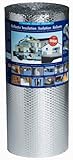
- A large roll of Reflectix insulation (measure your windows first)
- Black or dark-colored fabric (fleece or duck canvas works well)
- Cardboard for creating templates
- Heavy-duty spray adhesive (e.g., 3M Super 77)
- Strong neodymium magnets
- Fabric glue or Gorilla Glue
- A marker and sharp scissors or a utility knife
Step-by-Step Directions
- Measuring and Creating Templates: Create a precise cardboard template for each window. Make it slightly larger than the glass so it can be wedged tightly into the window frame for a snug fit.
- Cutting the Insulation: Trace your cardboard templates onto the Reflectix insulation and carefully cut out each shape. Test the fit in each window to ensure a tight seal.
- Applying the Fabric: In a well-ventilated outdoor area, spray the adhesive heavily onto one side of a Reflectix panel. Carefully lay your black fabric over it, smoothing out all wrinkles. Let it dry completely.
- Cutting the Fabric: Once dry, trim the excess fabric around the edges of the Reflectix panel.
- Securing with Magnets (Optional): For windows without a deep frame, use fabric glue to attach several small neodymium magnets around the perimeter of the cover. These will stick to the metal window frame, holding the cover firmly in place.
Pro-Tip: From my first-hand experience, using black fabric on the side facing out makes your car look like it just has heavily tinted windows, which enables stealth far better than the shiny silver of raw Reflectix. This is a critical component of stealth parking psychology and keeps unwanted attention away.
2. Installing a Simple Rain Guard System for Condensation Control

Save this fresh air hack to your ‘Car Comfort’ board!
Condensation control relies on continuous cross-ventilation, which is easily achieved by installing rain guards that let you safely crack your windows in any weather. This is a non-negotiable safety precaution to prevent humidity reduction issues and combat dangerous carbon monoxide buildup.
When you breathe while sleeping inside a closed vehicle, moisture instantly collects on the cold glass. These car ventilation hacks prevent you from waking up in a damp, mold-prone environment.
Supplies Needed
- A set of rain guards (also called vent visors or window deflectors) specifically designed for your car’s make and model.
- Alcohol cleaning wipes or rubbing alcohol and a microfiber cloth.
- A USB-powered, clip-on rechargeable fan.
Step-by-Step Directions
- Preparing the Surface: Thoroughly clean the top edge of your car’s exterior window frames where the rain guards will attach. Use an alcohol wipe to remove any wax or grime, ensuring a strong bond for the adhesive tape.
- Test the Fit: Before peeling the adhesive backing off entirely, hold the rain guard up to the door frame to confirm its exact placement and orientation.
- Installing the Guard: Carefully peel back a few inches of the protective film from the 3M adhesive tape on the rain guard. Align it precisely with the top of the window frame, slowly peel the rest of the backing, and press down firmly for at least 30 seconds.
- Creating Cross-Ventilation: Install rain guards on at least two windows, preferably on opposite sides of the car (e.g., front driver’s side and rear passenger’s side). This allows for cross-ventilation physics to work effectively by pulling a draft through the cabin.
- Enhancing Airflow: Clip your USB fan near one of the cracked windows to actively pull fresh air in or push moist air out during still, muggy nights.
Pro-Tip: For maximum stealth, choose “in-channel” rain guards if they are available for your vehicle model. They fit snugly inside the window channel for a sleeker, more factory-installed look compared to the bulky stick-on type, significantly reducing your vehicle’s visibility to outsiders.

3. Optimizing Your Space with a Modular Storage Bin System

Get your car life organized! Pin this storage solution.
A modular storage system maximizes space and demands organization by using stackable, clear-front bins to categorize daily essentials. Implementing these car storage ideas effectively manages clutter and keeps your compact living area entirely stress-free.
Permanent wooden drawers are heavy and expensive. A modular system is highly flexible and much lower in cost. It allows you to rapidly reconfigure your space if you need to carry passengers or haul large items.
Supplies Needed
- 3-5 stackable storage bins with latching lids (measure your trunk/cargo space carefully to ensure a good fit). Clear bins are highly ideal for quick visibility.
- A label maker or masking tape and a permanent marker.
- Non-slip shelf liner.
- Bungee cords or a stretchy cargo net.
Step-by-Step Directions
- Categorizing Your Gear: Empty your car completely and group all your belongings into logical categories: Kitchen, Clothes, Toiletries, Tools/Emergency, and Electronics. Apply a strict “one in, one out” rule to avoid hoarding.
- Assigning Bins: Dedicate one specific bin to each major category. Use smaller pouches, packing cubes, or Ziploc bags within the bins to further organize smaller loose items.
- Labeling Everything: Clearly label the outside of each bin. This is the single most important step for finding things quickly in the dark without tearing the whole car apart.
- Arranging the System: Place a non-slip liner on the flat floor of your cargo area. Arrange the bins with the least-used items on the bottom or tucked in the back, and daily-use bins (like the kitchen kit) easily accessible near the tailgate.
- Securing the Load: Use heavy-duty bungee cords or a cargo net to firmly secure the stack of bins, preventing them from shifting or dangerously toppling over while you drive. This is a crucial security measure.
Pro-Tip: Choose bins that have straight, vertical sides rather than heavily tapered ones. Tapered bins waste a significant amount of dead space between them when placed side-by-side, a critical detail when you are desperately trying to maximize space in a small hatchback or sedan.

4. Assembling a No-Build Sleeping Platform for Instant Comfort

Pin this dream bed setup for your next road trip!
A no-build sleeping platform provides instant comfort by utilizing folded seats, leveling materials, and a custom-cut memory foam mattress. This simple no-build car conversion bypasses the need for woodworking skills while delivering an excellent, restorative night’s rest.
Many beginners think they need to construct a heavy 2×4 wooden frame to sleep well. Instead, utilizing a high-quality mattress directly on a leveled floor is far lighter, cheaper, and easier to implement.
Supplies Needed
- A thick memory foam mattress topper (3-4 inches is ideal) or a tri-fold portable mattress. A standard twin size often fits well in most SUVs and larger hatchbacks.
- An old yoga mat, folded blankets, or foam puzzle pieces (to use for leveling uneven gaps).
- A cozy sleeping bag or thick duvet rated appropriately for the expected outdoor temperatures.
- Your favorite household pillows.
Step-by-Step Directions
- Preparing the Space: Fold down your car’s rear passenger seats completely to create the largest possible flat cargo area.
- Leveling the Surface: Most modern cars have a slight incline or awkward bumps right where the seats fold. Use folded towels, a cut-up yoga mat, or even your low-profile storage bins to build up low spots and create a significantly more level base.
- Measuring and Cutting the Mattress: Unroll your memory foam topper directly in the space. Use a serrated bread knife or an electric carving knife to easily trim it to the exact organic shape of your cargo area, cleanly cutting around protruding wheel wells.
- Making the Bed: Place your custom-cut mattress firmly in the back. Add your sleeping bag and plush pillows to create an inviting aesthetic.
- Storing When Not in Use: When you need the rear seats pulled up, a bare foam topper can be easily rolled up and secured tightly with ratchet straps, taking up minimal trunk space.
Pro-Tip: Before buying a mattress, rigorously measure the length from the back of your front seats (pushed completely forward) all the way to the tailgate. Compare this to standard mattress sizes. A standard Twin is 75 inches long, while a Twin XL is 80 inches—that extra 5 inches can make a massive difference if you are tall.

5. Creating a Centralized, Portable Power Station Hub

Power up your car life! Pin this essential gear idea.
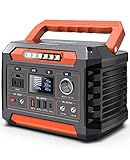
A centralized portable power hub safely charges electronics without draining your car battery by utilizing a self-contained lithium power station. Investing in a Jackery power station or similar solar generator unit is the absolute safest way to get off-grid electricity in a car.
Hardwiring a dual-battery system is incredibly complex and risky for beginners. A portable power station perfectly integrates with your power needs, preventing any dangerous battery drain on the car’s main starter battery.
Supplies Needed
- A portable power station (e.g., Jackery, Anker, Bluetti). A 300-500 watt-hour unit is a phenomenal starting point.
- A 12V car charging cable (usually included in the box).
- Optional: A compatible folding portable solar panel (100W is common and efficient).
- Cable organizers or small velcro straps.
Step-by-Step Directions
- Calculating Your Needs: Before buying, perform a strict power consumption audit. Make a list of everything you need to charge (phone, laptop, USB fan, lights) and estimate exactly how many hours you’ll use them per day. This guarantees you choose a power station with enough capacity (watt-hours).
- Creating a Charging Hub: Designate a highly secure, well-ventilated spot for your power station, like the front passenger floorboard or a secure spot tucked in the trunk. It must be easy to access but entirely out of the way of foot traffic.
- Charging the Station: The absolute easiest way to keep it topped up is to plug it directly into your car’s 12V outlet (cigarette lighter) only while you are driving. This safely uses the alternator’s excess power and won’t drain your starter battery.
- Solar Charging: For true off-grid autonomy, connect a portable solar panel. Place the panel securely on your roof or angled on your dashboard (while parked safely) and run the cable to your power station to charge up during daylight hours.
- Organizing Cables: Use velcro straps to neatly bundle the messy charging cables for your devices, keeping the hub area tidy and preventing a tangled, hazardous mess.
Pro-Tip: To significantly extend your battery life between charges, forcefully switch your mobile devices to low-power or airplane mode while charging. A smartphone charging in airplane mode will hit 100% much faster, consuming noticeably fewer of your precious watt-hours.
6. Installing Damage-Free, Battery-Powered LED Puck Lights

Brighten your nights with this easy lighting hack! Pin it now.
LED puck lights provide safe, battery-powered illumination that completely isolates your interior lighting from the vehicle’s electrical system. This stealthy lighting solution is incredibly budget-friendly and requires absolutely no complicated wiring or drilling.
Relying on your car’s built-in dome lights is a fast track to a dead battery. Puck lights provide excellent insulation from electrical failures and are remarkably easy to install and remove without damaging your car’s pristine interior.
Supplies Needed
- A multi-pack of battery-powered or rechargeable LED puck lights, preferably with a remote control and dimmable feature.
- The high-quality batteries required for the lights (e.g., AAA lithium).
- Heavy-duty adhesive velcro strips.
Step-by-Step Directions
- Choosing Placement: Identify the best functional spots for task lighting. Common locations include the dead center of the ceiling directly above your bed, inside the open tailgate for cooking prep, or on the rear side panels near your storage bins.
- Preparing the Lights: Insert the fresh batteries into your puck lights.
- Using Velcro for Mounting: Do not use the cheap double-sided tape that comes with the lights directly on your car’s fabric headliner—it will melt in the summer heat and leave a nasty, sticky residue. Instead, firmly attach a piece of the “hook” side of the velcro to the plastic back of the puck light.
- Installing the Light: The rough “hook” side of the velcro will grip securely and directly onto the fuzzy fabric of most standard car headliners. Simply press the light firmly into place. The bond is surprisingly strong but allows for instant, damage-free removal to change batteries.
- Controlling the Ambiance: Use the included remote to turn the lights on/off and drastically adjust the brightness. A dim, warm light is much stealthier than a bright, cool daylight bulb if you are parked in a densely populated urban area.
Pro-Tip: In my experience, utilizing a red light is the best operational choice for late-night use. It effectively preserves your night vision, so if you suddenly need to look outside at a strange noise, your eyes won’t need to painfully readjust. Many remote-controlled puck light sets include a dedicated red light option.

7. Fabricating a Back-of-Seat Organizer for Quick Access

Keep your essentials handy! Pin this car organization hack.
A back-of-seat organizer maximizes vertical space by creating an accessible storage spot for frequently used daily items like headlamps and tablets. This simple organizing trick prevents endless, frustrating digging through your main storage bins for small essentials.
This is a foundational off-the-shelf hack that requires zero actual “DIY” tools. It actively aids in vital clutter management, turning a chaotic cabin into a highly functional living environment.
Supplies Needed
- One or two high-quality, durable back-of-seat organizers. Look specifically for ones with a wide variety of pocket sizes, including a clear slot for a tablet and deep mesh pockets for heavy water bottles.
Step-by-Step Directions
- Selecting the Right Organizer: Choose an organizer that fits your specific daily needs. While some are designed playfully for kids, tactical “MOLLE” style organizers offer substantially more rugged, customizable options perfect for adult car living.
- Attaching the Organizer: Unpack the organizer and loop the heavy top strap around the metal posts of the front seat headrest. Cinch it extremely tight so the top sits flush and snug against the seatback.
- Securing the Bottom: Fasten the bottom strap tightly around the heavy metal base of the seat to prevent the organizer from swinging aggressively during sharp turns.
- Assigning Pockets: Systematically designate specific pockets for your daily essentials. For example: assign top pockets for expensive electronics and cables, the middle pocket for your journal and a headlamp, and bottom pockets for quick snacks or a first-aid kit.
- Creating a “Go-Zone”: Use this prime organizer as your daily “go-zone.” When you get ready for bed at night, place everything you will absolutely need first thing in the morning (phone, glasses, car keys) into its designated pocket so you’re not blindly searching for it later.
Pro-Tip: Do not heavily overload the organizer with bulky, heavy items. Proper vehicle weight distribution is important, and placing too much heavy weight high up on the seat fabric can cause the organizer to sag badly, tear the seams over time, or even obstruct your rear-view mirror visibility.

8. Preparing a Low-Profile Car Kitchen and Pantry Kit

Pin this compact kitchen idea for delicious road meals!
A compact car kitchen kit consolidates your butane stove, cookware, and pantry items into one highly portable, tightly sealed bin. Cooking in a car safely requires extreme caution, proper outdoor ventilation, and a meticulously organized prep area.
Eating out constantly will obliterate your budget. Building a portable all-in-one kitchen kit allows you to cook healthy meals cheaply, provided you adhere to incredibly strict safety standards regarding open flames.
Supplies Needed
- One clear plastic storage bin with a strong latching lid.
- A reliable single-burner butane stove and a few extra fuel canisters.
- One small pot and one small pan (compact nesting sets are ideal).
- A long-handled grill lighter.
- A compact camping utensil set (spatula, serving spoon, fork).
- A small, highly flexible cutting board.
- A multi-purpose, biodegradable soap (like Dr. Bronner’s) and a scrubbing sponge.
- Small, tightly sealed containers for salt, pepper, and cooking oil.
Step-by-Step Directions
- Designating the Kitchen Bin: Choose one of your existing modular storage bins to exclusively be the dedicated kitchen box. Do not mix tools or clothes in this bin.
- Arranging the Gear: Pack the bulky stove, fuel canisters, and cookware first at the bottom. Use small mesh bags to logically group loose utensils and tiny spice containers. The goal is to create a self-contained kit you can grab and pull outside in one swift motion.
- Creating a Pantry: Use a separate, noticeably smaller bin or a sturdy reusable grocery bag for your non-perishable food items like pasta, rice, canned goods, and instant coffee.
- Water Management: Always keep at least a full gallon of fresh water specifically reserved for cooking and post-meal cleaning. A collapsible silicone water jug smartly saves space when it is empty.
- Safe Cooking Practices: NEVER cook inside a closed car. Always cook completely outside with the stove resting on a highly stable, flat surface like a picnic table or the solid ground. If you absolutely must cook inside the tailgate area due to heavy, blowing rain, ensure multiple windows and the tailgate itself are wide open for maximum ventilation.
Pro-Tip: SAFETY WARNING: Always have a fully functioning, battery-operated carbon monoxide detector permanently installed inside your sleeping area. It is unequivocally one of the most important safety precautions you can ever take. Gas-powered appliances rapidly produce carbon monoxide, which is entirely odorless, colorless, and highly deadly in small, enclosed spaces.

9. Building a Discreet and Effective Hygiene Kit

Stay fresh on the road. Pin this hygiene kit setup!
A discreet hygiene kit ensures personal cleanliness through gym memberships, solid toiletries, and a portable emergency bathroom solution. Mastering car living hygiene is absolutely fundamental for maintaining both your physical comfort and mental well-being on the road.
Staying clean while living out of a sedan or SUV requires a bit of strategic planning. By assembling a highly portable, water-saving kit, you can easily maintain proper hygiene protocols without drawing undue attention to your lifestyle.
Supplies Needed
- A durable, water-resistant hanging toiletry bag (Dopp kit).
- A nationwide gym membership (like Planet Fitness) specifically for reliable showers.
- Large, unscented biodegradable body wipes for fast in-between days.
- A highly absorbent, quick-dry microfiber towel.
- Solid toiletries (shampoo bars, conditioner bars, solid soap) to prevent messy leaks.
- A small plastic spray bottle filled with water for quick “spot cleaning.”
- For extreme emergencies: A compact portable toilet with specialized waste bags or a simple, discreet pee funnel/bottle system.
Step-by-Step Directions
- The Shower Solution: The single most reliable hack is securing a nationwide gym membership. For a very low monthly fee, you get unlimited access to clean, private, hot showers, and a totally safe place to park legally for a couple of hours.
- Assembling the Toiletry Kit: Keep absolutely all your essential toiletries grouped in a hanging bag. This is perfect for public gym showers, as you can easily hang it up on a hook and keep your clean things entirely off the wet, gross floor.
- The “Bird Bath” Method: For fast, daily clean-ups when a shower isn’t possible, use your large body wipes or a damp microfiber towel with a tiny bit of soap. This is incredibly effective for vital daily hygiene maintenance.
- Managing Bathroom Needs: For quick urination, a clearly labeled, wide-mouth bottle or a female urination device (pee funnel) is a very common, highly discreet solution. For necessary solid waste, a simple bucket-style portable toilet lined with specialized waste bags is the most sanitary and environmentally responsible option.
- Waste Disposal: Always dispose of your waste properly. Never dump bodily liquids on the ground. Use public restrooms, gas station trash cans, or designated campground dump stations for safely disposing of all your waste bags.
Pro-Tip: Based on my extensive personal journey, permanently switching to solid toiletries was a massive game-changer. They last substantially longer, save incredible amounts of space, create far less plastic waste, and there is a zero percent chance of a liquid shampoo bottle exploding all over your expensive sleeping bag in the summer heat.

10. Securing Your Vehicle with Simple, Effective Security Upgrades

Stay safe out there. Pin this essential security tip.
Effective car living safety relies heavily on high-visibility deterrents like steering wheel locks and active alerts like window vibration alarms. These non-electrical security upgrades provide immense peace of mind and drastically lower your vulnerability while you sleep inside your vehicle.
You should never feel terrified while trying to rest. By implementing low-tech, highly visible deterrents, you make your car a significantly less attractive target to opportunistic thieves, effectively managing your personal risk.
Supplies Needed
- A heavy-duty, highly visible steering wheel lock (like The Club).
- A sharp seatbelt cutter/window breaker tool, kept permanently within immediate reach of the driver’s seat.
- A loud personal safety alarm attached directly to your keychain.
- Small, battery-powered adhesive window vibration alarms.
Step-by-Step Directions
- The Visual Deterrent: The single most effective, immediate hack is a bright steering wheel lock. It’s a clear, universal sign that your vehicle is definitely not an easy target. Put it on religiously every single time you leave the car or climb into the back to go to sleep.
- Adding Window Alarms: Firmly stick small, battery-powered vibration alarms directly to the glass on your side windows. If someone aggressively tries to break the glass, they emit a piercingly loud 120dB alarm, drawing massive attention and likely scaring off the intruder instantly.
- Emergency Escape Tool: Securely mount a seatbelt cutter and window breaker tool somewhere you can always reach it blindly from the driver’s seat, even if you are upside down after a terrible accident.
- Personal Alarm: Keep a loud personal safety alarm on your main keychain. If you ever feel threatened outside your vehicle, you can simply pull the pin to create a massive, loud diversion.
- Key Fob Proximity: Always sleep with your car keys physically within arm’s reach. If you hear something suspicious outside in the middle of the night, you can instantly hit the panic button to activate your loud car alarm.
Pro-Tip: Never rely completely on just one single security method. The absolute best security measures utilize overlapping layers. A steering wheel lock (visual deterrent), window alarms (active alert), and your car’s panic button (audible alarm) work beautifully together to create a much safer overall environment.

11. Mapping and Implementing a Smart Stealth Parking Strategy

Find your perfect spot. Pin this stealth parking guide.
A smart stealth parking strategy involves arriving late, leaving early, and rotating between several carefully scouted locations. Consistently finding legal and safe overnight parking is unequivocally the most critical operational skill for mastering stealth parking solutions.
You must rigorously adhere to legal compliance to avoid midnight police knocks. A successful strategy requires proactive scouting, a deep understanding of local ordinances, and an unwavering commitment to the “leave no trace” principle.
Tools Required
- A charged smartphone equipped with mapping apps like iOverlander, Campendium, and Google Maps (Satellite View).
- A physical notebook to manually log good spots and note bad ones.
- A physical, laminated road atlas as a reliable backup when cell service fails.
Routine Steps
- Understand the Goal: The overarching goal of stealth parking is to blend in completely seamlessly. You want to deliberately park where a normal car would reasonably be parked overnight and not draw a single ounce of attention.
- Scout During the Day: Never pull blindly into a new spot for the first time in the pitch dark. Arrive during the bright daytime to thoroughly check for “No Overnight Parking” signs, assess the general safety of the neighborhood, and meticulously plan your fast exit routes.
- Arrive Late, Leave Early: This is the absolute golden rule of stealth. Arrive well after 10 PM when foot traffic is extremely low, and leave before 7 AM before the morning rush hour begins. Never visibly “hang out” outside your car at your designated sleeping spot.
- Develop a Rotation: Never violently abuse a good spot by parking there two nights in a row. Have 3-5 verified good spots in a localized area and constantly rotate between them.
- Good Spot Categories:
- 24-Hour Businesses: Places like gyms, some Walmarts (always check first), and large hospitals often have regular cars parked in the lot at all hours.
- Industrial/Business Parks: After business hours, these commercial areas are often completely deserted and wonderfully quiet.
- Street Parking: In dense residential apartment areas where literally everyone parks on the street, you can often blend right in. Strictly avoid parking directly in front of a single-family house.
- The “Never” List: Never park in places that are obviously closed with gates, have clear warning signage, or simply feel unsafe to your gut. Always trust your instincts.
Pro-Tip: Use Google Maps Satellite View to extensively scout potential new areas from a safe distance. Look specifically for streets with lots of parked cars, areas adjacent to large parks or wooded areas that provide some visual cover, and giant lots without obvious, roaming security patrols. This digital scouting saves immense amounts of time and expensive gas.

Key Takeaways: Your Quick Guide to Car Living DIY
These vital takeaways summarize the most important methods for establishing a safe, discreet, and highly functional vehicle dwelling setup:
- Stealth is Your Best Security: The most important overarching principle of car living diy is to seamlessly blend in. This is achieved daily through creating custom DIY window shades with black backing, strictly adhering to the arrive late/leave early rule, and purposefully choosing low-profile exterior gear.
- Ventilation Prevents Condensation: Cracking your windows safely under installed rain guards is entirely non-negotiable for proper condensation control and life safety. It is the simplest, most effective way to actively manage dangerous interior moisture.
- Privacy and Comfort are Linked: Well-made blackout covers not only provide total privacy protection but also act as crucial thermal insulation, keeping you noticeably warmer in the winter and drastically cooler in the summer, which significantly improves sleep quality.
- Isolate Your Power System: Never recklessly rely on your car’s fragile starter battery for your daily living needs. A dedicated portable power station is a safe, highly reliable investment that entirely prevents you from getting stranded in the morning.
- Safety is a Layered System: Don’t rely blindly on just one thing. Powerfully combine visual deterrents (a steering wheel lock), active alerts (loud window alarms), and constant situational awareness (stealth parking solutions) to stay safe.
- “No-Build” is a Viable Strategy: You absolutely don’t need complex, heavy carpentry to be comfortable. A clever no-build car conversion using a trimmed foam mattress and modular plastic storage bins is a fast, highly affordable, and totally flexible approach.
People Also Ask About Car Living DIY
You likely still have pressing questions about the specific logistics of this unique lifestyle. Here are clear, authoritative answers to the most common queries regarding vehicle dwelling.
How do you handle condensation in a car?
You handle condensation by ensuring constant, adequate ventilation. The most effective, budget-friendly method is to crack at least two windows on opposite sides of the car to allow for cross-flow. Using rain guards allows you to do this even in bad weather. In extremely cold climates, a diesel heater is an advanced solution, but for most, consistent airflow from cracked windows is the absolute key to humidity reduction.
Is car living legal?
The legality of car living exists in a gray area and varies dramatically by city and state. It is critically important to research local ordinances. While no overarching federal law prohibits sleeping in your car, many cities have strict municipal ordinances against “urban camping” or inhabiting a vehicle. The core principle of stealth camping—arriving late, leaving early, and being totally discreet—is a necessary strategy to avoid legal issues, not a guarantee of absolute legal compliance.
How do you stay warm when living in a car in winter?
Staying warm requires a multi-layered approach focusing entirely on thick insulation and a safe, non-electric heat source. Use heavily insulated window covers, a low-temperature rated mummy sleeping bag (0-20°F), and always wear layers of wool or fleece. Never use indoor propane heaters inside a closed vehicle without extensive, professional ventilation. A safer, albeit much more expensive, option is a properly installed external diesel heater.
What are the absolute must-have car living essentials?
The top five must-have essentials are a comfortable sleeping system, a method for total privacy (window covers), a solution for ventilation, a portable power source, and a reliable system for hygiene. These core items strictly form the foundation of a safe and comfortable minimalist car setup. Everything else, like a complex kitchen or elaborate storage build, can be slowly added over time as your budget allows.
How do you poop while living in a car?
The most common and responsible solution is to proactively use public restrooms as much as possible. For late-night emergencies, many experienced car dwellers carry a portable toilet. These are small, bucket-style toilets with a seat that use special waste bags containing a gelling agent to instantly solidify liquid and mask odor. These bags can then be securely tied off and legally disposed of in a regular trash can.
Where can I legally sleep in my car?
Legally designated places are rare, but some highly reliable options definitely exist. Some Walmarts still allow overnight parking (always check with the local store manager), as do some Cabela’s and Cracker Barrel locations. Interstate rest stops and massive truck stops on highways are often permissible for short-term stays. For longer-term legal parking, BLM (Bureau of Land Management) land and National Forests typically allow free dispersed camping for up to 14 consecutive days.
How do you stay safe living in a car?
Safety is fundamentally about high visibility deterrence and sharp situational awareness. Use a highly visible steering wheel lock, park in well-lit areas when possible, and always trust your gut instinct if a spot feels wrong. Keep your keys physically handy to instantly hit the panic button, sleep with your head positioned towards the front of the car for a quick getaway, and always have an escape plan. Never park in the exact same spot consecutively.
Can you live in a sedan?
Yes, you can absolutely live in a sedan, though it requires significantly more minimalism. Many people successfully live in smaller passenger cars. The front passenger seat can be strategically used for stacked storage, and the folded back seat becomes the primary sleeping area. While you can’t sit up fully in bed, it is a very stealthy and highly budget-friendly option that attracts far less attention than a bulky van or large SUV.
How do you get mail when living in a car?
There are several highly reliable solutions for consistently receiving your mail. The most common is to simply get a P.O. Box at a local post office or rent a private mailbox at a place like a UPS Store. The latter is often much better as it provides a physical street address, which is legally required for some package deliveries and official government documents. You can also occasionally ask a trusted friend or family member to let you use their address.
How do you shower when living in a car?
A nationwide gym membership is unequivocally the most popular and effective solution. Planet Fitness is a common choice due to its incredibly low cost and massive number of locations. Other excellent options include community recreation centers, truck stop showers (which you can pay cash to use), and state park or private campground facilities. For a quick rinse-off out in nature, a portable solar shower can also be effectively used.
Final Thoughts on Your Car Living DIY Journey
Transitioning into a vehicle isn’t just about surviving; it’s about embracing incredible freedom and incredibly frugal living. By implementing these accessible car living diy strategies, you bypass the massive expense of professional builds while retaining ultimate flexibility. You have learned that true comfort stems from smart organization, strict condensation control, and reliable, portable power.
Your car life transition doesn’t need to happen overnight. Start incredibly small by crafting your window covers and slowly testing your sleep setup in your own driveway. Adapt these proven methods to fit your unique vehicle and personal comfort thresholds. You now possess the expert knowledge to turn any standard vehicle into a safe, stealthy sanctuary. Which of these simple, no-build hacks will you tackle first this weekend?
Last update on 2026-04-17 / Affiliate links / Images from Amazon Product Advertising API


