
Wondering if you can use Dawn dish soap on your car? Many people struggle with this question, caught between its famous cleaning power and warnings about potential damage. Getting this wrong could harm your car’s finish.
Dawn dish soap can effectively remove grease and grime from a car, making it suitable for specific heavy-duty cleaning tasks or stripping old wax before reapplication. However, its highly alkaline nature and powerful detergents can strip away essential protective layers like wax and sealants, potentially leaving the paint vulnerable and dull with regular use.
Based on an in-depth analysis of its chemical properties and professional detailer practices, this guide provides the definitive answer. You’ll discover exactly when to use it, how to do so safely, and why dedicated car soaps are the better choice for routine maintenance.
Key Facts
- Highly Alkaline: Dawn dish soap has an alkaline pH level, typically between 8.7 and 9.3, which is much higher than the neutral pH of professional car wash soaps.
- Strips Protective Coatings: Its primary function as a degreaser means it effectively removes not just grease but also essential protective layers like automotive wax and paint sealants from your car’s finish.
- Paint Vulnerability: By stripping the wax, Dawn leaves the car’s clear coat exposed and vulnerable to UV radiation, environmental contaminants, and oxidation, which can dull the paint over time.
- Expert Consensus: Professional detailers agree that Dawn should only be used as a stripping agent before applying new wax, not for regular maintenance washes due to its harshness and lack of lubrication.
- Material Drying: The degreasing agents in Dawn can strip essential oils from non-painted surfaces like plastic and rubber, potentially leading to drying, fading, or cracking with repeated use.
Can You Use Dawn Dish Soap On Your Car?
The direct answer is yes, you can use Dawn dish soap on a car, but it is not recommended for regular washing and should only be used for very specific tasks. While Dawn is a powerful degreasing agent effective at cutting through tough grime, its chemical properties make it unsuitable for routine maintenance. The very strength that makes it great for greasy dishes is what poses a risk to your vehicle’s delicate surfaces. Professional detailer insights and an understanding of its chemical composition reveal that its use is a trade-off: you gain cleaning power at the cost of stripping away protection.

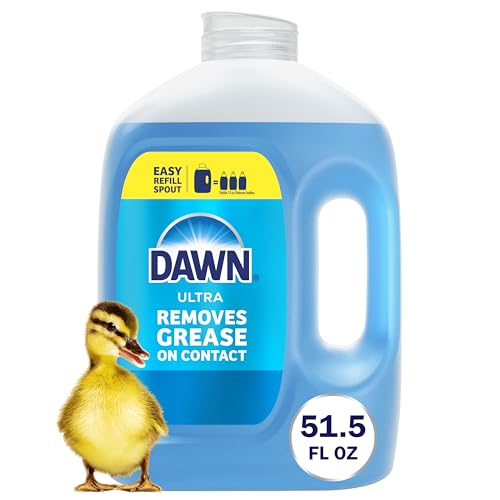
The core issue lies with Dawn’s primary design purpose. Dawn dish soap [a consumer cleaning product designed to emulsify grease and oil] is formulated to be aggressive on fats and oils. Unfortunately, it cannot distinguish between unwanted kitchen grease and the beneficial waxes, sealants, and oils that protect your car’s paint and trim. When you wash your car with it, you are performing a “strip wash,” which removes all layers of protection, leaving the paint’s clear coat exposed. This is why its use should be intentional and followed by restorative steps. This guide will explore the scientific reasons behind these risks and outline the few scenarios where using Dawn is actually beneficial.
What Makes Dawn Dish Soap Risky for Car Paint and Finishes?
Dawn dish soap’s primary risk to car paint lies in its high alkalinity (pH 8.7-9.3) and powerful degreasing agents, which are formulated to emulsify and remove tough grease. These properties are highly effective for their intended purpose but are indiscriminate. They attack and strip away the car’s essential protective layers, such as automotive wax and sealants, leaving the clear coat vulnerable to UV damage, oxidation, and environmental contaminants.
The science behind this is straightforward. Your car’s paint isn’t just the color layer; it’s topped with a clear coat that provides gloss and protection. This clear coat is further protected by a layer of wax or sealant. Dawn’s surfactants—the cleaning agents—are designed to break down and lift grease and oil. Since car wax is an oil-based product, Dawn removes it just as effectively as it removes bacon grease from a pan. Once this protective barrier is gone, the clear coat is exposed to the elements. UV radiation from the sun can begin to break down the clear coat, a process known as oxidation, which leads to a dull, faded appearance.
Furthermore, while Dawn itself is non-abrasive, its lack of specialized lubricants found in dedicated car wash soaps can increase the risk of creating swirl marks and fine scratches during the washing process. Dedicated car soaps are engineered to be pH-neutral, so they clean dirt without removing the protective wax layer. They also contain lubricating agents that allow your wash mitt to glide smoothly over the surface, minimizing friction. Dawn lacks this lubricity, making it a riskier choice for maintaining a pristine finish.
How Does Dawn Affect Different Car Surfaces and Materials?
Dawn dish soap’s effects vary significantly across different car surfaces. It aggressively strips wax from car paint, potentially accelerating clear coat degradation. For plastic and rubber components, frequent use can dry out essential oils, causing premature aging or fading. On glass, it can leave streaks if not thoroughly rinsed, and it’s generally too harsh for delicate interior materials like leather.
Here is a breakdown of how Dawn interacts with specific automotive materials:
| Car Surface/Material | Impact of Dawn Dish Soap | Recommendation |
|---|---|---|
| Paint (Waxed/Sealed) | Strips wax/sealants, leaves clear coat vulnerable | Avoid for regular washing; use only for pre-wax prep |
| Paint (Unprotected) | Effective cleaner, but can accelerate oxidation | Use sparingly, reapply protection immediately |
| Plastic Trim | Can dry out, fade, or crack over time | Use infrequently, follow with protectant |
| Rubber Seals/Tires | Can dry out, reduce elasticity | Use infrequently, apply rubber conditioner |
| Glass | Effective degreaser, but may streak | Use with caution, thorough rinsing is critical |
| Chrome/Metal | Safe for cleaning, effective on grease | Generally safe, follow with polish if desired |
| Interior (Leather/Fabric) | Too harsh, can dry, stain, or damage | Absolutely avoid for interior cleaning |
| Engine Bay Components | Excellent for degreasing, grime removal | Recommended for heavy grease, rinse thoroughly |
Paint and Clear Coat
As established, Dawn is a stripping agent for paint. It removes all waxes and sealants, leaving the clear coat exposed. Regular use without reapplying protection is the fastest way to a dull, lifeless finish.
Plastic and Rubber
This is a point of debate, but the chemical principle is clear. Plastic and rubber trim contain oils that keep them flexible and dark-colored. Dawn’s degreasing action can pull these oils out over time, leading to a dry, faded, or even brittle condition. While a single wash is unlikely to cause cracking, repeated exposure without applying a UV protectant dressing afterward is ill-advised.
Glass, Chrome, and Metal
Dawn is generally safe and effective for cleaning greasy fingerprints or road film from glass, chrome, and other bare metal surfaces. The key is thorough rinsing, as it can leave behind a streaky film if allowed to dry on the surface.
Interior Surfaces (Leather, Fabric, Vinyl)
You should absolutely not use Dawn on your car’s interior. For leather, it will strip the natural oils and conditioners, leading to dryness and cracking. On fabrics, its harsh detergents can cause discoloration or leave a sticky residue that attracts more dirt. Always use cleaners specifically formulated for these delicate materials.
When Is It Appropriate To Use Dawn Dish Soap On Your Car?
Dawn dish soap is appropriate for specific car cleaning tasks where its powerful degreasing and wax-stripping capabilities are desired. The most common uses include pre-wax preparation to ensure a clean surface for new protection, and heavy-duty degreasing for stubborn grime, oil, or tar on exterior surfaces or within the engine bay. It should not be used for routine car washing.
Think of Dawn not as a car wash soap, but as a specialized surface preparation product. Based on professional detailer practices, here are the situations where using Dawn is an effective and proven strategy:
- 🔹 Stripping Old Wax and Sealants: Before applying a new coat of wax, a ceramic coating, or a paint sealant, you need a perfectly clean surface. A wash with a diluted Dawn solution will effectively remove all old layers of protection, ensuring the new product bonds directly to the clear coat for maximum durability.
- 🔹 Removing Stubborn Contaminants: For heavy contaminants like road tar, tree sap, or significant bug splatter that regular car soap can’t handle, Dawn can be used as a spot treatment. Its degreasing power helps break down these sticky substances.
- 🔹 Cleaning an Engine Bay: The engine bay is often covered in grease and oil. Dawn’s primary strength makes it an excellent choice for this heavy-duty cleaning job.
- 🔹 Deep Cleaning Tires and Wheels: To remove built-up grime, brake dust, and old, greasy tire shine products, a wash with Dawn can restore tires and wheels to a neutral state before applying new dressing or protection.
In each of these cases, Dawn is used as a potent problem-solver for a specific issue. It is never the go-to choice for a simple maintenance wash to remove light dust and road film.
How Do You Safely Use Dawn Dish Soap For Specific Car Cleaning Tasks?
To safely use Dawn dish soap on a car, proper dilution and immediate post-wash protection are critical. Mix one tablespoon of Dawn with one gallon of water for heavy cleaning. Wash small sections at a time with a soft mitt, rinsing immediately and thoroughly with clean water. Crucially, always reapply a fresh layer of wax or sealant after using Dawn, as it completely strips existing protection.
Following a precise method is key to leveraging Dawn’s strength without causing unintended harm. This is the process professional detailers use when performing a “strip wash.”
- Work in a Cool, Shaded Area: Never wash your car in direct sunlight. The heat can cause the soap to dry on the surface, creating streaks and making it difficult to rinse off completely.
- Prepare Your Solution: Use a clean bucket. Add approximately one tablespoon of Dawn to the bucket, then fill it with one gallon of water. Using more soap is not better; it just makes rinsing more difficult.
- Pre-Rinse the Vehicle: Thoroughly rinse the car with plain water to remove loose dirt and debris. This minimizes the risk of scratching the paint during the wash.
- Wash in Small Sections: Start from the top of the vehicle and work your way down. Wash one small panel at a time (e.g., the roof, then the hood). This ensures the soap solution doesn’t dry before you can rinse it.
- Rinse Immediately and Thoroughly: As soon as you finish a section, rinse it completely with a steady stream of water. Ensure all soap residue is gone from panel gaps, trim, and emblems.
- Dry the Vehicle: Use a clean, soft microfiber drying towel or an air blower to dry the car completely. This prevents water spots.
- ⚠️ Reapply Protection Immediately: This is the most important step. Your car’s paint is now completely bare. You must apply a new coat of automotive wax or a paint sealant to restore its protective layer. Skipping this step leaves your paint vulnerable to damage.
How Does Dawn Dish Soap Compare To Dedicated Car Wash Soap?
Dawn dish soap differs significantly from dedicated car wash soap in its chemical composition and effect on automotive finishes. Car wash soaps are typically pH-neutral, designed to clean without stripping wax or damaging paint protection. Dawn, being alkaline and a powerful degreaser, will effectively strip all waxes and sealants, leaving the paint vulnerable and requiring immediate reapplication of protection.
Understanding the fundamental differences in their design purpose is key to making the right choice for your vehicle.
| Feature/Aspect | Dawn Dish Soap | Dedicated Car Wash Soap |
|---|---|---|
| Primary Purpose | Grease/Oil Removal, Wax Stripping | Routine Car Cleaning, Maintain Protection |
| pH Level | Alkaline (8.7-9.3) | pH Neutral (6.0-8.0) |
| Impact on Wax/Sealants | Strips completely | Safe, preserves protection |
| Impact on Paint (Regular Use) | Can dull, accelerate oxidation, leave vulnerable | Gentle, maintains shine and protection |
| Material Compatibility | Potential drying for plastic/rubber | Generally safe for all exterior materials |
| Suds/Lubrication | High suds, moderate lubrication | High suds, high lubrication (reduces swirl marks) |
| Cost-Effectiveness | Cheaper per wash, but requires re-waxing | More expensive per wash, saves on re-waxing |
| Recommended Use | Pre-wax prep, heavy degreasing, bug/tar removal | Regular maintenance washing |
In short, the choice depends on your goal. If your goal is to remove everything from your car’s surface to start fresh, Dawn is an effective tool. If your goal is to clean away dirt while preserving the shine and protection you’ve already applied, a dedicated car wash soap is the only correct choice. Using Dawn for regular washes creates unnecessary work and risk by forcing you to re-wax your vehicle after every wash.

What Are The Long-Term Effects Of Using Dawn Dish Soap On A Car?
The long-term effects of using Dawn dish soap on a car, while lacking extensive scientific studies, are inferred from its chemical properties. Repeatedly stripping waxes and sealants exposes the clear coat to UV rays and environmental contaminants, which can accelerate oxidation, leading to a dull finish and potential paint degradation. Additionally, continuous degreasing can dry out plastic and rubber components, causing premature cracking or fading over time.
Expert Insight: It’s important to note that as of 2026, there are no large-scale, peer-reviewed scientific studies on the cumulative damage from washing a car with dish soap. The conclusions are based on chemical first principles and the consensus of material science experts and professional detailers.
The logical progression of long-term damage is as follows:
* Constant Stripping of Protection: Each wash with Dawn removes the sacrificial wax layer. If a new layer isn’t applied every single time, the paint’s clear coat is left to face the elements alone.
* Accelerated Clear Coat Degradation: The clear coat is the primary barrier against UV radiation. Without wax to help absorb and repel UV rays, the clear coat begins to break down more quickly. This oxidation process is what turns a glossy finish into a chalky, dull one.
* Material Fatigue in Plastics and Rubber: Exterior trim, seals, and tires contain oils and plasticizers to keep them flexible and resistant to UV damage. The powerful degreasers in Dawn can slowly leach these essential components out. Over many years, this can lead to materials that are faded, brittle, and prone to cracking.
While a single, isolated use for a specific purpose is unlikely to cause any noticeable long-term harm, making it a part of your regular car care routine is a scientifically unsound practice that works directly against the goal of preserving your vehicle’s finish.
What Do Professional Detailers Say About Using Dawn On Cars?
Professional detailers generally hold a nuanced view on using Dawn dish soap for cars: it’s considered a valuable tool for specific tasks but not for routine washing. They often recommend Dawn for stripping old waxes, sealants, or heavy contaminants from paint before a fresh application. However, due to its harshness and lack of lubrication, they universally advise against it for regular maintenance, preferring pH-neutral car soaps to protect the finish.
The consensus in the professional detailing community is clear and consistent. From years of working with countless vehicles, experts have learned to use the right product for the right job.
A common sentiment among seasoned detailers is: “Dawn has its place on our shelf, but it’s not for washing a client’s car on a weekly basis. We use it when we need to start with a completely bare surface before a paint correction or ceramic coating. For regular washes, it’s a liability.”
Here’s a summary of the professional viewpoint:
* It’s a Stripping Agent: Experts view Dawn as a cheap and effective alternative to more expensive dedicated wax-stripping products. When they need to guarantee a surface is 100% free of old protection, a Dawn wash is a reliable first step.
* Lack of Lubrication is a Major Concern: Professionals are acutely aware of how swirl marks and micro-scratches are created. They point out that dedicated car soaps are packed with lubricants to minimize friction. Dawn lacks this property, increasing the risk of inflicting damage during the wash process.
* It’s Inefficient for Maintenance: From a professional workflow perspective, using a product that strips wax during a routine wash is counterproductive. It creates the extra, time-consuming step of having to reapply protection, turning a simple wash into a multi-hour job.
Ultimately, professionals treat Dawn dish soap [an alkaline degreasing cleaner] as a strong chemical tool to be used with purpose and care, not as a gentle maintenance product.
FAQs About can you use dawn on car
Is Dawn Platinum dish soap safe for cars?
Dawn Platinum dish soap, like original Dawn, contains strong degreasers and is highly alkaline, making it unsuitable for regular car washing. While effective for stripping old waxes or heavy grease, it carries the same risks of removing protective coatings and potentially drying out plastic/rubber components. Always follow up with proper protection.
Will Dawn remove ceramic coating from a car?
No, Dawn dish soap is generally not strong enough to completely remove a professionally applied ceramic coating from a car. Ceramic coatings are designed to be highly resistant to chemicals. However, Dawn can degrade the coating’s hydrophobic properties and potentially diminish its longevity with repeated use, making dedicated pH-neutral washes essential.
Can I use Dawn dish soap for interior car cleaning, such as leather or fabric?
No, using Dawn dish soap for interior car cleaning, especially on leather or delicate fabrics, is strongly discouraged. Its harsh degreasing agents can strip natural oils from leather, leading to drying and cracking, and may stain or damage fabric upholstery. Always use specialized interior cleaners for these surfaces.
How much Dawn dish soap should I use if I’m stripping wax?
For stripping wax, a common recommendation is to use approximately one tablespoon of Dawn dish soap per gallon of water. This creates a sufficiently concentrated solution to break down existing wax or sealants without excessive foaming. Always apply to a wet car, work in small sections, and rinse thoroughly immediately.
What should I do immediately after washing my car with Dawn dish soap?
Immediately after washing your car with Dawn dish soap, it is crucial to thoroughly rinse the entire vehicle and then reapply a fresh layer of wax or a paint sealant. Since Dawn strips all existing protection, reapplying a protective coating is vital to shield your car’s paint from UV damage, environmental contaminants, and oxidation.
Is it safe to use Dawn on car tires and wheels?
Yes, Dawn dish soap can be effective and relatively safe for cleaning extremely greasy tires and wheels, particularly for removing old tire dressings or heavy brake dust. However, frequent use on tires can potentially dry out the rubber over time, so it’s best to follow up with a tire conditioner. For routine cleaning, a dedicated wheel and tire cleaner is gentler.
Does Dawn dull car paint over time?
Yes, if used regularly for car washing, Dawn dish soap can contribute to dulling car paint over time. Its alkaline properties and degreasing action strip away protective waxes and sealants, leaving the clear coat exposed. This accelerates oxidation and environmental wear, diminishing the paint’s gloss and clarity.
How often can I use Dawn dish soap on my car without causing damage?
Dawn dish soap should be used sparingly on your car, ideally no more than once or twice a year, and only when necessary for specific tasks like wax stripping or heavy degreasing. Frequent or regular use risks cumulative damage to paint protection, plastic, and rubber components.
Are there any specific Dawn varieties that are safer for cars?
No, there are no specific Dawn varieties that are inherently safer for cars than the original formula. All Dawn dish soaps are designed as powerful degreasers with alkaline pH levels. While some might have slightly different scents or additives, their core chemical properties remain harsh for automotive finishes.
Can Dawn dish soap be used to clean a car engine bay?
Yes, Dawn dish soap is highly effective and commonly recommended by detailers for cleaning a greasy car engine bay. Its strong degreasing properties excel at breaking down oil, grime, and heavy dirt accumulated in the engine compartment. Ensure all electrical components are covered and rinse thoroughly with low pressure.
Key Takeaways: Dawn Dish Soap and Your Car Summary
Understanding the proper role of Dawn dish soap in car care is essential for maintaining your vehicle’s appearance and value. Here are the most critical points to remember from this guide.
- A Tool, Not a Soap: Think of Dawn dish soap as a specialized stripping tool, not a regular car wash soap. Its powerful degreasing formula is designed to remove everything from a surface, including protective waxes and sealants.
- Strips Protection: The primary effect of using Dawn is the complete removal of any wax or sealant on your car paint. This leaves the underlying clear coat exposed and vulnerable to the elements.
- Risk to Materials: Beyond paint, the degreasers in Dawn can dry out plastic trim and rubber seals over time, potentially leading to fading and cracking with repeated use.
- Specific, Limited Uses: The only appropriate times to use Dawn are for heavy-duty tasks like preparing the paint for a new wax application, deep cleaning a greasy engine bay, or removing stubborn contaminants like tar.
- Protection is Mandatory: If you use Dawn, you must follow up by applying a fresh layer of automotive wax or paint sealant immediately after. This step is not optional and is crucial for protecting your paint.
- Car Soap is Superior for Maintenance: For all routine car washes, a dedicated, pH-neutral car wash soap is the correct choice. It cleans dirt and grime effectively without harming the protective layers on your car.
Final Thoughts on Using Dawn Dish Soap On Your Car
Ultimately, the question “Can you use Dawn on your car?” receives a nuanced answer: Yes, but with significant caveats and for highly specific purposes. As a powerful degreaser, Dawn is excellent for stripping old wax or tackling heavy grime in situations like preparing a car for a fresh protective coating or cleaning a greasy engine bay. However, for routine washing, its alkaline pH and harsh detergents will aggressively strip your paint’s vital protective layers, potentially leading to dullness, accelerated oxidation, and compromised material integrity over time. Making informed decisions means understanding not just what a product can do, but what its full implications are. Prioritizing dedicated, pH-neutral automotive soaps for regular maintenance, coupled with immediate reapplication of wax or sealant when Dawn is employed, remains the expert-recommended approach for safeguarding your vehicle’s long-term finish and value.
Last update on 2026-03-30 / Affiliate links / Images from Amazon Product Advertising API


![Dubai Luxury Cars: Ultimate Guide for Buying & Renting [year]](https://i0.wp.com/carxplorer.com/wp-content/uploads/2026/03/Dubai-Luxury-Cars-Ultimate-Guide-for-Buying-Renting-year-1.jpg?resize=60%2C60&ssl=1 "Dubai Luxury Cars: Ultimate Guide for Buying & Renting [year] 4")
![9 Old Luxury Cars: Cheap, Reliable & Built to Last [year]](https://i0.wp.com/carxplorer.com/wp-content/uploads/2026/03/9-Old-Luxury-Cars-Cheap-Reliable-Built-to-Last-year-1.jpg?resize=60%2C60&ssl=1 "9 Old Luxury Cars: Cheap, Reliable & Built to Last [year] 6")

![Luxury Cars White: 9 Elegant Designs & Top Models for [year]](https://i0.wp.com/carxplorer.com/wp-content/uploads/2026/03/Luxury-Cars-White-9-Elegant-Designs-Top-Models-for-year-1.jpg?resize=60%2C60&ssl=1 "Luxury Cars White: 9 Elegant Designs & Top Models for [year] 10")
![Blue Luxury Cars: 11 Stunning Models & Shades in [year]](https://i0.wp.com/carxplorer.com/wp-content/uploads/2026/03/Blue-Luxury-Cars-11-Stunning-Models-Shades-in-year-1.jpg?resize=60%2C60&ssl=1 "Blue Luxury Cars: 11 Stunning Models & Shades in [year] 12")