
Seeing that glowing orange dashboard light can instantly cause stress and uncertainty. Is your car on the verge of a major breakdown, or is it just a minor hiccup? You’re not alone in asking, “can you drive a car with the check engine light on?”—it’s one of the most common concerns for any driver. This guide will provide the clear, definitive answers you need to understand what your car is telling you, when it’s safe to keep driving, and when you absolutely need to pull over.
In most cases, you can continue driving with a steady check engine light for a short distance to a service center; however, a flashing check engine light indicates a serious problem requiring you to pull over as soon as it is safe to do so.
Leveraging extensive analysis of onboard diagnostic (OBD) system data and established repair patterns, this guide unpacks the critical differences between light behaviors, the most common causes, and the real risks of ignoring the warning. We’ll demystify the signals so you can navigate the situation with confidence, protecting both your safety and your wallet.
Key Facts
- Steady vs. Flashing is Critical: A steady check engine light indicates a non-emergency fault, while a flashing light signals a severe issue like an engine misfire that requires you to stop driving immediately to prevent major damage.
- The Gas Cap Culprit: A loose or damaged gas cap is one of the most frequent and easily fixable reasons for the check engine light, as it disrupts the fuel system’s pressure.
- Don’t Ignore Minor Signs: Even if the car feels fine, a steady light indicates a problem, often with a sensor or the emissions system, that is already reducing fuel efficiency and can lead to more expensive repairs.
- Misfires are Destructive: A flashing light often means unburned fuel is entering the exhaust system, which can rapidly destroy the catalytic converter—a repair that can be very costly.
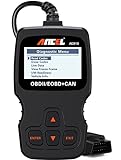
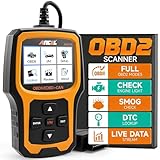
- Free Scans are Available: Many auto parts stores and some repair shops offer a free service to read the diagnostic trouble code with an OBD-II scanner, which helps identify the specific problem your car’s computer has detected.
Can You Drive With the Check Engine Light On? The Definitive Answer
That glowing orange light can be stressful, but what is your car really trying to tell you? The answer to whether you can keep driving when the check engine light comes on is nuanced: it depends on the light’s behavior and any other symptoms your car is showing. The check engine light is a key part of your vehicle’s onboard diagnostics (OBD) system. It illuminates when the car’s computer detects a fault in one of its systems, ranging from something incredibly simple to something critically severe. In most cases, you can continue driving with a steady check engine light for a short distance to a service center. However, a flashing check engine light indicates a serious problem requiring you to pull over as soon as it is safe to do so.

The Critical Difference: Is Your Check Engine Light Steady or Flashing?
Understanding the difference between a steady and a flashing light is the most important factor in deciding your next move. One is a gentle warning, while the other is a critical alert. A steady light is a “get this checked soon” warning, while a flashing light is a “stop driving now” emergency to prevent severe engine damage.

| Light Status | Severity | Recommended Action |
|---|---|---|
| Steady Light | Less Urgent | Safe to drive for a short period. Schedule a diagnostic check soon. |
| Flashing Light | SERIOUS EMERGENCY | Pull over as soon as safely possible. Turn off the engine and call for a tow. |
Steady Check Engine Light: What It Means
A solid, non-blinking check engine light is the most common scenario. It signals that the onboard computer has registered a fault that is not an immediate, catastrophic emergency. While you can typically continue your trip, ignoring it is a bad idea.
- Indicates a non-emergency fault: The issue is often related to the emissions system or a faulty sensor.
- Typically safe for short-term driving: You can usually get to your destination or a nearby mechanic without causing further immediate damage.
- Ignoring can lead to higher repair costs: A minor issue like a failing sensor can, over time, cause damage to more expensive components like the catalytic converter.
Pro Tip: Even if the car feels fine, a steady light means it’s not running as efficiently as it should be, costing you more in fuel. A steady light usually signals a minor fault, like a loose gas cap or a failing sensor, and it’s generally safe to drive to a mechanic, but ignoring it can worsen the problem.
Flashing Check Engine Light: A Stop Driving Alert
If your check engine light is blinking or flashing, you have a serious problem on your hands that requires immediate action. This signal is reserved for conditions that could quickly lead to severe and expensive engine damage.
A flashing light almost always indicates a severe engine misfire. This means fuel is not being properly ignited in one or more cylinders, and raw fuel is being dumped into the exhaust system. This can destroy your catalytic converter in a matter of minutes, a very expensive repair.
If your light is flashing, you must take immediate steps to protect your vehicle:
1. Reduce speed. Ease off the accelerator immediately.
2. Avoid high-speed driving. Do not attempt to drive on the highway or put the engine under a heavy load.
3. Pull over as soon as safely possible. Find a safe spot to get off the road.
4. Turn off the engine. Do not continue driving. Have the vehicle towed to a qualified mechanic for diagnosis.
5 Common Reasons Your Check Engine Light Is On
Ever wondered if it’s something you can fix yourself? The first reason on our list is the simplest one to check. The light can indicate dozens of potential problems, but a few culprits are responsible for the majority of cases. According to mechanics and diagnostic data, these are the most common issues that trigger the light.
1. Loose or Damaged Gas Cap
Believe it or not, this is a top reason for an illuminated check engine light. This is often the first thing you should check. A loose, cracked, or missing gas cap allows fuel vapors to escape from the fuel tank, which disrupts the pressure in the vehicle’s evaporative emission system and triggers a fault code. Simply tightening the cap until it clicks may solve the problem. Note that after tightening, the light may take a few driving cycles to turn itself off.
2. Failing Oxygen (O2) Sensor
The oxygen sensor measures the amount of unburned oxygen in your car’s exhaust system. This data is used to regulate the fuel mixture for optimal efficiency. When it fails, the computer can’t get the right information, leading to several problems:
* Reduced fuel economy: Your car will likely burn more fuel than necessary.
* Increased emissions: Your vehicle will pollute more, which can cause you to fail an emissions test.
* Potential damage to other components: Over time, a bad O2 sensor can lead to damage to your spark plugs and catalytic converter, a link made in multiple automotive sources.
3. Catalytic Converter Problems
The catalytic converter is a critical part of your exhaust system that converts harmful pollutants into less harmful gases. It’s a robust component, but it can fail, especially if other issues are ignored. Replacement is often costly, making preventative maintenance crucial.
Quick Fact: A failing catalytic converter is often the result of ignoring another problem, like a misfire or a bad O2 sensor. If the light is flashing, you are actively damaging this expensive part.
A failing catalytic converter is a serious issue that harms performance and increases emissions. It’s an expensive repair, often caused by neglecting other maintenance.
4. Mass Airflow (MAF) Sensor Failure
The mass airflow (MAF) sensor measures the amount of air entering the engine, helping the computer calculate the right amount of fuel to inject. A faulty MAF sensor can cause rough idling, stalling, and poor acceleration, along with a significant drop in fuel economy.
5. Worn Spark Plugs or Ignition Coils
Spark plugs and ignition coils are essential for igniting the air-fuel mixture in the combustion chamber. If they are worn or failing, they can cause an engine misfire. This not only reduces power and fuel efficiency but, if severe enough, will cause the check engine light to flash, putting your catalytic converter at risk.
The Risks: What Happens If You Ignore the Light?
Think a small issue isn’t a big deal? Here’s how it can snowball into a major expense. Ignoring a steady check engine light is a gamble that rarely pays off. While the car may seem to drive fine, you are risking more significant problems down the road.
- Escalating Damage: The most significant risk is that a small, inexpensive fix (like replacing a sensor) can cascade into a catastrophic and costly failure (like a destroyed catalytic converter or engine damage).
- Wasted Fuel: Many issues that trigger the light, especially those related to the O2 or MAF sensors, cause a noticeable drop in fuel economy. You’ll be spending more money at the pump until the problem is fixed.
- Failed Emissions Test: In areas that require emissions testing, a check engine light is an automatic failure. You won’t be able to renew your vehicle’s registration until the issue is resolved and the light is off.
- Safety Hazards: While less common, the underlying problem could affect vehicle safety. For example, an engine that stalls unexpectedly could create a dangerous situation in traffic.
To quickly find out what’s wrong, using a reliable diagnostic tool can save you time and money.


FAQs About Driving With a Check Engine Light
Here are answers to some of the most common questions drivers have when that light appears.
How long can I drive with a check engine light on?
This entirely depends on the situation. If the light is steady and there are no other symptoms like shaking, strange noises, or reduced power, you can likely drive for a short period—enough to get to a service center for a diagnosis. There is no set number of miles. If the light is flashing or the car is running poorly, you should not drive at all.
What if the check engine light is on but the car runs fine?
Even if your car seems to be running normally, the light means the OBD system has detected a fault. This is often an issue with the emissions system or a failing sensor that hasn’t yet caused a noticeable performance problem. However, it is almost certainly affecting your fuel efficiency and, if left unaddressed, could grow into a larger and more expensive issue.
Can I drive a long distance with the check engine light on?
It is not advisable to drive a long distance with the check engine light on. Doing so dramatically increases the risk of a minor issue escalating into a major breakdown, potentially leaving you stranded far from a trusted mechanic. Always get the issue diagnosed before embarking on a long trip.
What should I do if the light is on and my car is shaking?
If your check engine light is on and the car is shaking, this is a clear sign of a serious engine misfire. This combination of symptoms often means the light is flashing, or should be. You must pull over as soon as it is safe, turn off the engine, and have the vehicle towed to prevent severe and imminent engine damage.
How do I get the check engine light code read?
You have a couple of easy options to find out why the light is on. The car’s computer stores a “trouble code” that points to the specific issue.
* Visit an Auto Parts Store: Many national auto parts chains offer a free service to read your codes using a handheld OBD-II scanner.
* Go to a Mechanic: A professional mechanic can perform a full diagnostic check, not only reading the code but also diagnosing the root cause of the problem.
Final Summary: Prioritize Safety, Get It Checked
The check engine light is your car’s primary way of telling you something needs attention. While it doesn’t always signal an immediate disaster, it should never be ignored. By understanding the critical difference between a steady and a flashing light, you can make an informed decision that protects both your safety and your vehicle’s health. Don’t let a small light cause big stress. Now that you know the difference between a warning and an emergency, you can take the right next step with confidence.
- Flashing Light = Emergency: Stop driving immediately and have the car towed.
- Steady Light = Warning: The car is usually safe to drive to a mechanic, but do so as soon as possible.
- Noticeable Symptoms = Urgency: If the light is on and the car is shaking, smoking, or making strange noises, pull over.
- Inaction Costs More: Ignoring the light leads to worse fuel economy and risks turning a small repair into a major expense.
- Get the Code Read: A quick, often free, diagnostic check is the first step to resolving the issue.
Last update on 2026-04-24 / Affiliate links / Images from Amazon Product Advertising API




![Denvix MotorX Tire Inflator Review [year]: Worth It?](https://i0.wp.com/carxplorer.com/wp-content/uploads/2026/04/Denvix-MotorX-Tire-Inflator-Review-year-Worth-It-2.webp?fit=128%2C70&ssl=1 "Denvix MotorX Tire Inflator Review [year]: Worth It? 14")

