
Frustrated by the discovery of chewed wires under your hood? It’s a costly and surprisingly common problem for car owners, often leading to expensive repairs and vehicle downtime. You’re likely wondering how to stop this destructive behavior for good.
To keep rodents from chewing car wires, you must implement a multi-layered strategy that removes attractants and actively repels them. This involves thoroughly cleaning your engine bay to eliminate food debris and nesting materials, applying rodent-repellent sprays or tapes containing capsaicin or peppermint oil, and securing your parking area by eliminating hiding spots and food sources.
Based on current automotive industry standards and expert pest control advice, this problem is often linked to modern soy-based wire insulation. This guide provides a systematic approach to identify the signs of an infestation, implement a proven 3-layered prevention strategy, and know exactly what to do if the damage is already done.
Key Facts
- The Root Cause is Food: Many modern vehicles use eco-friendly, soy-based wire insulation, which rodents perceive as a food source, directly attracting them to chew on your car’s wiring harness.
- Repairs are Expensive: The average cost for a mechanic to repair a wiring harness damaged by rodents can range from several hundred to over two thousand dollars, depending on the extent of the damage.
- Fire Hazard is a Real Risk: Chewed wires expose copper that can short circuit, generating enough heat to ignite nesting materials or leaking fluids, creating a significant engine fire hazard.
- Taste Deterrents Outperform Scent: While peppermint oil is a good repellent, studies and mechanic recommendations show that taste-based deterrents like capsaicin-infused tape are more effective as they deliver a painful consequence for gnawing.
- Scent Trails Attract More Rodents: Rodents leave behind pheromone trails in their urine and droppings. Simply scaring them away is not enough; the engine bay must be thoroughly cleaned with an enzyme cleaner to remove these scent trails.
How Do You Keep Rodents From Chewing Car Wires?
To effectively keep rodents from chewing your car’s wires, you need a comprehensive plan that makes your vehicle and its surroundings completely inhospitable to them. It’s a frustrating and costly problem, but you can prevent it. The issue often starts with the very materials used in your car. Many manufacturers now use soy-based wire insulation, an eco-friendly choice that unfortunately doubles as a tasty snack for critters like rats, mice, and squirrels. This turns your engine bay into a tempting buffet.

Preventing this damage involves a blend of car maintenance 101 and pest control basics. A truly effective rodent car wire protection strategy is not about a single product but a multi-layered defense. This guide provides expert advice to help you build that defense.
The key pillars of a successful rodent prevention plan are:
* Cleaning: Removing all existing attractants from your engine bay.
* Repelling: Using deterrents that offend a rodent’s sense of taste and smell.
* Securing: Eliminating access and shelter in and around your vehicle’s parking area.
By addressing all three aspects, you create a powerful system that protects your vehicle from the expensive car repairs associated with chewed wires.
Why Do Rodents Chew On Car Wires in the First Place?
Rodents chew on car wires because the wiring provides a combination of food, shelter, and a necessary material for dental health. Your engine bay can unintentionally become a 5-star rodent hotel, offering all the amenities these pests need to thrive. Understanding these attractants is the first step toward effective rodent proofing.
Here are the three main reasons critters are drawn to your car:
- 🍔 Food Source: The primary culprit in modern vehicles is the soy-based wire insulation. To meet environmental standards, many car manufacturers switched from petroleum-based plastic to a soy-polyol bioplastic. To a rodent, this material smells and tastes like food, making your wiring harness an irresistible meal.
🏡 Warmth and Shelter: A car engine that has been recently run provides a warm, dark, and secluded shelter, especially during colder months. The engine bay’s many nooks and crannies are perfect for building a nest, offering protection from predators and the elements.
🦵 Biological Need: Rodents, like rats and mice, have incisor teeth that grow continuously throughout their lives. They have a biological instinct to gnaw on hard surfaces to file their teeth down and prevent them from overgrowing. The hard plastic coating of car wires is an ideal texture for this purpose.
What Are the Telltale Signs of Rodents in Your Car?
To tell if a rodent is in your car, look for physical evidence like droppings and nests, and pay attention to performance issues like a check engine light or malfunctioning electronics. An early diagnosis can save you from more significant damage. A quick 5-minute inspection can often reveal an unwanted guest.
Physical Evidence
- Chewed Wires: This is the most obvious and dangerous sign. Look for exposed copper wires, shredded plastic sheathing, or tooth marks on any wiring, hoses, or plastic components.
- Droppings and Urine: Rodent droppings look like small, dark pellets, often compared to black grains of rice. You may also notice the acrid smell of corrosive rodent urine or see stains on engine components.
- Nesting Materials: Rodents will build nests using any soft material they can find. Check your air filter box and dark corners of the engine bay for shredded insulation, leaves, twigs, paper, or fabric.
- Paw Prints or Tracks: On a dusty engine, you might see small tracks or tail marks, indicating where the critters have been traveling.
Performance Issues
- Check Engine Light: Chewed wires can cause a variety of electrical shorts, which will almost always trigger a diagnostic trouble code and illuminate your check engine light. A common one is a P0300 misfire code from a damaged ignition wire.
- Vehicle Fails to Start: If rodents chew through critical wiring for the ignition system or battery cables, your car may not start at all.
- Malfunctioning Electrical Components: Headlights that flicker, a horn that doesn’t work, or a malfunctioning radio can all be signs that the corresponding wires have been damaged.
- Bad Smell from Vents: A strong, foul odor coming from your HVAC vents when you turn on the fan often indicates a rodent has built a nest—or worse, died—within the ventilation system.
How Do You Implement a 3-Layered Rodent Prevention Strategy?
To implement a full prevention strategy, you must combine sanitation, active repellents, and environmental security. This 3-layered approach systematically removes all the reasons a rodent would be attracted to your vehicle, offering the most robust and long-lasting protection.
Here is the step-by-step process for making your car rodent-proof.
Layer 1: How Do You Properly Clean the Engine Bay to Remove Attractants?
The first step is to thoroughly clean the engine bay to wash away pheromone trails and remove any food debris or nesting materials. Rodents use urine to mark safe paths and territories. If you don’t eliminate these scents, other rodents will follow the trail right back to your car.
Safety First: Before you begin, ensure the engine is cool. Disconnect the negative terminal on your car battery to prevent electrical shorts. Cover sensitive components like the alternator, air intake, and any exposed electrical units with plastic bags.
Follow these steps for a safe and effective cleaning:
1. Put on gloves and a mask to protect yourself from bacteria in rodent waste.
2. Manually remove any large debris, like leaves, twigs, and visible nesting materials.
3. Spray the entire engine bay with an engine degreaser or, for best results, an enzyme cleaner. An enzyme cleaner is a special formula that chemically breaks down the organic proteins in rodent urine, completely neutralizing the pheromones.
4. Let the cleaner sit for 10-15 minutes to break down grime and organic matter.
5. Gently rinse the engine bay with a low-pressure stream of water from a garden hose.
Common Mistake: Never use a high-pressure washer. It can force water into delicate electrical connectors and cause thousands of dollars in damage. A gentle rinse is all that’s needed.
Layer 2: Which Rodent Repellents and Deterrents Are Most Effective?
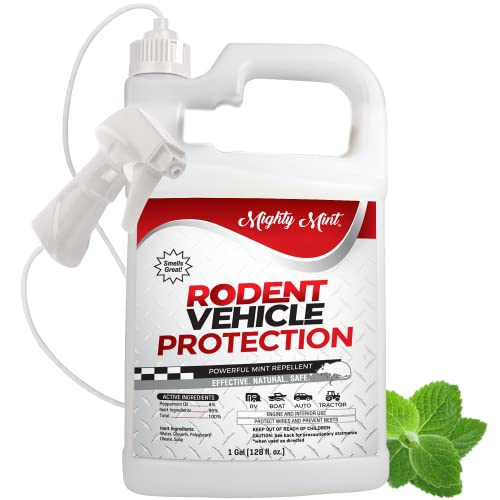
The most effective repellents are taste-based deterrents like capsaicin (hot pepper) tape and scent-based deterrents like peppermint oil spray. The best strategy often involves using both—a tape to physically protect critical wires and a spray for broad coverage. Ultrasonic devices, however, show mixed results and shouldn’t be your primary defense.
Scent-Based Sprays (Peppermint, Cinnamon)
These sprays work by overwhelming a rodent’s sensitive sense of smell with a scent they find irritating. They are easy to apply but require frequent reapplication (at least weekly) as the scent fades quickly, especially in a hot engine bay or after rain.
Taste-Based Tapes (Capsaicin-Infused)
This is one of the most effective solutions available. Products like Honda’s anti-rodent tape are essentially electrical tape infused with extremely spicy capsaicin. When a rodent attempts to chew the wire, it gets a painful, spicy surprise that deters it from trying again. While labor-intensive to apply, it provides long-lasting protection.
Ultrasonic Repellers
These devices emit high-frequency sound waves that are inaudible to humans but supposedly irritating to rodents. Their effectiveness is highly debated. Pest control experts note that rodents can often get used to the sound, rendering the device useless over time. They are best used as a supplemental tool, not a primary one.
Here is a comparison of the most common options:
| Feature/Aspect | DIY Scent Repellents (Peppermint Oil, Soap) | Professional Sprays | Capsaicin-Infused Tape | Ultrasonic Devices |
|---|---|---|---|---|
| Effectiveness | Moderate; relies on strong scent | High; concentrated formula | Very High; physical pain deterrent | Low to Moderate; effectiveness disputed |
| Durability | Low (reapply every few days) | Moderate (reapply weekly or after rain) | High (lasts for years) | High (continuous operation) |
| Cost | Low (initial cost) | Moderate (ongoing cost) | High (one-time cost) | Moderate to High (one-time cost) |
| Labor to Apply | Low (spray or place items) | Low (spray evenly) | High (requires meticulous wrapping) | Low (plug in or connect to battery) |
| Best For | Quick, temporary protection; budget-conscious users | Easy, broad coverage in the engine bay | High-risk areas; protecting critical wiring harnesses | Supplementing other methods; enclosed garages |
Layer 3: How Can You Secure Your Car’s Environment to Prevent Future Infestations?
The final layer of defense is securing your car’s environment to deny rodents the food, water, and shelter they need to thrive. This long-term strategy focuses on habitat denial, making the area around your vehicle an undesirable place for pests.
For Garage Parking:
- Clean and Declutter: Remove all clutter like cardboard boxes, old newspapers, and woodpiles, which are ideal nesting spots.
- Seal Food Sources: Store all pet food, birdseed, and grass seed in sealed metal containers. Rodents can easily chew through plastic bags and bins.
- Eliminate Entry Points: Inspect your garage foundation and walls for any cracks or holes. Seal gaps larger than 1/4 inch with steel wool (which rodents can’t chew through) and caulk.
- Set Traps: Place snap traps along the walls of the garage as a perimeter defense.
For Outdoor Parking:
- Park in the Open: Whenever possible, park in a well-lit area away from bushes, tall grass, woodpiles, or dumpsters. These are prime rodent habitats.
- Eliminate Hiding Spots: Keep the area around your parking spot mowed and free of debris.
- Remove Food and Water: Don’t leave pet food bowls or bird feeders nearby, and eliminate sources of standing water.
- Consider Light Therapy: Some owners have success with motion-activated lights or leaving a light on under the car, as rodents prefer to operate in darkness.
What Should You Do if Rodents Have Already Damaged Your Car Wires?
If you find chewed car wires, do not attempt to start the engine. This can cause a dangerous electrical short or even an engine fire. The first priorities are safety, documentation, and getting a professional assessment.
🚫 WARNING: FIRE HAZARD
Exposed copper wires can arc when the electrical system is activated, creating sparks. These sparks can easily ignite leaking fluids, shredded nesting material, or other flammable debris in the engine bay, leading to a catastrophic fire.
Follow these steps immediately:
1. Do NOT Start the Engine: This is the most critical rule. Resist the urge to see if the car still works.
2. Document the Damage: Open the hood and take clear, well-lit photos of all visible damage. Get pictures of the chewed wires, nesting material, and any droppings. This evidence is crucial for your insurance claim.
3. Contact Your Insurance Provider: Call your insurance agent and ask if your comprehensive policy covers rodent damage. Most do, but it’s essential to confirm your coverage and deductible.
4. Schedule a Professional Repair: Have your vehicle towed to a qualified and trusted mechanic. A professional inspection is necessary to find all the damaged wires, not just the obvious ones. They will ensure the wiring harness repair is done safely and correctly.
FAQs About how to keep rodents from chewing car wires
Does car insurance cover rodent damage?
In most cases, yes, if you have comprehensive coverage on your auto insurance policy. Comprehensive insurance is designed to cover damage not caused by a collision, which includes “acts of God” and animal-related incidents like fires, floods, and rodent infestations. Always check your specific policy details and deductible amount.
What smell do rodents hate most in cars?
Rodents most dislike strong, pungent smells, with peppermint oil being the most commonly cited and effective. Other potent smells they avoid include cayenne pepper, cinnamon oil, and the chemical scent of products like Irish Spring soap. The key is for the scent to be powerful enough to irritate their sensitive noses.
Will mothballs stop rats from eating car wires?
Mothballs can act as a deterrent, but they are not a recommended long-term solution. The chemical they release, naphthalene, is toxic to pets and humans in enclosed spaces like a garage and can damage plastic and rubber car components over time. Safer, more effective alternatives like peppermint spray or capsaicin tape are preferable.
How often should I reapply rodent repellent spray?
You should reapply repellent spray at least once a week, and more frequently after heavy rain or car washes. The goal is to maintain a consistently strong scent that rodents will not want to approach. For vehicles in high-risk areas, applying every 3-4 days provides the best protection.
Does leaving the car hood open at night stop rodents?
Leaving the hood open can help, as it exposes the engine bay to light and eliminates the dark, sheltered environment rodents seek. However, this is only a partial solution. It does not remove food sources (soy wires) and is impractical for cars parked outdoors. It’s best used in a secure garage in combination with other methods.
Are ultrasonic rodent repellers for cars effective?
The effectiveness of ultrasonic repellers is highly debated and evidence is largely anecdotal. While some users report success, many pest control experts state that rodents can quickly become accustomed to the sound. They should not be relied upon as a primary defense but can be used to supplement a more robust strategy.
How to use Irish Spring soap to deter rodents?
To use Irish Spring soap, simply place shavings or a whole bar in a mesh bag and hang it in the engine compartment. You can also place pieces in various corners of your garage. The strong, perfume-like scent is unpleasant to rodents. Remember to replace the soap every 1-2 months as the scent fades.
Can rodents cause a car fire?
Yes, absolutely. This is the most serious risk associated with rodent infestations. When rodents chew through insulation, it can expose wires, leading to short circuits. These shorts can generate enough heat to ignite nearby flammable materials like leaking fluids, insulation, or the rodent’s own nesting material, causing a catastrophic engine fire.
What is the most effective way to stop rodents permanently?
The most effective permanent solution is habitat denial combined with active deterrents. This means rodent-proofing your garage by sealing all entry points, removing all food sources like pet food, and keeping the area clean and free of clutter. This removes the “safe haven” and forces rodents to look elsewhere.
How to stop squirrels from chewing car wires?
The same methods used for rats and mice are effective against squirrels, with an emphasis on taste-based deterrents. Squirrels are persistent chewers, so capsaicin-infused tape is particularly effective. Also, ensure no overhanging tree branches provide easy access to your vehicle if parked outdoors.
Key Takeaways: How to Protect Car Wires from Rodents
- The Problem is Modern: Modern “soy-based wire insulation” is a primary food attractant for rodents; this isn’t just a random act, it’s a search for food.
- Implement a 3-Layered Defense: The most effective prevention combines three steps: Clean the engine bay to remove scent trails, Repel with deterrents like capsaicin tape or peppermint oil, and Secure the parking environment to deny habitat.
- Taste Repellents are Superior: While scent-based repellents are good, taste-based deterrents like “Honda rodent tape” infused with capsaicin provide a longer-lasting and more physically painful lesson to rodents.
- Safety is Paramount: Chewed wires pose a significant “fire hazard”. If you discover extensive damage, do not start the car. Have it professionally inspected to prevent electrical shorts.
- Environmental Control is Key: No repellent will work forever if your car is parked in a “5-Star Rodent Hotel.” The ultimate solution is to make your garage or parking area clean, secure, and unattractive to pests.
- Check Your Insurance: Your comprehensive auto insurance policy will likely cover repair costs for rodent damage. Document everything with photos before calling your provider.
- Consistency is Crucial: Rodent prevention is not a one-time fix. Regularly inspect your engine bay, reapply sprays weekly, and maintain a clean parking area for long-term success.
Final Thoughts on Protecting Your Vehicle
Protecting your car from rodent damage is an ongoing process of maintenance, not a single action. It requires you to think like a pest and systematically remove every amenity your vehicle and its surroundings offer. By consistently applying the 3-layered defense of cleaning, repelling, and securing the environment, you can effectively safeguard your vehicle from the frustration and expense of chewed wires.
Start today by inspecting your engine bay and cleaning your parking area. This proactive approach is the most reliable way to ensure your car remains a mode of transportation, not a rodent’s next meal.
Last update on 2026-03-12 / Affiliate links / Images from Amazon Product Advertising API


