Wondering if your car will pass inspection with the ABS light on? You’re not alone; many drivers face this uncertainty right before their scheduled test. This single warning light can cause significant stress.
The answer is that in many states, a car can pass a vehicle inspection with an amber ABS light on because the primary braking system is still functional. Inspections often focus on base brake performance, not supplemental safety systems. However, rules vary significantly by state, and a red “BRAKE” light will cause an immediate failure.
Based on an analysis of vehicle safety standards across multiple jurisdictions, this guide will clarify the rules for you. It explains why the regulations differ and what the light truly means for your car’s safety. You’ll discover exactly how to determine your local requirements and diagnose the underlying issue.
Key Facts
- State-Specific Rules: There is no federal law governing ABS lights in vehicle inspections, so whether you pass or fail is determined entirely by your state’s regulations.
- Amber vs. Red Light: An amber “ABS” light signals a fault in the anti-lock system, which may pass. A red “BRAKE” light indicates a critical failure in the primary brake system and will not pass.
- Base Brakes Still Work: When the ABS light is on, the system is disabled, but your car’s conventional hydraulic brakes remain functional, though without the anti-skid safety feature.
- Most Common Cause: In over 70% of cases, the ABS light is triggered by a faulty wheel speed sensor, a repair that is moderately expensive.
- Tampering Leads to Failure: Simply pulling a fuse or resetting the light to trick an inspector is likely to backfire. Inspectors check that all warning lights properly cycle on and off during startup.
Will a Car Pass Inspection with the ABS Light On?
In many jurisdictions, a vehicle can pass a state inspection with the amber ABS light illuminated, but this is not a universal rule. The reason for this is that vehicle safety standards primarily focus on the functionality of the core hydraulic braking system. An illuminated ABS light signifies a fault in the supplemental anti-lock braking system, but as long as the primary brakes can safely stop the car, many states will still issue a passing grade. It’s crucial to distinguish this from the red “BRAKE” warning light, which signals a serious problem with the base system and results in an automatic failure.

The core principle behind vehicle inspection is ensuring the car is fundamentally safe for public roads. Think of your ABS as a helpful safety feature, not an essential component for basic operation, similar to how power steering can fail but you can still manually steer the car. Because the anti-lock function is an enhancement, some regulations do not include it in the mandatory pass/fail criteria.
However, this is where the confusion begins. A growing number of states are adopting stricter standards that fail a vehicle for any illuminated safety warning light on the dashboard. They argue that if a manufacturer installed a safety system, it must be functional. The bottom line is that the outcome of your inspection depends entirely on where you live. So, why isn’t there one simple rule for every state?
What Does the ABS Light Actually Indicate?
The ABS light means your car’s onboard computer has detected a problem within the Anti-lock Braking System and has turned the system off for safety. Your normal brakes will continue to work just fine, but you will not have the crucial anti-skid protection that ABS provides in an emergency braking situation. The system is designed to be fail-safe, meaning it defaults back to conventional braking when a fault is found.
The entire purpose of the Anti-lock Braking System (ABS) is to prevent your wheels from locking up and skidding during a hard stop. By monitoring the speed of each wheel, the ABS module can rapidly pulse the brake pressure on any wheel that’s about to lock. This allows you to maintain steering control while braking heavily, which can be the difference between avoiding an obstacle and crashing.
When the ABS light is on, this protective system is inactive. Here are the key functions you lose:
* Prevents wheel lock-up during panic braking.
* Maintains steering control while you brake hard.
* Can shorten stopping distances on wet or slippery surfaces.
Understanding this is key. The light isn’t just an annoyance; it’s a signal that a significant safety feature is offline. This naturally leads to the next questions: Is it still safe to drive, and what could be causing the problem?
How is the ABS Light Different From the BRAKE Light?
The amber ABS light signals a fault in the supplemental anti-lock system, while the red BRAKE light indicates a critical issue with the main hydraulic braking system that requires immediate attention. Confusing the two can be dangerous. The amber “ABS” light is a caution, but the red “BRAKE” light is a danger signal. An inspector will fail a car for a red BRAKE light 100% of the time.
Here’s a clear breakdown of the differences:
| Feature | Amber “ABS” Light | Red “BRAKE” Light |
|---|---|---|
| Meaning | Anti-Lock Brake System Fault | Base Braking System Fault / Parking Brake On |
| Severity | Caution – Reduced safety in emergencies | Danger – Potential for brake failure |
| Driving Safety | Drive with caution; avoid hard braking | Stop safely as soon as possible; do not drive |
| Inspection Impact | May Pass | Will Fail |
| Common Causes | Faulty wheel sensor, bad ABS module | Low brake fluid, worn brake pads, parking brake engaged |
A red BRAKE light means stop driving as soon as it is safe to do so. An amber ABS light means drive with extra caution and have it inspected by a mechanic soon.
Why Do Inspection Rules for the ABS Light Vary By State?
ABS light inspection rules vary by state primarily because vehicle inspections are regulated at the state level, not federally mandated. This legislative freedom allows for a wide range of standards across the country. Some states prioritize basic mechanical safety, while others have evolved to include the functionality of modern electronic safety systems.
There are three key reasons for this variation:
* Focus on Primary vs. Supplemental Systems: States like Pennsylvania have historically focused on the performance of the base braking system. If the car stops effectively during a brake test, they often do not fail it for a supplemental system light like the ABS.
* “Any Warning Light” Rule: Other states, such as Virginia, have adopted stricter rules. Their vehicle code often states that any illuminated warning light related to the braking, steering, or airbag systems is grounds for failure. The logic is that if the manufacturer deemed the system important enough to have a warning light, it must be working.
* Safety vs. Emissions Testing: In states like California, the primary inspection is a “smog check” focused on emissions. The inspector connects to the On-Board Diagnostics (OBD-II) port to check for engine-related fault codes. While the port can access ABS codes, they are part of a separate system and are generally not considered during an emissions test.
This patchwork of regulations is why you might get conflicting advice from friends or online forums. The rule in Texas is different from the rule in North Carolina. This reality makes it essential to understand your specific state’s requirements before heading to an inspection station.
What Are the Common Causes of an Illuminated ABS Light?
The most common cause of an illuminated ABS light is a faulty or dirty wheel speed sensor. However, several other issues, ranging from simple to complex, can trigger the warning. Understanding these potential causes, ordered from most to least likely, can help you anticipate the potential repair costs and complexity.
Cause 1: How Do Faulty Wheel Speed Sensors Trigger the ABS Light?
A faulty wheel speed sensor is the number one cause for an ABS light. These sensors, located at each wheel hub, constantly measure the rotational speed of each tire and send this data to the ABS control module [the system’s brain]. This information is critical for the system to know if a wheel is about to lock up.
These sensors fail for a few common reasons. They are exposed to harsh conditions and can become contaminated with road grime and brake dust, or the wiring can corrode over time. When a sensor fails, it sends an incorrect or nonexistent signal to the ABS module. The module sees this conflicting data, determines it can’t trust the information, and disables the entire system as a precaution, which turns on the warning light.
- Location: At each wheel hub, near the brake rotor.
- Function: Measures how fast each wheel is spinning.
- Average Cost: The cost to replace a wheel speed sensor is typically between $150 and $300, including parts and labor.
Pro Tip: Before agreeing to a full replacement, ask your mechanic to check if the sensor is simply covered in debris. Sometimes, a quick cleaning is all that’s needed and can save you hundreds of dollars.
Other potential causes include:
* Low Brake Fluid: The ABS module often monitors the brake fluid level. If the level is too low, it may disable the system as a safety measure.
* Blown Fuse: The ABS system has its own fuses. A simple blown fuse can knock out the entire system. This is a very cheap and easy fix to check first.
* Damaged Tone Ring: Each wheel has a notched “tone ring” that the speed sensor reads. If this ring is cracked or has debris stuck in its teeth, it can send a bad signal.
* Failed ABS Control Module: This is the least common and most expensive failure. If the “brain” of the system fails, it requires a costly replacement and reprogramming. A new module can cost from $1,000 to over $2,000.
How Do You Diagnose and Fix an ABS System Fault?
To properly diagnose an ABS fault, you or a mechanic must use a specialized OBD-II scanner capable of reading ABS-specific diagnostic trouble codes (DTCs). A basic, inexpensive code reader used for check engine lights will not work. These specialized codes pinpoint exactly which component of the system has failed, taking the guesswork out of the repair.
Here is the step-by-step process for diagnosing and fixing the issue:
- Get a Professional Scan (Recommended): The most reliable method is to take your vehicle to a trusted mechanic. They have advanced diagnostic tools that can quickly and accurately retrieve the ABS codes and interpret the data. This avoids the risk of misdiagnosis.
- DIY Scan with the Right Tool: If you prefer a hands-on approach, you can purchase an OBD-II scanner that explicitly lists “ABS” or “SRS” (airbag system) functionality. These are more expensive than basic models but are essential for this task.
- Retrieve the Fault Code: Plug the scanner into your car’s OBD-II port, which is usually located under the dashboard on the driver’s side. Follow the scanner’s instructions to read the codes from the ABS module.
- Identify the Specific Fault: The scanner will display a code, such as “C0035,” which corresponds to a specific problem like “Right Front Wheel Speed Sensor Circuit.” A quick search for that code online will confirm the issue.
- Perform the Repair and Clear the Light: Once the faulty part (e.g., the wheel speed sensor) is replaced, use the scanner to erase the stored fault codes from the module’s memory. This will turn off the ABS warning light.
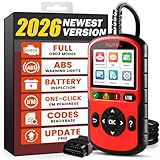
Choosing between a DIY and professional repair depends on your comfort level and the complexity of the issue. While replacing a sensor can be a DIY job, troubleshooting wiring or replacing the ABS module is best left to a professional.
FAQs About will car pass inspection with abs light on
Is it safe to drive with the ABS light on?
It is generally safe to drive with the amber ABS light on, but you should exercise increased caution. Your standard brakes will still work, but the anti-lock safety feature is disabled. This means your wheels can lock up and skid during a sudden stop, increasing stopping distances and reducing steering control in an emergency.
Will the ABS light cause me to fail an emissions test?
In most cases, an ABS light will not cause a vehicle to fail an emissions or smog test. These tests primarily check for pollutants from the engine and exhaust system by communicating with the engine control unit (ECU). The ABS is a separate system, and its fault codes are typically not read during an emissions inspection.
Can I just pull a fuse or reset the light to pass inspection?
This is not recommended and is unlikely to work. While pulling a fuse may turn off the light, inspectors are trained to check if dashboard warning lights illuminate during the startup sequence. If the ABS light doesn’t turn on and then off as it should, they may fail the vehicle for a tampered or inoperative warning system.
How much does it cost to fix an ABS light issue?
The cost to fix an ABS light can range from under $100 to over $2,000. A simple fix like a blown fuse or low brake fluid is very cheap. The most common repair, replacing a wheel speed sensor, typically costs between $150 and $300. The most expensive repair is replacing the ABS control module, which can cost $1,000 to $2,000 or more.
If my ABS and Traction Control light are both on, is that a bigger problem?
Not necessarily, as these two systems often share the same wheel speed sensors. The traction control system also needs to know if a wheel is spinning to function correctly. Therefore, a single faulty wheel speed sensor will almost always disable both ABS and traction control, illuminating both warning lights simultaneously. Fixing the one sensor usually resolves both lights.
Can low tire pressure cause the ABS light to come on?
It is uncommon for low tire pressure alone to cause an ABS light. Low pressure is detected by the Tire Pressure Monitoring System (TPMS), which has its own warning light. However, a significantly different tire diameter on one wheel (due to very low pressure) could theoretically cause a wheel speed sensor to report anomalous readings, but this is a rare scenario.
How do I find my specific state’s rule on ABS lights for inspection?
The most reliable method is to check your state’s official DMV or DOT website. Search for “[Your State] vehicle inspection checklist” or “[Your State] vehicle inspection regulations.” You can also call a local, certified inspection station directly and ask them about their policy for an illuminated amber ABS light for 2026.
Does an older car without ABS have a better chance of passing?
Yes, because the rules only apply if the equipment is present on the vehicle. If your car was manufactured without an ABS system, there is no ABS light to come on and nothing for the inspector to check. An inspector cannot fail a vehicle for lacking a safety feature it was never equipped with from the factory.
Can I fix the ABS light myself?
Simple fixes like topping off brake fluid or replacing a fuse are easy DIY tasks. Replacing a wheel speed sensor can be a DIY job for someone with moderate mechanical experience and the right tools. However, diagnosing the correct problem requires a specific ABS code reader, and replacing an ABS module is a complex job best left to a professional mechanic.
Will a cracked ABS tone ring cause the light to come on?
Yes, a cracked or debris-covered tone ring is a very common cause. The tone ring is a notched ring on the axle or CV joint that the wheel speed sensor reads to determine speed. If it’s cracked or has debris in the teeth, it will send an erratic signal, triggering an ABS fault code and illuminating the light.
Key Takeaways: Passing Inspection With an ABS Light On
Navigating a vehicle inspection with an ABS light on can be confusing, but the path forward becomes clear when you focus on a few central points. Here is what you need to remember.
- Passing is State-Dependent: There is no universal rule; whether you pass or fail with an ABS light on depends entirely on your state’s specific vehicle inspection regulations for 2026.
- Amber vs. Red is Critical: An amber “ABS” light may pass inspection, but a red “BRAKE” light indicates a severe hydraulic system fault and will cause an immediate failure.
- Safety is Compromised: Even if you can pass inspection, the ABS light means a critical safety feature is disabled. Your car will not have anti-skid protection in an emergency.
- Wheel Speed Sensors are the #1 Cause: The most common reason for an ABS light is a faulty wheel speed sensor, which is a moderately priced repair ($150-$300 on average).
- Diagnosis Requires a Specific Tool: Standard, cheap OBD-II code readers cannot read ABS fault codes. You or your mechanic need a scanner with ABS/SRS capability to diagnose the problem correctly.
- Check Official Sources: The only way to know your local rule for certain is to consult your state’s official DMV website or call a certified inspection station directly.
Final Thoughts on Your ABS Light and Vehicle Inspection
Ultimately, while your car may pass inspection with the ABS light on in some states, the light itself is a clear signal that a safety system is not working. The anti-lock braking system was designed to help you maintain control in the worst-case scenario, and driving without it means taking an unnecessary risk.
Rather than asking “Can I pass the test?” a better question is “How do I make my vehicle as safe as possible?” Prioritizing the repair is always the wisest choice for your safety and the safety of others on the road. A professional diagnosis will give you a clear path to restoring this critical feature, providing peace of mind that goes far beyond a passing inspection sticker.
Last update on 2026-03-21 / Affiliate links / Images from Amazon Product Advertising API