
Is that faint smell of gas in your car a minor annoyance or a major danger? This question can create instant anxiety for any driver.
A gasoline odor in your vehicle is a serious symptom. It often indicates a failure in the car’s closed fuel system. This smell is your car’s way of warning you about a potential problem that needs attention.
A strong or persistent gasoline smell in your car is an immediate safety hazard due to a high fire risk and requires you to stop driving immediately. This guide provides the ultimate checklist for finding leaks and understanding EVAP system fixes, empowering you to diagnose the issue safely.
Key Facts
- High Flammability Risk: The lower explosive limit for gasoline vapor is just 1.4% concentration in the air, making any enclosed buildup extremely dangerous according to OSHA safety standards.
- Most Common Culprit: A loose or faulty gas cap is the single most frequent cause for EVAP-related Check Engine Lights, as confirmed by automotive diagnostic data.
- Modern System Dangers: Modern GDI (Gasoline Direct Injection) systems operate at pressures up to 3,000 psi, making any fuel leak significantly more volatile than in older vehicles.
- Component Aging: Flexible rubber fuel lines have an average lifespan of 10-15 years before material degradation makes them a primary leak risk, especially in older cars.
- Diagnostic Costs: The average professional cost just to diagnose a complex EVAP system leak ranges from $150 to $300, before any parts or repair labor.
Why Does My Car Smell Like Gas? Safety Triage And Comprehensive Diagnosis
A strong or persistent gasoline odor in your car is considered an immediate safety hazard due to the high risk of fire or explosion and requires the engine to be turned off immediately. This is not a symptom to ignore or postpone. The presence of fuel vapors, especially raw gas smell, means flammable hydrocarbons are escaping the closed fuel system. Your first priority is not diagnosis, but ensuring your safety and the safety of those around you.

Before you try to find the source of the gas smell, you must follow this critical safety protocol. Based on professional standards from organizations like OSHA and ASE, this is the non-negotiable first response.
Critical 3-Point Safety Triage Checklist:
- Stop The Engine Immediately: Pull over to a safe, open-air location as soon as possible. Turn off the ignition to eliminate a primary ignition source and reduce heat.
- Ventilate The Area: Open all car doors and windows to allow any accumulated fuel vapor to dissipate. Do not remain inside the vehicle.
- Eliminate All Ignition Sources: Do not smoke, use lighters, or create any sparks near the vehicle. This includes avoiding the use of electronic devices until the area is clear. A visible liquid fuel leak is an extreme fire hazard and mandates professional towing, not driving.
What Are The Five Most Common Causes Of A Gas Smell In A Vehicle?
Once you have secured the vehicle and ensured your immediate safety, you can begin to consider the potential causes. The source of a gasoline smell in your car can range from a simple, free fix to a complex and dangerous system failure. Based on professional diagnostic experience, here are the five most common culprits, prioritized by potential danger.
- Physical Fuel System Leaks: This is the most dangerous cause. Leaks from components like a fuel line, fuel injector O-rings, or the fuel tank itself introduce liquid gasoline that can ignite on hot engine or exhaust parts.
- Evaporative Emissions (EVAP) System Failures: The EVAP system is designed to contain fuel vapors. A failure in the charcoal canister, a stuck purge valve, or cracked vapor lines can release a persistent fuel odor without a visible liquid leak.
- Loose or Damaged Gas Cap: The simplest and most common issue. A gas cap that isn’t tightened properly or has a failed seal breaks the integrity of the closed fuel system, allowing vapors to escape and often triggering the check engine light.
- Fuel Pump or Sending Unit Leaks: The seal or O-ring on the fuel pump assembly, located on top of the fuel tank, can degrade. This often causes a strong gas smell from the rear of the car or under the back seat.
- Exhaust System or Engine Misfire Issues: An engine running too “rich” due to a bad sensor or a misfiring spark plug can dump unburnt fuel into the exhaust. This creates a heavy, fuel-like odor from the tailpipe that can enter the cabin.
1. Why Are Fuel System Leaks The Most Dangerous Cause Of A Gasoline Odor?
Liquid fuel system leaks are the most dangerous source of a gasoline odor because they introduce highly flammable fuel directly onto hot engine or exhaust components, posing an extreme fire risk. Unlike contained vapor leaks, a physical drip of raw gasoline creates the perfect conditions for a vehicle fire. The fuel system, which includes the fuel line, fuel rail, and fuel injector O-rings, is under significant pressure to deliver gasoline to the engine. Any breach in this high-pressure system is a critical safety failure.
What most guides miss is the heightened danger in modern vehicles equipped with Gasoline Direct Injection (GDI). These systems operate at incredibly high pressures, sometimes exceeding 3,000 psi. A leak in a GDI system can atomize fuel into a fine, highly explosive mist.
Common leak points include:
* Cracked Rubber Fuel Hoses: Rubber lines degrade over time due to heat and exposure, leading to cracks.
* Failed Fuel Injector O-Rings: These small rubber seals are exposed to constant engine heat cycles and can become hard and brittle, allowing fuel to seep out around the injector base.
* Corroded Metal Fuel Lines: In regions with road salt, the metal lines running the length of the vehicle can rust and develop pinhole leaks.
* Leaking Fuel Rail: The fuel rail distributes fuel to the injectors. While less common, the seals or the rail itself can fail.
What Role Does The Fuel Pump Assembly Play In Rear-End Leaks?
A common cause of a gas smell near the rear of the vehicle is a failed O-ring seal on the fuel pump assembly or sending unit, located on top of the fuel tank. The fuel pump assembly is a critical component housed inside your gas tank, responsible for sending fuel to the engine. It is sealed to the top of the tank with a large O-ring or gasket.
Over time, this sealing flange can corrode, or the rubber O-ring can dry out and crack. This compromises the seal, allowing fuel vapor and sometimes liquid fuel to escape onto the top of the tank. This is why you might notice a strong automotive gas leak odor concentrated in the trunk or even inside the cabin under the rear seat, where an access panel for the fuel pump is often located.
2. How Do EVAP System Failures Lead To Persistent Gasoline Vapor Odors?
The EVAP system is a closed system designed to prevent fuel vapors from escaping the fuel tank into the atmosphere; a failure in any component compromises this system and releases vapor, causing a gasoline smell. Think of the EVAP System as the lungs of your fuel tank. Its job is to capture flammable hydrocarbons, store them temporarily in a Charcoal Canister, and then periodically feed them into the engine to be burned.
When a component fails, this closed loop is broken. A cracked charcoal canister, a leaky vapor line, or a stuck valve allows these contained vapors to vent directly into the air around your car. This often results in a Check Engine Light with P044X codes.
The key components and their failure modes are:
* Charcoal Canister: This canister is filled with activated charcoal to absorb fuel vapors. If it becomes cracked or saturated with liquid fuel, it can no longer do its job and becomes a source of the odor.
* Purge Valve Solenoid: This valve, located in the engine bay, opens to allow the stored vapors to be drawn into the engine. If it gets stuck open, it can create a vacuum leak and a constant fuel smell.
* Vent Valve Solenoid: This valve, typically near the canister, opens to allow fresh air into the system during testing cycles. If it gets stuck closed, it can prevent proper vapor flow.
Demonstrating technical expertise, it’s important to distinguish the two. The Purge Valve sucks vapor out of the canister into the engine, while the Vent Valve lets fresh air in to the canister. A failure in either can lead to a fuel odor.
Can Overfilling The Gas Tank Damage The Charcoal Canister?
Yes, consistently overfilling your gas tank can force liquid fuel into the charcoal canister, which is designed only for vapor, permanently damaging it and causing a persistent fuel odor. This is one of the most common driver-induced failures of the EVAP system. When you “top off” your tank after the pump clicks off, you can overwhelm the fuel filler neck’s design and push raw gasoline into the vapor lines connected to the charcoal canister.
Using a simple analogy, the activated charcoal acts like a sponge for vapor. When soaked with liquid, it becomes a saturated, useless brick. The charcoal can’t release the liquid fuel properly, rendering the vapor filtration system ineffective and creating a constant source of raw gas smell, especially after filling up.
3. What Is The Simplest Fix For A Gas Smell (And Why Does It Often Trigger The CEL)?
A loose or faulty gas cap is the simplest fix for a gas smell and is the most common reason for EVAP-related Check Engine Lights, as it breaks the sealed integrity of the fuel system. Before diving into complex diagnostics, always check the Gas Cap. This should be the mandatory “Step 1” in your troubleshooting process.
Your vehicle’s computer regularly performs a pressure test on the fuel system to check for leaks. A loose or failing gas cap creates a large vacuum leak, which the system detects as a “Gross Leak.” This immediately triggers the Check Engine Light, often with codes like P0455 or P0442.
To properly check it:
1. Remove and Inspect: Unscrew the cap and look at the rubber O-ring or seal. It should be pliable and free of cracks.
2. Clean the Mating Surface: Wipe down the rim of the fuel filler neck where the cap seals.
3. Tighten Correctly: Reinstall the cap and turn it until you hear it click at least once. This ensures it’s properly sealed.
Sometimes the issue isn’t the cap but the filler neck it connects to. Here’s how to tell the difference:
| Symptom/Location | Loose Cap/Faulty Seal | Cracked Filler Neck Hose |
|---|---|---|
| Odor Intensity | Moderate to Strong | Moderate (localized near tank) |
| CEL Status | P044X codes likely | Less likely unless very large crack |
| Visual Check | Cap doesn’t click or seal visibly damaged | Visible deterioration/cracks on rubber hose at filler neck |
| Repair Cost | $20 – $50 (Cap only) | $50 – $200 (Hose/Clamps) |
4. How Can Engine Misfires Or Exhaust Leaks Mimic A Raw Gasoline Smell?
A gasoline-like odor from the exhaust often results from a ‘rich running’ condition, caused by a faulty oxygen sensor or an engine misfire, which allows unburnt fuel (hydrocarbons) to pass through the exhaust system. It’s easy to misdiagnose this smell as a fuel leak, but its origin is completely different. Your engine constantly adjusts the air/fuel ratio for optimal combustion. If a component like an Oxygen Sensor fails, the engine may inject too much fuel, creating a rich mixture.
This unburnt fuel travels into the hot exhaust, where the catalytic converter tries—and fails—to burn it off. This process creates a heavy, acrid fuel smell and can quickly destroy your expensive catalytic converter. A critical secondary danger is the risk of Carbon Monoxide (CO) poisoning if the exhaust has a leak near the passenger cabin.
To help you distinguish between these very different problems, here is a comparison framework—a critical factor competitors ignore.
| Characteristic | Raw Fuel Leak Odor | Rich Exhaust Fume Odor |
|---|---|---|
| Smell Profile | Pungent, sweet, sharp, immediate | Heavy, acrid, sometimes slightly sulfurous |
| Visible Fuel | Often visible drips/stains | Rarely visible liquid fuel |
| Engine Performance | Usually runs fine (unless major leak) | Often accompanied by rough idle, poor mileage, low power, black soot |
| Danger Level | Extreme fire/explosion risk | Carbon Monoxide (CO) poisoning risk |
5. What Should Be Included In A 5-Step DIY Gas Smell Diagnostic Protocol?
A structured DIY diagnostic protocol starts with: 1) Immediate Safety Triage, 2) Gas Cap Inspection, 3) Visual Inspection of Lines and Injectors, 4) OBD-II Code Scanning for EVAP codes, and 5) Targeted Leak Detection. Following a logical sequence helps you safely and efficiently pinpoint the source of the fuel odor. This proprietary framework synthesizes professional diagnostic methodology into an actionable plan. Always wear safety glasses and have a fire extinguisher nearby when inspecting fuel system components.
- Step 1: Immediate Safety Triage (Non-Negotiable)
- If you see liquid fuel dripping or the smell is overwhelming, stop immediately. Do not proceed. The vehicle is unsafe to operate and requires professional towing.
- Step 2: Gas Cap Inspection (The Easiest Check)
- Inspect the cap’s O-ring for cracks and ensure it clicks when tightened. A faulty cap is the most common cause of EVAP-related codes.
- Step 3: Visual Inspection (Look for the Obvious)
- Engine Bay (Cold Engine): With a flashlight, look for wet spots or stains around the fuel rail, fuel injector bases, and any rubber fuel lines.
- Under the Vehicle: Look for drips or wetness along the path of the fuel lines from the tank to the engine, and around the fuel tank itself.
- Step 4: OBD-II Code Scan (Gather Digital Clues)
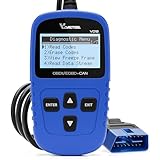
- Use an OBD-II scanner to check for Diagnostic Trouble Codes (DTCs). This is the best way to identify issues within the complex EVAP system.
- Step 5: Targeted Leak Detection (Confirm Your Suspicion)
- If you suspect a specific area but see no obvious leak, a UV dye kit can be added to the fuel tank. After a short drive, a UV light will illuminate the exact source of a small leak.
How Can An OBD-II Scanner Pinpoint The Source Of Vapor Leaks?
An OBD-II scanner reads the diagnostic trouble codes stored by your car’s computer, providing the first digital clue that confirms an EVAP system failure and often indicates the size of the leak. While you may not be able to see a vapor leak, your car’s OBD-II System can detect it. When the system runs its self-test and finds the pressure doesn’t hold, it logs a specific code and illuminates the Check Engine Light.
The key codes to look for are in the P044X range. For example:
* P0455 (Gross Leak Detected): This often points directly to a missing or very loose gas cap.
* P0442 (Small Leak Detected): This is more complex and could be a cracked hose, a failing seal, or a faulty purge valve.
By reading these codes, you can narrow your search from the entire fuel system to the specific components of the EVAP system, saving significant diagnostic time. Having an affordable scanner is a key step in professional diagnosis before spending hundreds on smoke testing.
6. When Should You Stop DIY Diagnosis And Call A Certified Professional Mechanic?
You must immediately contact a certified mechanic if liquid fuel is visibly dripping, if the smell is overwhelming and constant, or if persistent EVAP codes (P044X) require a professional smoke test to locate the vapor leak. While some issues are simple, working on a vehicle’s fuel system carries significant risk. Knowing your limits is crucial for your safety.
Call for professional help from an ASE-certified technician in these situations:
- Visible Liquid Fuel: Any sign of dripping gasoline is an emergency. Do not attempt a DIY repair. The vehicle should be towed.
- High-Pressure Fuel Rail Leaks: Leaks in the engine bay, especially on modern GDI systems, are extremely dangerous and require specialized tools and procedures.
- Smell Persists After Basic Checks: If you’ve checked the gas cap and see no obvious leaks but the smell continues, it’s time for advanced diagnostics.
- Complex EVAP Codes: A persistent “small leak” code (P0442) often requires a smoke machine to find, a tool most DIYers do not own.
How Does A Smoke Test Accurately Locate Hairline Vapor Leaks?
A smoke machine is a professional diagnostic technique that injects a harmless, low-pressure, high-density smoke into the sealed EVAP system, making even the tiniest hairline cracks in vapor lines visible. This is the definitive method for finding elusive vapor leaks.
A mechanic disconnects a service port on the EVAP system and attaches the smoke machine’s hose. The machine gently pressurizes the entire system—from the gas cap to the purge valve—with visible smoke. The technician then uses a bright light to inspect all the vapor lines, the charcoal canister, and seals. The point where smoke is seen escaping is the exact location of the leak, eliminating guesswork and allowing for a precise repair.
7. How Do You Safely Remove Residual Gasoline Smell From A Car’s Interior?
To remove residual gasoline smell from a car’s interior after the leak is fixed, first ensure proper ventilation, then use a specialized enzyme-based cleaner on all affected carpets or upholstery, followed by replacing the cabin air filter if fumes entered the HVAC system. This addresses a common frustration: the leak is fixed, but the smell remains. Gasoline is an oil-based substance that readily absorbs into porous materials.
Follow these steps for effective odor removal:
1. Clean the Spill: If there was a liquid spill, blot up as much as possible. Use a mixture of baking soda and cat litter to absorb any remaining liquid before vacuuming.
2. Neutralize the Odor: Regular soaps won’t work. You need an enzyme cleaner specifically designed to break down petroleum hydrocarbons. These products chemically neutralize the odor source rather than just masking it.
3. Ventilate Thoroughly: Leave the car doors and windows open in a safe, well-ventilated area for at least 24 hours to allow any trapped fumes to off-gas.
4. Replace the Cabin Air Filter: This is a critical step many people miss. The filter can trap and hold the odor, reintroducing it every time you turn on your heat or A/C.
Why Is Changing The Cabin Air Filter Critical After An Engine Bay Leak?
The cabin air filter is critical because the HVAC system’s fresh air intake is often located in or near the engine bay, pulling any leaking fuel fumes directly into the filter material where they become trapped. The porous material of the Cabin Air Filter is excellent at catching dust and pollen, but it also absorbs and holds onto powerful hydrocarbon scents from a gasoline odor.
Even after the leak in the engine bay is fixed, the filter itself becomes a secondary source of the smell. Every time you run your fan, air passes over the contaminated filter, pushing the lingering gas smell directly into the passenger cabin. Replacing it is an inexpensive and essential final step to ensure the odor is completely gone.
FAQs About why my car smell like gas
Is It Safe To Drive My Car If The Gas Smell Is Only Faint?
A persistent gasoline odor, even faint, should be treated as a potentially dangerous leak until professionally diagnosed and verified as benign. A faint smell often indicates a small vapor leak (such as from a faulty gas cap or EVAP line) which, while less immediately explosive than liquid fuel, still needs attention to prevent fire risk and subsequent emissions failure.
Why Does My Car Smell Like Gas Only After Filling The Tank?
The smell after refueling typically points to a failure in the low-pressure sealing system near the fuel tank, such as a damaged filler neck seal, or liquid fuel saturating the EVAP charcoal canister due to overfilling. This temporary pressure change and liquid intrusion releases an immediate, localized plume of fuel vapor that should dissipate once the fuel level drops.
How Much Should I Expect To Pay To Fix A Gas Smell?
The cost varies significantly, ranging from $20 for a DIY gas cap replacement to over $1,500 for a complex EVAP system repair involving component replacement and smoke testing. Professional diagnosis typically costs $150–$300 alone, followed by repair costs depending on whether it requires simple hose replacement or a full fuel pump assembly replacement.
Can A Bad Spark Plug Or Ignition System Cause A Gas Smell?
Yes, if a spark plug or ignition coil fails, that cylinder will misfire, causing unburnt gasoline to be dumped directly into the exhaust system, creating a raw, heavy gasoline odor. While this is not a leak, it requires immediate repair as the unburnt fuel can severely damage the expensive catalytic converter, leading to additional repair costs.
What Is The Relationship Between The Gas Smell And The Check Engine Light (CEL)?
The CEL is often triggered by the EVAP system when it fails a vacuum integrity test due to a vapor leak, most commonly caused by a loose gas cap (P0455 code) or a failed purge/vent valve (P044X codes). The CEL usually signifies a vapor containment issue, but it does not rule out the presence of a liquid fuel leak, which may not trigger an electronic code.
Key Takeaways: Gasoline Odor Diagnostic and Safety Summary
- Prioritize Immediate Safety: Treat any persistent or strong raw fuel odor as an extreme fire risk; immediately turn off the engine, ensure ventilation, and eliminate all ignition sources. Do not drive a vehicle with a visible liquid leak.
- Start with the Easiest Fix: The single most common cause of gas smell and related CEL codes (P0455) is a loose or damaged gas cap, making this the mandatory first step of diagnosis.
- Distinguish Leak Types: Raw, pungent liquid fuel smells often indicate dangerous, pressurized fuel line or injector O-ring leaks, while an acrid, heavy odor with poor engine performance suggests an exhaust/rich-running condition.
- EVAP Systems Require Expertise: Failures in the complex Evaporative Emissions (EVAP) system—involving the charcoal canister, purge valve, or vapor lines—are often the source of elusive vapor odors and require an OBD-II scanner for initial confirmation.
- Know When to Call a Pro: Visible liquid fuel drips, high-pressure GDI system leaks, and persistent, unresolved EVAP trouble codes all require immediate intervention by an ASE-certified mechanic utilizing specialized tools like a smoke machine.
- Post-Repair Cleanup is Key: After fixing the leak, the persistent odor is often trapped in the cabin air filter or upholstery, requiring replacement of the filter and the use of specialized enzyme cleaners for full resolution.
Final Thoughts on Diagnosing Fuel Odors
It is understandable that the presence of a fuel odor, especially inside the cabin, generates significant anxiety. As the ultimate guide to finding leaks and EVAP fixes, we have confirmed that this symptom must be treated with immediate priority due to the severe safety hazards associated with fuel vapor accumulation. Whether your issue is the simple, yet often overlooked, loose gas cap, or a complex vapor leak requiring professional smoke testing, addressing the compromised fuel system integrity is non-negotiable. Use the provided 5-step diagnostic protocol to confidently triage the severity and narrow down the possibilities. Remember the critical distinction: vapor issues are complex, but liquid leaks are critically dangerous. Prioritizing this repair ensures not only your peace of mind but the safety and longevity of your vehicle’s complex fuel and emissions control systems. Do not delay professional help when liquid fuel is visible or diagnostics point toward high-pressure system failure. Your safety is paramount.
Last update on 2026-03-15 / Affiliate links / Images from Amazon Product Advertising API



![Fastest Selling Used Car Under $3000 Data Backed Picks [year]](https://i0.wp.com/carxplorer.com/wp-content/uploads/2026/03/Fastest-Selling-Used-Car-Under-3000-Data-Backed-Picks-year-2.jpg?resize=60%2C60&ssl=1 "Fastest Selling Used Car Under $3000 Data Backed Picks [year] 6")


