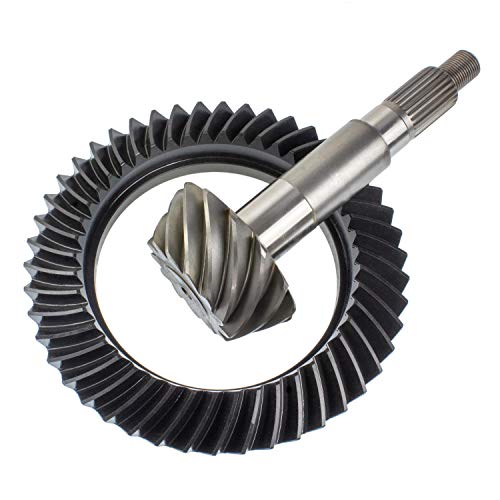
Wondering why your car’s gear is not shifting? You’re not alone, and the sudden feeling of a transmission failing can be incredibly stressful. This issue points to a malfunction preventing your vehicle from properly transferring power.
A car’s gear not shifting properly typically indicates a malfunction within the transmission system, engine, or associated electronic controls. Common causes range from low or dirty transmission fluid and worn clutch components to issues with the torque converter, shift linkage, or sophisticated electrical sensors and modules. Understanding these underlying problems is crucial for accurate diagnosis and effective repair.
Based on automotive engineering principles and system interdependence, this guide breaks down every potential cause. You will discover exactly how to systematically identify the source of the problem. This will help you understand whether it’s a simple fix or something that requires a professional mechanic.
Key Facts
- Fluid is the #1 Culprit: Industry analysis reveals that the most common reason for automatic transmission shifting problems is low, burnt, or dirty transmission fluid, which disrupts hydraulic pressure.
- Manual vs. Automatic: In manual cars, a faulty clutch system is a primary cause of shifting issues, while automatic cars often suffer from problems with the torque converter or electronic solenoids.
- The Role of Electronics: In vehicles made in the last two decades, a faulty sensor or a malfunctioning Transmission Control Module (TCM) is a frequent cause of shifting failures, often signaled by a check engine light.
- Prevention is Key: Following manufacturer-recommended service intervals for transmission fluid changes can prevent the majority of costly internal transmission failures, demonstrating the value of proactive maintenance.
- Safety First: Attempting to drive a car with a severe shifting problem is dangerous, as it can lead to unpredictable power loss or vehicle stalling, increasing the risk of an accident.
Why Is Your Car’s Gear Not Shifting Properly?
A car’s gear not shifting properly is a common and complex issue that can stem from various problems within the transmission system, engine, or associated electronics. This problem indicates a malfunction preventing the smooth transfer of power, impacting vehicle performance and safety. Effective diagnosis requires systematically checking fluid levels, mechanical components, and electronic controls, as the root cause could be as simple as low fluid or as complex as an internal computer failure.

Understanding why your car has difficulty changing gears involves looking at a few key areas. From an automotive engineering perspective, a transmission is a highly intricate system where hydraulic, mechanical, and electronic components must work in perfect harmony. A failure in one area often creates a domino effect, leading to the symptoms you’re experiencing.
The potential issues can be broadly categorized, and this guide will walk you through each one systematically. We will explore:
* Fluid-Related Problems: The role of low, dirty, or burnt transmission fluid.
* Mechanical Failures: Issues with clutches, shift linkages, and internal gears.
* Electronic Malfunctions: Problems with sensors, solenoids, and control modules.
By breaking down the problem this way, you can move from the most common and easiest-to-check causes to the more complex internal issues, giving you a clear path for troubleshooting.
How Does Transmission Fluid Affect Your Car’s Gear Shifting?
Transmission fluid plays a critical role in a car’s ability to shift gears by lubricating components, dissipating heat, and providing the hydraulic pressure necessary for gear engagement. When transmission fluid is low, dirty, or degraded, it can lead to various shifting problems, including delayed shifts, hard shifts, slipping gears, or a complete inability to change gears. Regular inspection of its level and condition is a primary troubleshooting step.
This fluid is the lifeblood of your automatic transmission. Think of it as a multi-purpose tool that has to perform several jobs at once. It lubricates the dozens of moving parts to prevent grinding and wear, it cools the unit to stop it from overheating under pressure, and most importantly, it creates the hydraulic pressure that actually makes the gear changes happen. When the fluid level drops or it becomes contaminated with debris, it can no longer perform these jobs effectively, and the transmission’s performance suffers immediately.
What Are The Symptoms of Low or Dirty Transmission Fluid?
Symptoms of low or dirty transmission fluid include delayed or absent gear engagement, hard or harsh shifts, gears slipping out of place, unusual jerking or lunging sensations, and sometimes a burning smell. Based on typical diagnostic patterns observed by mechanics, these signs indicate the fluid can no longer provide the necessary hydraulic pressure or lubrication for smooth operation.
You may notice one or more of the following signs:
- Delayed Shifting: A noticeable pause or hesitation when the car shifts from Park to Drive or between gears while driving.
- Hard or Abrupt Shifts: Gears “slamming” or “jerking” into place instead of shifting smoothly.
- Slipping Gears: The engine revs up, but the car doesn’t accelerate accordingly, feeling like it has momentarily slipped into neutral.
- Overheating Transmission: A dashboard warning light may illuminate, or you might notice a distinct burning smell, which indicates the fluid is no longer cooling the unit effectively.
- Unusual Noises: Whining, clunking, or buzzing sounds coming from the transmission area.
How To Accurately Check Your Car’s Transmission Fluid Level and Condition?
To check your car’s transmission fluid, first warm up the engine, then park on level ground and engage the parking brake. Locate the transmission dipstick (usually red or yellow), remove it, wipe it clean, reinsert it fully, and pull it out again. Observe the fluid level between the ‘full’ marks, noting its color and smell. Always consult your owner’s manual, as some modern vehicles have sealed transmissions with no dipstick.
Follow these steps for a safe and accurate check:
- Prepare the Vehicle: Park on a flat, level surface. For most automatic transmissions, the engine should be running and warmed to its normal operating temperature. Engage the parking brake for safety.
- Cycle Through Gears (Optional but Recommended): With your foot firmly on the brake, slowly shift through all the gears (Park, Reverse, Neutral, Drive) and then return to Park or Neutral as specified in your owner’s manual. This circulates the fluid.
- Locate the Dipstick: The transmission fluid dipstick is typically located in the engine bay and often has a brightly colored handle (red or yellow). It is separate from the engine oil dipstick.
- Perform the First Pull: Pull the dipstick out and wipe it completely clean with a lint-free cloth.
- Perform the Second Pull: Fully reinsert the dipstick, wait a second, and then pull it out again.
- Read the Level and Condition: Check the fluid level against the “Full” and “Add” or “Hot” and “Cold” markings. At the same time, inspect the fluid’s appearance and smell.
| Condition | Appearance | Smell | Implication for Shifting |
|---|---|---|---|
| Good (New) | Bright Red / Pink, Transparent | Oily, slightly sweet | Normal operation. |
| Low | Red/Pink, but level is below “Add” | Normal | Insufficient hydraulic pressure, causing slips or hard shifts. |
| Dirty/Dark | Brown, Opaque | Normal or slightly off | Contaminants are hindering fluid flow and lubrication. |
| Burnt | Dark Brown / Black | Acrid, burnt toast | Severe overheating; fluid is degraded and can’t protect parts. |
What Clutch Problems Prevent Gear Shifting in Manual Cars?
In manual cars, gear shifting problems are frequently caused by issues within the clutch system, which ensures smooth power transfer from the engine to the transmission. Key issues include a worn or burnt clutch disc, a failing clutch master or slave cylinder leading to hydraulic fluid loss, air in the hydraulic lines preventing full disengagement, a stretched clutch cable, or problems with the pressure plate and throw-out bearing. Each of these can make it difficult or impossible to engage or disengage gears.
The clutch system is what allows you to disconnect the engine’s power from the transmission, change gears, and then smoothly reapply power. If any part of this system fails, you lose the ability to control that power transfer. This can manifest as grinding, an inability to get into gear, or a pedal that feels wrong. The problem could be with the clutch disc itself, which wears down over time, or with the hydraulic system that operates it.
What Are The Symptoms of a Faulty Clutch System?
Common symptoms of a faulty clutch system in manual cars include a clutch pedal that feels spongy, sticky, or unusually hard to press, difficulty getting into or out of gear, grinding noises when attempting to shift, and the engine revving loudly without a corresponding increase in vehicle speed (clutch slipping). In our experience, a noticeable burning smell, similar to burnt carpet, is also a strong indicator of an overheating or worn clutch disc.
Look out for these specific signs:
- Spongy or Soft Clutch Pedal: The pedal feels soft and goes to the floor with little resistance, often indicating air in the hydraulic lines or a failing master/slave cylinder.
- Hard Clutch Pedal: The pedal is very stiff and difficult to press, which could point to a problem with the pressure plate or linkage.
- Grinding Gears: A harsh, metallic grinding sound when you try to shift means the clutch is not fully disengaging, causing the gears to clash.
- Clutch Slipping: You press the accelerator, the engine RPMs rise, but the car doesn’t speed up accordingly. This means the clutch disc is worn and can’t grip the flywheel.
- Difficulty Shifting: It becomes physically hard to move the shifter into any gear, especially first or reverse.
How Can A Faulty Torque Converter or Valve Body Stop An Automatic Car From Shifting?
In automatic transmissions, two critical components that can prevent proper gear shifting are the torque converter and the valve body. A faulty torque converter may cause delayed engagement, slipping, or overheating due to ineffective power transfer or lock-up issues. The valve body, responsible for directing hydraulic fluid to shift gears via solenoids, can malfunction if its solenoids fail or internal passages become clogged, leading to incorrect fluid pressure and thus, improper gear engagement.
The torque converter is a fluid coupling that takes the place of a clutch in an automatic transmission. It transfers power from the engine to the transmission. The valve body is the transmission’s brain; it’s a complex maze of channels and valves that directs hydraulic fluid to the right places at the right times to make gears shift. A failure in either of these sophisticated components can bring your car to a standstill.
What Are The Warning Signs of Torque Converter Failure?
Warning signs of torque converter failure often include a noticeable shuddering or vibrating sensation, particularly between 30-50 mph, delayed engagement into gear, and the engine stalling when the vehicle comes to a stop. Other indicators are transmission overheating, slipping sensations, and unusual noises like clicking or whirring coming from the transmission bell housing. These symptoms arise from issues with internal bearings or the lock-up clutch.
Pay attention to these specific feelings and sounds:
- Shuddering or Vibration: A common symptom is a feeling like you’re driving over rumble strips, especially at consistent speeds. This often points to a problem with the torque converter’s lock-up clutch.
- Slipping: The transmission seems to slip in and out of gear, or the engine revs without a corresponding increase in vehicle speed.
- Stalling: The engine stalls when you come to a stop, which can happen if the lock-up clutch fails to disengage.
- Overheating: A failing torque converter can generate excess heat, leading to transmission overheating and a burnt fluid smell.
- Unusual Noises: Whirring, clicking, or grinding sounds from the front of the transmission are cause for immediate concern.
Why Do Valve Body Malfunctions Cause Automatic Transmission Shifting Problems?
Valve body malfunctions cause automatic transmission shifting problems primarily by disrupting the precise hydraulic fluid flow needed for gear engagement. This can happen if internal solenoids, which are electrically controlled valves, fail or become clogged, preventing accurate fluid pressure delivery to the clutch packs. Additionally, blockages in the valve body’s intricate network of hydraulic passages can lead to delayed, harsh, or absent shifts, as the transmission cannot correctly activate or release gears.
Think of the valve body as the transmission’s hydraulic control center. It receives commands from the car’s computer and opens and closes valves (solenoids) to send high-pressure fluid to engage or disengage different gear sets. If a solenoid gets stuck or debris clogs a narrow passage, the fluid can’t go where it needs to. This results in the wrong gear being engaged, a harsh shift due to incorrect pressure, or no shift at all. Diagnostic trouble codes (DTCs) read by a mechanic often point directly to a specific faulty solenoid.
Are Shift Linkage Issues Preventing Your Car From Shifting Gears?
Shift linkage issues can prevent a car from shifting gears by physically disrupting the connection between the gear selector and the transmission. This mechanical problem often stems from a stretched, broken, or disconnected shifter cable, or worn linkage bushings. When the linkage is compromised, the driver’s input is not accurately translated to the transmission, leading to difficulty engaging gears, gears feeling loose, or the vehicle being stuck in a specific gear or neutral.
Before assuming an expensive internal transmission problem, it’s crucial to check this simple mechanical connection. The shift linkage is the physical link (often a cable or a series of rods) between the gear shifter inside your car and the transmission itself. If this link is damaged or disconnected, it doesn’t matter how healthy the transmission is; it won’t receive the command to change gears. In our experience, this is an often-overlooked cause that can mimic more serious transmission failure.
What Are The Symptoms of a Faulty Shift Linkage?
Common symptoms of a faulty shift linkage include a gear shifter that feels unusually loose, sloppy, or disconnected, difficulty moving the shifter into specific gears, or the shifter not lining up with the actual gear selected (e.g., indicating “Drive” but the car is in “Neutral”). From practical experience, the most obvious sign is when the shifter moves freely through all positions with no resistance and no effect on the transmission.
Watch for these tactile clues:
- Loose or Sloppy Shifter: The gear selector feels vague and has excessive play.
- Incorrect Gear Indication: The gear indicator on the dashboard or console doesn’t match the gear the car is actually in.
- Inability to Select a Gear: You can’t move the shifter into Park, Drive, or any other gear.
- Stuck in One Gear: The car is stuck in a single gear (like Park or Neutral) and the shifter won’t move.
- No Resistance in Shifter: The shifter moves back and forth with no effort at all, indicating the cable has likely snapped or become disconnected.
Can Electrical or Sensor Problems Cause My Car’s Transmission Not To Shift?
Yes, electrical or sensor problems are a very common and critical cause of a car’s transmission not shifting, especially in modern vehicles. The Transmission Control Module (TCM) or Powertrain Control Module (PCM) relies on precise data from various sensors (like speed, throttle position, and temperature) to electronically command shift solenoids. If any sensor provides incorrect data, the TCM/PCM malfunctions, or the solenoids fail, the transmission’s hydraulic system cannot engage gears correctly, leading to delayed, harsh, or absent shifts, or even a ‘limp mode’ activation, often indicated by a ‘Check Engine’ light.
Modern transmissions are controlled by a dedicated computer that acts as the system’s brain. This computer uses a network of sensors (the nervous system) to understand what the engine is doing, how fast the car is going, and what you are demanding as a driver. It then uses this data to command solenoids to shift gears at the perfect moment. A single faulty sensor sending bad information can confuse the computer, causing it to make poor shifting decisions or, as a safety measure, refuse to shift at all. This is why a check engine light is a critical clue that must be investigated with an OBD-II scanner.
What Specific Electrical Components Affect Transmission Shifting?
Key electrical components affecting transmission shifting include shift solenoids, which regulate fluid flow; speed sensors, which monitor input and output shaft speeds; the throttle position sensor, indicating engine load; and the Powertrain Control Module (PCM) or Transmission Control Module (TCM), which processes data and commands shifts. A failure in any of these parts or the wiring harness that connects them will disrupt the shifting process.
Here are the main players in your transmission’s electronic control system:
- Shift Solenoids: These are small, electrically-controlled valves inside the transmission’s valve body. When the computer commands a shift, it sends an electrical signal to a solenoid, which opens to allow fluid to flow and engage the next gear. If a solenoid fails, that gear change cannot happen.
- Vehicle Speed Sensors (VSS): These sensors tell the computer how fast the vehicle is moving. This data is critical for determining the correct time to shift up or down.
- Throttle Position Sensor (TPS): This sensor tells the computer how far you are pressing the accelerator pedal. This informs the computer about engine load and driver demand, influencing shift timing and firmness.
- Transmission Control Module (TCM) / Powertrain Control Module (PCM): This is the computer that acts as the brain. It processes all sensor data and makes the final decision on when and how to shift gears. A failure here is like a total system shutdown.
- Wiring Harness: The network of wires connecting all these components. Damage or corrosion on the harness can interrupt signals just as effectively as a failed component.
What Internal Transmission Problems Prevent Proper Gear Engagement?
Internal transmission problems that prevent proper gear engagement are often the most severe causes of shifting issues, typically requiring extensive professional repair. In manual transmissions, worn synchronizers can lead to grinding and difficulty selecting gears. For automatics, worn or burnt clutch packs, issues with planetary gear sets, or damaged bearings and shafts can result in slipping gears, delayed engagement, or complete transmission failure. These internal damages often stem from lack of maintenance, severe stress, or inadequate lubrication.
This category represents the “worst-case scenario” for shifting problems. It involves the physical breakdown of the gears, clutches, and bearings inside the transmission housing. These failures are almost always the result of long-term wear, severe overheating, or operating the vehicle with low or contaminated fluid. A key diagnostic sign of severe internal damage that we see in the shop is the presence of fine metal shavings in the transmission fluid, which looks like metallic glitter and indicates parts are grinding against each other.
For manual transmissions, the most common internal failure is worn-out synchronizers (or “synchros”). These are rings that act like small clutches to match the speed of the gear you are about to select with the speed of the output shaft, ensuring a smooth, grind-free shift. When they wear out, the speeds don’t match, and you get that horrible grinding noise.
For automatic transmissions, the failures are often related to clutch packs. An automatic has multiple clutch packs that engage and disengage to activate different planetary gear sets. If these clutch packs become burnt or worn out, they can’t grip anymore, leading to severe slipping or a complete inability to engage a gear.
How Do You Diagnose Why Your Car Gear Is Not Shifting?
To diagnose why your car gear is not shifting, begin with basic checks: inspect transmission fluid, check the shift linkage, scan for trouble codes, and note any unusual sounds or feelings. If these initial steps don’t pinpoint the issue, seek a professional mechanic for advanced diagnostics, as internal transmission problems or complex electrical faults require specialized tools and expertise.
A systematic troubleshooting approach can save you time and money. Start with the simplest and most common causes first before assuming a major failure.
- Check the Transmission Fluid: This is the first and most important check. Verify the fluid level and condition as described earlier. Low or burnt fluid is a major red flag.
- Inspect the Shift Linkage: Check if the shifter feels loose or disconnected. Safely try to see if the cable or linkage underneath the car is still attached to the transmission lever.
- Scan for Diagnostic Trouble Codes (DTCs): If the “Check Engine” light is on, use an OBD-II scanner (or have an auto parts store do it for free) to read the codes. Codes starting with “P07xx” are specific to the transmission and can point you directly to a faulty sensor or solenoid.
- Listen and Feel: Pay close attention to the symptoms. Does it happen when the car is hot or cold? Is there a grinding noise or a shuddering feeling? Does the clutch pedal in a manual car feel different?
- Seek Professional Help: If the fluid and linkage seem fine and you can’t find a clear cause, it’s time to consult a certified mechanic. They can perform transmission pressure tests and use advanced scanners to diagnose complex electronic or internal issues.
| Symptom | Possible Cause (See Section Above) | Action to Take |
|---|---|---|
| Hard shifts, slipping, burning smell | Low or Dirty Fluid | Check fluid level & condition. |
| Grinding, spongy/hard pedal (Manual) | Clutch Problem | Inspect clutch hydraulic system. |
| Shuddering, stalling at stops (Auto) | Torque Converter Issue | Professional diagnosis required. |
| Loose shifter, won’t go into gear | Shift Linkage Issue | Inspect cable/linkage connections. |
| “Check Engine” light is on | Electrical/Sensor Problem | Scan for OBD-II trouble codes. |
| Loud noises, metal in fluid | Internal Damage | See a transmission specialist immediately. |
What Should You Do When Your Car’s Gear Is Not Shifting?
If your car’s gear is not shifting, immediately pull over safely and turn off the engine to prevent further damage. Check for warning lights on the dashboard. Avoid forcing the gear shifter, as this can worsen mechanical problems. If preliminary checks don’t resolve the issue, it is crucial to contact a professional mechanic or arrange for towing, as driving a car with a non-shifting transmission can be dangerous and lead to more costly repairs.
Your immediate actions should prioritize safety and minimizing potential damage.
- Pull Over Safely: As soon as you notice a serious shifting problem, find a safe place to pull off the road. Turn on your hazard lights.
- Turn Off the Engine: Continuing to run the engine, especially if the transmission is making noise or overheating, can cause catastrophic failure.
- Do Not Force the Shifter: Trying to force a stuck shifter can break the linkage or cause internal damage.
- Perform Basic Checks (If Safe): If you are in a safe location, you can perform a quick check of the transmission fluid level.
- Call for a Tow: The safest option is almost always to have the vehicle towed to a repair shop. Driving with a faulty transmission is risky.
When you seek professional help, be sure to:
* Describe the symptoms in as much detail as possible.
* Mention any sounds, smells, or warning lights you noticed.
* Ask for a full diagnostic report before authorizing major repairs.
* Look for an ASE-certified technician or a shop that specializes in transmission repair.
How Can You Prevent Your Car’s Gear From Not Shifting?
To prevent your car’s gear from not shifting, proactive maintenance and good driving habits are essential. Regularly changing the transmission fluid, checking for leaks, maintaining the cooling system, and addressing warning lights promptly are the most effective strategies for ensuring transmission longevity.
Preventative care is the best way to avoid costly transmission repairs.
- Regular Fluid Changes: Follow your manufacturer’s schedule for transmission fluid and filter changes, using the specified fluid type. This is the single most important maintenance task for your transmission.
- Check for Leaks: Periodically inspect your parking spot for red or brown fluid spots, which indicate a transmission fluid leak.
- Maintain the Cooling System: The engine’s cooling system also helps cool the transmission. Ensure your radiator and coolant are in good condition to prevent overheating.
- Gentle Driving Habits: Avoid harsh acceleration, sudden stops, and frequently towing heavy loads, as these actions put extra stress on the transmission.
- Address Warning Lights Immediately: Never ignore a “Check Engine” or other dashboard warning light. Prompt diagnosis can catch a small problem before it becomes a major one.
- Use the Parking Brake: On hills, engage the parking brake before shifting into Park. This prevents the car’s weight from resting on the transmission’s small parking pawl.
FAQs About why my car gear not shifting
What Is The Most Common Reason For A Car’s Gear Not Shifting?
The most common reason for a car’s gear not shifting properly is low or dirty transmission fluid. This fluid is vital for lubrication, cooling, and providing the hydraulic pressure needed for automatic transmissions to operate. When the fluid is degraded or its level is low, it directly causes symptoms like slipping, hard shifts, or a complete failure to engage gears.
Is It Safe To Drive A Car When The Gear Is Not Shifting?
No, it is generally not safe to drive a car when its gear is not shifting correctly. A malfunctioning transmission can lead to unpredictable vehicle behavior, such as a sudden loss of power or stalling, which increases the risk of an accident. Continuing to drive can also cause severe, irreversible damage to internal components, turning a minor issue into an extremely expensive repair.
Can I Fix A Car’s Gear Shifting Problem Myself?
Some gear shifting problems are DIY-friendly, while others require professional expertise. Topping off low transmission fluid or, for experienced individuals, replacing an external shift linkage cable may be manageable. However, issues involving faulty internal components like a valve body, torque converter, or any problem requiring the transmission to be removed, should be left to a certified mechanic with specialized tools.
Why Is My Automatic Transmission Not Shifting Into Drive Or Reverse?
If your automatic transmission fails to engage Drive or Reverse, the most likely causes are extremely low transmission fluid, a faulty valve body, or a broken shift linkage. When the fluid is too low, there isn’t enough hydraulic pressure to engage the clutch packs for those gears. A broken linkage means the transmission isn’t receiving the physical command from your shifter.
Why Is My Manual Car Grinding When I Try To Shift Gears?
Grinding in a manual car during a shift almost always points to an issue with the clutch or the transmission’s synchronizers. The clutch may not be fully disengaging when you press the pedal, causing the gears to clash. Alternatively, the internal synchronizer rings, which are responsible for matching gear speeds before engagement, may be worn out and failing to do their job.
Does A Check Engine Light Indicate A Transmission Shifting Problem?
Yes, a Check Engine Light is a very common indicator of a transmission-related electrical problem. The car’s main computer monitors all sensors and solenoids in the transmission. If it detects a fault—like a bad speed sensor or a failing shift solenoid—it will store a diagnostic trouble code and illuminate the Check Engine Light to alert you to the malfunction.
What Is “Limp Mode” And Why Does It Affect Gear Shifting?
“Limp mode” is a self-preservation function where your car’s computer detects a serious fault and restricts performance to prevent further damage. When the transmission enters limp mode, it will typically lock itself into a single gear (usually 2nd or 3rd). This allows you to “limp” to a safe location or repair shop at a reduced speed but prevents any normal upshifting or downshifting.
How Much Does It Cost To Fix A Car’s Non-Shifting Gear Problem?
The cost to fix a non-shifting gear varies dramatically, from under $100 to over $5,000. A simple fix like adding fluid or replacing a fuse is inexpensive. A new shift cable might cost a few hundred dollars. However, major repairs like replacing a torque converter or valve body often land in the $1,500-$3,000 range, while a complete transmission rebuild or replacement can easily exceed $5,000.
How Often Should I Change My Transmission Fluid To Prevent Shifting Issues?
Always follow the service interval specified in your vehicle’s owner’s manual. Recommendations vary widely by manufacturer and transmission type. As a general guideline, many vehicles require a transmission fluid change every 30,000 to 60,000 miles. Some modern sealed transmissions claim to have “lifetime” fluid, but many experts recommend changing it around 100,000 miles to ensure longevity.
Can Harsh Driving Habits Cause My Car’s Gear Not To Shift?
Yes, absolutely. Harsh driving habits significantly accelerate wear and tear on transmission components. Frequent hard acceleration, abrupt stops, shifting from Drive to Reverse while still moving, and towing loads beyond your vehicle’s capacity all generate excess heat and stress. This can burn the fluid, wear out clutches and internal gears, and ultimately lead to premature transmission failure and shifting problems.
Key Takeaways: Why My Car Gear Not Shifting Summary
- Diverse Causes for Shifting Problems: Your car’s gear not shifting can stem from a range of issues, from simple (low fluid, linkage) to complex (internal damage, electrical faults), affecting both automatic and manual transmissions differently.
- Transmission Fluid is Critical: Low or dirty transmission fluid is a very common and often easily diagnosable cause of shifting issues, impacting lubrication, cooling, and hydraulic pressure, leading to symptoms like slipping or hard shifts.
- Clutch, Torque Converter, & Linkage are Key: For manual cars, clutch system failures (worn disc, hydraulic issues) are primary; for automatics, a faulty torque converter or valve body (with its solenoids) can cause issues. External shift linkage problems are also a common mechanical cause.
- Electronics Play a Major Role in Modern Cars: Faulty sensors (speed, throttle position), issues with the Transmission Control Module (TCM) or Powertrain Control Module (PCM), and failing shift solenoids can significantly disrupt shifting, often triggering a “Check Engine” light.
- Systematic Diagnosis is Essential: Start troubleshooting by checking transmission fluid and shift linkage, then scan for diagnostic trouble codes if a check engine light is present. A logical, step-by-step approach helps pinpoint the problem efficiently.
- Prioritize Safety and Professional Help: If your car’s gear is not shifting, prioritize safety by pulling over. Driving with a serious transmission issue can cause further damage and be dangerous. Seek professional diagnosis from a certified mechanic for complex or unresolved problems.
- Preventative Maintenance Extends Transmission Life: Regular transmission fluid changes (using the correct type at specified intervals), monitoring for leaks, maintaining the cooling system, and practicing gentle driving habits are crucial steps to prevent shifting problems and ensure long-term transmission health.
Final Thoughts on Why My Car Gear Not Shifting
Dealing with a car whose gear isn’t shifting properly can be a daunting experience, often leading to anxiety about safety and repair costs. However, by understanding the comprehensive range of potential causes—from the fundamental role of transmission fluid and the specific mechanics of clutches and torque converters, to the intricate dance of electrical sensors and control modules—you are empowered to approach the problem knowledgeably.
This guide has provided you with a systematic framework to diagnose common issues, recognize crucial symptoms, and understand the internal mechanisms at play. While some minor problems might be within a DIY enthusiast’s grasp, it’s clear that many transmission issues, especially those involving internal damage or complex electronics, necessitate the specialized tools and expertise of a certified professional. Prioritizing safety, performing diligent preventative maintenance, and seeking expert advice when needed are your best strategies for ensuring your car’s transmission operates smoothly and reliably for years to come.