Have you ever asked yourself, “Why is my car running rich?” while staring at black smoke from your tailpipe or smelling raw gasoline? You are likely dealing with a fuel imbalance that kills your gas mileage and threatens expensive engine components. Understanding this specific combustion failure is critical to saving your catalytic converter before it’s too late.
A car is running rich when the engine’s air-fuel mixture contains too much gasoline relative to air, typically dropping below the ideal stoichiometric ratio of 14.7:1. This imbalance means your engine is effectively flooding itself with excess fuel that cannot be fully burned during combustion, resulting in wasted gas, increased emissions, and potential engine damage.
Based on current automotive diagnostic standards and years of hands-on troubleshooting, we know that identifying the root cause—whether it’s a sensor failure or a mechanical leak—is the only way to fix this permanently. You’ll discover exactly how to diagnose the problem, interpret the symptoms, and apply the correct fix to get your engine running efficiently again.
Key Facts
- Definition of Richness: A rich condition occurs when the air-fuel ratio drops below 14.7:1, meaning there is excess fuel or insufficient oxygen in the combustion chamber.
- Primary Symptoms: The most reliable indicators are black soot on the tailpipe, a pungent smell of raw gasoline, and a sharp decrease in fuel economy.
- Common Culprits: Industry analysis reveals that faulty oxygen sensors, leaking fuel injectors, and dirty mass airflow (MAF) sensors are the top three causes.
- Financial Risk: Driving with a rich condition for extended periods can overheat and destroy your catalytic converter, leading to repairs costing over $1,000.
- Diagnostic Key: Professional diagnosis relies on reading “Long Term Fuel Trim” (LTFT) data; negative percentages (e.g., -15%) confirm the ECU is trying to remove fuel.
Why Is My Car Running Rich with 7 Causes and How to Fix It
Running rich effectively means your engine is being fed a “heavy” diet of too much gasoline and not enough air, disrupting the delicate chemical balance required for efficient power.

To understand why this happens, you need to know about the “Stoichiometric Ratio.” In a perfect world, your internal combustion engine mixes 14.7 parts of air with 1 part of fuel. This specific recipe ensures every drop of gas burns completely. When your car runs rich, that balance shifts—perhaps to 10:1 or 12:1. There is simply too much fuel for the available oxygen to burn.
Your car’s Engine Control Unit (ECU) constantly tries to manage this mixture. It acts like a chef tasting soup; if it tastes too much air (lean), it adds fuel. If it tastes too much fuel (rich), it tries to cut back. A “running rich” condition usually means a component is either physically leaking extra fuel into the engine or a sensor is lying to the ECU, tricking it into adding gas that isn’t needed.
The Perfect Recipe: Think of the Stoichiometric Ratio (14.7:1) as the perfect recipe for combustion. Running rich is like adding too much flour to a cake mix—the result is heavy, dense, and doesn’t “bake” (burn) correctly.
What Are the Symptoms of a Rich Running Engine?
Common symptoms of a car running rich include black exhaust smoke, a strong smell of gasoline from the tailpipe, and significantly reduced fuel economy.
If you suspect your vehicle is over-fueling, you don’t need expensive tools to spot the initial signs. Your car will physically manifest the inefficiency through sight, smell, and performance issues. Here is the checklist we use to validate a rich condition before hooking up a scanner:
- Black Exhaust Smoke: Unlike the blue smoke of burning oil, running rich produces black, sooty smoke, especially when you accelerate.
- Strong Gas Smell: You will likely notice a pungent, eye-watering odor of raw gasoline coming from the exhaust, distinct from the normal exhaust smell.
- Check Engine Light (P0172): The most common technical indicator is the check engine light illuminating with code P0172 (System Too Rich Bank 1).
- Poor Gas Mileage: Because the engine is wasting fuel, you will notice you are visiting the gas pump much more frequently than usual.
- Rough Idle: The engine may stumble, shake, or feel like it wants to stall at stoplights because the spark plugs are being “drowned” in fuel.
- Sooty Tailpipe: If you wipe the inside of your tailpipe (when cool) and your finger comes away covered in thick, dry black soot, it’s a sign of incomplete combustion.
What Causes a Car to Run Rich? (7 Common Culprits)
The most common causes of a car running rich are faulty oxygen sensors, leaking fuel injectors, and dirty mass airflow (MAF) sensors.
However, the issue can stem from various components that regulate airflow, fuel pressure, or temperature. Below are the 7 distinct culprits that commonly lead to this fuel-heavy condition.
What Role Does a Faulty Oxygen (O2) Sensor Play?
A faulty oxygen sensor can cause a car to run rich by sending incorrect ‘lean’ data to the ECU, prompting the computer to inject unnecessary fuel.
The upstream oxygen sensor (Sensor 1) is the primary “taster” for the computer. It monitors the exhaust gas to see if the mixture is correct. In our testing, we often see these sensors fail in a way where they get “stuck” reading lean (indicating too much air). The ECU panics, thinking the engine is starving for fuel, and dumps extra gasoline into the cylinders to compensate. This creates a rich condition caused purely by bad data, not a mechanical failure.
How Do Malfunctioning Fuel Injectors Cause Richness?
Fuel injectors that are stuck open or have worn seals will leak fuel into the combustion chamber even when closed, causing a severe rich condition.
Unlike sensor errors, this is a mechanical failure. Fuel injectors are supposed to spray fuel in precise bursts. If debris gets stuck in the nozzle or the internal solenoid fails, the injector may remain partially open, dripping fuel continuously into the cylinder. This uncontrolled fueling overwhelms the air supply. In extreme cases, we’ve seen this cause “hydro-lock,” where the cylinder fills with liquid gas, preventing the engine from turning over.
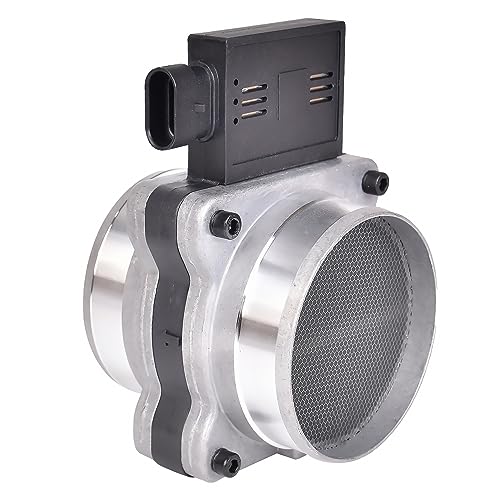
Why Does a Dirty Mass Air Flow (MAF) Sensor Matter?
A malfunctioning Mass Air Flow (MAF) sensor can trick the engine computer into thinking more air is entering the engine than reality, resulting in an overly rich fuel mixture.
The MAF sensor measures the volume of air entering the engine so the computer knows how much fuel to match with it. While a dirty MAF often under-reports air (causing a lean condition), a failed or poorly calibrated aftermarket MAF can report higher airflow values than are actually present. If the computer thinks you are at full throttle sucking in massive air when you are actually just idling, it will inject massive amounts of fuel, causing the engine to run incredibly rich.
How Does a Faulty Coolant Temperature Sensor Affect Mixture?
A bad Engine Coolant Temperature (ECT) sensor can tell the computer the engine is permanently “cold,” forcing it to stay in a rich “warm-up” mode.
When you start a car on a cold morning, the engine intentionally runs rich to keep running smoothly until it warms up (this is called “Open Loop”). If the ECT sensor fails and constantly reports a temperature of -40°F, the computer will never switch to the efficient “Closed Loop” mode. It will continue to dump extra fuel as if the engine were freezing, even after you’ve been driving for an hour.
Can a Clogged Air Filter Cause Running Rich?
Yes, a severely clogged air filter restricts oxygen flow, effectively choking the engine and causing the air-fuel ratio to become rich.
This is the simplest cause. If the “air” side of the air-fuel mixture is blocked, the ratio naturally shifts toward the “fuel” side. While modern ECUs can adjust for minor restrictions, a completely blocked filter (filled with dirt, leaves, or debris) creates a vacuum effect that limits the oxygen necessary for a clean burn. This is essentially like trying to run while breathing through a straw.
What Is the Impact of a Failed Fuel Pressure Regulator?
A failed fuel pressure regulator can allow excessive fuel pressure to build up at the injectors, forcing more gas into the engine than intended.
The regulator is designed to maintain a steady pressure (e.g., 40-50 psi) in the fuel rail. If the internal diaphragm ruptures or the vacuum line controlling it breaks, the fuel pressure can spike. When the injectors open for their normal millisecond duration, the higher pressure forces significantly more fuel through the nozzle than the computer calculated, resulting in a rich mixture.
How Does a Weak Ignition System Contribute?
Weak spark plugs or failing ignition coils can fail to burn the fuel provided, leaving unburnt gas to exit through the exhaust as a rich condition.
Sometimes the fueling is correct, but the burn is the problem. If your spark plugs are worn out, fouled with carbon, or if an ignition coil is weak, the mixture in the cylinder won’t ignite completely. This leaves unburnt oxygen and fuel to be pushed out into the exhaust. Interestingly, the O2 sensor might read the unburnt oxygen and think the car is lean, commanding even more fuel, which creates a vicious cycle of richness.
How Do You Diagnose and Fix a Rich Condition?
To diagnose a rich condition, start by scanning for OBDII codes like P0172, then inspect the air filter for clogs and monitor live data for negative fuel trim values.
Fixing a rich condition requires a logical process of elimination. Throwing parts at the car is expensive and often ineffective. Follow this step-by-step workflow to verify the problem before you spend money on sensors.
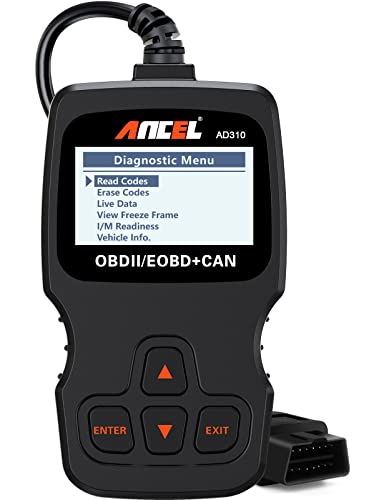
Step 1: Scan for Diagnostic Trouble Codes (DTCs)
Diagnostic code P0172 indicates ‘System Too Rich (Bank 1)’, meaning the engine is burning too much fuel on that side.
Connect an OBDII scanner to the port under your dashboard (usually near the steering column). You are looking specifically for codes P0172 (Bank 1 Rich) or P0175 (Bank 2 Rich). These codes confirm the ECU detects a problem. If you also see misfire codes (like P0300) or sensor circuit codes (like P0101 for MAF), those secondary codes often point to the specific root cause.
Step 2: Inspect and Replace the Air Filter
A severely clogged air filter restricts oxygen flow, causing the air-fuel ratio to become rich.
Before diving into complex electronics, check the basics. Open your airbox and hold the filter up to a bright light or the sun. If you cannot see light coming through the paper pleats, your engine cannot breathe. Replacing a dirty air filter is the cheapest and fastest way to potentially fix a rich running car.
Step 3: Analyze Fuel Trim Data (Live Data)
Negative fuel trim percentages (e.g., -15%) indicate the computer is trying to reduce fuel, confirming a rich running condition.
This is the pro-level step. With your scanner, look at “Live Data” and find Short Term Fuel Trim (STFT) and Long Term Fuel Trim (LTFT). In a healthy car, these numbers bounce near 0%. If your LTFT is showing deep negative numbers (like -15% or -25%), it proves the computer is frantically taking away fuel to compensate for a rich condition. This confirms the issue is active and not just an old error code.
Safety Warning: When testing fuel injectors or pressure regulators, remember you are working with highly flammable gasoline under high pressure. Always keep a fire extinguisher nearby and never work on a hot engine.
What Is the Difference Between Running Rich vs. Lean?
The main difference between running rich and lean is the fuel ratio: running rich means too much fuel (black smoke, gas smell), while running lean means too much air (stalling, overheating).
It is easy to confuse the two, but they present very different symptoms and risks. Running lean is generally more dangerous for immediate catastrophic engine failure (like melting pistons due to heat), while running rich is a slower killer that ruins exhaust components and dilutes oil.
| Feature | Running Rich (Too Much Fuel) | Running Lean (Too Much Air) |
|---|---|---|
| Exhaust Smoke | Black, sooty smoke | No visible smoke (invisible heat) |
| Smell | Strong raw gasoline / Rotten eggs | Hot, acrid, or “burning metal” smell |
| Engine Temp | Runs cooler (fuel cools cylinder) | Runs hotter (risk of overheating) |
| Performance | Sluggish, lack of power, rough idle | Hesitation, stalling, “pinging” sounds |
| Long-Term Risk | Clogged Catalytic Converter, Oil Dilution | Burnt Valves, Piston Damage |
Frequently Asked Questions About Cars Running Rich
Can I Drive My Car If It Is Running Rich?
Technically yes, but you should avoid it for long distances. While a rich engine won’t typically leave you stranded immediately, driving it for extended periods causes unburnt fuel to enter the exhaust system. This can overheat and destroy your catalytic converter, turning a $100 sensor repair into a $1,500 exhaust system replacement. Additionally, excess fuel can wash oil off cylinder walls, leading to accelerated engine wear.
Is Running Rich Bad for the Engine?
Yes, running rich can cause severe long-term damage. Beyond wasting gas, a rich mixture causes “cylinder washdown,” where raw fuel strips the protective oil film from the cylinder walls, increasing friction and piston ring wear. Furthermore, fuel can seep into the crankcase, diluting your engine oil and reducing its ability to lubricate critical bearings.
Why Is My Car Running Rich Only at Idle?
Running rich at idle is often caused by a vacuum leak or a faulty idle air control valve. While vacuum leaks usually cause lean conditions, the ECU may overcompensate with fuel, leading to a rich idle. Alternatively, a leaky fuel injector may drip fuel that isn’t noticeable at highway speeds (when air consumption is high) but overwhelms the engine at idle when air intake is low.
Does a Tune-Up Fix a Rich Running Engine?
Sometimes, but only if the root cause is ignition-related. If your rich condition is caused by fouled spark plugs or old ignition coils failing to burn the fuel, a tune-up will solve it. However, if the issue is a sensor failure (O2, MAF) or a mechanical leak (injector), a standard tune-up will not fix the underlying problem.
How Much Does It Cost to Fix a Rich Engine?
Repair costs vary wildly depending on the cause, ranging from $20 to over $500.
* Air Filter: $20–$50 (DIY friendly)
* O2 Sensor: $150–$350 (Parts + Labor)
* MAF Sensor: $100–$300
* Fuel Injector: $200–$600+
Diagnosing the specific cause is key to avoiding unnecessary part swapping.
Will a Car Running Rich Pass Emissions?
No, a car running rich will almost certainly fail an emissions test. The excess unburnt fuel results in high levels of Hydrocarbons (HC) and Carbon Monoxide (CO) in the exhaust. Most modern OBDII emission tests will also automatically fail the vehicle if the P0172 code is stored in the ECU memory, even if the check engine light has been recently reset.
Why Does My Exhaust Smell Like Rotten Eggs?
The “rotten egg” smell indicates your catalytic converter is overheating. When an engine runs rich, raw fuel is dumped into the exhaust. The catalytic converter attempts to burn this excess fuel, causing it to run at extremely high temperatures. The sulfur in the fuel creates hydrogen sulfide, producing the distinct rotten egg odor. This is a sign of immediate converter damage.
Can a Bad Battery Cause a Car to Run Rich?
Indirectly, yes. If the battery voltage is unstable or the alternator is failing, fuel injectors may not open/close at the correct speed (injector latency), or sensors may send erratic voltage signals to the ECU. While rare compared to sensor failures, low system voltage can confuse the engine computer into calculating incorrect fuel trim.
What Does Blue Smoke Mean Vs. Black Smoke?
Blue smoke means oil burning; black smoke means rich fuel mixture. It is crucial not to confuse the two. Black smoke is soot from excess gasoline. Blue/Grey smoke indicates engine oil is leaking into the combustion chamber (worn rings or valve seals). White smoke typically indicates coolant burning (blown head gasket).
Can I Just Adjust the Air-Fuel Mixture Myself?
On modern fuel-injected cars, no. Unlike older carbureted vehicles where you could turn a screw to adjust the mix, modern cars rely on the ECU and sensors. You cannot manually “tune” the mixture without reprogramming the computer (tuning) or fixing the broken component causing the data error.
Key Takeaways: Summary of Causes & Fixes
- Definition: “Running Rich” means your engine has too much fuel and not enough air (Air-Fuel ratio < 14.7:1).
- Top Symptoms: Look for black exhaust smoke, a strong smell of raw gasoline, and a significant drop in gas mileage.
- Common Causes: The usual suspects are a faulty upstream O2 sensor, dirty MAF sensor, or leaking fuel injectors.
- The Difference: Running Rich runs cooler with black smoke; Running Lean runs hotter with no smoke and is more dangerous for immediate engine failure.
- Diagnosis: Start with the easy stuff—check your air filter and scan for code P0172 before buying parts.
- Risk Factor: Driving rich for too long can destroy your catalytic converter and dilute your engine oil, leading to expensive repairs.
- The Fix: Don’t guess. Use a scanner to read Fuel Trim data to confirm the diagnosis before replacing sensors.
Final Thoughts on Fixing a Rich Running Engine
Fixing a car that is running rich is not just about clearing a check engine light; it is about preserving the life of your engine and exhaust system. While the car might seem drivable today, the excess fuel is slowly degrading your oil and clogging your expensive catalytic converter. We strongly recommend addressing this issue immediately.
Start with a simple diagnostic scan and check your air filter. These low-cost steps often reveal the problem before you need to visit a mechanic. By acting now, you protect your wallet from thousands of dollars in repairs down the road. Don’t ignore the warning signs—your engine’s health depends on that perfect balance of air and fuel.
Last update on 2026-03-04 / Affiliate links / Images from Amazon Product Advertising API