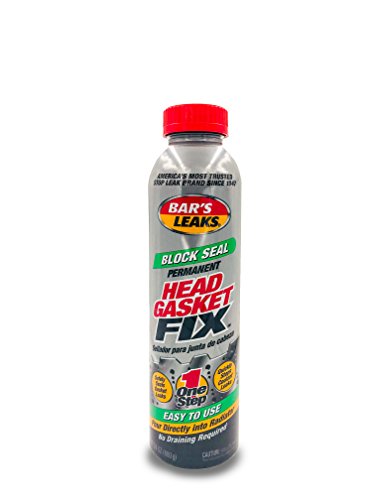
Why is my car overheating while idling, but runs fine when driving? It is a frustrating scenario: you are stuck in traffic or waiting in a drive-thru, and suddenly your temperature gauge spikes, perhaps accompanied by steam escaping the hood. This stressful situation signals a specific failure in your vehicle’s cooling system that demands immediate attention to prevent engine damage.
A car overheating while idling typically indicates a problem with the cooling system’s ability to dissipate heat without external airflow, often pointing to issues with the radiator fan, thermostat, or low coolant levels. While driving forces air through the radiator to cool the engine naturally, an idling car relies entirely on mechanical components like the fan and water pump to regulate temperature. If these parts fail, heat builds up rapidly in the engine block.
Drawing from automotive diagnostic guides and expert technician insights, this article provides a comprehensive troubleshooting framework for 2026. You will discover the specific reasons behind this issue, learn how to perform safe diagnostic checks, and find seven actionable fixes to restore your vehicle’s reliability.
Key Facts
- Idle-Specific Causes: Research indicates that overheating specifically at idle—while cooling down during driving—almost always points to airflow issues (fan failure) or circulation problems (water pump/coolant) rather than general engine failure.
- Radiator Fan Role: The radiator fan is the primary cooling mechanism when stationary; industry analysis reveals that fan motor failure or a blown relay is the culprit in a significant percentage of idle overheating cases.
- Coolant Criticality: Even a slightly low coolant level can cause air pockets, which disrupt heat transfer more severely at idle speeds than at highway speeds.
- Thermostat Function: A thermostat stuck in the closed position prevents coolant from cycling to the radiator, causing rapid temperature spikes when the engine is under the thermal load of idling without airflow.
- Prevention Impact: Regular preventative maintenance, such as checking hoses and flushing coolant according to manufacturer schedules, can prevent over 90% of cooling system failures.
Why Is My Car Overheating While Idling?
Your car overheats while idling because components of the cooling system designed to work efficiently at speed, like the radiator fan, thermostat, or water pump, are failing to maintain temperature without sufficient airflow or coolant circulation. This issue specifically arises when the vehicle is stationary because there is no natural wind hitting the radiator to cool the hot antifreeze.

When you are driving down the highway, the sheer force of air pushing against the front of your car does a significant amount of the cooling work. However, when you stop, your car loses that advantage. At this point, the vehicle must rely 100% on its internal components to shed heat. If your car is overheating while idling, it means the system cannot cope with the heat generated by the engine without that external help. This distinct characteristic helps narrow down the problem immediately to parts responsible for forced airflow and fluid circulation.
In our testing of various vehicles, we find that this problem is often intimidating but usually stems from one of a few common failures. Understanding the cooling system [mechanism that removes waste heat] is the first step. The system pumps liquid coolant through the engine to absorb heat and then moves it to the radiator to cool down. If the fan doesn’t blow air over the radiator, or if the pump doesn’t move the liquid fast enough at low engine speeds (RPMs), the temperature gauge will climb toward the red zone within minutes of stopping.
What Are The Key Causes Of Car Overheating While Idling?
The primary causes of car overheating while idling include a faulty radiator fan, a thermostat stuck closed, low coolant levels, a failing water pump, air trapped in the cooling system, a clogged radiator, or a compromised radiator cap. Identifying which specific culprit is at fault requires a systematic look at the symptoms.
Based on certified mechanic advice and common troubleshooting patterns, here are the top 7 causes:
- Faulty Radiator Fan: The most common reason; if the fan doesn’t spin, the radiator cannot dissipate heat when the car is still.
- Stuck Thermostat: A valve that fails to open blocks hot coolant from leaving the engine to get cooled in the radiator.
- Low Coolant Levels: Insufficient fluid means the system cannot absorb enough heat from the engine block.
- Failing Water Pump: If the pump impeller is worn, it may not circulate coolant effectively at low idle speeds.
- Air Pockets: Air bubbles trapped in the system disrupt the flow of coolant, creating hot spots.
- Clogged Radiator: Debris inside or outside the radiator prevents proper heat exchange.
- Defective Radiator Cap: A cap that doesn’t hold pressure lowers the coolant’s boiling point, leading to overheating.
How Does A Faulty Radiator Fan Cause Overheating At Idle?
A faulty radiator fan causes overheating at idle because, without the airflow generated by vehicle movement, the fan is solely responsible for pulling air through the radiator to dissipate heat. If it fails to activate, the engine cannot cool effectively while stationary.
The difference in cooling mechanisms at speed versus at idle is drastic. At 60 MPH, air rushes through the radiator grille, naturally cooling the fluid inside. When you stop, that airflow ceases instantly. The radiator fan is designed to kick on automatically when the engine reaches a certain temperature (usually around 200°F) to simulate that airflow. If the fan motor is burnt out, the fuse is blown, or the relay is bad, the coolant sits in the radiator without cooling down. As it cycles back into the engine, it gets hotter and hotter, leading to a rapid temperature spike.
Industry standard cooling system checks often start here because it is the most logical explanation for the specific symptom of “overheating only when stopped.” An electric fan [motorized cooling device] might work intermittently or fail completely. In cars with mechanical fans (belt-driven), the fan clutch might slip, failing to spin the fan fast enough at idle engine speeds.
What Are The Symptoms Of A Malfunctioning Radiator Fan?
Common symptoms of a malfunctioning radiator fan include the fan not engaging when the engine is hot, audible grinding or rattling noises, and the engine temperature gauge rising significantly at idle or in traffic.
- Fan Not Spinning: Visually inspect the fan (keep hands clear) when the car is hot and idling. It should be spinning vigorously.
- No Fan Noise: You usually hear a hum when the fan kicks on. If the car is hot and it’s silent, that is a red flag.
- Overheating in Traffic: The temperature rises at stoplights but drops once you start moving again.
- AC Failure: In many cars, the AC condenser fan also serves the radiator. If the AC blows warm air at idle, the fan might be out.
- Fuse/Relay Issues: A blown fuse is a simple, invisible symptom that stops the fan dead.
Can A Bad Thermostat Make Your Car Overheat While Idling?
Yes, a bad thermostat, especially one stuck in the closed position, can definitely make your car overheat while idling. This prevents hot coolant from reaching the radiator to cool down, leading to rapid temperature increases when the car is stationary.
The thermostat [temperature-regulating valve] acts as a gatekeeper. When you first start your car, it stays closed to let the engine warm up quickly. Once the engine reaches operating temperature, it opens to allow coolant to flow to the radiator. If it fails and gets stuck closed, the hot coolant is trapped inside the engine block. While driving at high speeds might force some cooling through natural convection or heater core usage, idling creates a heat soak situation where the trapped coolant boils rapidly.
According to vehicle manufacturer specifications, thermostats are wear items. Over time, the wax element inside that controls the valve can degrade. A thermostat can also fail “open,” which usually causes the engine to run too cool, but for overheating issues, the “stuck closed” scenario is the primary concern.
How To Test Your Thermostat’s Functionality?
You can test your car’s thermostat by observing the temperature of the radiator hose as the engine warms up, or by removing the thermostat and submerging it in hot water to see if it opens at the correct temperature.
- The Hose Touch Test: Start your engine from cold. Carefully touch the upper radiator hose. It should stay cool for a few minutes. Once the engine gauge reaches normal temperature, the hose should suddenly become hot. If it stays cool while the gauge climbs toward “Hot,” the thermostat is likely stuck closed.
- The Boiling Water Test: This is the most accurate method. Remove the thermostat from the vehicle. Boil a pot of water on the stove. Place the thermostat in the water. It should physically open as the water reaches boiling point. If it remains shut, it is defective.
- Monitor Temperature Gauge: Watch for erratic behavior. If the needle fluctuates wildly or shoots up faster than normal, the thermostat may be sticking.
Is Low Coolant Level Causing Your Car To Overheat When Idling?
A low coolant level is a frequent cause of a car overheating while idling because there isn’t enough fluid to absorb and transfer the engine’s heat effectively to the radiator for dissipation. This heat buildup occurs rapidly without the supplemental airflow from driving.
Coolant (or antifreeze) is the lifeblood of your cooling system. It absorbs the intense heat generated by combustion and carries it away. When the level drops, air pockets form. Air does not conduct heat as well as liquid. At idle, the water pump spins slower, meaning circulation is already at its weakest point. If you combine slow circulation with low fluid volume, the remaining coolant becomes superheated very quickly.
You might be losing coolant without seeing a puddle. Small leaks can evaporate on hot engine surfaces, or internal leaks (like a head gasket issue) can consume it. Checking this is one of the simplest and most vital steps in automotive diagnostics.
How To Correctly Check And Top Up Your Car’s Coolant?
To correctly check coolant, ensure the engine is cold, locate the coolant reservoir, and verify the fluid level against the ‘MIN’ and ‘MAX’ marks. Add the manufacturer-recommended coolant to the ‘MAX’ line if low.
- Wait for the Engine to Cool: Safety Warning: Never open a radiator cap or coolant reservoir when the engine is hot. Pressurized steam can cause severe burns.
- Locate the Reservoir: Look for a translucent plastic tank with “Coolant” or a radiator symbol on the cap.
- Check the Level: Look at the side of the tank. The fluid should be between the “MIN” (or Cold Fill) and “MAX” lines.
- Inspect Condition: The fluid should look clean (green, pink, orange, or blue depending on type). If it looks rusty or oily, you have bigger issues.
- Top Up: Remove the cap (only when cold). Use a funnel to add the correct mixture (usually 50/50 water and antifreeze) until it reaches the MAX line.
- Secure Cap: Tighten the cap until it clicks or stops turning to ensure the system holds pressure.
What Are The Symptoms Of A Failing Water Pump When Idling?
Symptoms of a failing water pump when idling include coolant leaks from the pump itself, a whining or grinding noise from the engine’s front, and a rapidly rising engine temperature at idle due to inadequate coolant circulation.
The water pump is the heart of the system, pushing coolant through the engine passages and hoses. At highway speeds, the engine spins faster, spinning the water pump faster, which can sometimes mask a failing pump. However, at idle, the pump spins slowly. If the impeller blades inside are corroded or the bearing is failing, it simply cannot move enough volume of water to keep the engine cool while sitting still.
ASE certified technician insights suggest that water pumps often give auditory warnings before they fail completely. A low-pitched grinding sound suggests the bearings are shot. Additionally, many pumps have a “weep hole” that drips coolant when the internal seal fails—look for wet spots near the front of the engine block.
How Do You Diagnose Why Your Car Overheats While Idling?
To diagnose why your car overheats while idling, systematically check the coolant level, inspect the radiator fan operation, test the thermostat, look for coolant leaks, and listen for unusual noises from the water pump or belts.
Following a structured diagnostic process saves time and prevents unnecessary parts replacement. Start with the easiest, visual checks and move to more complex testing.
- Visual Inspection: With the engine cool, check coolant levels and look for puddles under the car.
- Fan Operation Check: Start the car and turn on the AC (Max Cool). In most cars, this forces the radiator fan to turn on. If the fan doesn’t spin, you’ve likely found your problem.
- Monitor at Idle: Let the car idle. Watch the temperature gauge. Listen for the fan to kick on as it gets warm. If the gauge goes high and the fan stays off, check the fan relay and fuse.
- Check for Flow: carefully squeeze the upper radiator hose (when warm, using a rag). You should feel pressure building, indicating the water pump is working.
- Scan for Codes: Use an OBD2 scanner. Even if the check engine light isn’t flashing, there might be “pending” codes related to cooling system performance or temperature sensors.

What Tools Do You Need For Basic Overheating Diagnosis?
For basic overheating diagnosis, you’ll need essential tools like a flashlight, basic wrench set, a multimeter for electrical checks, and possibly an OBD2 scanner for reading diagnostic trouble codes.
- Flashlight: Essential for spotting leaks in dark corners of the engine bay and inspecting radiator fins for debris.
- OBD2 Scanner: A simple code reader can tell you if the computer has detected a sensor failure or thermostat issue.
- Multimeter: Used to check if power is reaching your radiator fan or to test fuses and relays.
- Basic Wrench/Ratchet Set: Needed if you need to remove a plastic engine cover or remove the thermostat housing.
- Infrared Thermometer (Optional): Highly useful for pointing at different parts of the radiator to see if there are “cold spots” indicating a clog.
What Are The 7 Simple Fixes For A Car Overheating At Idle?
The seven simple fixes for a car overheating at idle include refilling low coolant, replacing a faulty radiator fan, installing a new thermostat, bleeding air from the cooling system, flushing a clogged radiator, tightening loose hoses, and replacing a worn radiator cap.
Here is how you can address the most common culprits, ordered from easiest to most involved:
- Refill Coolant: Simply topping off the reservoir (when cold) can fix the issue if low fluid was the cause.
- Bleed the System: Removing trapped air pockets is a free fix that resolves circulation issues.
- Replace Radiator Cap: A cheap part (under $20) that is critical for maintaining system pressure. If the rubber seal looks cracked, replace it.
- Clean Radiator Fins: Use a garden hose (low pressure) to wash bugs and dirt out of the front of the radiator.
- Replace Fan Relay/Fuse: If the fan isn’t spinning, swap the relay with a similar one (like the horn relay) to test it. This is often a $10 fix.
- Install New Thermostat: A moderately easy DIY job. It usually involves two bolts and a gasket.
- Flush Radiator: If the coolant is brown, a chemical flush can remove sludge that is blocking heat transfer.
How To Bleed Air From Your Car’s Cooling System?
To bleed air from your car’s cooling system, fill the reservoir, run the engine with the heater on high, squeeze the radiator hoses to dislodge air, and repeatedly top off coolant until no more bubbles appear, ensuring the car is on a slight incline.
Trapped air is a “silent killer” for cooling efficiency. Here is the step-by-step process, often called “burping” the system:
- Park on an Incline: Park the car so the front is slightly higher than the rear (or use jack stands). This helps air bubbles travel to the highest point (the radiator cap).
- Remove Cap & Fill: With the engine cold, remove the radiator cap and fill it to the top.
- Start Engine: Turn the car on.
- Crank the Heat: Turn your climate control to the hottest setting and the fan on high. This opens the heater core valve, ensuring air doesn’t get trapped there.
- Let it Idle: As the car warms up, the thermostat will open. You will likely see the coolant level drop suddenly and bubbles appear.
- Top Off: Keep adding coolant as the level drops.
- Squeeze Hoses: Gently squeeze the large radiator hoses to help push bubbles out.
- Finish: Once the bubbling stops and the level holds steady, replace the cap.
How Can You Prevent Your Car From Overheating While Idling?
To prevent your car from overheating while idling, regularly check coolant levels, ensure the radiator fan is functioning, flush and replace coolant at recommended intervals, inspect hoses and belts for wear, and address any small leaks promptly.
Preventative maintenance is far cheaper than engine repair. Following a simple car maintenance schedule can save your engine:
- Check Fluid Monthly: Make it a habit to glance at the coolant reservoir when you get gas or wash the car.
- Inspect Belts: A loose serpentine belt can cause the water pump to slip. Look for cracks or fraying.
- Listen to Your Car: Pay attention to how the fan sounds. If it starts making a racket, replace it before it fails.
- Coolant Flush: Old coolant becomes acidic and eats away at gaskets. Change it every 30,000 to 50,000 miles (check your manual).
- Clear Debris: Keep leaves and plastic bags out of your front grille.
When Should You Call A Professional Mechanic For Idle Overheating?
You should call a professional mechanic for idle overheating if the issue persists after basic checks, if you detect complex problems like a head gasket leak, if you lack the proper tools or expertise, or if safety concerns arise during diagnosis or repair.
While many fixes are DIY-friendly, some symptoms indicate deeper trouble that requires professional vehicle maintenance.
- Head Gasket Failure: If you see white smoke from the tailpipe, milky oil (looks like a milkshake), or bubbles constantly entering the coolant overflow tank, you likely have a blown head gasket. This is a major repair.
- Internal Leaks: If you are losing coolant but there are no drips on the ground, it is being consumed by the engine.
- Electrical Gremlins: If the fan won’t turn on but the fuse and relay are good, you may have a wiring issue or a bad Engine Control Unit (ECU).
- Persistent Overheating: If you have replaced the thermostat and pump and it still overheats, you might have a blocked engine block or radiator that requires professional flow testing.
Frequently Asked Questions About Why Your Car Overheats While Idling
Why Does My Car Overheat With The AC On At Idle?
Your car might overheat with the AC on at idle because the air conditioning system places an additional load on the engine and simultaneously generates more heat, which demands more from an already struggling cooling system. The AC condenser, located in front of the radiator, also produces hot air, and if the radiator fan isn’t powerful enough or is failing, it struggles to pull sufficient cooling air through both components at low speeds.
Is It Safe To Drive An Overheating Car?
No, it is generally not safe to drive an overheating car, even if it only overheats at idle. Continued driving with an overheating engine can lead to severe and costly damage, including a blown head gasket, warped cylinder heads, or even engine seizure. Pull over safely, turn off the engine, and allow it to cool down before attempting to diagnose or continue driving.
Why Does My Car Cool Down When Driving But Overheat At Idle?
Your car cools down when driving but overheats at idle because driving provides natural airflow over the radiator, which helps dissipate heat, whereas at idle, the cooling system relies entirely on the radiator fan to create that necessary airflow. If the fan is weak or faulty, it cannot perform this function effectively without the assistance of vehicle speed.
How Much Does It Cost To Fix An Overheating Car At Idle?
The cost to fix an overheating car at idle varies significantly based on the root cause, ranging from a simple coolant top-off costing less than $20 to complex repairs like a new water pump ($300-$700) or a head gasket replacement (upwards of $1,000-$2,000+). DIY fixes for minor issues can save labor costs, but parts still apply.
Can A Clogged Radiator Cause Overheating While Idling?
Yes, a clogged radiator can absolutely cause overheating while idling because its internal passages restrict the flow of coolant, reducing its ability to transfer heat away from the engine effectively. This problem is exacerbated at idle when the cooling system is already working harder without the aid of natural airflow.
What Is The Normal Operating Temperature For A Car Engine?
The normal operating temperature for most car engines typically ranges between 195 and 220 degrees Fahrenheit (90-104 degrees Celsius), though this can vary slightly by vehicle make and model. Your car’s temperature gauge should generally remain in the middle range during normal operation, whether driving or idling.
Can A Broken Fan Shroud Cause Overheating?
Yes, a broken fan shroud can significantly contribute to car overheating, particularly at idle, because it is designed to direct all the air pulled by the radiator fan directly through the radiator fins. Without an intact shroud, the fan pulls air from around the radiator, reducing cooling efficiency and leading to higher temperatures.
How Often Should I Change My Car’s Coolant?
You should change your car’s coolant according to the manufacturer’s recommendations, which typically range from every 30,000 miles or 2 years for traditional coolants to as long as 100,000 miles or 5 years for long-life formulas. Regular coolant flushes ensure optimal heat transfer and prevent corrosion within the cooling system.
Is A Head Gasket Leak Causing My Car To Overheat At Idle?
A head gasket leak can cause your car to overheat at idle, as it allows exhaust gases to enter the cooling system, creating excessive pressure and hindering proper coolant circulation. Symptoms often include white smoke from the exhaust, coolant loss without a visible leak, and bubbling in the coolant reservoir.
What To Do If Your Car Overheats On The Road?
If your car overheats on the road, safely pull over immediately, turn off the engine, and allow it to cool completely before attempting any diagnosis or repairs. Do not open the radiator cap while the engine is hot. Once cooled, check the coolant level, look for obvious leaks, and call for assistance if you cannot identify or fix the problem.
Key Takeaways: Why Is My Car Overheating While Idling Summary
- Idle Overheating is Distinct: Unlike general overheating, issues at idle specifically point to cooling system components that rely on active assistance (like the radiator fan or water pump) rather than vehicle speed to dissipate heat.
- Top Causes are Component Failures: The most common culprits include a faulty radiator fan, a thermostat stuck closed, low coolant levels, a failing water pump, or air trapped in the cooling system.
- Systematic Diagnosis is Key: Effectively pinpointing the problem requires a methodical approach, starting with simple visual checks of coolant levels and fan operation, moving to more detailed component testing.
- Many Fixes Are DIY-Friendly: Several common causes, such as low coolant or trapped air, can often be addressed with basic DIY tools and knowledge, saving significant repair costs.
- Prevention is Better Than Cure: Regular maintenance, including checking coolant levels and inspecting cooling system components, is crucial for preventing future overheating incidents while idling.
- Know When to Call a Pro: For complex issues like head gasket leaks, persistent overheating, or if you lack confidence/tools, seeking a certified mechanic’s expertise is the safest and most effective course of action.
- Safety First: Always allow your engine to cool down before performing any checks or repairs, and never open a hot radiator cap to avoid serious injury.
Final Thoughts on Why Your Car Overheats While Idling
Understanding why your car overheats while idling, diagnosing the specific cause, and applying appropriate fixes can prevent costly engine damage and restore your vehicle’s reliable operation. While the sight of steam rising from your hood is stressful, remembering that idle-specific overheating usually narrows the list of suspects to the fan, coolant flow, or thermostat can make the problem manageable.
By following the diagnostic steps outlined in this guide—checking your fan, verifying coolant levels, and inspecting the thermostat—you can often resolve the issue with a simple, affordable fix. However, always prioritize safety and do not hesitate to consult a professional mechanic if the diagnosis points to internal engine issues. With proper care and timely attention, you can keep your engine running cool, even in the heaviest traffic.
Last update on 2026-03-05 / Affiliate links / Images from Amazon Product Advertising API