Have you ever walked away from your parked vehicle only to wonder, “Why is my car making a buzzing noise when off?” You are not alone; this phenomenon startles many drivers who worry their battery is draining or a critical component is failing, but modern automotive engineering often provides a logical explanation.
The most common reason for a car making a buzzing noise when off is the operation of the Fuel Evaporation Leakage Checking System (EVAP), which performs self-checks 5 to 15 minutes (or even hours) after shutdown. Other normal causes include electric coolant pumps continuing to circulate fluid to cool a turbocharger, electronic throttle body alignment checks, or radiator fans running to lower engine temperature.
Based on current diagnostic protocols and manufacturer design specifications, understanding these post-shutdown sounds is essential for vehicle health. You will discover exactly how to distinguish between these normal self-maintenance cycles and dangerous electrical faults that require immediate attention.
Key Facts
- EVAP System Timing: Industry data shows that the EVAP leak detection pump often runs its self-check cycle 5 to 10 hours after the engine is turned off, creating a vacuum hum from the rear of the vehicle.
- Cooling Duration: Auxiliary water pumps and cooling fans in modern turbocharged engines are designed to run for up to 15 minutes post-shutdown to prevent oil coking and heat soak.
- Battery Drain Risk: A continuous buzzing noise that persists for more than 20 minutes typically indicates a stuck relay or electrical short, which can drain a healthy battery overnight.
- Hybrid Specifics: Research indicates that hybrid vehicles frequently emit buzzing sounds from brake accumulator pumps and high-voltage battery cooling systems as part of standard safety operations.
- Diagnostic Strategy: The “Fuse Pull Test” is widely recognized by technicians as the most definitive method for isolating the specific circuit causing an abnormal buzzing noise.
Why Is My Car Making a Buzzing Noise When Off?
A car making a buzzing noise when off is often due to the EVAP system performing a leakage check or the coolant pump continuing to circulate fluid to cool the turbocharger. These are normal post-shutdown processes controlled by the Engine Control Unit (ECU) to ensure emissions compliance and component longevity.

Many drivers panic when they hear their vehicle humming in a quiet garage, assuming an electrical short is killing their battery. However, modern vehicle architecture is designed with “keep-alive” memory and active thermal management systems. Unlike older vehicles that went completely dormant the moment the key was turned, today’s cars enter a sleep mode where specific modules remain active. The ECU triggers the EVAP system and cooling fans to operate even after the ignition is cut, strictly following programmed logic to protect the engine and environment.
It is crucial to categorize these sounds immediately into “Intentional Systems” versus “Unintentional Faults.” Intentional systems, like the fan cooling your LED headlights or the throttle body clicking shut, are signs of a healthy car doing its job. Unintentional faults, such as a relay that has mechanically fused in the “closed” position, will sound harsh, continuous, and often result in a dead battery. By understanding that post-run processes are a feature, not a bug, you can approach diagnostics with confidence rather than anxiety.
What Are The Differences Between Normal and Abnormal Car Noises?
Normal car buzzing noises typically stop automatically within 15 minutes, whereas abnormal buzzing caused by stuck relays or electrical shorts may continue until the battery is drained.
To determine if you should ignore the noise or take action, you must analyze the sound’s specific characteristics. A healthy car sound is usually rhythmic, soft, and time-limited. In contrast, a warning sound is often erratic, loud, or indefinite. Using a sensory diagnostic approach allows you to “triage” the vehicle without a single tool.
For example, a soft whirring from the rear is likely the benign EVAP system, while a loud, angry buzz from the fuse box suggests a relay failure. Consult your Owner’s Manual for verification of normal operating sounds, and use the comparison matrix below to evaluate what you are hearing.
| Sound Characteristic | Duration | Likely Cause | Status |
|---|---|---|---|
| Soft Hum / Whirring | 5–15 Minutes | EVAP Leak Check or Coolant Pump | Normal |
| High-Pitched Whine | < 1 Minute | Electronic Throttle Alignment | Normal |
| Loud, Constant Buzz | Indefinite | Stuck Relay / Electrical Short | Warning |
| Clicking & Buzzing | Random intervals | HVAC Actuators / Stepper Motors | Check |
| Hissing | Constant | Vacuum Leak | Warning |
Which Car Systems Make Normal Buzzing Sounds After Shutdown?
Normal buzzing sounds after shutdown are primarily caused by the fuel evaporation leakage checking system, coolant circulation pumps, electronic throttle bodies, and LED headlight fans.
These components operate autonomously to protect the engine or meet strict EPA emission mandates. For instance, a turbo timer is a system that keeps the engine or coolant pump running to cool the turbocharger bearing, preventing expensive damage. Similarly, LED headlights often have small cooling fans that run briefly to dissipate heat from the electronics. Recognizing the source of these sounds—whether from the rear wheel well or the front grille—is key to peace of mind.
What Is The EVAP System and Why Does It Buzz?
The EVAP system buzzes because the leak detection pump is pressurizing the fuel system to check for vapor leaks. This usually happens hours after the car is parked and is completely normal.
The Evaporative Emission Control System (EVAP) is the single most common source of confusion for car owners. Its job is to trap fuel vapors from the gas tank and burn them in the engine, rather than letting them escape into the atmosphere. The “buzz” you hear is the Leak Detection Pump running a self-test.
- Key Indicators:
- Location: The sound originates from the rear passenger wheel well area (near the gas cap).
- Timing: It typically occurs 5 to 10 hours after the engine is turned off.
- Duration: The test lasts for about 10 to 15 minutes and then shuts off automatically.
This delayed start is intentional; the test requires the fuel tank to be cool and the vehicle to be stationary. If you hear this low hum long after you’ve gone inside, your car is simply complying with OBD-II emission standards.
Why Do Coolant Pumps and Fans Run After Shutdown?
Electric coolant pumps often continue running after the engine is off to circulate fluid through the turbocharger, preventing oil from overheating and coking.
In high-performance or modern turbocharged vehicles, “heat soak” is a major enemy. When you turn off a hot engine, the oil sitting in the turbocharger can literally bake into a solid sludge (coking) due to the residual heat. To prevent this, the ECU commands the Auxiliary Water Pump and radiator fans to run for up to 15 minutes.
This is a critical safety feature for your engine’s longevity. If you own a hybrid or a car with a turbo, this whirring noise from the front of the car is a sign that your thermal management system is working correctly. Interrupting this process could lead to premature turbo failure.
What Electrical Issues Cause Persistent Buzzing When Off?
A continuous buzzing noise that does not stop after 15 minutes usually indicates a stuck relay or a short circuit, which can lead to severe battery drain.
While the systems mentioned above are benign, electrical faults are parasitic and dangerous. A “stuck relay” occurs when the mechanical switch inside the relay creates a permanent connection, continuing to power a component (like a fuel pump or fan) even when the ignition is off. This not only kills your battery but can also overheat the component, posing a fire hazard.
Warning: If a component feels hot to the touch or smells like burning plastic, disconnect the negative battery terminal immediately to cut power and prevent potential fire damage.
How Can You Identify a Stuck Relay?
You can identify a stuck relay by placing your finger on the relays in the fuse box; the faulty one will often feel warm or vibrate while buzzing.
The fuse box is the nerve center of your car’s electrical system. To find the culprit:
- Open the fuse box: Ensure the engine is cold before reaching in.
- Touch each relay: Lightly place your finger on the black, cube-shaped relays.
- Feel for vibration: A relay that is “chattering” or stuck closed will vibrate or buzz against your fingertip.
- Pull the suspect relay: If you pull it out and the noise stops instantly, you have found the problem.
This mechanical failure of the switch acts like a light switch stuck in the “on” position. Swapping it with a non-critical relay (like the horn relay) is a common troubleshooting tip to verify the fix.
Why Does a Failing Fuel Pump Buzz When Off?
A fuel pump should not run continuously when the car is off. If you hear a whine from the gas tank area, it typically indicates a shorted fuel pump relay keeping the pump energized.
Unlike the periodic check of the EVAP system, a fuel pump running constantly is a serious malfunction. The fuel pump relies on the fuel itself for cooling; running continuously without the engine consuming fuel can overheat the pump motor. If you hear a high-pitched whine from the gas tank (distinct from the lower-pitched EVAP hum) that never stops, you are likely dealing with a shorted relay or ECU fault. Driving with this issue is risky, and leaving it parked will drain your battery very quickly.
How Do You Troubleshoot and Fix a Car Buzzing Noise?
To diagnose a car buzzing noise, start by isolating the sound source using a mechanic’s stethoscope or a piece of tubing, then pull fuses one by one to see which circuit stops the noise.
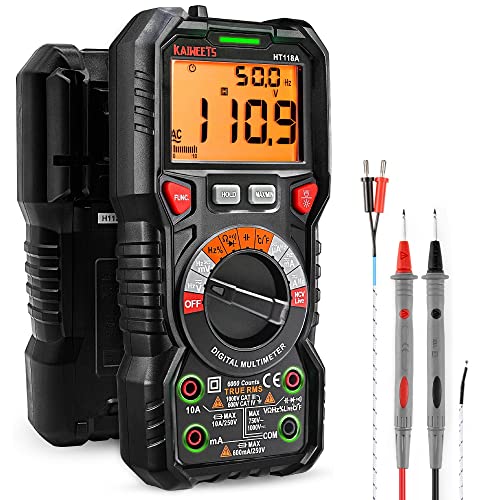
If you have determined the noise is abnormal, you need a structured plan to fix it. Randomly unplugging wires can cause more harm than good. Instead, follow a logical path: Listen, Time, and Isolate. You will need basic tools like a multimeter or a simple automotive stethoscope.
Step 1: How Do You Pinpoint the Sound’s Location?
If the buzzing comes from the rear passenger wheel, it is likely the EVAP system or fuel pump. If it comes from the engine bay, check the fuse box or throttle body.
Start by walking around the vehicle to identify where the sound is loudest. Your ears are your first diagnostic tool.
- Rear of Vehicle: Almost exclusively related to the fuel system. A low hum is likely the EVAP leak detection pump (Normal). A high whine is likely the fuel pump (Potential Fault).
- Front Engine Bay: Could be cooling fans, auxiliary pumps, or the electronic throttle body performing an alignment.
- Interior / Dashboard: Usually related to HVAC stepper motors trying to calibrate door flaps. If it sounds like “mice scratching” or clicking, an actuator gear may be stripped.
Expert Tip: Use a piece of vacuum tubing as a makeshift stethoscope. Place one end near your ear and use the other to probe around the engine bay safely to find the exact component vibrating.
Step 2: How Do You Perform a Fuse Pull Test?
The fuse pull test involves removing fuses one by one while the noise is present. When the buzzing stops, you have identified the circuit powering the faulty component.
This is the definitive method for finding electrical shorts and stuck relays.
- Locate the Fuse Box: Consult your owner’s manual for the diagram.
- Identify Relevant Fuses: Look for fuses labeled “Fan,” “Pump,” “Relay,” or “Engine Control.”
- Pull One at a Time: Remove a fuse, listen for the noise to stop. If the noise continues, replace the fuse and move to the next one.
- Isolate the Circuit: When the noise stops, check the diagram to see what that fuse powers. You now know exactly which system is at fault.
Note: Take a picture of the fuse box before starting so you know exactly where each fuse goes back. Never pull fuses related to the airbag system (SRS) without disconnecting the battery first.
Frequently Asked Questions About Car Buzzing Noises
Why is my hybrid car buzzing when off?
Hybrid vehicles frequently buzz when off due to the brake accumulator pump pressurizing the system or the thermal management system cooling the high-voltage battery. This is a normal operational sound for hybrids like the Toyota Prius or Ford Fusion Hybrid. The systems are designed to maintain readiness and safety even when the engine is not running. Do not attempt to disconnect these high-voltage systems.
Why does my car make a noise when I open the door?
Buzzing when opening the door is often the fuel pump priming the engine or the electronic throttle body performing a pre-start alignment check. Modern vehicles anticipate that you are about to start the engine. The Body Control Module (BCM) triggers these components to wake up to ensure a quick and smooth ignition process. This “pre-flight” check is completely normal.
Can a bad battery cause car buzzing when off?
Yes, a low or failing battery can cause relays to buzz or chatter rapidly because there isn’t enough voltage to keep the internal switch closed tightly. If you hear a rapid clicking or buzzing coming from the fuse box combined with dim interior lights, your battery voltage is likely too low. This is a symptom of the battery issue, not the cause of the noise itself.
Is the fuel pump supposed to buzz when the car is off?
No, the fuel pump should not run continuously after the car is turned off. While a brief prime (2-3 seconds) is normal when opening a door or turning the key to “On,” a continuous buzz from the fuel tank area when the key is removed indicates a stuck fuel pump relay. This will drain your battery and can damage the pump.
Why does my car make a hissing noise when I turn it off?
A hissing noise is usually caused by the air conditioning system equalizing pressure or coolant dripping onto a hot engine block. If the hiss is accompanied by a sweet smell, it may be a coolant leak (steam). If it sounds like air escaping and stops after a minute, it is likely just the A/C refrigerant settling, which is normal.
How to stop the car from buzzing when it’s off?
If the buzzing is caused by a normal system like EVAP, you cannot and should not stop it. If it is a fault like a stuck relay, you can stop it by disconnecting the negative battery terminal. Disconnecting the battery is a temporary emergency measure to prevent battery drain. You must locate and replace the faulty relay or component to permanently fix the issue.
Why is my car making a buzzing noise when I try to start it?
A buzzing noise when trying to start the car is the classic sign of a dead battery or a bad starter solenoid. The “buzz” is actually the starter solenoid engaging and disengaging rapidly because there isn’t enough power to crank the engine. Check your battery connections and voltage.
What is the difference between buzzing and humming car noise?
A “hum” is typically a smooth, consistent sound from a motor (like a coolant pump or fan), while a “buzz” is often harsher and may indicate an electrical arc or vibration (like a stuck relay). Humming is often normal (fans/pumps). Buzzing, especially if loud or erratic, is more likely to be an electrical component issue or a loose part vibrating.
Can cold weather cause car buzzing when off?
Cold weather can exacerbate buzzing noises by causing plastic components to contract and vibrate or by weakening the battery, leading to relay chatter. Additionally, fluids become thicker in the cold, causing pumps (like power steering or coolant pumps) to work harder and potentially hum louder during their post-run cycle.
When should I worry about car noises after shut down?
You should worry if the noise persists for more than 20 minutes, is accompanied by a burning smell, or results in a dead battery. Normal post-shutdown sounds (EVAP, fans) usually cease within 15 minutes. Any noise that continues indefinitely is a sign of a parasitic draw that requires immediate attention.
Key Takeaways: Car Buzzing Diagnostics Summary
- Most Common Cause: The EVAP System (fuel leak check) is the #1 reason for buzzing from the rear of the vehicle, often occurring hours after parking. This is normal.
- The 15-Minute Rule: Normal cooling fans and pumps typically shut off within 5 to 15 minutes. If a noise persists longer, investigate for electrical faults.
- Location Matters: Sounds from the rear are usually EVAP or fuel pumps; sounds from the front are usually fans, coolant pumps, or relays.
- The Danger Sign: A loud, constant buzz that creates heat in the fuse box or continues indefinitely indicates a stuck relay or short circuit.
- Emergency Fix: If a buzzing noise won’t stop and you cannot find the source, disconnect the negative battery terminal to prevent a dead battery and potential fire hazard.
- Hybrid Vehicles: Owners of hybrids should expect buzzing from brake accumulators and battery cooling systems, which are critical for vehicle safety.
- Diagnostic Tool: Use a fuse pull test to isolate the exact circuit causing a persistent, abnormal noise.
Final Thoughts on Car Noises
Modern vehicles are complex machines that often perform self-maintenance checks after the engine is turned off. While hearing a car making a buzzing noise when off can be unsettling, it is frequently a sign that your vehicle is simply taking care of itself. By distinguishing between the rhythmic hum of an EVAP test and the harsh buzz of a stuck relay, you can save yourself unnecessary trips to the mechanic.
However, if you are ever in doubt, or if the noise is accompanied by heat or smells, it is always safer to consult a professional. Listening to your car is a crucial part of proactive maintenance. Whether it’s a simple cooling cycle or an early warning of a failing component, your car is communicating with you—make sure you’re listening closely.
Last update on 2026-03-07 / Affiliate links / Images from Amazon Product Advertising API