
Does your vehicle stutter, buck, or lose power just when you need to speed up to merge onto a highway? This terrifying sensation of “why is my car jerks when i accelerate” creates instant anxiety, leaving you wondering if your engine is about to fail in heavy traffic. While alarming, this common issue usually stems from a specific imbalance in the engine’s air, fuel, or spark delivery systems rather than a catastrophic breakdown.
Car jerking when accelerating is most commonly caused by dirty fuel injectors, worn spark plugs, or a clogged air filter disrupting the combustion cycle. These maintenance-level failures prevent the engine from burning fuel efficiently, leading to “misfires” where the engine momentarily loses power. Other frequent culprits include low transmission fluid levels causing slippage, a blocked catalytic converter creating exhaust backpressure, or faulty mass airflow sensors sending incorrect data to the engine computer.
Based on standard automotive engineering principles and diagnostic data from 2026, addressing these symptoms early is critical to preventing expensive damage. You’ll discover exactly how to pinpoint the specific cause of your car’s hesitation—whether it’s an ignition failure or a transmission slip—and the step-by-step solutions to restore smooth power delivery.
Key Facts
- Top Three Causes: Industry analysis reveals that nearly 80% of acceleration jerking issues originate from just three components: spark plugs (ignition), fuel injectors (fuel), or air filters (air).
- Mechanism of Action: The physical “jerking” sensation is typically a combustion misfire, where one or more cylinders fail to fire, causing a momentary gap in power delivery that feels like a tug-of-war.
- Transmission Mimicry: Research indicates that low transmission fluid can mimic engine misfires, but is distinguished by RPM “flares” where the engine revs up without the car gaining speed.
- Sensor Sensitivity: A dirty Mass Airflow Sensor (MAF) can cause significant hesitation at low speeds by miscalculating the air entering the engine, even without triggering an immediate check engine light.
- Costly Consequence: Continuing to drive with a severe misfire (jerking) dumps unburnt fuel into the exhaust, which can destroy a catalytic converter in as little as 50 miles.
Why Is My Car Jerking When I Accelerate? (Understanding the Core Issue)
Car jerking during acceleration is typically caused by an imbalance in the engine’s air, fuel, or spark delivery systems. The jerking sensation is often a result of an engine misfire or transmission slip preventing smooth power transfer to the wheels. When you press the gas pedal, you are demanding an immediate increase in power, which requires a precise synchronization of these three elements; if one fails, the seamless rotation of the crankshaft is interrupted, causing the vehicle to lurch.

To understand why your car behaves this way, visualize the “Combustion Triangle.” Your engine needs three things to produce power: air, fuel, and a spark. Under normal cruising conditions, the demand on these systems is low. However, acceleration is a high-stress event. It demands a sudden surge of fuel, a massive intake of air, and a strong, rapid spark to ignite the mixture. If a fuel injector is partially clogged, it might flow enough gas for idling but fail to deliver the volume needed for acceleration. This creates a “lean” condition, where the mixture is too weak to burn, causing the engine to “skip a beat.”
This interruption is what you feel as a jerk. In automotive terms, this is often called a “hesitation” or “stumble.” It is the physical manifestation of the engine losing momentum for a fraction of a second before catching up. While it feels violent, it is important to realize that the car is not usually falling apart; rather, the computer (ECU) is struggling to compensate for a missing ingredient in the combustion recipe.
The Combustion Triangle Rule:
* Air: Must be clean and measured correctly by sensors.
* Fuel: Must be atomized and delivered at high pressure.
* Spark: Must be timed perfectly and strong enough to ignite the mix under load.
* The Result: If any side of this triangle breaks during acceleration, the engine jerks.
What Causes A Car To Jerk When Accelerating? (Air and Fuel System Culprits)
Common air and fuel system causes for car jerking include dirty fuel injectors, a clogged air filter, or a failing fuel pump. These components are responsible for creating the combustible “mist” inside your engine cylinders. When airflow is restricted or fuel pressure drops, the engine essentially chokes, leading to the hesitation and sputtering you feel when the gas pedal is pressed.
The distinction between air and fuel issues often lies in the consistency of the problem. A fuel restriction, like a clogged filter, often causes a consistent loss of power that gets worse the harder you press the pedal. In contrast, air intake issues, such as a vacuum leak, might cause erratic jerking that is most noticeable at lower speeds or when you first step on the gas.
Symptoms of Air vs. Fuel System Failures:
- Dirty Fuel Injectors: Clogged nozzles prevent proper fuel atomization, leading to “lean misfires.”
- Clogged Air Filter: Restricts oxygen needed for combustion, making the engine feel like it is suffocating.
- Failing Fuel Pump: Inconsistent pressure leads to power loss, often felt as a surging sensation.
- Obstructed Catalytic Converter: Trapped exhaust gases choke the engine, preventing fresh air from entering.
| Symptom Feature | Fuel System Issue (Injectors/Pump) | Air System Issue (Filter/Intake) |
|---|---|---|
| Primary Sensation | Sharp, rhythmic jerking under load | Sluggish acceleration, “bogging down” |
| Engine Sound | Sputtering or popping noises | Hissing sound (vacuum leak) or deep drone |
| Speed Context | Worse at high speeds/heavy load | Worse at low speeds/initial acceleration |
| Spark Plug Appearance | White/blistered insulator (Lean) | Black/sooty insulator (Rich) |
How Do Dirty Fuel Injectors Disrupt Acceleration?
Dirty fuel injectors cause car jerking by delivering an uneven spray of fuel, which disrupts the combustion cycle and causes the engine to stumble under load. Fuel injectors are precision instruments designed to spray fuel in a fine mist, a process called atomization. Over time, carbon deposits and varnish from low-quality gasoline can build up on the injector nozzles.
Instead of a fine mist, a clogged injector might shoot a solid stream of fuel or simply drip. Liquid fuel does not burn efficiently; it needs to be vaporized. When you accelerate, the engine demands a perfect mist to mix with the rushing air. If the injector is dirty, the fuel doesn’t burn completely, causing a “misfire.” This feels like a momentary loss of power, followed by a sudden surge when the fuel finally ignites, creating that characteristic uneven acceleration problem.
How Does A Clogged Catalytic Converter Cause Jerking?
A clogged catalytic converter creates excessive exhaust backpressure, which prevents the engine from ‘exhaling’ and causes it to jerk or lose power during acceleration. Think of your engine as an air pump; for fresh air to come in, exhaust gas must get out. If the catalytic converter—which filters emissions—becomes obstructed by melted honeycomb structures or carbon buildup, the exhaust gas has nowhere to go.
This buildup of backpressure effectively chokes the engine. When you try to accelerate, the engine generates more exhaust gas than the blocked converter can handle. This results in a feeling of severe hesitation, often described as the car being “held back” by a giant hand. Unlike ignition misfires which feel sharp, converter-related jerking often feels like a heavy, suffocating loss of power that may be accompanied by a rotten egg smell from the tailpipe.
Can Bad Spark Plugs Cause Car Jerking? (Ignition System Failures)
Yes, bad spark plugs are a leading cause of car jerking. When plugs are worn, they cannot ignite the fuel mixture consistently, leading to engine misfires during acceleration. The ignition system is responsible for providing the “spark” in the combustion triangle. If the spark plug gap is too wide due to wear, or the electrode is covered in oil or carbon, the electrical arc may fail to jump across the gap under the high pressure of acceleration.
This failure is known as a “dead miss.” When a cylinder misses a power stroke, the engine’s balance is thrown off violently. You feel this as a distinct jerk or stutter. Modern cars use Ignition Coils (Coil-on-Plug) which can also fail. If a coil is weak, it might provide enough spark for idling but fail to generate the high voltage needed when you floor the gas. This is why many drivers report that their car runs fine at stoplights but “breaks up” or jerks when merging onto the highway.
Visual Signs of Ignition Failure:
- Carbon Buildup: Sooty black deposits on the plug tip indicate a weak spark or rich mixture.
- Worn Electrode: The metal tip is rounded off or the gap is noticeably too large.
- Oil Deposits: Wet, oily residue on the plug prevents the spark from jumping.
- Cracked Ceramics: Visible cracks on the white insulator of the spark plug or coil body.
Is My Car Jerking A Sign Of A Bad Transmission? (Drivetrain & Sensors)
Car jerking can indicate a transmission issue, particularly if accompanied by high RPMs without speed increase (slipping) or hard, clunking shifts. While engine problems cause “misfires,” transmission problems cause “slippage” or “hard shifts.” It is crucial to distinguish between the two because transmission repairs are significantly more expensive.
A common transmission issue is low fluid. Automatic transmissions rely on hydraulic fluid pressure to engage gears. If the fluid is low or degraded, the transmission may struggle to hold a gear, causing it to slip and then suddenly grab. This feels like a jerk. Another culprit is the Torque Converter Lockup solenoid. If this malfunctions, the car may shudder at cruising speeds. Additionally, sensors like the Mass Airflow Sensor (MAF) play a dual role; if a MAF sensor is dirty, it can send incorrect load data to the Transmission Control Module (TCM), causing the transmission to shift at the wrong time or with excessive force.
Comparison: Engine Misfire vs. Transmission Issue
| Symptom Feature | Engine Misfire (Spark/Fuel) | Transmission Issue (Drivetrain) |
|---|---|---|
| Feeling | Stuttering, hesitation, “coughing” | Lurching, “clunking”, slipping |
| RPM Behavior | RPMs may fluctuate or drop slightly | RPMs flare up high (slipping) |
| Timing | Happens anytime under load | Happens specifically during gear changes |
| Sound | Popping or sputtering noise | Whining or clunking noise |
| Check Engine Light | Flashing or solid (Codes P0300-P0308) | Solid (Codes P0700 range) |
How Do You Diagnose Car Jerking During Acceleration? (Step-by-Step Guide)
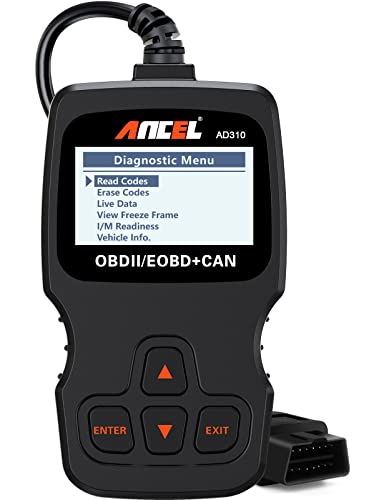
To diagnose car jerking, start by scanning for OBD-II error codes. If no codes are present, inspect the air intake hose for cracks, check the condition of spark plugs, and verify transmission fluid levels. Troubleshooting requires a logical process of elimination to avoid throwing money at parts you don’t need.
Follow this diagnostic workflow to identify the root cause:
- Scan for Codes: Use an OBD2 scanner to check for misfire (P030x) or lean (P0171) codes. This is the most accurate starting point.
- Check Fluid Levels: Inspect transmission fluid for color (should be red, not brown/burnt) and correct level.
- Inspect Air Intake: Look for cracks in vacuum lines or the rubber intake boot between the air filter and engine. Unmeasured air causes immediate jerking.
- Test Drive: Note if jerking happens when the engine is cold vs. hot, or at specific speeds.
- Live Data Check: If you have an advanced scanner, watch the “Fuel Trims.” High positive trims indicate a vacuum leak or fuel starvation.
Step 1: How Do You Interpret Check Engine Codes?
Common codes related to car jerking include P0300 (Random Misfire), P0171 (System Too Lean), and P0101 (Mass Air Flow Circuit Range/Performance). Reading these codes gives you a direct map to the problem area. You don’t need to be a mechanic to read them; most auto parts stores will do this for free, or you can use a budget-friendly scanner.
- P0300 – P0308 (Misfire Codes): P0300 means multiple cylinders are misfiring. P0301 means Cylinder 1 is the specific culprit. This usually points to spark plugs, coils, or injectors.
- P0171 / P0174 (System Too Lean): This means the engine has too much air and not enough fuel. Look for vacuum leaks, a dirty MAF sensor, or a clogged fuel filter.
- P0700 (Transmission Control System): This is a general code indicating a fault in the transmission, often accompanied by specific shift solenoid codes.
How To Fix Car Jerking When Accelerating? (Actionable Solutions)
Simple fixes for car jerking include cleaning the MAF sensor, replacing the air filter, and using a high-quality fuel system cleaner. More complex repairs may involve replacing ignition coils, flushing transmission fluid, or changing the fuel pump. Once you have a diagnosis, the fix often falls into one of two categories: preventative maintenance you can do yourself, or component failure requiring a professional.
For many drivers, the issue is solved simply by addressing neglected maintenance. A bottle of fuel injector cleaner can sometimes clear minor deposits causing a spray pattern issue. Similarly, cleaning a dirty MAF sensor with specialized spray takes ten minutes and can completely restore smooth acceleration. However, if the issue is mechanical—like a stretched timing chain or internal transmission damage—professional repair is mandatory.
Quick Fixes vs. Professional Repairs
| Fix / Solution | Difficulty Level | Estimated Cost (DIY) | Estimated Cost (Pro) |
|---|---|---|---|
| Clean MAF Sensor | Easy (Beginner) | $10 (Cleaner spray) | $50 – $100 |
| Replace Air Filter | Easy (Beginner) | $15 – $30 | $40 – $70 |
| Replace Spark Plugs | Intermediate | $40 – $80 | $150 – $300 |
| Flush Transmission Fluid | Intermediate/Hard | $50 – $100 | $150 – $250 |
| Replace Fuel Pump | Hard (Expert) | $100 – $300 | $400 – $800 |
| Replace Catalytic Converter | Expert/Pro | $200 – $500 | $1000 – $2500 |
Frequently Asked Questions About Car Jerking
Why Does My Car Jerk When I Accelerate But No Check Engine Light?
A car can jerk without a check engine light if the issue is mechanical rather than electrical, or if the sensor readings are within “acceptable” limits despite being wrong. Common causes include a dirty fuel filter, clogged fuel injectors, or early-stage transmission fluid degradation. Since these issues don’t always trigger an electrical circuit failure immediately, the ECU may not set a code until the problem worsens significantly.
Is It Dangerous If My Car Jerks While Accelerating?
Yes, it can be dangerous, especially if you need to merge onto a highway or pass another vehicle. While minor jerking might just be a nuisance, a sudden loss of power (hesitation) can leave you stranded in an intersection or unable to accelerate out of harm’s way. Additionally, ignoring the symptom can lead to catalytic converter damage or total engine failure.
Why Does My Car Jerk When I Accelerate At Low Speeds?
Jerking at low speeds is often caused by a dirty Mass Airflow Sensor (MAF) or a vacuum leak. At low RPMs, the engine is more sensitive to unmeasured air entering the intake. A vacuum leak creates a “lean” mixture that disrupts combustion more noticeably at low speeds than high speeds. It could also indicate a sticking EGR valve.
Why Does My Car Jerk When I Accelerate Uphill?
Jerking while driving uphill usually indicates a “load-dependent” misfire caused by worn spark plugs or weak ignition coils. When going uphill, the engine is under maximum load and requires a strong spark to ignite the denser fuel mixture. Weak ignition components that work fine on flat ground often fail (misfire) under the stress of an incline.
Can A Dirty Air Filter Cause Car Jerking?
Yes, a severely clogged air filter can restrict airflow enough to cause hesitation or jerking during hard acceleration. If the engine cannot suck in enough air to mix with the fuel, it “chokes,” leading to a rich condition or simple lack of power. Replacing the air filter is one of the cheapest and easiest first steps in diagnosing this issue.
Why Does My Car Jerk After Stopping And Accelerating?
Jerking immediately after stopping and then accelerating is a classic symptom of transmission issues, specifically low fluid or a failing torque converter. It can also be caused by a sticking throttle body plate that snaps open suddenly, or a “hesitation” from the fuel system taking a moment to build pressure again.
Why Is My Hybrid Car Jerking When I Accelerate?
In hybrid vehicles, jerking can be caused by the transition between the electric motor and the gasoline engine. If the motor mounts are worn, or if there is an issue with the transmission damper, this transition can feel rough or jerky. It can also be a standard engine misfire that is only felt when the gas engine kicks in.
Why Does My Car Jerk When I Accelerate And Brake?
If your car jerks when you accelerate AND when you brake, inspect your motor mounts and transmission mounts. Broken mounts allow the engine and transmission to shift physically within the engine bay. When you accelerate, the engine twists one way; when you brake, it slams back, creating a heavy thud or jerk sensation.
How Much Does It Cost To Fix A Car That Jerks?
The cost varies wildly depending on the cause, ranging from $20 for a new air filter to over $2,000 for a transmission replacement. Typical costs include $100-$300 for spark plugs, $200-$600 for ignition coils, and $100-$200 for fuel injector cleaning.
What Is The Difference Between Jerking And Shuddering?
“Jerking” is usually a violent, rhythmic bucking (like a heartbeat skipping), while “shuddering” is a rapid vibration. Jerking is typically an ignition or fuel misfire. Shuddering is often a transmission torque converter issue (rumble strip feeling) or a suspension/CV axle balance issue.
Key Takeaways: Diagnosing Car Jerking
- The “Big Three” Causes: 80% of jerking issues are caused by spark plugs (ignition), fuel injectors (fuel), or air filters (air). Start your diagnosis there.
- Check the Dashboard: A flashing Check Engine Light indicates a severe misfire—stop driving immediately to prevent catalytic converter damage.
- Don’t Ignore Transmission Signs: If the engine RPMs flare up but the car doesn’t move faster, you likely have low transmission fluid or a slipping gear, not an engine problem.
- Use the Right Tools: A simple OBD2 scanner can save you hours of guessing by pinpointing the exact cylinder or sensor causing the issue.
- Speed Matters: Jerking at low speeds points to vacuum leaks or MAF sensors; jerking at high speeds/uphill points to weak spark plugs or fuel delivery issues.
- Clean Before You Replace: Before buying expensive parts, try cleaning the MAF sensor and running a bottle of fuel system cleaner through your tank.
- Safety First: If your car jerks violently or stalls in traffic, it is a safety hazard. Seek professional repair if DIY basics don’t solve it.
Final Thoughts on Fixing Acceleration Issues
Addressing car jerking early prevents secondary damage to the catalytic converter and engine mounts. While the sensation of your vehicle lurching is frightening, it is almost always a solvable mechanical issue rather than a death sentence for your car. By systematically checking the air, fuel, and spark systems, you can often resolve the problem with simple maintenance like changing plugs or cleaning filters.
Remember, smooth acceleration is a sign of a healthy engine. If you have gone through the basics—checked the codes, inspected the plugs, and verified the fluids—and the problem persists, do not hesitate to consult a professional. Driving with a severe misfire puts stress on every component of your drivetrain. Taking action now not only restores the joy of driving but protects your investment for the long road ahead. Check your air filter today; it might be the ten-minute fix you’ve been looking for.
Last update on 2026-03-07 / Affiliate links / Images from Amazon Product Advertising API


