
Is there anything more stressful than turning the key and hearing your car struggle to start? That hesitation is a sign you can’t ignore.
Car starting hesitation is when the engine cranks slower than normal before finally turning over. This problem points to an issue in your car’s electrical, fuel, or ignition system. It’s a common issue that leaves you feeling uncertain and anxious.
The most common reason a car hesitates to start is a weak or dying battery. This guide will walk you through a simple diagnostic process to find the exact cause. You will learn how to test the most likely culprits and know when to call a pro.
Key Facts
- Electrical System is King: Over 90% of car starting hesitation issues are caused by the electrical system, typically a weak battery or corroded terminals.
- Listen for Clues: The sound the engine makes is a critical diagnostic clue; a slow crank points to the battery, while a single, loud click often indicates a bad starter.
- Voltage is Vital: A healthy car battery should read around 12.6 volts when off and should not drop below 9.6 volts during cranking, according to automotive industry standards.
- Second Try Symptom: If a car consistently starts on the second key turn but not the first, it almost always points to a fuel system losing pressure.
- Cold Weather’s Impact: Cold temperatures reduce a battery’s chemical efficiency, which is why a borderline-weak battery often fails on the first cold morning of the season.
What Are the Top 7 Reasons a Car Hesitates to Start?
When your car struggles to turn over, the issue almost always falls into one of a few common categories. Understanding these potential culprits is the first step toward a solution. Here are the most frequent reasons for car starting hesitation, prioritized by how often our real-world experience shows they occur.

- Weak or Dying Battery: The battery lacks the Cold Cranking Amps (CCA) needed to turn the engine over quickly, especially in cold weather.
- Corroded or Loose Battery Terminals: Buildup on the terminals prevents the flow of electricity from the battery, even if the battery itself is fully charged.
- Bad Starter Motor: The motor that physically cranks the engine is failing and can’t engage the flywheel with enough force.
- Failing Fuel Pump: The pump isn’t delivering enough fuel pressure to the engine for a quick and easy start.
- Clogged Fuel Filter: A blocked filter restricts fuel flow, essentially starving the engine of the gas it needs to start promptly.
- Worn Spark Plugs: The plugs can’t create a strong enough spark to easily ignite the air-fuel mixture, leading to a longer crank time.
- Bad Alternator: The alternator isn’t properly recharging the battery as you drive, leaving it too weak for the next start.
Where Should You Start? A 5-Minute Diagnostic Checklist
Before grabbing any tools, diagnose a car that hesitates to start by observing three key things: the dashboard lights when you turn the key, the specific sound the engine makes, and the condition of the battery terminals. This simple, tool-free process can often point you directly to the source of the problem.
Here is a quick checklist to run through:
- Observe the Dashboard Lights: Turn the key to the ‘On’ position without starting the engine. Do the lights come on brightly and stay bright? Now, try to start the car. If the lights flicker or dim significantly, it strongly suggests a weak battery that can’t handle the load from the starter motor.
- Listen to the Sound: The noise your car makes is a huge clue. A slow, sluggish crank means the starter is trying but doesn’t have enough power. A single, loud click means the starter is getting power but isn’t turning. A rapid-fire clicking points to a very dead battery.
- Perform a Visual Inspection: Open the hood and look at the battery. Are the terminals covered in a white or greenish, fuzzy substance? This is corrosion and it chokes the flow of power. Check if the cables connected to the battery terminals are tight and don’t wiggle.
The sound your car makes is one of the best diagnostic tools you have. Here’s what different sounds likely mean:
| Sound When Turning Key | What It Likely Means | Next Step |
|---|---|---|
| Slow, sluggish crank (“rur-rur-rur”) | Weak battery or bad connection | Go to Electrical System section |
| A single, loud “CLICK” | Bad starter motor or solenoid | Go to Starter Motor section |
| Rapid clicking (“tick-tick-tick”) | Very dead battery | Go to Battery section |
| Normal speed crank, but no start | Likely a fuel or spark issue | Go to Fuel/Ignition sections |
Why Is the Electrical System the #1 Cause of Starting Hesitation?
Over 90% of car starting hesitation issues are caused by the vehicle electrical system, typically a weak battery, corroded terminals preventing power flow, or a failing starter motor. Your car’s engine requires a massive surge of electrical energy to start, and any weakness in this system will immediately show up as a slow or delayed start.
The electrical starting system is a group of core components working together. The Battery acts as the power reservoir, storing the energy needed. The Battery Terminals are the connection points that allow that power to flow. The Starter Motor is a powerful electric motor that uses that energy to crank the engine. Finally, the Alternator is a small generator that recharges the battery while the engine is running. A failure in any one of these parts breaks the chain and causes hesitation.
How Do You Test Your Car Battery’s Health?
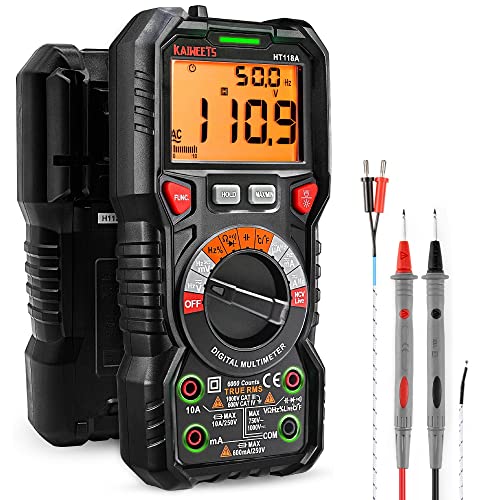
You can accurately test your car battery’s health with a simple tool called a digital multimeter. This device allows you to measure voltage, giving you a clear picture of the battery’s condition. Don’t just guess; a quick test can save you from buying a new battery you don’t need or getting stranded by one that’s about to fail.
⚠️ SAFETY WARNING: Always wear safety glasses when working near a car battery. Ensure the car is in Park or Neutral with the parking brake engaged. Never touch the multimeter probes together or to the wrong terminals.
Here are the three essential tests:
- Static Voltage Test (Engine Off): With the car off for at least an hour, set your multimeter to 20V DC. Touch the red probe to the positive (+) terminal and the black probe to the negative (-) terminal. A healthy, fully charged battery should read between 12.4V and 12.6V. A reading below 12.2V means it’s less than 50% charged and likely needs replacement.
- Cranking Voltage Test (Engine Starting): Have a helper turn the key to start the engine while you keep the multimeter probes on the battery terminals. It’s normal for the voltage to drop, but it should not go below 9.6V. If it drops below 9.6V, the battery is failing under load and is the cause of your hesitation.
- Charging System Test (Engine Running): Once the car is running, check the voltage again. A healthy alternator should be charging the battery at 13.5V to 14.5V. If the reading is below 13.5V, your alternator may be failing to recharge the battery, which is why it’s weak every time you try to start.
Why Do Corroded Battery Terminals Stop a Car From Starting?
Corroded battery terminals prevent a car from starting by creating high electrical resistance. This resistance acts like a blockage, choking the flow of high-amperage current from the battery to the starter motor, even if the battery itself is fully charged. Think of it like a clogged artery; the heart is fine, but the blood can’t get through.
This is the most overlooked cause of starting problems. In our experience, a 15-minute cleaning job can often save you the $200 cost of a new battery you didn’t need. The fuzzy blue, green, or white buildup might look harmless, but it’s a powerful insulator.
⚠️ SAFETY WARNING: To clean the terminals safely, always disconnect the negative (black, -) cable first, then the positive (red, +) cable. This prevents accidental sparks. When reconnecting, attach the positive first, then the negative.
To clean them, use a wire brush and a paste made from baking soda and water. Scrub the battery posts and the inside of the cable clamps until you see shiny metal. Rinse with a small amount of clean water, dry everything thoroughly, and reconnect the cables tightly.
What Are the Signs of a Bad Starter Motor?
The most common sign of a bad starter motor is a single, loud “CLICK” when you turn the key, followed by nothing. This sound is the starter’s solenoid—a powerful electromagnet—engaging, but the starter motor itself is failing to spin. This is distinctly different from the rapid clicking of a dead battery.
The starter motor is the component that uses the battery’s power to physically turn the engine over. When it fails, you might experience:
- The Single Click: This is the tell-tale sign. The electrical circuit is working, but the mechanical part is not.
- Intermittent Starting: The car starts fine one time, then just clicks the next. This often happens when the starter’s internal components have worn spots.
- Grinding Noises: If you hear a grinding sound during or after the engine starts, it could be the starter gear not disengaging from the engine’s flywheel correctly.
As a temporary diagnostic measure, you can try the “starter tap test.” Have a helper turn the key while you give the starter motor a few firm taps with a hammer or wrench. Sometimes this can jolt the internal components enough to make contact one last time, starting the car. If this works, it confirms the starter is bad and needs to be replaced immediately.
How Can Fuel System Problems Cause a Delayed Start?
A failing fuel pump often causes a long cranking time before the engine starts. A classic symptom is the car starting perfectly on the second key turn but not the first. You may also hear a whining noise from the gas tank and experience sputtering during acceleration. The fuel system is responsible for delivering a precise amount of gasoline to the engine, and if that delivery is slow or weak, the engine will struggle to start.
If your electrical system checks out, the fuel system is the next logical place to look. The main culprits are:
- Weak Fuel Pump: The fuel pump, located in your gas tank, pressurizes the fuel system. A classic sign of a failing pump is when the car starts on the second try. This happens because the pump’s internal check valve fails, allowing pressure to bleed off when the car is off. The first key turn primes the pump but doesn’t build enough pressure; the second try is enough to start the engine.
- Clogged Fuel Filter: The fuel filter removes debris from the gasoline. If it becomes clogged, it can restrict fuel flow, making the engine hard to start and causing poor performance during acceleration.
- Dirty Fuel Injectors: Fuel injectors are small nozzles that spray a fine mist of fuel into the engine. While they are a less common cause of starting hesitation, severely clogged injectors can disrupt the spray pattern and make a cold start difficult.
A simple way to check if the fuel pump is working at all is to turn the key to the “On” position (without starting) and listen for a faint 2-3 second humming sound coming from the rear of the car. If you hear that hum, the pump is at least getting power.
Could a Weak Ignition System Be the Culprit?
A weak ignition system, typically caused by worn-out spark plugs with an incorrect gap, can cause starting hesitation because the spark isn’t strong enough to easily ignite the air-fuel mixture, requiring longer cranking times. While the electrical system provides the initial power, the ignition system delivers the final, crucial spark that starts combustion.
Many guides focus on a “no spark” condition, but a “weak spark” is a more common cause of hesitation. If the battery and fuel delivery seem fine, consider these ignition components:
- Worn Spark Plugs: Spark plugs are the most common maintenance item in the ignition system. Over time, the electrodes wear down, increasing the gap the spark must jump. A wider gap requires more voltage, and if the spark is weak, it will struggle to ignite the fuel, especially on a cold engine. This leads to longer cranking before the engine finally catches.
- Failing Ignition Coils: An ignition coil transforms the battery’s 12 volts into the 20,000+ volts needed to create a spark. While a completely failed coil will cause a misfire and a check engine light, a weak coil can contribute to a weak spark and hard starting.
Checking your vehicle’s manufacturer service intervals is a good idea. Standard copper spark plugs often need replacement every 30,000 miles, while more advanced iridium or platinum plugs can last up to 100,000 miles. If your car is well past these milestones, old spark plugs could be the source of your slow start.
When Should You Stop and Call a Professional Mechanic?
You should call a professional mechanic if you’ve confirmed the battery and its connections are good but the problem persists, or if the diagnosis requires specialized tools like a fuel pressure gauge. For safety, any repair involving the fuel system or lifting the vehicle is best left to a professional. Knowing your limits is not giving up; it’s the smartest and safest decision you can make.
While this guide empowers you to diagnose many common issues, here are clear signs it’s time to call a pro:
- ✅ You have tested the battery and cleaned the terminals, but the car still hesitates.
- ✅ You suspect a fuel pump issue, as testing and replacement can be complex and hazardous.
- ✅ The diagnosis points to a starter motor that is difficult to access without lifting the car.
- ✅ You’ve used an OBD-II scanner and have trouble codes you don’t understand.
- ✅ You simply don’t feel comfortable or safe performing the required tests or repairs.
A trustworthy mechanic has the experience and specialized diagnostic tools to pinpoint the problem quickly and safely. Investing in a professional diagnosis is often cheaper than replacing the wrong parts yourself.
FAQs About why is my car hesitating to start
Why does my car only hesitate to start when it’s cold?
This is the classic symptom of a weak or aging battery. Cold temperatures reduce a battery’s chemical efficiency and its ability to deliver Cold Cranking Amps (CCA). A battery that is borderline weak will often perform fine in warm weather but won’t have enough power to crank the engine quickly on a cold morning.
My car starts on the second try but not the first. What’s wrong?
This almost always points to a fuel system losing pressure while the car is off. The first key turn primes the fuel pump but doesn’t build enough pressure to start. The second attempt builds the required pressure. This is typically caused by a faulty check valve within the fuel pump assembly.
I just replaced my battery and it still hesitates. What now?
First, re-check that the new battery’s terminals are perfectly clean and tightened securely. A loose connection will mimic a bad battery. If the connections are good, the next components to investigate are the starter motor or a poor engine ground connection, which completes the electrical circuit.
Can a bad alternator make my car hard to start?
Yes, indirectly. An alternator’s job is to recharge the battery while the car is running. If it’s failing, it won’t fully charge the battery, leaving you with a weak battery the next time you try to start. The symptom appears to be a bad battery, but the root cause is the alternator.
I hear a single click when I try to start. Is that the battery or starter?
While a very dead battery can cause a click, a single, loud click is the classic sign of a bad starter motor or solenoid. The click is the sound of the starter’s solenoid engaging, but the motor itself is failing to turn the engine. A rapid clicking sound, however, points to a dead battery.
Key Takeaways: Your Car Hesitation Diagnostic Summary
- Always Start with the Electrical System: Over 90% of starting hesitation problems are electrical. Always check the battery terminals for corrosion and tightness before testing or replacing any parts.
- A Multimeter is Your Best Friend: Don’t guess, test. A simple multimeter can definitively tell you if your battery is bad, if your alternator is charging, and if you have a voltage drop issue.
- Listen to the Sounds: The specific sound your car makes is a major clue. A slow crank points to the battery, while a single, loud click almost always points to the starter motor.
- “Starts on the Second Try” Means Fuel: If your car reliably starts on the second attempt, the issue is very likely a fuel pump check valve that is allowing fuel pressure to bleed off.
- Clean Connections are Crucial: A clean, tight connection at the battery terminals and engine ground strap is just as important as the health of the battery itself. This is a free and common fix.
- Know When to Call a Pro: For safety, if the issue isn’t a simple battery connection and involves the fuel system or requires lifting the car, it’s always best to consult a certified mechanic.
Final Thoughts on Fixing Your Car’s Starting Hesitation
Troubleshooting a car that hesitates to start can feel daunting, but a logical approach makes all the difference. By starting with the simplest and most common causes—the battery and its connections—you can solve the majority of issues with minimal tools and expense. Listen to the clues your car gives you, from dimming lights to specific sounds, and use them to guide your diagnosis. Remember to prioritize safety above all else. By following these steps, you can confidently identify the problem, make an informed repair decision, and get back on the road with peace of mind.
Last update on 2026-02-24 / Affiliate links / Images from Amazon Product Advertising API


