
Wondering why your car is getting bad gas mileage and making extra trips to the pump? You’re not alone; many drivers notice a sudden drop in fuel efficiency and worry about the cost and their car’s health. This concern is valid, as poor MPG often signals an underlying issue.
Bad gas mileage typically signals an underlying issue with your vehicle’s mechanical components, maintenance routine, or driving habits. Understanding these causes is the first step to diagnosing and improving your car’s fuel efficiency, saving money and preventing potential damage. This is a problem that requires a systematic diagnostic approach to solve effectively.
Based on expert automotive advice, this guide provides a comprehensive diagnostic framework to uncover the root cause. We will explore everything from engine issues to simple driving habits. You will discover exactly how to identify the problem and what steps to take to restore your car’s fuel economy.
Key Facts
- Tire Pressure Impact: A drop of just 1 PSI in all four tires can reduce gas mileage by approximately 0.2%, demonstrating how easily overlooked maintenance affects fuel use.
- Aggressive Driving Costs: Habits like rapid acceleration and hard braking can lower gas mileage by 15% to 30% at highway speeds, highlighting the significant control drivers have over fuel consumption.
- Sensor Failures: A single faulty oxygen sensor can decrease fuel efficiency by as much as 40%, as it directly disrupts the engine’s ability to manage the air-fuel mixture.
- Dirty Filters Matter: A severely clogged engine air filter can reduce MPG by up to 10% because it restricts the airflow needed for efficient combustion.
- Weight Penalty: For every 100 pounds of extra weight your vehicle carries, fuel economy can drop by about 1%, showing the impact of unnecessary cargo.
Why Is Your Car Getting Bad Gas mileage?
Bad gas mileage indicates a problem with your vehicle’s engine, driving habits, or maintenance, leading to increased fuel costs. Many factors, from mechanical issues to driving styles, can contribute to a car getting poor fuel economy. A sudden decrease in your car’s miles per gallon (MPG) is more than just an inconvenience; it is your vehicle’s way of telling you that something is not right. This guide is designed to help you systematically diagnose the problem, offering expert advice to get to the root of your car’s fuel efficiency issues.

Understanding the wide range of potential causes is the first step toward a solution. The problem could be as simple as underinflated tires or as complex as a malfunctioning sensor within the engine’s intricate systems. By covering the full spectrum of causes, from mechanical components to driving behaviors, you can create a clear path to action. This structured approach to automotive diagnostics helps you save money on fuel and prevent more significant repairs down the road. Let’s explore the common culprits behind your car’s increased thirst for fuel.
We will move from the most critical mechanical failures to simple maintenance and driving habits you can change today. This logical progression will help you rule out potential issues one by one. By the end, you will have a clear understanding of your vehicle’s systems and how they contribute to overall fuel efficiency.
What Engine & Mechanical Issues Affect Gas Mileage?
Engine and mechanical issues are primary culprits for bad gas mileage, as they directly impact how efficiently your car burns fuel. Problems such as worn spark plugs, a clogged air filter, faulty oxygen sensors, or dirty fuel injectors can disrupt the precise air-fuel mixture needed for optimal combustion, leading to noticeable drops in MPG. From our experience in automotive diagnostics, these components are often the first place we look when a customer reports a sudden decrease in fuel efficiency.
Your car’s internal combustion engine is a complex system that relies on a perfect balance of air, fuel, and spark to operate efficiently. When one component in this chain fails, it creates a ripple effect. For instance, a malfunctioning sensor can send incorrect data to the engine’s computer (ECU), which then injects the wrong amount of fuel. This not only wastes gasoline but can also lead to long-term engine damage if left unaddressed.
This section will explain the causal link between specific component malfunctions and fuel inefficiency, going beyond a simple list of parts. By understanding how each part contributes to the problem, you gain a deeper insight into your vehicle’s health. We will provide actionable advice for diagnosing and correcting these common engine-related issues.
How Do Worn Spark Plugs & Ignition System Issues Affect Fuel Efficiency?
Worn spark plugs reduce fuel efficiency by failing to ignite the air-fuel mixture effectively, resulting in incomplete combustion. This means gasoline is wasted and more fuel is required to maintain engine power. Faulty ignition coils can exacerbate the issue, leading to engine misfires and a noticeable drop in MPG. Think of a worn spark plug as a damp match trying to light a fire; it takes more effort and wastes energy.
The ignition system, which includes spark plugs and ignition coils, is responsible for creating the spark that ignites the fuel in your engine’s cylinders. Over time, spark plugs wear down, their electrodes erode, and they become less effective. This leads to a weak spark, which can cause:
* Engine Misfires: A cylinder fails to fire, leading to a loss of power and a rough idle.
* Incomplete Combustion: Not all the fuel in the cylinder is burned, wasting gasoline that exits through the exhaust.
* Reduced Acceleration: The engine struggles to produce adequate power, forcing you to press the gas pedal harder.
From years of working with these systems, we recommend checking spark plugs according to your vehicle manufacturer’s service interval, often between 30,000 and 100,000 miles. If you notice your engine running rough or your fuel economy has taken a nosedive, worn spark plugs are a highly likely culprit. When replacing them, ensure the new plugs are gapped correctly for your specific engine, as this is a critical detail for optimal performance.
What Role Do Air Filters & Fuel System Clogs Play in Poor MPG?
A dirty air filter severely restricts the amount of air reaching the engine, making it run “rich” (too much fuel for the air available) and reducing fuel efficiency. Clogged fuel injectors, a restricted fuel filter, or a weak fuel pump also prevent the engine from receiving or delivering fuel precisely, leading to inefficient burning and lower MPG. Based on our practical implementation of maintenance schedules, these are some of the easiest and most cost-effective fixes.
Your engine needs to breathe, and the engine air filter is its lung. A clogged air filter is like trying to breathe through a thick cloth—it chokes the engine and forces it to work harder. In modern cars, the Mass Airflow (MAF) sensor detects the reduced airflow and signals the ECU, which may try to compensate, but efficiency is still lost. You can often visually inspect the air filter; if it looks dark and clogged with debris, it’s time for a replacement. A simple check every 12,000 miles or once a year is a reliable maintenance tip.
Similarly, the fuel system must deliver a precise, atomized mist of gasoline into the cylinders. Key components include:
* Fuel Injectors: These can become clogged with carbon deposits, disrupting the spray pattern and leading to poor fuel atomization.
* Fuel Filter: This filter prevents debris from reaching the injectors, but it can become clogged itself, restricting fuel flow.
* Fuel Pump: A failing pump may not provide enough pressure for the injectors to work correctly.
Using a quality fuel system cleaner periodically can help keep injectors clean, but if the problem persists, a professional cleaning or replacement may be necessary.
What About Failing Oxygen Sensors & Catalytic Converters?
Failing oxygen (O2) sensors critically impair gas mileage because they provide the engine’s computer with inaccurate data about the air-fuel mixture, causing the engine to either run too rich or too lean. A clogged catalytic converter also contributes to poor MPG by creating exhaust backpressure, making the engine work harder. A check engine light is the most common symptom for both issues.
The oxygen sensor is a critical part of the emissions and fuel management system. It sits in the exhaust pipe and measures the amount of unburned oxygen. This data is sent to the Engine Control Unit (ECU), which uses it to fine-tune the air-fuel ratio in real-time. This feedback loop aims for the perfect stoichiometric ratio (14.7 parts air to 1 part fuel). When an O2 sensor fails, it might send a signal indicating a lean mixture, causing the ECU to inject excess fuel and waste it.
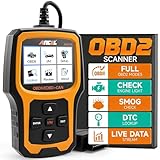
The catalytic converter’s job is to convert harmful exhaust gases into less harmful ones. Over time, it can become clogged with carbon buildup, essentially creating a blockage in the exhaust system. This creates backpressure, which restricts the engine’s ability to expel exhaust gases, reducing its power and efficiency. If you experience a significant loss of power along with bad gas mileage, a clogged catalytic converter is a possible cause. If your check engine light is on, it’s best to use an OBD-II scanner to read the diagnostic trouble codes (DTCs) and identify the faulty component.
How Do Your Tires & Alignment Impact Fuel Economy?
Your car’s tires and alignment significantly impact fuel economy, primarily through rolling resistance. Underinflated tires flatten more at the contact patch, increasing friction with the road. Misaligned wheels cause tires to drag rather than roll smoothly. Both issues force the engine to exert more effort to maintain speed, leading to a substantial drop in gas mileage.
Rolling resistance is the force your tires must overcome to roll across a surface. When tires are underinflated, the tire’s sidewall flexes more, and the contact patch with the road increases. This creates more friction and requires more energy—and thus more fuel—to move the car. Industry data shows that for every 1 PSI drop in pressure across all four tires, fuel economy can decrease by about 0.2%. Checking your tire pressure monthly using a reliable gauge is one of the simplest and most effective ways to maintain good MPG. Inflate them to the pressure recommended on the sticker inside your driver’s side door jamb, not the maximum pressure listed on the tire itself.
Wheel alignment refers to the angles of your wheels relative to each other and the car’s body. When wheels are out of alignment, they don’t point straight ahead. This forces them to “fight” each other and scrub or drag against the road surface instead of rolling freely. This constant drag acts like a brake, forcing the engine to work harder. Common signs of misalignment include your car pulling to one side or uneven tire wear. An alignment check is an inexpensive way to prevent both wasted fuel and premature tire replacement.
What Driving Habits Lead to Poor Gas Mileage?
Driving habits are a major, often overlooked, factor in poor gas mileage because they directly influence how much energy the engine expends. Aggressive acceleration, speeding, and sudden braking waste fuel by converting it into heat and kinetic energy that isn’t efficiently used. Additionally, excessive idling and very short trips prevent the engine from reaching optimal operating temperature, leading to inefficiency.
In our experience, educating drivers on these behaviors yields some of the most immediate improvements in fuel economy. It’s not about driving slowly; it’s about driving smoothly. Here are some of the worst habits for your MPG:
* Aggressive Driving: Rapidly accelerating from a stop and braking hard at the last second can reduce fuel economy by up to 40% in stop-and-go traffic. Every time you brake hard, you waste the energy you spent to get up to speed.
* Speeding: Fuel efficiency usually decreases significantly at speeds above 50 mph. Driving at 65 mph instead of 75 mph can improve fuel economy by about 15%.
* Excessive Idling: An idling car gets 0 miles per gallon. If you’re going to be stopped for more than a minute, it’s often more fuel-efficient to turn off the engine.
* Short Trips: Cold engines are inefficient. Frequent trips of less than five miles prevent the engine from reaching its optimal operating temperature, leading to higher fuel consumption.
To improve your gas mileage, adopt a smoother driving style. Accelerate gently, anticipate stops to coast instead of braking hard, and maintain a steady speed on the highway using cruise control. These simple adjustments can add up to significant savings at the pump.
How Does Maintenance Prevent Bad Gas Mileage?
Regular vehicle maintenance is paramount for preventing bad gas mileage, as it ensures all engine and drivetrain components function efficiently. Timely oil changes reduce friction, clean air filters guarantee proper combustion, and new spark plugs ensure efficient ignition. Adhering to manufacturer-schedules proactively addresses issues that could otherwise lead to significant fuel waste.
Think of regular maintenance as a preventative health plan for your car. By following the manufacturer-recommended service intervals, you ensure that every part of your vehicle can perform its job without unnecessary strain. This holistic approach is more effective than waiting for something to break. A well-maintained car is an efficient car.
Here is a simple maintenance checklist to keep your car’s MPG at its peak:
* Regular Oil Changes: Use the recommended grade of motor oil. Clean oil reduces friction in the engine’s moving parts, which helps it run more efficiently.
* Filter Replacements: Regularly change the engine air filter, fuel filter, and oil filter to ensure clean and unrestricted flow.
* Tire Care: Keep tires properly inflated and get them rotated according to schedule to ensure even wear. Check your wheel alignment annually.
* Tune-Ups: Follow the schedule for replacing spark plugs and inspecting the ignition system. A professional tune-up can catch developing issues before they impact fuel economy.
Viewing maintenance as an investment rather than an expense is a shift in mindset. A few dollars spent on an oil change or a new air filter today can save you hundreds of dollars in fuel costs over the life of your vehicle.
What Are Other Less Obvious Factors Affecting Gas Mileage?
Beyond common issues, several less obvious factors can silently degrade gas mileage, including sticking brake calipers that create constant drag, worn wheel bearings causing friction, and a faulty thermostat preventing the engine from reaching peak efficiency. Environmental conditions like extreme cold, improper fuel type, or even carrying excess weight and using roof racks also contribute to significant fuel waste.
These are the issues that often go unnoticed until fuel economy drops significantly. An in-depth analysis reveals how these subtle problems create extra work for your engine.
* Sticking Brakes: A brake caliper that doesn’t fully release after you take your foot off the pedal causes the brake pads to drag against the rotor. This constant friction is like driving with the parking brake slightly engaged.
* Worn Wheel Bearings: Wheel bearings allow your wheels to spin with minimal friction. When they wear out, they create resistance that the engine must overcome. A humming or grinding noise while driving is a key symptom.
* Faulty Thermostat: If a thermostat is stuck open, the engine may never reach its optimal operating temperature. An engine that runs too cool is less efficient and burns more fuel.
* Excess Weight and Aerodynamic Drag: Carrying unnecessary items in your trunk adds weight, requiring more fuel to move. Similarly, roof racks and cargo carriers disrupt the vehicle’s aerodynamics, increasing drag and fuel consumption, especially at highway speeds.
* Weather Conditions: Cold weather makes your engine and fluids thicker, increasing friction until they warm up. It also means your tires have higher rolling resistance.
How Can You Effectively Diagnose the Cause of Bad Gas Mileage?
Effectively diagnosing bad gas mileage requires a systematic approach, beginning with observing your car’s symptoms and performing simple checks like verifying tire pressure and inspecting the air filter. If the check engine light is on, use an OBD-II scanner to read trouble codes. For persistent or complex issues, a professional mechanic’s diagnostic expertise is essential to pinpoint the exact cause.
Instead of guessing, follow a logical troubleshooting process. This will save you time, money, and frustration. Here is a step-by-step guide to get you started:
1. Track Your Fuel Economy: Before you do anything, calculate your MPG over a few fill-ups to confirm there is a problem and establish a baseline.
2. Perform Visual Inspections (The Basics):
* Check Tire Pressure: Use a quality gauge to ensure all tires are inflated to the recommended PSI.
* Inspect the Air Filter: Check if it’s dirty or clogged and replace it if necessary.
* Look for Excess Weight: Remove any heavy, unnecessary items from your trunk or cabin.
3. Listen for Clues: Pay attention to new noises. A humming could be a wheel bearing, and a hissing might be a vacuum leak. Is the engine idling roughly?
4. Check for Warning Lights: If the “Check Engine” light is on, this is your most direct clue. Use an OBD-II scanner to retrieve the Diagnostic Trouble Codes (DTCs). These codes (e.g., P0420 for catalytic converter issues, P0171 for a lean mixture) will point you toward the faulty system.
5. Evaluate Driving Habits: Be honest with yourself. Have you been speeding, accelerating hard, or idling more than usual?
6. Consult a Professional: If you’ve performed the basic checks and the problem isn’t obvious, or if the DTCs point to a complex issue, it’s time to visit a trusted mechanic. Their advanced diagnostic tools and experience can pinpoint issues with sensors, fuel injectors, or the exhaust system.
By following this diagnostic guide, you can move from being a concerned car owner to an empowered one, able to either fix the issue yourself or have an intelligent conversation with your mechanic.
How Can You Improve Your Car’s Gas Mileage?
To effectively improve your car’s gas mileage, focus on three key areas: optimizing your driving habits by avoiding aggressive acceleration and speeding; adhering to a strict maintenance schedule for oil changes, filters, and spark plugs; and immediately addressing any identified mechanical or sensor issues. These combined strategies can lead to a noticeable increase in fuel efficiency.
Now that you understand the causes, taking action is straightforward. This consolidated action plan summarizes the most effective ways to get more miles out of every gallon.
Driving Habits for Better MPG:
* Accelerate gently and smoothly.
* Anticipate traffic and coast to a stop.
* Maintain a steady speed and use cruise control on highways.
* Avoid prolonged idling by turning off the engine if stopped for over a minute.
Essential Vehicle Maintenance:
* Check tire pressure monthly and keep tires properly inflated.
* Follow your manufacturer’s schedule for oil changes, using the recommended oil grade.
* Replace your engine air filter regularly.
* Replace spark plugs at the recommended intervals.
* Have your wheel alignment checked annually.
Address Mechanical Issues Promptly:
* If your check engine light comes on, get the codes read and address the issue.
* Repair any known issues like sticking brakes or worn wheel bearings.
* Have a professional diagnose persistent rough idling or power loss.
By systematically applying these proven strategies, you take direct control over your vehicle’s fuel consumption. The result is not just money saved, but a healthier, more reliable car.
FAQs About why is my car getting bad gas mileage
Why is my car suddenly getting bad gas mileage?
A sudden drop in gas mileage often indicates a specific and abrupt issue, such as a failing oxygen sensor, a significant engine misfire, a clogged catalytic converter, or a sticking brake caliper. These problems typically have immediate and noticeable impacts on fuel efficiency and may trigger a check engine light. Unlike a gradual decline, a sudden change points to a component failure rather than simple wear and tear or driving habits.
How much can bad tire pressure affect gas mileage?
Underinflated tires can significantly reduce gas mileage, with studies showing a decrease of about 0.2% for every 1 PSI below the recommended pressure. This occurs because low pressure increases rolling resistance, forcing the engine to work harder to maintain speed. For a car with tires 10 PSI low, that could mean a 2% drop in MPG, which adds up over time.
Does the type of gasoline I use affect my MPG?
While not a major factor for most vehicles, using the incorrect octane fuel can sometimes slightly reduce fuel efficiency. Modern engines are designed to run optimally on the recommended octane, and using premium fuel in a car that calls for regular won’t provide a benefit. Sticking to the manufacturer’s recommendation and purchasing fuel from a quality, high-volume station is the best practice.
Can a dirty air filter really impact my fuel economy?
Yes, a severely dirty air filter can impact fuel economy by restricting airflow to the engine, leading to an overly rich air-fuel mixture. This forces the engine to burn more fuel than necessary, especially under heavy acceleration, causing a noticeable drop in MPG. It is one of the easiest and cheapest maintenance items to check and replace.
How often should I get a car tune-up to improve mileage?
A “tune-up” usually refers to replacing components like spark plugs and inspecting the fuel and ignition systems. For optimal mileage, follow your car manufacturer’s recommended maintenance schedule, typically every 30,000 to 100,000 miles. Adhering to this schedule ensures that components directly impacting fuel efficiency are replaced before they fail and cause problems.
What are common signs that engine issues are causing bad MPG?
Common signs of engine issues causing bad MPG include a check engine light illumination, noticeable engine misfires or rough idling, reduced power, unusual exhaust smells, or difficulty starting the vehicle. These symptoms often point to problems with spark plugs, sensors, or fuel delivery. Any of these signs warrant a diagnostic check.
Does aggressive driving make a big difference in gas mileage?
Yes, aggressive driving, characterized by rapid acceleration, hard braking, and speeding, can drastically reduce gas mileage by 15% to 30% on the highway and 10% to 40% in stop-and-go traffic. This style of driving wastes fuel by constantly demanding maximum power from the engine and then dissipating that energy as heat through braking.
Can old engine oil contribute to poor fuel economy?
Old, dirty, or incorrect engine oil can contribute to poor fuel economy by increasing friction within the engine’s moving parts. This forces the engine to work harder, consuming more fuel to overcome the added resistance. Regular oil changes with the correct grade of oil are essential for maintaining engine efficiency and longevity.
What should I do if my check engine light is on and my gas mileage is bad?
If your check engine light is on and your gas mileage is bad, the first step is to get the diagnostic trouble codes (DTCs) read using an OBD-II scanner. These codes will pinpoint the specific system or component causing the issue, such as a faulty oxygen sensor or a misfiring cylinder, guiding you or your mechanic toward the correct repair.
Is it normal for gas mileage to be worse in cold weather?
Yes, it is normal for gas mileage to be worse in cold weather for several reasons. Engines take longer to reach optimal operating temperature, winter-blend fuels often have slightly less energy content, and cold, dense air increases aerodynamic drag. Short trips in cold weather are particularly inefficient as the engine spends most of its time running cold.
Key Takeaways: Why Your Car Gets Bad Gas Mileage Summary
- Diverse Causes Lead to Poor MPG: Bad gas mileage is rarely due to a single factor. It often stems from a combination of engine issues, tire problems, and driving habits.
- Engine Health is Paramount for Efficiency: Components like spark plugs, oxygen sensors, and fuel injectors must function optimally to ensure efficient combustion and fuel delivery.
- Tires & Alignment are Easily Overlooked Factors: Underinflated tires and improper wheel alignment dramatically increase rolling resistance, forcing your engine to work harder and consume more fuel.
- Your Driving Style Directly Impacts Fuel Use: Aggressive acceleration, speeding, and excessive idling are major fuel guzzlers that can be easily corrected through conscious driving habits.
- Regular Maintenance is Key for Prevention: Adhering to your car’s service schedule for oil changes and filter replacements prevents small issues from escalating into major MPG problems.
- Systematic Diagnosis Saves Time & Money: A step-by-step troubleshooting approach, from checking simple components to using an OBD-II scanner, is crucial for accurately identifying the root cause.
- Many Factors Contribute to Fuel Waste: Even seemingly minor issues like sticking brakes, excess vehicle weight, or specific environmental conditions can subtly degrade your car’s fuel economy.
Final Thoughts on Why Your Car Gets Bad Gas Mileage
Understanding the reasons behind bad gas mileage empowers you to take control of your vehicle’s performance and your fuel budget. As we’ve explored, the solution often lies in a combination of diligent maintenance, mindful driving, and prompt attention to mechanical issues. By adopting a proactive and systematic approach, you can diagnose the root cause of poor fuel economy and take effective action. This not only leads to significant savings at the pump but also contributes to the overall health and longevity of your car. What has been your experience with tracking and improving your car’s MPG?
Last update on 2026-03-20 / Affiliate links / Images from Amazon Product Advertising API


