Wondering why your car’s oil level keeps dropping, but there’s no tell-tale puddle on your driveway? It’s a common and confusing automotive issue that can leave you scratching your head. You know you’re losing oil, but the usual evidence is missing, making it hard to pinpoint the problem.
A car burning oil without a visible leak is caused by internal engine problems that allow oil to enter the combustion chamber. This happens when components like piston rings, valve seals, or the PCV system fail due to age or wear. The oil then burns away with the fuel, leading to a drop in oil level without any drips on your driveway. This is known as internal oil consumption.
Based on extensive analysis of common automotive failures, this guide will walk you through the exact symptoms and causes. You’ll learn how to differentiate between simple fixes and serious problems. This reveals the diagnostic steps mechanics use to find the source of hidden oil loss, saving you time and money.
Key Facts
- Normal vs. Excessive: Most manufacturers consider burning up to one quart of oil every 1,000-1,500 miles to be within acceptable limits, especially for turbocharged engines.
- Startup vs. Acceleration Smoke: A puff of blue smoke when you start the engine often points to bad valve seals, while smoke during acceleration is a classic sign of worn piston rings.
- The Easiest First Check: A faulty Positive Crankcase Ventilation (PCV) valve is a common, inexpensive cause of oil consumption and should always be inspected first.
- Costly Consequences: Continuously burning oil can damage expensive components like the catalytic converter and oxygen sensors over time, turning a small issue into a major repair.
- Hidden Burning: Modern catalytic converters are so efficient they can burn off small amounts of oil, meaning your car can consume oil without producing any visible smoke from the tailpipe.
Why Is My Car Burning Oil But Not Leaking?
The simple answer is that the oil is burning away inside the engine itself, a problem known as internal oil consumption. In a healthy engine, oil is carefully contained within a sealed system, lubricating moving parts without ever entering the area where fuel and air are ignited—the combustion chamber. When your car burns oil but doesn’t have an external oil leak, it means that this seal has been breached somewhere internally, allowing oil to seep into the combustion chamber and burn up with the gasoline.

This process is very different from an external leak, where you would see drips or puddles on the ground. Instead of escaping onto your driveway, the oil is exiting through your car’s exhaust system, often as invisible gases or sometimes as visible blue-gray smoke. This is why you can lose a significant amount of oil without ever seeing a single drop under your vehicle.
Understanding this distinction is the first step in diagnosing the problem. The core of the issue lies with specific internal engine components designed to keep oil and combustion separate. When one or more of these parts wear out, they can no longer do their job effectively. The rest of this guide will explain exactly which parts fail and the specific symptoms to look for.
What Are The Main Causes of a Car Burning Oil Internally?
The primary causes for a car burning oil internally include worn piston rings, failing valve stem seals, a malfunctioning PCV (Positive Crankcase Ventilation) system, and in severe cases, a damaged head gasket. Each of these components is designed to keep engine oil separate from the combustion process. Over time, normal engine wear is the most frequent reason for their failure, leading to the oil consumption you’re observing.
Think of it this way: there are two main pathways for oil to sneak into the combustion chamber from inside the engine. It can either travel up from the bottom end of the engine, past the pistons, or drip down from the top of the engine, past the valves. Identifying which path the oil is taking is the key to a correct diagnosis. Below, we’ll break down each of these common culprits in detail.
How Do Worn Piston Rings Cause Oil Consumption?
Worn piston rings fail to maintain a tight seal against the cylinder wall, allowing engine oil to move up into the combustion chamber during the engine’s cycles. Piston rings are like the seals on a syringe; they are responsible for creating a seal that keeps combustion pressure in and engine oil out. An engine has two types of rings: compression rings to seal combustion gases and an oil control ring to scrape excess oil from the cylinder walls and return it to the oil pan.
When these rings wear down from high mileage or poor maintenance, they lose their tension and can no longer scrape the oil away effectively. This leaves a thin film of oil on the cylinder wall that gets burned during the combustion stroke. You’ll notice symptoms that include:
- ✅ Excessive oil consumption: Often more than one quart every 1,500 miles.
- ✅ Blue or grey exhaust smoke: This is most noticeable when you accelerate hard, as higher engine pressure forces more oil past the rings.
- ✅ Poor engine performance: Worn rings also allow combustion gases to leak past the piston into the crankcase (a condition called “blow-by”), reducing engine compression and power.
A definitive diagnosis for worn piston rings involves a professional mechanic performing an engine compression test. This test measures the pressure in each cylinder, and low readings can confirm that the rings are no longer sealing properly.
Why Do Failing Valve Seals Lead to Burning Oil?
Failing valve seals, which are small rubber gaskets around the engine’s valve stems, become hard and brittle with age and heat. This allows engine oil that lubricates the valvetrain to leak down the valve stems and drip directly into the combustion chamber. This problem is especially common in high-mileage vehicles. The key difference between this and worn piston rings is when the smoke appears.
The most common symptom of failing valve seals is a distinct puff of blue-gray smoke from the exhaust immediately after starting the engine, especially if the car has been sitting overnight.
This happens because while the engine is off, oil slowly drips past the hardened seals and pools in the cylinders or on the back of the valves. When you start the car, this pooled oil is burned off all at once, creating a noticeable puff of smoke that usually disappears after a few seconds of driving. In our experience, this is one of the most reliable diagnostic clues a car owner can observe. The next time you start your car after it’s been parked for a few hours, have a friend watch the tailpipe.
How Can a Faulty PCV Valve Cause High Oil Consumption?
A faulty PCV (Positive Crankcase Ventilation) valve can cause high oil consumption by increasing pressure inside the engine’s crankcase. Your engine’s PCV system acts like its respiratory system; it’s designed to vent normal “blow-by” gases from the crankcase back into the intake to be burned. The PCV valve is a one-way valve that controls this flow.
If the valve gets clogged or stuck closed, this pressure builds up inside the engine. This high pressure needs to escape, and it will force oil past perfectly good seals and gaskets, including valve seals and piston rings, causing oil to burn. Symptoms of a bad PCV valve include:
- Increased oil consumption
- New oil leaks appearing on gaskets like the valve cover
- A rough or fluctuating idle
- A whistling noise from the engine area
Pro Tip: On many cars, you can quickly check the PCV valve by removing it and shaking it. If it makes a rattling sound, it is likely functioning. If it is silent or feels gummy, it is clogged and needs to be replaced.
Because a PCV valve is a very inexpensive part to replace (typically under $50), it is the first and most cost-effective repair to attempt when diagnosing oil burning issues. It’s the best-case scenario for a fix.
What Are the Solutions and Estimated Repair Costs?
Repair costs for fixing a car that’s burning oil vary dramatically depending on the cause, from a very cheap fix to one that can cost more than the car is worth. A correct diagnosis is absolutely essential before committing to a repair. Based on national auto repair shop averages, the table below outlines the common solutions and their associated costs.
Please note these are estimates; costs can vary based on your vehicle model and local labor rates.
| Problem | Common Solution | Estimated Cost Range (2026) | Repair Complexity |
|---|---|---|---|
| Faulty PCV Valve | Replace PCV Valve & Hose | $50 – $150 | Low |
| Degraded Valve Seals | Replace Valve Stem Seals | $600 – $2,000+ | High (Labor Intensive) |
| Worn Piston Rings | Engine Rebuild or Replacement | $2,500 – $6,000+ | Very High |
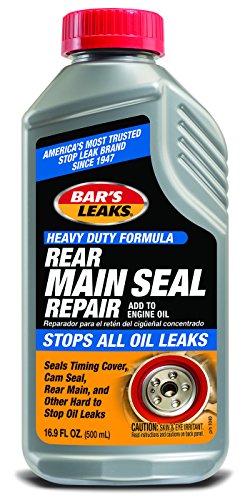
| Minor Ring/Seal Wear | Use High-Mileage Oil / Additive | $20 – $50 (per oil change) | Very Low (Temporary) |

FAQs About why is my car burning oil but not leaking
Is it normal for a car to burn some oil?
Yes, it is normal for most engines to burn a small amount of oil between changes. Manufacturers often consider consumption of up to one quart every 1,000-1,500 miles to be within acceptable limits, especially on turbocharged or high-performance engines. Excessive consumption is when you need to add oil more frequently than that.
Can I just keep adding oil instead of fixing the problem?
For minor consumption in an older, lower-value car, this can be a temporary management strategy. However, it’s not a fix. Continuously burning oil can eventually damage your catalytic converter and oxygen sensors, leading to more expensive repairs and failed emissions tests. It’s a trade-off between the cost of oil and the cost of eventual, more significant repairs.
Will using thicker oil stop my car from burning oil?
Using a slightly thicker oil, such as switching from 5W-20 to 5W-30, can sometimes reduce the rate of oil consumption, but it is not a permanent fix. Thicker oil has a harder time seeping past worn seals and rings. Always consult your owner’s manual for acceptable oil viscosities, as using oil that is too thick can cause other lubrication problems.
My car burns oil but there is no smoke. Is that possible?
Yes, it is entirely possible, especially if the oil consumption is slow to moderate. Modern catalytic converters are very efficient and can burn off small amounts of oil before any visible smoke exits the tailpipe. A lack of smoke does not mean you don’t have a problem; it just means the problem may not be severe yet.
How can I tell the difference between burning oil and a head gasket leak?
The primary signs of a head gasket leak involving oil are different. While a blown head gasket can cause oil to burn (with blue smoke), it more commonly results in milky, frothy-looking oil on the dipstick from oil mixing with coolant. It can also cause the engine to overheat. Burning oil from rings or seals typically does not involve coolant contamination.
Key Takeaways: Why Your Car Is Burning Oil But Not Leaking
- Internal vs. External: Burning oil without a leak points to an internal engine issue where oil enters the combustion chamber, not a drip onto the ground.
- Top Causes: The most common culprits are worn piston rings, degraded valve seals, or a faulty PCV valve, each with distinct symptoms.
- Diagnostic Clues: A puff of smoke on startup often indicates valve seals, while smoke during acceleration points to piston rings.
- Check This First: Always investigate the PCV valve first; it is the cheapest and easiest potential fix for excessive oil consumption.
- Cost Varies Widely: Repairs can range from under $100 for a PCV valve to over $3,000 for a piston ring job, so proper diagnosis is critical.
- No Smoke Doesn’t Mean No Problem: A modern catalytic converter can hide minor to moderate oil burning, so a dropping dipstick level is the most reliable indicator.
- Temporary vs. Permanent: While thicker oil or additives can slow consumption, they are not a substitute for mechanical repair of the underlying worn components.
Final Thoughts on Diagnosing Oil Consumption
Navigating the issue of a car burning oil without a visible leak can feel daunting, but by understanding the key symptoms, you are now equipped to have an informed conversation with a mechanic. Differentiating between smoke on startup versus smoke on acceleration, and performing a simple check on your PCV valve, can help narrow down the possibilities significantly.
While temporary solutions like thicker oil can provide a short-term band-aid, they don’t address the root cause. If your vehicle is consuming a significant amount of oil, the best course of action is to seek a professional diagnosis. Addressing the issue early can prevent a domino effect of damage to other expensive components like your catalytic converter and ultimately protect the longevity of your engine.
Last update on 2026-03-20 / Affiliate links / Images from Amazon Product Advertising API