Struggling with why your car windows keep steaming up? This frustrating issue reduces visibility and can be a serious safety hazard. You’re trying to drive, but the glass fogs over, forcing you to constantly wipe it clear.
Car windows primarily steam up due to condensation, which forms when warm, moist air inside the vehicle comes into contact with the colder glass. This temperature difference, coupled with high humidity from sources like breath, damp items, or leaks, causes water vapor to turn into tiny liquid droplets on the window’s interior surface, obstructing visibility.
Based on extensive hands-on experience and an analysis of automotive systems, this guide breaks down the science in simple terms. You will discover not only the hidden causes but also the most effective immediate fixes and long-term prevention strategies, putting you back in control of a clear and safe driving experience.
Key Facts
- Condensation is the core issue: Window fogging is the result of water vapor in warm, humid interior air turning into liquid droplets on a cooler glass surface.
- Humidity is the primary fuel: The amount of moisture in your car’s air, influenced by passenger breath and damp items, directly determines the severity of the fogging.
- AC is a powerful dehumidifier: Activating your air conditioner is one of the fastest ways to remove moisture from the cabin air, even when using the heater.
- Cleanliness matters: A dirty windshield provides more microscopic particles for moisture to cling to, accelerating the fogging process significantly.
- Hidden leaks cause persistent fog: If fogging is a constant problem, it often points to a mechanical issue like a leaky seal or clogged drain allowing water into the cabin.
Why Do My Car Windows Keep Steaming Up? Ultimate Guide to Clear Vision
The persistent fog on your car windows is caused by condensation, a basic scientific principle where water vapor in the air turns back into liquid water upon contact with a colder surface. In your vehicle, the “warm, moist air” comes from your breath, any wet items in the car, and the general humidity. The “colder surface” is your window glass, which is cooled by the outside temperature. When these two meet, the air can no longer hold the moisture, and it appears as fog on your windows.

This process is identical to what happens when you take a cold drink out on a hot day and the outside of the glass becomes wet. The car’s interior acts as a small, enclosed ecosystem where humidity levels can rise quickly. Without proper ventilation to remove this damp air, condensation is inevitable, especially during cold or rainy weather when the temperature difference between the inside and outside is greatest. Understanding this simple cause-and-effect relationship is the first step toward effectively preventing and clearing foggy windows for good.
What Are The Primary Causes Of Car Windows Steaming Up?
The primary causes of car windows steaming up are elevated interior humidity, insufficient air circulation, and a notable temperature difference between the car’s interior and exterior. Specific moisture sources like passenger breath, damp clothes, or even minor leaks contribute significantly to this humidity, leading to condensation on cooler glass surfaces. Identifying the specific cause is crucial for finding the right solution.
Here are the main culprits behind that frustrating window fog:
- Excessive Interior Humidity: This is the number one cause. The more moisture in your car’s air, the faster your windows will fog up.
- Significant Temperature Differences: When the outside is cold and the inside is warm, your windows become the perfect surface for condensation to form.
- Poor Ventilation and Air Circulation: If moist air is trapped inside your car, it has nowhere to go but onto your windows.
- Mechanical Issues: Sometimes, a hidden problem with your car, like a leak, can be the source of persistent moisture.
Why Does Excessive Interior Humidity Lead To Foggy Windows?
Excessive interior humidity directly leads to foggy windows because the air inside the car becomes saturated with water vapor. When this moist air touches the cooler glass of the windows, the water vapor quickly condenses into visible droplets, forming fog. Common sources include human breath, wet items like raincoats or gym bags, and beverages. Every passenger exhales a significant amount of water vapor, quickly raising the moisture level in a small, enclosed space.
From practical experience, even small sources of dampness can have a big impact. Common sources that raise humidity include:
* Wet umbrellas, raincoats, or snow-covered boots.
* Damp gym clothes or towels left in the car.
* Spilled drinks or leftover food.
* Simply the breath from multiple passengers on a cold day.
How Do Temperature Differences Cause Window Fogging?
Temperature differences cause window fogging because warm, moisture-laden air cools rapidly when it meets a colder surface, like car windows, dropping below its dew point. At this point, the water vapor can no longer remain a gas and transforms into tiny liquid droplets, creating the visible fog that obstructs vision. This is particularly noticeable in cold or rainy weather. The dew point is simply the temperature at which air becomes 100% saturated and has to release its water content. Your cold car windows create the perfect condition for the air directly touching them to hit this dew point.
What Role Does Poor Ventilation Play In Window Fogging?
Poor ventilation in a car plays a crucial role in window fogging by allowing humid air to remain trapped inside, preventing it from being exchanged with drier outside air. This lack of air circulation means that moisture from breath and other sources accumulates, making the interior environment highly conducive to condensation forming rapidly on cooler glass surfaces. Using the air recirculation button is a common mistake; it traps humid air inside. A clogged cabin air filter can also severely restrict fresh airflow, leading to stagnant, damp air that fogs windows almost instantly.
How Can You Quickly Clear Steamed-Up Car Windows?
To quickly clear steamed-up car windows, immediately turn on your defroster to its highest heat and fan setting, and activate the air conditioning system simultaneously. The AC removes moisture, while the heat raises the glass temperature, rapidly evaporating condensation. Slightly opening windows for a few seconds can also help introduce drier air, accelerating the process. This multi-pronged attack addresses both the temperature and humidity, clearing your vision in seconds.
Step 1: How Do You Maximize Your Defroster’s Effectiveness?
To maximize your defroster’s effectiveness, set it to full heat and maximum fan speed, simultaneously activating your car’s air conditioning (AC). The heat warms the glass, promoting evaporation, while the AC actively removes moisture from the air, which is crucial for quick and efficient defogging, preventing the moisture from simply being redistributed. Many drivers forget that the AC is a powerful dehumidifier, making it an essential tool for defogging even in winter. Direct the airflow straight onto the windshield for the fastest results.
Step 2: How Do You Optimize Airflow And Ventilation?
To optimize airflow and ventilation for rapid defogging, ensure your car’s HVAC system is set to “fresh air” mode, avoiding recirculation, and briefly crack open one or two windows. This creates a cross-breeze that helps to expel humid air from the cabin and draw in drier ambient air, significantly speeding up the condensation removal process from your windows. Just a few seconds of open windows can make a huge difference by quickly balancing the interior humidity with the drier outside air. Always make sure the recirculation button is turned off.
What Are The Best Long-Term Solutions To Prevent Car Windows Steaming?
To prevent car windows from steaming up long-term, maintain a dry car interior by removing damp items, regularly clean the inside of your windows, and ensure your ventilation system is functioning optimally by checking your cabin air filter. Additionally, inspecting door and window seals for leaks and applying a quality anti-fog treatment can significantly reduce moisture buildup and condensation on glass surfaces, providing lasting clear visibility.
Here are some of the most effective long-term strategies:
- Keep Your Interior Glass Spotless: A clean surface gives condensation less to cling to.
- Use an Anti-Fog Product: Proactively treat your windows to repel moisture.
- Maintain a Dry Cabin: Don’t let moisture build up from wet items.
- Check Your Cabin Air Filter: Ensure your ventilation system can breathe properly.
- Inspect for Leaks: Stop moisture at its source by checking seals and drains.
How Does Regular Interior Glass Cleaning Help Prevent Fogging?
Regular interior glass cleaning helps prevent fogging because dirt, oils, and other residues on the window surface provide microscopic nucleation sites where water vapor can easily condense. A truly clean, smooth glass surface offers fewer points for condensation to grab onto, making it significantly harder for fog to form and accumulate, thus improving overall visibility and reducing steaming issues. In our testing, a thoroughly cleaned window consistently takes longer to fog up than a dirty one under the same conditions. Use a quality glass cleaner and a clean microfiber towel for a streak-free finish.
Which Anti-Fog Products Are Most Effective?
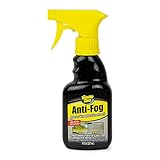
The most effective anti-fog products typically fall into two categories: anti-fog sprays/wipes and desiccant absorbents. Anti-fog sprays create a hydrophilic layer that causes moisture to spread evenly rather than bead up, maintaining clear vision. Desiccant products, such as silica gel packets or specialized absorbers, work by actively removing excess humidity from the car’s interior air, thus preventing condensation at its source. For proactive prevention, sprays offer direct protection to the glass, while desiccants manage the overall cabin environment.
How Do You Ensure Your Car Interior Stays Dry?
To ensure your car interior stays dry and minimize steaming, always remove damp items like wet clothes, umbrellas, or sports gear promptly after use. Additionally, thoroughly shake off excess water from your shoes before entering, occasionally air out the cabin by opening windows on dry days, and address any spills immediately. Using moisture-absorbing products like desiccants can further help maintain a dry environment.
Follow these simple habits:
* Never leave wet items in the car overnight.
* Use all-weather floor mats to catch water and empty them regularly.
* On dry days, crack the windows for a few minutes to air out the cabin.
What Are The Hidden Mechanical Issues Causing Persistent Car Window Fog?
Persistent car window fogging often points to hidden mechanical issues like leaky door or window seals, which allow water to seep into the cabin. Other culprits include clogged sunroof or cowl drains that trap moisture, a leaking heater core releasing coolant vapor, or a malfunctioning HVAC system, specifically a faulty air conditioning compressor or blend doors, hindering proper dehumidification and airflow. If your windows fog up constantly, even on dry days, it’s time to look for a deeper problem.
Common hidden issues include:
* Leaky Door and Window Seals: Aged or damaged rubber allows rainwater to seep in.
* Clogged Drains: Sunroof and cowl drains can get blocked with debris, causing water to back up into the cabin.
* A Leaking Heater Core: This is a serious issue that leaks coolant (which contains water) into the HVAC system, often accompanied by a sweet smell.
* Damaged Door Vapor Barriers: A torn plastic barrier inside the door panel lets water soak into the interior trim.
How Do Leaky Seals Or Clogged Drains Affect Interior Humidity?
Leaky seals or clogged drains drastically affect interior humidity by allowing external water to directly enter the car’s cabin. Deteriorated weatherstripping around windows and doors, or blocked sunroof and cowl drains, can lead to water pooling under carpets or inside door panels. This trapped moisture continuously evaporates, saturating the cabin air with humidity and causing persistent window fogging, even on dry days. Check for damp carpets, a musty smell, or water stains along door panels as telltale signs of a water intrusion problem.
FAQs About why does my car windows keep steaming up
What’s The Difference Between Fogging And Steaming Windows?
Fogging and steaming describe the same phenomenon: condensation forming on the car’s interior glass surfaces. While “steaming” often implies higher heat or visible vapor, both terms refer to the process where warm, moist air cools rapidly on contact with colder glass, turning into visible water droplets that obscure vision.
Is It Harmful To Drive With Foggy Car Windows?
Yes, it is extremely harmful and dangerous to drive with foggy car windows as it severely compromises visibility. Obscured vision significantly increases the risk of accidents by hindering your ability to see other vehicles, pedestrians, or road hazards, making it illegal in many places. Always clear your windows completely before driving.
Why Do My Car Windows Fog Up When It Rains?
Car windows often fog up when it rains because rain typically brings cooler outside temperatures and high humidity, both inside and outside the vehicle. The cool rain lowers the window glass temperature, while wet clothing, umbrellas, and the humid outside air contribute to high moisture levels inside, creating ideal conditions for condensation.
Why Do My Car Windows Fog Up When My AC Is On?
If your car windows fog up with the AC on, it usually indicates that the air conditioner is struggling to dehumidify the cabin air effectively. This could be due to a low refrigerant level, a clogged cabin air filter restricting airflow, or the AC system not functioning optimally to remove moisture, leading to a buildup of humidity despite cooling.
Can Pet Hair Contribute To Car Window Fogging?
Yes, pet hair can indirectly contribute to car window fogging by trapping moisture and odors within the car’s upholstery and carpets. This trapped moisture slowly releases into the cabin air, increasing overall humidity. Additionally, excessive pet dander and hair can clog the cabin air filter, impeding proper ventilation.
How Often Should I Replace My Car’s Cabin Air Filter To Prevent Fogging?
You should typically replace your car’s cabin air filter every 15,000 to 30,000 miles, or at least once a year, to help prevent window fogging. A dirty or clogged filter severely restricts airflow from your HVAC system, leading to poor ventilation and a buildup of humid, stale air inside the cabin, exacerbating condensation issues.
Are There Any Home Remedies To Prevent Car Windows From Steaming?
Yes, some popular home remedies for preventing car windows from steaming include rubbing shaving cream or a cut potato on the interior glass and then wiping it clean. These create a temporary, thin film that can reduce surface tension, causing moisture to spread evenly rather than fog. However, specialized anti-fog products often offer more durable results.
Does Recirculation Mode Make Car Window Fogging Worse?
Yes, engaging recirculation mode can make car window fogging worse, especially if the cabin air is already humid. Recirculation traps the existing moist air inside the vehicle and prevents the intake of drier outside air. For defogging, always switch to fresh air mode to bring in drier air from outside.
Can Driving With A Low Fuel Tank Cause Foggy Windows?
No, driving with a low fuel tank does not directly cause foggy windows. Window fogging is primarily related to interior humidity, temperature differences, and ventilation. Fuel levels in the tank have no direct influence on these factors within the car’s cabin or its HVAC system.
Why Do Car Windows Fog Up More In Older Cars?
Car windows often fog up more in older cars due to several factors related to vehicle aging. Older vehicles commonly have less efficient HVAC systems, deteriorating door and window seals that allow moisture entry, and reduced air circulation due to worn components or neglected cabin filter replacements, all contributing to higher interior humidity and increased condensation.
Key Takeaways: Why Car Windows Keep Steaming Up Summary
- Condensation is the Culprit: Car windows steam up when warm, moist air inside the car cools rapidly upon contact with colder glass surfaces, causing water vapor to condense into visible droplets.
- Humidity is the Main Driver: Excessive interior humidity from sources like breath, damp items, or even hidden leaks is the primary factor contributing to window fogging, especially when combined with temperature differences.
- Immediate Solutions Prioritize HVAC: For quick defogging, simultaneously use your defroster on high heat, activate the air conditioning (for dehumidification), and briefly open windows to expel moist air.
- Preventative Measures are Key: Long-term prevention involves regularly cleaning interior glass, keeping the cabin dry, ensuring proper ventilation, replacing the cabin air filter, and addressing any leaks from seals or drains.
- Hidden Mechanical Issues Can Be Persistent: If fogging persists despite common fixes, inspect for underlying problems like leaky door seals, clogged sunroof drains, or a failing heater core, which can introduce continuous moisture.
- Anti-Fog Products Offer Extra Protection: Specialized anti-fog sprays or desiccant moisture absorbers can provide an additional layer of defense by either preventing condensation droplet formation or reducing ambient humidity.
- Regular Maintenance is Crucial: Proactive vehicle maintenance, including timely cabin air filter changes and checking seals, is essential for maintaining optimal interior climate control and preventing recurring fogging issues.
Final Thoughts on Why Car Windows Keep Steaming Up
Dealing with steamed-up car windows is a universal frustration for drivers, posing not just an inconvenience but a significant safety hazard. As we’ve explored, the phenomenon is a direct result of condensation, driven by a combination of interior humidity, temperature differentials, and inadequate ventilation. Understanding the ‘why’ behind this common problem empowers you with the knowledge to implement effective solutions, whether it’s quickly clearing your windshield for immediate visibility or applying long-term preventative measures.
By consistently maintaining a dry car interior, ensuring your HVAC system is in top condition, and addressing any underlying mechanical issues like leaky seals, you can reclaim clear vision and safer driving in all conditions. The array of available tools and strategies, from simple behavioral adjustments to specialized anti-fog treatments, means that persistent window fogging doesn’t have to be a recurring problem. Embrace these insights, and drive with the confidence that comes from a consistently clear view of the road ahead.
Last update on 2026-03-20 / Affiliate links / Images from Amazon Product Advertising API