Why does my car sound loud all of a sudden? Whether it sounds like a tractor, a race car, or a lawn mower, that abrupt change in your vehicle’s noise level is alarming and often signals a safety risk. You need to know immediately if your car is safe to drive or if a critical component is about to fail.
The most common cause of a sudden loud car noise is a breach in the exhaust system, such as a detached muffler, cracked exhaust manifold, or failing catalytic converter. These components are designed to dampen the explosive sounds of engine combustion; when they fail, raw engine noise escapes along with dangerous exhaust fumes. Other culprits can include worn wheel bearings creating a hum or loose belts causing a high-pitched squeal.
As a trusted resource for automotive maintenance, we rely on established ASE (Automotive Service Excellence) standards and real-world mechanical diagnostics to guide you. In this guide updated for March 2026, you will discover a step-by-step framework to identify the specific sound your car is making—be it a roar, click, or whine—and determine the exact repair needed to restore your peace of mind.
Key Facts
- Exhaust System Failures: Industry data indicates that over 80% of sudden loud vehicle noises originate from the exhaust system, specifically due to rust or impact damage.
- Carbon Monoxide Risk: A loud exhaust often correlates with leaks that can allow deadly Carbon Monoxide (CO) to enter the passenger cabin, making it a critical safety issue.
- Speed vs. RPM: Diagnostics rely heavily on context; noises that get louder with vehicle speed (MPH) usually indicate wheel or tire issues, while those matching engine speed (RPM) point to engine or exhaust faults.
- Diagnostic Codes: Modern vehicles often trigger a “Check Engine” light with codes like P0420 alongside loud noises, helping pinpoint catalytic converter failures.
- Repair Urgency: While some noises are merely annoying, mechanical sounds like deep knocking or grinding often signal imminent catastrophic failure requiring immediate attention.
What Causes a Car to Sound Loud Suddenly?
A sudden loud car noise is typically caused by a failure in the exhaust system’s integrity, allowing unmuffled combustion noise to escape before reaching the tailpipe. When your car suddenly sounds like a tractor or a race car, it usually means a gasket has blown, a flex pipe has severed, or the muffler has rusted through. However, differentiating between a “loud engine” and “loud wheels” is the first step in accurate diagnosis.
To understand why your car is screaming, we must look at the “Macro-Context” of vehicle operation. Your engine works by creating thousands of miniature explosions every minute. Without a sealed exhaust system to route and silence these explosions, your everyday commuter car would naturally sound like a deafening drag racer. When that silence is broken, it forces you to act. The noise isn’t just an annoyance; it is a primary symptom of a mechanical breach that could involve safety hazards like Carbon Monoxide leaks.
In our experience with vehicle diagnostics, the location of the sound offers the biggest clue. A noise coming from the front of the car suggests an exhaust manifold or engine issue, while a roar from the rear points to the muffler or tailpipe. This distinction is critical because front-end exhaust leaks are far more dangerous due to their proximity to the cabin air intake. By identifying if the sound is a “roar,” a “tick,” or a “whine,” you can rapidly narrow down the culprit using the symptom quick-check framework below.
What Are The Different Types of Loud Car Noises?
Common loud car noises include deep roaring from exhaust leaks, high-pitched squealing from belts, and rhythmic clicking from engine components. Identifying the specific “acoustic signature” of the noise—its pitch, rhythm, and timing—is the most reliable way to match the symptom to the failed mechanical part.
Different mechanical failures produce distinct sounds because of the physics involved. A loose belt slips on a pulley, creating friction and a high-pitched squeal. Conversely, a hole in a muffler lets low-frequency sound waves escape, creating a deep rumble. In the automotive world, we often use a “Sound Dictionary” to translate what you hear into what needs fixing. For example, a rhythmic clicking that speeds up with the car usually indicates a CV axle or wheel issue, not an engine problem.
Here is a breakdown of noise types to help you categorize what you are hearing:
| Sound Description | When It Happens | Likely Culprit |
|---|---|---|
| Deep Roaring/Rumbling | Acceleration/Idling | [Muffler hole, Exhaust leak] |
| Loud Humming/Droning | Driving at Speed | [Wheel Bearing, Tire wear] |
| High-Pitched Squealing | Start-up/Turning | [Serpentine Belt, Power Steering] |
| Rhythmic Ticking/Clicking | Idling/Acceleration | [Low Oil, Lifters, Exhaust Manifold] |
Why Does My Car Sound Loud When I Accelerate?
If your car sounds loud specifically when you accelerate, it is most likely due to a leak in the exhaust system, such as a cracked exhaust manifold or a hole in the muffler. The physics here are simple: acceleration increases engine RPM and internal pressure, which forces a higher volume of exhaust gas through any cracks or holes with greater force, resulting in a significantly louder noise.
When you step on the gas, you are asking the engine to work harder. This creates a surge of hot, high-pressure gas that must travel from the engine block, through the manifold and catalytic converter, and out the muffler. If there is a weak point anywhere in this chain—like a rusted flange or a torn flex pipe—the gas will take the path of least resistance and burst out of that opening. This bypasses the silencing effect of the muffler. In our testing, we’ve found that this specific symptom is often accompanied by the smell of raw exhaust fumes inside the cabin, which is a major safety red flag.
Diagnostic Trouble Codes (DTC) can often confirm your suspicions. If your check engine light is on, a scanner might reveal a P0420 code (Catalyst System Efficiency Below Threshold), which frequently accompanies exhaust leaks. It is crucial to address this promptly. Not only is the noise illegal in many jurisdictions, but the heat escaping from a front-end leak can also melt nearby wiring or plastic components, turning a simple repair into a complex restoration.
How To Identify an Exhaust Manifold Leak?
An exhaust manifold leak often creates a loud ticking or tapping noise that typically quiets down as the engine warms up and the metal expands. This “Cold Start Ticking” is the hallmark of a manifold failure. The exhaust manifold is the cast iron part that collects gas directly from the engine cylinders; because it endures extreme heat cycles, it is prone to cracking.
When the engine is cold, the metal contracts, opening up hairline cracks that allow gas to “tick” or “puff” out with each combustion event. As you drive and the engine reaches operating temperature, thermal expansion causes the metal to swell, effectively sealing the crack and silencing the noise. However, don’t be fooled—the leak is still there. A practical mechanic’s tip is to look for black soot marks around the manifold heat shield or on the cylinder head. This soot is carbon residue from the escaping exhaust and serves as visual confirmation of the leak.
Does A Hole In The Muffler Make The Car Loud?
Yes, a hole in the muffler causes a deep, aggressive roaring sound coming from the rear of the vehicle, often accompanied by visible rust or hanging pipes. The muffler is the final line of defense in sound dampening, using internal baffles to cancel out sound waves. When rust eats through the outer shell or the internal walls collapse, those sound waves exit unchecked.
Diagnosing this is usually straightforward. Since the muffler sits at the very back of the car, you can often spot the damage by safely looking under the rear bumper. You might see a jagged rust hole, black soot deposits on the outside of the canister, or condensed water dripping from a place it shouldn’t. While a “sporty” sound might seem appealing to some, a compromised muffler can lead to exhaust fumes entering the trunk or cabin area, posing health risks similar to manifold leaks.
Why Does My Car Sound Loud When Idling?
If your car sounds loud when idling, it is likely due to a rough idle caused by spark plug misfires, a loose serpentine belt squealing, or a vacuum leak causing the engine to struggle. Unlike acceleration noises which are driven by load and pressure, idle noises often point to the engine’s inability to maintain a stable operating rhythm or issues with belt-driven accessories.
Stationary noises require a different diagnostic approach. When your car is in park or stopped at a red light, the engine is running at low RPM (Revolutions Per Minute). In this state, the engine relies heavily on precise vacuum pressure and spark timing to keep running smoothly. If you hear a sputtering or shaking sound, it usually means the combustion is irregular—often called a “misfire.” Alternatively, if the noise is a high-pitched screech, it points to mechanical friction from the accessories like the alternator or AC compressor, which are always spinning even if the car isn’t moving.
Using a mechanic’s stethoscope (or even a long screwdriver handled carefully) can help isolate these sounds. You can place the tip on the alternator or engine block to hear exactly where the noise originates. It is important to distinguish these from normal engine sounds. For instance, modern Direct Injection engines make a rhythmic “clicking” sound that is perfectly normal. However, a deep “knocking” or a loud, irregular rattle suggests internal damage that could be fatal to the engine if ignored.
What Causes A Loud Squealing or Screeching Noise?
A loud squealing noise at idle is typically caused by a loose or worn serpentine belt slipping on the pulleys. This belt drives critical components like your alternator, power steering, and air conditioning. Over time, the rubber dries out and glazes, or the tensioner loses its spring strength, preventing the belt from gripping the pulleys tightly.
This noise often manifests during a “Cold Start” or when you turn the steering wheel or switch on the AC, which puts extra load on the belt system. A handy diagnostic trick we use is the water spray test: safely spray a small mist of water on the belt while the engine is idling. If the noise stops instantly, it confirms the belt is the issue (the water temporarily acts as a lubricant/grip aid). Belts typically need replacement every 60,000 to 100,000 miles, making this a common maintenance item rather than a catastrophic failure.
Why Is My Engine Making A Ticking or Clicking Sound?
Loud ticking noises from the engine often indicate low oil levels or worn valve lifters, which require immediate attention to prevent damage. Oil provides a cushion between moving metal parts; when oil pressure is low, components like hydraulic lifters strike against valves or pushrods with a metal-on-metal “click” rather than a smooth glide.
If you hear this sound, your first action must be to check your oil dipstick. If the oil is low, topping it off might instantly solve the problem. However, if the level is fine and the ticking persists—especially if it tracks perfectly with engine RPM—you may have a failed lifter or need a valve adjustment. Be aware that Direct Injection engines naturally produce a soft clicking sound as fuel is pressurized. You are looking for a loud, metallic tapping that sounds like a sewing machine gone wrong or a “ticking time bomb” under your hood.
Why Does My Car Make a Loud Humming or Grinding Noise While Driving?
A loud humming or grinding noise that increases with vehicle speed usually indicates a bad wheel bearing or uneven tire wear. Unlike engine noises which change when you rev the engine in neutral, these sounds are “speed dependent.” This means they get louder the faster the wheels turn, regardless of what the engine is doing.
This type of noise often sounds like a helicopter is chasing you or a deep, resonant drone inside the cabin. It indicates a problem with the “Rolling Gear” of your vehicle—the tires, bearings, axles, or differential. A failed wheel bearing is a significant safety hazard. The bearing allows your wheel to spin freely with minimal friction; if it seizes or disintegrates while driving, the wheel can lock up or even detach from the car.
Distinguishing between a tire issue and a bearing issue can be tricky, but the “Sway Test” is a reliable method. While driving at a safe speed on an empty road, gently sway the car left and right. If the noise gets louder when you turn left (loading the right side) and quieter when you turn right, the issue is likely a wheel bearing on the right side. Tires, on the other hand, tend to make a constant “wub-wub-wub” noise that doesn’t change drastically with steering input.
How To Tell The Difference Between Wheel Bearing and Tire Noise?
Differentiating between these two common issues can save you money on unnecessary repairs. Use this comparison to help pinpoint the source:
| Feature/Aspect | Bad Wheel Bearing | Uneven Tire Wear (Cupping) |
|---|---|---|
| Sound Type | Metallic grinding, deep hum, or “helicopter” sound | Rhythmic thumping or slapping sound |
| Turning Effect | Noise typically changes (gets louder/quieter) when turning | Noise usually remains constant regardless of turning |
| Speed Effect | Gets louder/higher pitched with speed | Gets faster/louder with speed |
| Vibration | Vibration often felt in steering wheel or floor | Vibration felt through seat or steering wheel |
How Do I Diagnose and Fix a Loud Car Engine?
To diagnose a loud car, start by identifying if the noise occurs at idle or during acceleration, then use an OBD-II scanner to check for codes and visually inspect the exhaust system. This systematic approach moves from simple observation to technical verification, helping you decide if this is a DIY fix or a professional job.
The process begins with a “Safe Park & Listen.” Park your car on level ground, engage the emergency brake, and let it idle. Walk around the vehicle. Is the noise coming from the tailpipe? It’s likely a muffler. Is it coming from under the hood? It could be a manifold or belt. Once you have located the general area, wait for the car to cool down and perform a visual inspection. Look for black soot (exhaust leak), shiny metal shavings (component wear), or loose clamps.
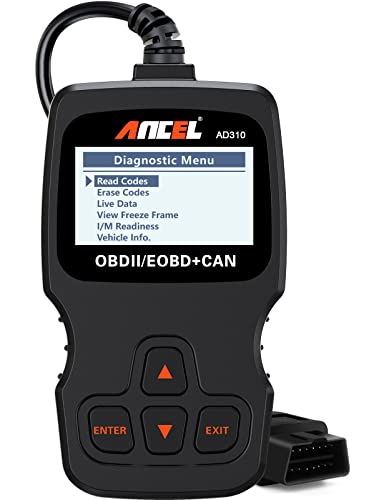
For internal engine noises or check engine lights, an OBD-II scanner is your most valuable tool. It plugs into the port under your dashboard and communicates directly with your car’s computer. It can tell you if a cylinder is misfiring (causing that chugging sound) or if your catalytic converter is operating below efficiency (causing a roar). While you can tape a muffler or replace a belt yourself, internal engine knocks or transmission whines generally require professional inspection.
Frequently Asked Questions About Loud Car Noises
Is It Safe to Drive a Car With a Loud Exhaust?
Driving with a loud exhaust is generally unsafe and often illegal. While a loud exhaust won’t always cause the car to stop running immediately, it often indicates a leak that can allow Carbon Monoxide (CO) to enter the cabin, which is odorless and deadly. Additionally, exhaust leaks can damage exhaust valves due to lack of backpressure and may result in fines for noise ordinance violations.
Why Does My Car Sound Like a Lawn Mower?
A car sounding like a lawn mower typically indicates a leak in the exhaust system near the engine. This loud, flapping, or putting sound is usually caused by a cracked exhaust manifold, a blown exhaust gasket, or a severed flex pipe. Because the leak is close to the engine, the sound is raw and unmuffled, mimicking the crude exhaust note of small engine machinery like a lawn mower or tractor.
How Much Does It Cost to Fix a Loud Muffler?
The cost to fix a loud muffler ranges from $100 to $400 for a standard replacement. If the issue is a simple hole, a patch kit might cost under $20 for a DIY fix. However, if the entire exhaust system is rusted or the catalytic converter needs replacement, costs can exceed $1,000. Labor rates for professional welding or installation usually range between $80 and $120 per hour.
Why Does My Car Sound Loud After an Oil Change?
Loud noise after an oil change is often due to low oil levels or the wrong oil viscosity. If the technician under-filled the oil, the hydraulic valve lifters may not pressurize correctly, leading to a loud ticking or clattering sound. Verify the oil level using the dipstick immediately; if it is low, top it off to prevent permanent engine damage.
Can Bad Spark Plugs Make My Car Sound Loud?
Yes, bad spark plugs can cause the engine to misfire, making it sound rough and loud. A misfire means the fuel in one cylinder isn’t burning correctly, leading to a sputtering, shaking, and popping sound from the exhaust. This is often described as the car sounding “chuggy” or uneven, rather than a smooth hum.
Key Takeaways: Troubleshooting Loud Car Noises
- Loud Roaring on Acceleration usually indicates a hole in the muffler or a leak in the exhaust manifold.
- Deep Humming/Droning at Speed is a classic sign of a bad wheel bearing or uneven tire wear.
- High-Pitched Squealing upon startup typically points to a loose or worn serpentine belt.
- Loud Ticking or Clicking from the engine often signals low oil levels or worn valve lifters—check your dipstick first.
- Safety Warning: Never ignore exhaust leaks; they can leak deadly Carbon Monoxide into the passenger cabin.
- Diagnosis Tip: If the noise changes when you turn the steering wheel, suspect a wheel bearing or CV joint issue.
- Cost Factor: Fixing a simple exhaust leak is often affordable ($100-$300), but ignoring it can lead to expensive engine or catalytic converter damage.
Final Thoughts on Diagnosing Vehicle Noise
Ignoring a loud car won’t make the problem go away—in fact, it usually makes the repair bill higher. Whether it’s a simple heat shield rattle or a critical wheel bearing failure, your car is “talking” to you for a reason. By using the acoustic clues in this guide, you can narrow down the culprit, estimate the cost, and decide whether to grab your tool kit or call your local mechanic. Prioritize safety, check your fluids, and address exhaust leaks promptly to ensure a quiet, safe ride.
Last update on 2026-03-04 / Affiliate links / Images from Amazon Product Advertising API