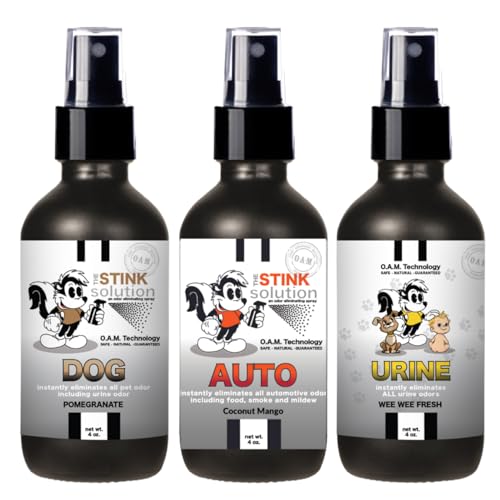
Wondering why your car smells like pee? You’re not alone, and it’s a frustrating problem that can make any drive unpleasant. That distinct, sharp odor can be confusing and concerning, leaving you questioning its source.
The most common reasons for a car smelling like pee are mold or bacteria growth in the air conditioning system, particularly on the evaporator coil, and clogged AC drain tubes leading to moisture buildup. This creates an ideal environment for microbial growth which emits a distinct ammonia-like odor that mimics the smell of urine.
Based on extensive analysis of automotive repair data and expert findings, this guide provides a systematic approach to diagnosing the cause. You will discover exactly how to pinpoint the source of the smell, from microbial growth in the car AC system to other potential culprits. We will cover proven solutions and preventive measures to ensure the odor is gone for good.
Key Facts
- Microbial Growth is the Top Culprit: The urine-like smell is most often caused by mold and bacteria releasing ammonia-like gases, not actual animal urine, according to automotive expert analysis.
- The Evaporator Coil is Ground Zero: Your car’s AC evaporator coil creates condensation, providing the perfect damp, dark environment for odor-causing microbes to thrive.
- Humidity is a Major Factor: Industry analysis reveals that cars in humid climates are significantly more prone to AC mold growth and related odors due to increased ambient moisture.
- Clogged Drain Tubes Trap Water: A blocked AC drain tube prevents condensation from escaping, leading to water stagnation inside the HVAC box, which accelerates mold and bacteria proliferation.
- The Smell is a Symptom, Not the Cause: A foul odor from the vents is a clear indicator of an underlying issue within the HVAC system that requires cleaning and maintenance to resolve.
Why Does Your Car Smell Like Pee? Common Causes Diagnosed
A urine-like smell in your car is almost always a sign of microbial growth—specifically mold and bacteria—flourishing within your vehicle’s air conditioning (HVAC) system. This issue is incredibly common and stems from moisture that gets trapped inside the dark, enclosed spaces of the AC components. Automotive experts confirm that this damp environment is a perfect breeding ground. When these microbes multiply, they release metabolic byproducts, including ammonia, which has a chemical signature very similar to urine or cat pee.

This foul odor is then blown directly into your cabin through the vents whenever you use the fan, AC, or even the heater. While there are other less common causes, the primary sources are almost always related to the car’s HVAC system. Common findings point to a few key culprits:
- Mold and Bacteria on the Evaporator Coil: This is the most frequent cause. The evaporator coil gets very cold to cool the air, causing condensation to form on it. If this moisture doesn’t drain properly, it fuels microbial growth.
- Clogged AC Drain Tube: Every car has a drain tube to let this condensation drip out underneath the vehicle. If it gets clogged with dirt or debris, water backs up into the HVAC system, creating a stagnant swamp.
- Dirty Cabin Air Filter: The cabin air filter can trap moisture, leaves, and other organic material, turning into a petri dish for mold and mildew.
What Causes A Car To Smell Like Urine When The AC Is On?
The main reason your car smells like urine when the AC is on is the accumulation of condensation on the evaporator coil. This component, which is part of your car air conditioning system, functions like a small radiator that gets cold to cool the air passing over it. This process naturally pulls moisture from the air, which collects on the coil’s fins. Like a damp sponge left in a dark space, this provides a perfect breeding ground for mold and bacteria. These microorganisms release metabolic byproducts, often containing ammonia, that smell like urine.
Several factors contribute to this issue:
* Moisture Collection: The fundamental operation of the AC creates water.
* Dark Environment: The inside of your dashboard is dark, which mold loves.
* Trapped Debris: Dust, pollen, and other particles can stick to the damp coil, providing food for microbes.
* Recirculation Mode: Using the recirculation setting frequently can trap humidity and respiratory bacteria inside the cabin, concentrating it within the system.
What Causes A Car To Smell Like Urine When It Rains Or Is Humid?
Increased external moisture from rain or high humidity can worsen a urine-like car smell by amplifying condensation within the HVAC system. When the air outside is already saturated with water, your AC system has to work harder to dehumidify the air entering the cabin. This leads to even more condensation forming on the evaporator coil. Furthermore, the high ambient humidity prevents the wet components inside your HVAC system from drying out properly after you turn the car off. This creates an even more favorable environment for existing mold and bacteria to thrive and release pungent odors. You might notice the smell is particularly strong when the weather turns damp because the entire system is struggling to stay dry.
What Causes A Car To Smell Like Urine When The Heater Is On?
When your car’s heater is on, it warms existing mold and bacteria within the HVAC system, making the urine-like smell more pronounced. The heat itself doesn’t create the microbial growth; rather, it makes the volatile organic compounds (VOCs) responsible for the odor more active and easier to detect. This process is known as volatilization. Essentially, the heater is “baking” the odor-causing microbes that are living in the moisture left behind by the AC system, causing them to release their smelly gases more intensely. This explains why a problem rooted in the air conditioning system can become noticeable when you are using the heat.
How Do You Pinpoint The Exact Source Of The Urine-Like Smell In Your Car?
To pinpoint the exact source of a urine-like smell, you must follow a systematic approach, noting when the smell appears and inspecting key components. A proper diagnosis is crucial to applying the correct solution. Instead of guessing, use a diagnostic process to narrow down the possibilities from a general foul odor from the vents to a specific component failure. Real-world experience shows this method is the most effective way to identify the odor source.
Here is a step-by-step diagnostic checklist to guide your inspection:
- Characterize the Smell: First, pay close attention to the odor itself. Is it musty and earthy, like a damp basement? This points directly to mold or mildew in the AC system. Is it a sharp, pungent ammonia smell? This can be from severe bacterial growth or, less commonly, actual animal urine.
- Note the Timing: When is the smell strongest?
- Immediately on AC Startup: This strongly suggests mold on the evaporator coil or in the vents.
- During Rainy or Humid Weather: This points to excess moisture in the system or a potential leak.
- When the Heater is On: This indicates the heat is “baking” existing mold in the system.
- Constantly, Even When Off: This might suggest an issue outside the HVAC system, like a spill in the cabin or an actual pest issue.
- Check for Water Drainage: Run your car’s AC on high for 10-15 minutes on a dry day. You should see a steady drip of water from the AC drain tube underneath the car, usually on the passenger side near the firewall. If you don’t see any water, the tube is likely clogged.
- Inspect the Cabin Air Filter: This is often the easiest component to check. A visual inspection can reveal a lot about the health of your car’s air system.
What Are The Key Indicators To Differentiate Between Odor Sources?
To differentiate odor sources, consider these indicators: 1. Smell Type: Mold is musty/ammonia-like; actual urine is sharp/pungent. 2. Timing: AC-related smells often appear when the AC is on or just after; external smells can be constant. 3. Location: Vents suggest HVAC; floorboards suggest an interior spill or external source. Understanding these nuances is a key part of an expert diagnostic process.
| Odor Characteristic | When It Occurs | Probable Source |
|---|---|---|
| Ammonia-like, musty | AC on, or just after use | Mold/Bacteria in AC System |
| Strong, pungent urine | Constant, regardless of AC use | Actual animal urine (pest issue) |
| Sweet, like maple syrup | When the engine is warm | Coolant leak (heater core issue) |
How Do You Visually Inspect Your Car’s AC System Components For Mold?
To visually inspect for mold, you need to access the most common growth areas. While you cannot see the entire system without disassembly, checking a few key spots can confirm your suspicions.
- Locate & Remove the Cabin Air Filter: In most vehicles, the cabin air filter is located behind the glove compartment. Open the glove box, detach any retaining clips or arms, and let it swing down completely. You should see a cover for the filter slot.
- Examine the Filter: Slide the old filter out. Look for visible mold (fuzzy black, green, or white spots), dark discoloration, and dampness. A filter clogged with leaves and debris is also a major red flag for moisture retention.
- Find the AC Drain Tube: Safely look underneath your car. The drain tube is a small rubber or plastic hose, typically located on the passenger side, protruding through the vehicle’s firewall. Ensure its opening is clear of any mud, dirt, or debris.
- Inspect Visible Vents: Using a flashlight, look into the dashboard vents for any visible signs of growth, though this is less common as the primary source is usually deeper within the system.
Is It Really Urine Or Just A Urine-Like Smell In Your Car?
A “urine-like” smell in a car is usually due to mold and bacteria releasing volatile organic compounds (VOCs) that smell like ammonia, a common component of urine, rather than actual animal urine. This is a critical distinction to make for proper cleaning. The microbial growth in your car’s AC system creates a chemical smell that mimics urine. Actual animal urine, from a rodent or a pet accident, has a different composition and often a more pungent, persistent character. Misdiagnosing the source can lead to using the wrong cleaning methods.
How Do You Distinguish Between Mold, Mildew, And Actual Animal Urine?
To distinguish between these sources, look for specific visual and olfactory cues. Each has unique characteristics that an expert would use for diagnosis.
- Mold: Often appears as fuzzy or slimy patches that can be black, green, or even white. It thrives in damp, dark areas like the AC evaporator coil and can produce a strong, ammonia-like odor.
- Mildew: This is a specific type of mold that tends to grow flat. It usually looks like a powdery patch of gray or white. Its smell is typically musty and less sharp than the “urine” smell from other bacteria.
- Actual Animal Urine: This will almost always leave a visible yellowish stain on carpets or upholstery. The smell is uniquely sharp, pungent, and persistent, often worsening with heat and humidity but not directly tied to AC operation.
| Factor | Mold/Bacteria Odor | Actual Urine Odor |
|---|---|---|
| Typical Scent | Ammonia-like, musty, damp, chemical | Sharp, pungent, distinct animal waste |
| Common Location | AC vents, behind dash, cabin filter | Seats, carpets, floor mats, trunk |
| Visibility | Dark spots, fuzzy growth (often hidden) | Yellowish stains, wet spots (visible) |
| Persistence | Varies with AC use and humidity | Constant, often strong even after cleaning |
What Are The Health Implications Of Mold Exposure From Your Car’s AC?
Prolonged exposure to mold from a car’s AC system can cause various health issues, including respiratory problems (asthma exacerbation), allergic reactions (sneezing, runny nose, itchy eyes), headaches, fatigue, and irritation of the skin, eyes, or throat. According to health safety guidelines, inhaling mold spores in a confined space like a car cabin can be particularly problematic. Vulnerable individuals, such as children, the elderly, or those with compromised immune systems, are at an even greater risk. This transforms the odor from a simple annoyance into a legitimate health concern that requires prompt attention.
What Are The Most Effective Solutions For Removing Urine-Like Odors From Your Car?
To effectively remove urine-like odors, your solution must target the source: the microbial growth within the AC system. Simply using an air freshener will only mask the problem temporarily. Effective methods range from simple DIY steps to professional services, depending on the severity of the issue. A systematic approach to cleaning is an industry best practice.
- DIY Solutions: For mild to moderate odors, you can often solve the problem yourself. This involves replacing easily accessible parts and using specialized cleaning products designed to kill mold and bacteria.
- Professional Help: For persistent or severe odors, or if you’re not comfortable with DIY repairs, a mechanic consultation is the best course of action. They have specialized tools and knowledge for a deeper cleaning.
How Do You Clean Your Car’s AC System To Eliminate Odors?
Cleaning your car’s AC system is a multi-step process focused on killing the microbes and removing the source of moisture. This is the most direct way to tackle the smell.
- Replace the Cabin Air Filter: Start by installing a new, clean cabin air filter. This is a critical first step.
- Apply an AC System Cleaner: Purchase an AC cleaning foam or spray specifically designed for automotive use. These products are formulated to kill mold and bacteria. The application method varies by product, but it typically involves spraying the cleaner into the AC intake vents (often located at the base of the windshield) or through the cabin air filter slot.
- Use the Product as Directed: Follow the instructions on the can precisely. This usually involves running the fan on high to draw the cleaner through the entire system, including over the evaporator coil.
- Ventilate and Dry: After the treatment, run the fan on high with the windows open for 10-15 minutes to help circulate air and dry out any remaining cleaning solution and moisture.
How To Replace A Dirty Cabin Air Filter?
Replacing the cabin air filter is one of the simplest and most effective DIY maintenance tasks. It requires no special tools and usually takes less than 15 minutes.
- Locate the Filter Housing: The cabin air filter is most commonly located behind the glove compartment. You may need to unclip the glove box so it can swing down further than usual.
- Access the Filter: Once the glove box is out of the way, you will see a small plastic cover for the filter housing. Unclip or unscrew this cover.
- Remove the Old Filter: Pay close attention to the airflow arrow printed on the side of the old filter as you slide it out. The new filter must be installed in the same orientation.
- Insert the New Filter: Slide the new filter into the slot, making sure the airflow arrow is pointing in the correct direction (it should match the vehicle’s airflow, usually pointing down).
- Reassemble: Secure the filter cover and reattach the glove compartment.
How To Unclog Your Car’s AC Drain Tube?
Unclogging the AC drain tube is crucial for preventing water from backing up into the HVAC system. This task requires you to get underneath your car, so ensure the vehicle is parked on a level surface and stable.
- Locate the Drain Tube: Find the small rubber or plastic hose extending from the firewall, typically on the passenger side of the vehicle. It’s often L-shaped.
- Clear External Debris: First, check the opening for any visible blockages like mud, leaves, or insect nests and clear them away by hand.
- Clear Internal Blockages: If it’s still clogged, you can gently use compressed air to blow the blockage out from the inside. Alternatively, carefully insert a thin, flexible wire (like a piece of a coat hanger) into the tube and gently move it around to break up the clog.
- Confirm Drainage: Once cleared, you should see any backed-up water drain out. Run the AC for a few minutes to confirm that new condensation is dripping properly.
When Should You Seek Professional Mechanic Help For Car Odors?
You should seek professional mechanic help for your car odor if DIY efforts fail, the smell is overwhelmingly strong, or it returns quickly after cleaning. While DIY solutions are effective for many common issues, some problems require specialized equipment and expertise.
Consider calling a mechanic if:
* DIY Cleaning Doesn’t Work: If you’ve replaced the filter and used a cleaning spray but the smell persists, the mold is likely deep within the system.
* The Odor is Persistent and Severe: A very strong smell could indicate a heavy mold infestation or a more complex issue.
* You Suspect a Mechanical Issue: If you smell something sweet (coolant leak) or are experiencing other AC performance problems, a mechanic is needed for diagnosis.
* The Task is Too Complex: Accessing the evaporator coil for a manual cleaning often requires dismantling parts of the dashboard, a job best left to professionals.
How Much Does It Cost To Resolve A Urine-Like Car Smell?
The cost to fix a urine-like car smell varies widely based on the solution. DIY fixes are very affordable, while professional services can be more significant. Cost estimates can change, but as of 2026, you can expect a general range.
| Solution Type | Estimated Cost Range | Who Does It |
|---|---|---|
| DIY Cabin Air Filter Replacement | $15 – $30 | Owner |
| DIY AC Cleaning Spray/Foam | $15 – $40 | Owner |
| Professional AC System Inspection | $75 – $150 | Mechanic |
| Professional AC Deep Cleaning | $150 – $300 | Mechanic |
| Evaporator Coil Replacement | $500 – $1500+ | Mechanic |
What Are The Best Products For Eliminating Car AC Odors?
The best products for eliminating car AC odors are those that chemically neutralize or kill the odor-causing microbes, rather than just masking the smell. Your choice should depend on the severity of the problem and the specific source you’ve identified. The most proven effective products fall into three main categories.
- AC Evaporator Cleaning Foams/Sprays: These are designed to be sprayed directly into the HVAC system to kill mold and bacteria on the evaporator coil.
- Odor Bomb Foggers: These products are released inside the closed car and circulate through the entire cabin and HVAC system to neutralize odors. They are best for a general refresh after the source has been cleaned.
- High-Quality Cabin Air Filters: Upgrading to a filter with activated carbon offers superior, continuous odor filtration.
| Product Type | Key Benefit | Best For |
|---|---|---|
| AC Cleaning Foam/Spray | Direct mold and bacteria elimination on contact | Targeting the source on the evaporator coil and in vents |
| Odor Bomb/Fogger | Whole-cabin and HVAC system odor neutralization | General interior refresh and eliminating lingering smells |
| Activated Carbon Filter | Superior, long-term odor and allergen filtration | Preventive maintenance and reducing existing mild odors |
Which AC Cleaning Sprays And Foams Are Most Effective?
The most effective AC cleaning sprays and foams are those that contain antimicrobial agents or powerful enzymatic formulas. These active ingredients are designed to chemically destroy mold and bacteria, not just cover up the smell. Look for products specifically labeled as an “evaporator cleaner” or “AC system cleaner.” These expert-recommended formulas are pushed deep into the system by the car’s fan, where they foam up to cover the surfaces of the evaporator coil, breaking down the biological source of the urine-like odor.
How Do Cabin Air Filters Impact Odor And Which Ones Are Best?
Cabin air filters are your first line of defense against airborne contaminants and play a crucial role in managing odors. For eliminating unpleasant smells, activated carbon filters are the best choice. A standard particulate filter only traps solid particles like dust and pollen. An activated carbon filter, however, contains a layer of charcoal that absorbs gas-phase odors, volatile organic compounds (VOCs), and other smelly pollutants from the air before they enter your cabin. Upgrading to one is a simple and highly effective step for both preventing and reducing existing smells.

How Can You Prevent Your Car From Smelling Like Pee In The Future?
To prevent your car from smelling like pee in the future, you must focus on proactive maintenance and smart habits that minimize moisture within the AC system. Preventing mold growth before it starts is the most effective long-term solution. Industry best practices show that a few simple, routine actions can keep your car’s HVAC system dry and odor-free.
What Are The Best Practices For Car AC Maintenance?
Best practices for car AC maintenance focus on regular cleaning and system checks to prevent the buildup that leads to odors. This proactive maintenance schedule is a long-term solution.
- Annual Cabin Air Filter Replacement: Replace your cabin air filter every 12,000-15,000 miles, or at least once a year.
- Run the AC Periodically in Winter: Briefly running your AC for about 10 minutes once a month during the winter helps circulate refrigerant and oil, keeping the system lubricated and seals intact.
- Annual System Inspection: Have a mechanic inspect your AC system annually for proper refrigerant levels and potential leaks.
- Proactive Cleaning: Use an AC cleaning spray as a preventive measure every 1-2 years, especially if you live in a humid climate.
How Does Proper Recirculation Mode Usage Affect Odor Prevention?
Proper recirculation mode usage is critical because continuous use traps humid cabin air and respiratory bacteria on the evaporator, promoting mold. The recirculation button is designed for quickly cooling the cabin or blocking outside fumes, but it should not be left on indefinitely. When it’s active, it’s simply recycling the air—and moisture—inside your car. Periodically switching back to “fresh air” mode allows drier outside air to enter the system, helping to dry out the evaporator coil and inhibit microbial growth.
What Should You Do After Driving In Rain Or High Humidity To Prevent Odors?
After driving in rain or high humidity, turn off your AC a few minutes before you reach your destination but leave the fan running on high. This simple but highly effective trick allows the fan to blow air across the cold, wet evaporator coil. This thoroughly dries the component and the surrounding vents, preventing moisture from stagnating inside the dark HVAC system after you park the car. This one habit can dramatically reduce the chances of mold and bacteria taking hold.
Are There Any Car-Specific Or Regional Factors That Affect AC Odors?
Yes, car-specific factors and regional climates absolutely affect AC odors. While the core cause is almost always microbial growth from condensation, some vehicles and environments are more susceptible. Certain vehicle models may have HVAC designs that are inherently more prone to trapping moisture. Furthermore, your geographic location plays a huge role. Understanding these nuances provides a more advanced level of topical authority on the subject.
Do Electric Vehicles Have Unique AC Odor Issues?
Yes, electric vehicles (EVs) can have unique AC odor issues, though they share the same fundamental cause of mold and bacteria. Some EV HVAC systems use heat pumps that can introduce different moisture patterns. Additionally, their AC systems are often integrated with battery thermal management, which can alter how and when condensation forms. While the root cause remains the same, the specific maintenance needs and component locations might differ from gasoline-powered cars, presenting unique odor challenges for owners.
How Do Different Climates Influence Car AC Mold Growth?
Different climates significantly influence the rate and severity of car AC mold growth.
* High Humidity & Warm Temperatures: Regions with tropical or subtropical climates provide a constant supply of warm, moist air, creating the ideal conditions for mold to proliferate rapidly. Cars in these areas require more frequent and diligent AC maintenance.
* Dry Climates: Arid environments naturally reduce the amount of condensation that forms in an AC system, making mold growth much less common.
* Cold Climates: While less AC use in winter reduces moisture, it can also trap moisture from snow or rain if the vehicle is not properly ventilated, sometimes leading to mildew issues.
FAQs About why does my car smell like pee
Can a dirty cabin air filter cause a car to smell like pee?
Yes, a dirty cabin air filter is a very common cause of a urine-like smell in your car, especially if it’s damp or has accumulated mold. The filter traps moisture and organic debris, creating a perfect breeding ground for bacteria and mold. As these microbes grow, they release byproducts that emit a distinct ammonia or musty odor, which is easily mistaken for urine when the AC or fan is running.
Is it normal for my car AC to smell like cat pee?
While not “normal” for a healthy system, it is a widely reported issue, most often caused by mold or bacteria accumulating on the evaporator coil. The smell, often described as ammonia-like, is a byproduct of microbial growth in the damp, dark AC system. It’s a clear signal that the system needs cleaning and maintenance, not an indication of an actual cat problem.
How often should I clean my car’s AC system to prevent odors?
You should perform a preventative cleaning with a specialized foam or spray annually, especially if you live in a humid climate. This, combined with replacing the cabin air filter every 12 months or 12,000 miles, is crucial for odor prevention. For persistent issues, a professional deep cleaning every 2-3 years may be necessary to ensure long-term freshness and air quality.
Can rodents or pests cause a urine smell in my car?
Yes, rodents or other small pests can absolutely cause a real urine smell if they gain access to your car’s interior or engine bay. They might urinate on carpets, in vents, or build nests, leaving behind actual urine and droppings. This type of smell is typically more pungent and persistent than microbial odors and is often accompanied by physical evidence of an infestation.
Why does my car smell like pee only when I turn on the heat?
This is typically because the heat is warming up and volatilizing existing mold or bacteria already present in your car’s HVAC system. The heater itself doesn’t create the mold, but its warmth makes the smelly byproducts released by these microbes more active and detectable. It indicates an underlying moisture and mold issue that the heater is simply making more noticeable.
Can a coolant leak cause a sweet, pee-like smell in my car?
A coolant leak produces a distinctly sweet, maple syrup-like smell, which some may mistake for a “pee-like” odor, though it is chemically different from ammonia. This scent is usually most noticeable when the engine is warm. If you detect a sweet smell, especially with fog on your windshield or low coolant levels, it’s critical to have your car inspected immediately for a potential heater core leak.
How do I dry out my car’s AC system effectively?
The most effective method is to turn off the AC (compressor) button but keep the fan running on high for 5-10 minutes before you park. This circulates ambient air over the cold, damp evaporator coil, drying it thoroughly. This simple habit prevents moisture from stagnating inside the system, which is the primary cause of mold and bacteria growth.
Final Thoughts on Why Your Car Smells Like Pee
The unpleasant odor of urine in your car, while concerning, is a common issue primarily rooted in microbial growth within the car air conditioning system. Understanding that this urine-like smell is most often caused by mold and bacteria on components like the evaporator coil empowers you to tackle the problem effectively. Through systematic diagnosis, which includes identifying the triggers and visually inspecting key areas, you can accurately pinpoint the source.
Whether you opt for DIY solutions like replacing your cabin air filter and using AC cleaning sprays, or seek professional mechanic help for more complex issues, a clear path to resolution exists. Prioritizing these steps not only eliminates the foul odor but also safeguards your health from potential mold exposure. Moving forward, implementing preventive measures such as regular maintenance and mindful AC usage will ensure your vehicle remains fresh and free from unwelcome smells, allowing you to enjoy a comfortable and healthy driving experience. Taking control of your car’s air quality is an investment in both your comfort and well-being.
Last update on 2026-02-01 / Affiliate links / Images from Amazon Product Advertising API