Wondering why your car smells like gas after filling up? You’re right to be concerned, as this often signals an underlying issue that needs immediate attention. That lingering fuel odor is your vehicle’s way of telling you something is wrong.
A persistent gas smell after filling up your car is not normal and often signals a dangerous fuel leak or a fault in the evaporative emissions (EVAP) system. This issue can range from a minor annoyance, like a loose gas cap that allows fuel vapors to escape, to a severe fire hazard caused by liquid gasoline dripping onto hot components.
Based on an analysis of current automotive service data, this guide will help you understand the common causes behind that alarming fuel odor. You will discover exactly how to diagnose the problem safely, from simple visual checks to more advanced diagnostics, and learn when you can fix it yourself versus when you need to call a professional.
Key Facts
- EVAP System is a Common Culprit: A significant portion of post-refueling gas smells are traced back to the Evaporative Emission Control (EVAP) system, demonstrating that the issue is often vapor-related, not just a liquid leak.
- Gas Cap Connection: A loose or faulty gas cap is one of the most frequent triggers for both a gas smell and a “Check Engine” light, as it creates a detectable leak in the EVAP system.
- Fire Hazard is Real: Gasoline has a very low flash point, meaning its vapors can ignite easily. A persistent gas smell indicates the presence of these flammable vapors, creating a significant fire risk that requires immediate action.
- Overfilling Causes Damage: Consistently “topping off” the fuel tank after the pump automatically shuts off can saturate the charcoal canister, a key component of the EVAP system, leading to long-term damage and a persistent fuel odor.
- Health Risks from Fumes: Prolonged inhalation of gasoline fumes can lead to health issues, including headaches, nausea, dizziness, and respiratory irritation, underscoring the importance of resolving the source of the smell quickly.
Why Does My Car Smell Like Gas After Filling Up?
A car smelling like gas after filling up is a serious issue that often indicates a fuel leak or an EVAP system problem, requiring immediate attention. While a faint, temporary whiff of gasoline right at the pump is normal, a strong or persistent raw fuel odor that follows you is a clear warning sign. This smell signifies that either liquid fuel or gasoline vapors are escaping from a system designed to be completely sealed. Ignoring a persistent gas smell can lead to significant safety issues, including fire hazards and potential health risks from fume inhalation.

The problem typically originates from one of three areas: a simple user error during refueling, a failure in the fuel containment system, or a malfunction in the evaporative emissions (EVAP) system. The EVAP system is designed to capture and recycle fuel vapors to prevent them from polluting the atmosphere. A failure in this system is a very common reason for a post-refueling gas smell. Understanding the potential sources is the first step in safely diagnosing and resolving this hazardous issue.
Is a Gas Smell After Filling Up Dangerous? (Safety First)
Yes, a gas smell after filling up can be very dangerous due to the high flammability of gasoline vapors, which can easily ignite and cause a fire. Gasoline is a volatile substance, and its fumes can be ignited by a simple spark from a hot exhaust component or an electrical short. A persistent fuel odor indicates that these flammable vapors are present, creating a significant safety risk that should never be ignored.
Beyond the immediate fire hazard, there are also health concerns. Prolonged exposure to gasoline fumes can lead to a range of health issues, including:
* Headaches and dizziness
* Nausea and vomiting
* Respiratory tract irritation
* In severe cases, long-term exposure can have more serious health consequences.
If you notice a strong smell of gas, it is critical to take immediate safety precautions. Your well-being and the safety of those around you are the top priorities.
Immediate Safety Steps:
1. Do Not Start the Engine: If you smell gas before starting the car, do not turn the key. An electrical spark from the ignition system could ignite the fumes.
2. Park in a Safe, Open Area: If you are already driving, pull over to a safe location away from other vehicles and buildings. Park in a well-ventilated, open-air space.
3. Eliminate Ignition Sources: Do not smoke or use any open flames near the vehicle. This includes lighters, matches, or any device that could create a spark.
4. Ventilate the Vehicle: If the smell is inside the cabin, open the doors and windows to allow the fumes to dissipate.
5. Assess and Call for Help: From a safe distance, try to see if there is a visible puddle of fuel under the car. If the smell is strong or you see a leak, do not attempt to drive the vehicle further. It is best to call for roadside assistance to have it towed to a qualified automotive technician.
What Causes Your Car to Smell Like Gas After Filling Up?
The most common causes for a car smelling like gas after filling up typically fall into three categories: user error during refueling, problems with the fuel filler neck or gas cap, and malfunctions within the evaporative emissions (EVAP) system or a direct fuel system leak. Each of these issues allows highly flammable gasoline vapors or, in more serious cases, liquid fuel to escape from the sealed fuel system. Identifying which category your problem falls into is the key to a successful diagnosis.
From our experience, the issue often starts with the simplest components before moving to more complex systems. Here are the primary culprits we’ll explore in detail:
* User Error: Simple mistakes made during the refueling process.
* Faulty Gas Cap: A compromised seal on the fuel tank.
* EVAP System Failures: Malfunctions in the system that manages fuel vapors.
* Fuel System Leaks: Physical breaches in the lines or components that carry liquid fuel.
How Can Overfilling The Fuel Tank Cause a Gas Smell?
Overfilling your fuel tank can cause a gas smell because excess fuel may spill onto the vehicle’s exterior or saturate the charcoal canister, part of the EVAP system designed to capture fuel vapors. This saturation can temporarily impede the system’s function, leading to a strong, lingering odor until the fuel evaporates. Many drivers “top off” their tank after the pump automatically clicks off, but this is a practice manufacturer guidelines strongly advise against. The automatic shut-off is a safety feature designed to leave a specific amount of air space in the tank for fuel expansion. When you overfill it, that excess gasoline has to go somewhere. It can either spill down the side of your car, creating an immediate smell, or get forced into the EVAP system’s charcoal canister. The canister acts like a sponge for vapors, not liquid fuel. Soaking it can lead to a persistent gas smell and potentially damage the EVAP system, leading to a “Check Engine” light and costly repairs.
To prevent this, follow this simple advice:
* Stop pumping gas when the nozzle clicks off the first time.
* Do not try to round up to the nearest dollar or gallon.
* If you do spill a small amount, wipe it up immediately if safe to do so.
How Can a Loose or Faulty Gas Cap Cause a Fuel Smell?
A loose or faulty gas cap is a very common reason your car might smell like gas after filling up because it compromises the seal of your fuel tank. This allows gasoline vapors, which are highly volatile, to escape into the atmosphere instead of being contained by the evaporative emissions (EVAP) system. Additionally, a bad gas cap can trigger your check engine light. The gas cap is more than just a lid; it’s a critical part of your car’s emissions control system. It’s designed to maintain a slight vacuum pressure within the fuel system. This pressure is monitored by the car’s computer.
When the cap is loose, cracked, or its rubber seal is worn out, it can no longer hold this pressure. The onboard computer detects this as a “leak” in the EVAP system and illuminates the “Check Engine” light. More importantly, this broken seal provides a direct escape route for the gasoline fumes that naturally build up in the tank, causing the smell you notice after filling up. In our testing and real-world experience, this is one of the first and easiest things to check. Simply ensuring your cap is tightened until it clicks can sometimes solve the problem instantly.
What Are The Key Signs of a Faulty Gas Cap?
The key signs of a faulty gas cap often include a distinct gas smell after refueling, the illumination of the ‘Check Engine’ light on your dashboard (often with codes like P0442 or P0455), the cap not clicking securely when tightened, or visible damage such as cracks or a worn rubber seal. If you suspect your gas cap is the problem, here are the specific things to look for:
- Persistent Gas Odor: A noticeable smell of raw fuel, especially after you’ve just filled the tank, is the most common symptom.
- Check Engine Light: The car’s computer may detect an EVAP system leak and trigger the check engine light. Specific diagnostic error codes like P0442 (small leak) or P0455 (gross leak) often point directly to a faulty cap.
- Cap Doesn’t Click: When you tighten your gas cap, you should hear one or more distinct clicks. If the cap just spins or never feels secure, its tightening mechanism is likely broken.
- Visible Damage: Take a close look at the cap itself. Look for cracks in the plastic body or a dried, brittle, or cracked rubber O-ring or gasket. This seal is crucial for preventing vapor escape.
- Loose Fit: Even if it looks okay, a cap that feels loose or wiggles after being tightened is no longer creating a proper seal.
What Are The Symptoms of a Bad Charcoal Canister or EVAP System Leak?
A faulty charcoal canister or an evaporative emissions (EVAP) system leak manifests through symptoms like a distinct and persistent raw fuel odor, especially after refueling, and the illumination of the ‘Check Engine’ light on your dashboard, often with specific diagnostic trouble codes such as P0442 or P0455. You might also notice decreased fuel efficiency or a slight rough idle. The EVAP system [a complex network of hoses, valves, and a charcoal canister] is responsible for trapping gasoline vapors from the fuel tank and feeding them into the engine to be burned, preventing them from escaping into the atmosphere as pollution.
When a component in this system fails, it can cause a range of issues. The charcoal canister [a container filled with activated charcoal] is particularly susceptible. It acts like a sponge, absorbing fuel vapors. If you consistently overfill your gas tank, liquid fuel can saturate this canister, damaging it and preventing it from working correctly. This causes raw fuel vapors to vent directly into the atmosphere, creating a strong gas smell. Other symptoms indicating an EVAP system problem include:
- Strong, Persistent Gas Smell: Unlike a minor spill, a smell from a faulty EVAP system will be consistent and won’t go away quickly.
- Check Engine Light: This is a very common symptom, with specific codes pointing to the EVAP system.
- Poor Engine Performance: In some cases, a faulty purge valve solenoid or other EVAP component can create a vacuum leak, leading to rough idling, difficulty starting, or poor acceleration.
- Reduced Fuel Economy: If fuel vapors are escaping instead of being used by the engine, your gas mileage may suffer.
What Specific OBD-II Codes Point to EVAP System Problems?
Specific OBD-II codes such as P0442 (small evaporative emission system leak detected) and P0455 (evaporative emission system leak detected, gross leak/no flow) are the most common indicators of an EVAP system problem. These codes typically trigger the ‘Check Engine’ light and help pinpoint the severity of the leak within the system. If you use an OBD-II scanner, these codes give you valuable insight into what’s happening.
Here are some of the most common EVAP-related diagnostic trouble codes (DTCs) you might encounter:
- P0442 – Evaporative Emission System Leak Detected (Small Leak): This code signifies that the system has detected a very small leak. It is often caused by a loose gas cap or a small crack in an EVAP hose.
- P0455 – Evaporative Emission System Leak Detected (Gross Leak): This indicates a large leak in the system. While it can also be caused by a missing or very loose gas cap, it may point to a more significant issue like a disconnected hose or a faulty canister.
- P0456 – Evaporative Emission System Leak Detected (Very Small Leak): Similar to P0442, this code points to an even smaller, harder-to-find leak, often requiring a professional smoke machine leak detection test to locate.
- P0440 – Evaporative Emission Control System Malfunction: This is a more general code indicating a fault somewhere in the EVAP system, requiring further diagnosis.
- P0449 – Evaporative Emission Control System Vent Valve/Solenoid Circuit Malfunction: This code points specifically to a problem with the vent valve control, a key component that helps seal the system for pressure testing.
Where Do Fuel System Leaks Occur and How Do They Cause a Gas Smell?
Fuel system leaks can originate from several critical points, including cracked or corroded fuel lines, deteriorated O-rings on fuel injectors, a compromised fuel pump seal, or a damaged fuel filler neck assembly, which includes its hoses and connections. Any compromise in these components allows liquid gasoline or its potent vapors to escape, causing a strong, persistent, and highly dangerous gas smell. Unlike EVAP system issues which primarily deal with vapor, these are active leaks of flammable liquid fuel.
From years of working with various vehicles, we’ve seen leaks occur in predictable places due to age, corrosion, or physical damage. Here are the most common points of failure in the fuel delivery system:
- Fuel Lines: The metal or rubber lines that carry fuel from the tank to the engine can corrode, crack, or become damaged from road debris, leading to drips or sprays of fuel.
- Fuel Injectors: Each injector has small O-ring gaskets that seal it against the engine. Over time, these rubber seals can dry out, crack, and leak fuel directly onto a hot engine—a very dangerous situation.
- Fuel Pump: The fuel pump assembly, typically located on top of the gas tank, has a seal that can fail, allowing fuel and vapors to escape.
- Fuel Filter: An old or improperly installed fuel filter can leak from its connections.
- Fuel Filler Neck: The pipe leading from the gas cap to the fuel tank can rust and develop holes, or its connecting rubber hoses can crack, allowing fuel to leak out during or after refueling.
- Fuel Tank: While less common, the fuel tank itself can be punctured or develop rust holes, leading to a significant leak.
How Do I Safely Diagnose The Source of a Gas Smell After Refueling?
To safely diagnose the source of a gas smell after refueling, begin by ensuring the area is well-ventilated and the engine is off and cool. Next, visually inspect the gas cap and fuel filler neck for damage or a loose fit. Then, look for any visible fuel leaks or puddles under the vehicle and use an OBD-II scanner to check for ‘Check Engine’ light codes, as these often point to EVAP system issues. Always prioritize safety during any inspection.
Here is a step-by-step diagnostic checklist you can follow:
- Prioritize Safety: Park your car in a well-ventilated area, preferably outdoors. Ensure the engine is off and has had time to cool down completely. Do not smoke or have any open flames nearby.
- Start with the Easiest Check: The Gas Cap:
- Unscrew your gas cap and inspect it for any cracks or a damaged rubber seal.
- Screw it back on until you hear it click several times. If it doesn’t click or feels loose, it’s likely faulty.
- Perform a Visual Inspection:
- Check the area around the fuel filler neck for any signs of fuel spillage or stains.
- Look underneath the car, especially below the fuel tank (usually at the rear) and along the path the fuel lines take towards the engine. Look for wet spots, drips, or puddles on the ground.
- Use Your Senses:
- Carefully try to pinpoint where the smell is strongest. Is it near the rear of the car (fuel tank/EVAP canister), near a wheel (filler neck), or under the hood (fuel lines/injectors)?
- Listen for any unusual hissing sound from the gas tank area, which could indicate a vapor leak.
- Check for Engine Codes: If your “Check Engine” light is on, this is a crucial clue. Use an OBD-II scanner to read the diagnostic trouble codes.
- Know When to Stop: If you see liquid fuel actively dripping or the smell is overwhelmingly strong, do not proceed further. It is time to call a professional mechanic.
How to Perform a Visual Inspection for Fuel Leaks
To perform a visual inspection for fuel leaks, check under your car for any fresh puddles or drips, especially near the fuel tank and fuel lines. Also, inspect the engine bay for wet or discolored components, pay close attention to the fuel filler neck and vent hoses for cracks, and listen carefully for any distinct hissing sounds indicating a vapor leak.
Here is a more detailed process for your inspection:
- Check Under the Vehicle: With the car parked on a clean, dry surface, use a flashlight to look underneath. Start from the rear where the fuel tank is located and slowly work your way forward. Look for:
- Active Drips: Any liquid dripping is a major red flag.
- Wet Stains: Dark spots on the pavement or wetness on the underside of the fuel tank or lines.
- Discoloration or Grime: A fuel leak will often cause dirt and grime to accumulate in a specific area.
- Inspect the Fuel Filler Area: Open the fuel door and closely examine the fuel filler neck. Look for any rust, cracks, or damage. Check the connecting hoses for any signs of brittleness or cracking.
- Examine the Engine Bay: Only do this when the engine is completely cool. Pop the hood and inspect the fuel lines and fuel rail that feed the injectors. Look for any wet spots or a strong fuel smell concentrated in this area. Check the O-rings around the fuel injectors for any signs of leakage.
- Listen Carefully: In a quiet environment, listen around the gas tank area for a faint hissing sound. This can be a sign of fuel vapor escaping under pressure.
Using an OBD-II Scanner to Check for Codes
To use an OBD-II scanner for diagnosing a gas smell, simply plug the scanner into your vehicle’s OBD-II port (usually under the dashboard) and turn the ignition to the ‘on’ position without starting the engine. The scanner will then display any stored diagnostic trouble codes (DTCs), such as P0442 or P0455 for EVAP system leaks, which can guide your troubleshooting.
Using an OBD-II scanner is a simple process that empowers you to perform a professional-level diagnostic step.
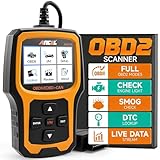
Here’s how to do it:
- Locate the OBD-II Port: Find your car’s diagnostic port. In most vehicles made after 1996, it’s a 16-pin port located under the dashboard on the driver’s side, typically near the steering column.
- Connect the Scanner: Plug the OBD-II scanner’s connector into the port.
- Power On: Turn your car’s ignition to the “ON” position but do not start the engine. The scanner should power on automatically.
- Read the Codes: Follow the scanner’s on-screen prompts to read any stored Diagnostic Trouble Codes (DTCs). If the “Check Engine” light is on, there will be at least one code.
- Interpret the Codes: Note down any codes displayed. Codes starting with “P04” (like P0442 or P0455) are commonly related to the EVAP system and are strong indicators of the source of your gas smell. You can look up the specific meaning of each code online or use the scanner’s built-in library if it has one.
How Do You Fix The Most Common Causes of a Gas Smell in Your Car?
To fix a gas smell in your car, begin with the simplest solutions: ensure your gas cap is tight and undamaged, and thoroughly clean any accidental fuel spills. For persistent odors or known mechanical failures like EVAP system leaks or damaged fuel lines, professional repair by a certified mechanic is strongly recommended due to the complexity and safety risks involved. While some fixes are straightforward for a DIYer, others require specialized tools and expertise.
Here’s a breakdown of how to address the most common causes, starting with the easiest fixes.
- Tighten or Replace the Gas Cap: This is the simplest fix. Ensure your existing cap is screwed on until it clicks. If it’s damaged or old, replace it.
- Clean Up Fuel Spills: If you’ve overfilled the tank and spilled gas, clean it up safely to eliminate the temporary odor.
- Change Refueling Habits: Make a conscious effort to stop refueling as soon as the pump clicks off to prevent overwhelming the EVAP system.
- Seek Professional Repair for Leaks: If you have identified a leak in a fuel line, injector, fuel pump, or the EVAP system itself, this is not a typical DIY job. These repairs can be complex and dangerous if not done correctly. It’s crucial to have a professional mechanic handle these issues.
How Do You Replace a Faulty Gas Cap?
To replace a faulty gas cap, first purchase a new cap that is specifically designed for your vehicle’s make, model, and year (ideally an OEM or equivalent quality part). Then, simply unscrew the old gas cap by turning it counter-clockwise, and screw on the new one clockwise until you hear at least three clicks, ensuring a tight seal.
This is one of the easiest and most affordable car repairs you can do.
- Buy the Correct Part: Purchase a replacement gas cap from an auto parts store or dealership. It is crucial to get one that is an exact match for your vehicle to ensure a proper seal. Using a generic or incorrect cap can fail to solve the problem. OEM (Original Equipment Manufacturer) parts are recommended.
- Remove the Old Cap: Simply unscrew your old gas cap by turning it counter-clockwise and remove it. If it’s attached by a plastic tether, you may need to unclip it.
- Install the New Cap: Screw the new cap on by turning it clockwise. Continue turning until you hear it make several audible clicks. This sound confirms the cap is fully tightened and has created a secure seal.
- Reset the Check Engine Light (If Applicable): If the faulty cap had triggered a “Check Engine” light, it may turn off on its own after several driving cycles. Alternatively, you can clear the code with an OBD-II scanner.
How Do You Clean Up an Accidental Fuel Spill?
To safely clean up an accidental fuel spill, immediately contain the spill with absorbent materials such as cat litter, sand, or old rags, and ensure the area is well-ventilated to disperse fumes. Avoid all ignition sources, and once absorbed, carefully place the contaminated materials in a sealed container for proper disposal according to local environmental regulations.
Safety is paramount when dealing with gasoline. Follow these steps carefully:
- Ensure Ventilation: Make sure you are in an open, well-ventilated area. Open all car doors if the spill is near the vehicle.
- Absorb the Spill: Quickly cover the spill with an absorbent material. Clay cat litter is an excellent and widely available option. Sand or baking soda can also work. Allow the material to sit for a few minutes to fully absorb the gasoline.
- Sweep and Dispose: Sweep up the contaminated absorbent material carefully. Place it into a sealable metal or durable plastic container.
- Proper Disposal: Do not throw the contaminated material in your regular trash. Contact your local fire department or waste management facility for instructions on how to properly dispose of hazardous materials.
- Wash the Area: If the spill was on concrete, you can wash the remaining residue with a mixture of soap and water.
When Should You Seek Professional Mechanic Help For a Fuel Odor?
You should seek professional mechanic help for a fuel odor if the gas smell is strong, persistent, or accompanied by visible fuel leaks, a ‘Check Engine’ light, or if simple fixes like replacing the gas cap don’t resolve the issue. Complex problems involving the EVAP system, fuel lines, or fuel pump require specialized diagnostic tools and expertise best provided by an ASE-certified mechanic for safety and proper repair. While a DIY approach is great for simple issues, knowing when to call an expert is crucial for safety.
Here are the specific scenarios where you should immediately schedule a professional diagnosis:
- You See a Visible Fuel Leak: If you can see liquid gasoline dripping or forming a puddle under your car, do not drive it. This is a severe fire hazard that requires immediate professional attention.
- The Gas Smell is Strong and Persistent: A faint smell that disappears quickly might be a minor spill. A strong, raw fuel odor that lingers inside or outside the car points to a more significant problem.
- The ‘Check Engine’ Light is On: While you can read the codes yourself, interpreting them and diagnosing the specific faulty component in the EVAP system often requires advanced knowledge and tools like a smoke machine leak detection system.
- Simple Fixes Don’t Work: If you’ve tightened or replaced the gas cap and ensured you aren’t overfilling, but the smell continues, the problem is deeper within the fuel or EVAP system.
- You Hear a Hissing Sound: A hissing noise from the fuel tank area can indicate a pressurized vapor leak that is difficult to locate without professional tools.
- You Are Not Comfortable with Auto Repair: Fuel system repairs are not for beginners. If you are unsure at any point, it is always safer and more effective to entrust the job to an ASE-certified mechanic.
FAQs About why does my car smell like gas after filling up
Is it normal to smell gas after pumping gas?
No, it is generally not normal to consistently smell gas after pumping, as modern vehicles are designed to contain fuel vapors. A very faint, temporary scent right at the pump may occur, but any strong or lingering smell often indicates an issue such as a loose gas cap, a fuel spill, or a problem within the evaporative emissions (EVAP) system, which requires attention.
How long should gas smell last after filling up?
If the gas smell is due to a minor spill, it should dissipate fairly quickly, typically within a few minutes to half an hour, as the fuel evaporates. However, if the odor persists for longer, or if it is strong and consistent, it is a clear indicator of a potential problem, such as a fuel leak or an EVAP system malfunction, and should be investigated immediately for safety.
Why does my garage smell like gas after filling up my car?
Your garage smelling like gas after filling up your car is a strong indicator of a fuel leak or an EVAP system issue, as fumes are escaping and accumulating in an enclosed space. This is particularly dangerous due to fire hazards. Common culprits include a faulty gas cap, a saturated charcoal canister, or a leak in the fuel filler neck or lines that allows vapors to build up.
Can overfilling my gas tank cause a check engine light?
Yes, overfilling your gas tank can indeed cause the “Check Engine” light to illuminate, typically by saturating the charcoal canister within the EVAP system. This saturation interferes with the system’s ability to properly process fuel vapors, leading to codes related to EVAP system leaks (e.g., P0455, P0442) and triggering the light.
Why does my car smell like gas but I don’t see a leak?
If your car smells like gas but you don’t see a visible leak, the issue is likely with the evaporative emissions (EVAP) system, which controls fuel vapor containment. Problems like a loose gas cap, a failing charcoal canister, or a cracked EVAP line can release vapors without liquid fuel showing, causing a strong odor without physical drips.
Can cold weather cause a car to smell like gas after filling up?
While not a direct cause, extreme cold weather can exacerbate existing minor fuel system issues or make them more noticeable. Cold can cause plastics and rubber components (like O-rings or hoses) to become brittle, potentially leading to small cracks or poor seals that become more pronounced and allow fuel vapors to escape, especially after refueling.
What does a fuel leak smell like compared to exhaust?
A fuel leak typically smells like raw, pungent gasoline – a distinct, sharp chemical odor, especially noticeable around the car’s exterior or after refueling. In contrast, an exhaust leak might have a more acrid, sulfur-like (“rotten egg”) smell due to catalytic converter issues, or just a strong engine exhaust fume smell, which is different from raw fuel.
Is it safe to drive if I smell gas?
It is generally NOT safe to drive if you have a persistent or strong gas smell, as it indicates a potential fuel leak or EVAP system failure that could pose a serious fire hazard. If the smell is faint and temporary after a known spill, it might be safer, but any significant odor warrants immediate investigation and professional assessment before driving further.
How much does it cost to fix a fuel smell in a car?
The cost to fix a fuel smell can vary widely, from as little as $10-$30 for a new gas cap to hundreds or even over a thousand dollars for complex repairs like an EVAP system component replacement or a fuel pump assembly. Diagnosis typically costs $100-$200, with final repair costs depending on the specific part that needs fixing and labor rates.
Why does my car smell like gas after an oil change?
A car smelling like gas after an oil change is unusual and typically indicates an unrelated but coincidental fuel system issue, or a very rare scenario where fuel was accidentally spilled during the oil change process. The oil system and fuel system are separate, so an oil change itself should not cause a gas smell.
Key Takeaways: Why Does My Car Smells Like Gas After Filling Up? Summary
- Urgency & Safety First – A gas smell after filling up is rarely normal and often signals a serious safety risk, primarily due to the fire hazard from flammable fuel vapors. Prioritize immediate investigation.
-
Common Causes Vary – Issues range from simple user errors like overfilling to critical mechanical failures involving the gas cap, EVAP system components (like the charcoal canister), or actual fuel system leaks (lines, injectors, pump).
-
Gas Cap: First Check – A loose or faulty gas cap is a frequent and easily rectifiable cause, often triggering a “Check Engine” light alongside the gas odor. Always ensure it’s tightly sealed.
-
EVAP System Malfunctions – The Evaporative Emissions (EVAP) system is crucial for containing fuel vapors; leaks or a saturated charcoal canister within this system are common culprits, often indicated by specific OBD-II trouble codes (e.g., P0442, P0455).
-
Active Fuel System Leaks – Leaks can occur in fuel lines, injectors, or the fuel pump, posing the most direct risk. These often result in visible drips or wet spots and a persistent, strong raw fuel odor.
-
Systematic Diagnosis is Key – Safely diagnosing the issue involves a step-by-step process: visual inspections for spills/leaks, checking the gas cap, and utilizing an OBD-II scanner for diagnostic trouble codes to pinpoint the source.
-
When to Call a Professional – If simple fixes don’t resolve the smell, or if the problem is complex (like EVAP system repairs or direct fuel line leaks), professional diagnosis and repair by an ASE-certified mechanic are essential for safety and effectiveness.
Final Thoughts on Why Your Car Smells Like Gas After Filling Up
A persistent gas smell after filling up your car is a clear warning sign from your vehicle and should never be ignored. As we’ve explored, this common automotive concern can stem from a range of issues, from a simple loose gas cap or a minor overfill to a critical failure within your evaporative emissions system or a dangerous fuel system leak. Our comprehensive analysis, grounded in automotive expertise and safety protocols, has equipped you with the knowledge to understand the underlying causes, perform initial safe diagnostics, and distinguish between minor inconveniences and urgent safety hazards.
Your immediate priority must always be safety. While some issues are easily resolved with a quick DIY fix, many require the specialized tools and in-depth understanding of an ASE-certified mechanic. By following the diagnostic steps and understanding when professional intervention is necessary, you not only protect your investment but, more importantly, ensure your safety and the safety of others on the road. Don’t delay—a strong gas odor is your car’s way of telling you it needs attention now. Address it promptly to prevent escalation of a potentially dangerous situation into a costly repair or, worse, a severe hazard.
Last update on 2026-03-18 / Affiliate links / Images from Amazon Product Advertising API