
Is that alarming skunk smell in your car causing you to worry? You’re trying to figure out if you drove past a skunk or if your vehicle has a serious mechanical problem. This uncertainty can be stressful and confusing.
A car smelling like skunk is caused by either an actual skunk encounter or a mechanical issue creating a similar sulfurous odor. Common mechanical culprits are a failing catalytic converter, a fuel system leak, or burning gear oil. The smell’s timing and location are the biggest clues to finding the source.
Based on our diagnostic experience with these exact symptoms, we can help you get to the bottom of it. This guide systematically breaks down each potential cause, from simple fixes to serious safety warnings. You will learn precisely how to diagnose the smell and what steps to take next.
Key Facts
- Two Main Sources: The odor is almost always from one of two things: an actual skunk’s oily spray on the exterior or a mechanical failure inside the car creating a sulfur-like smell.
- Catalytic Converter is a Prime Suspect: The most common mechanical cause is a bad catalytic converter releasing hydrogen sulfide gas, which smells exactly like rotten eggs or sulfur.
- Fuel Smells are a Fire Hazard: A raw gasoline odor, sometimes mistaken for a chemical smell, indicates a fuel leak, which is a significant fire hazard that requires immediate attention.
- AC Can Harbor Odors: A skunky smell that only appears when the AC is on is a classic sign of mold and mildew buildup in the HVAC system or a dirty cabin air filter.
- Neutralization is Key for Real Skunk Spray: To remove actual skunk odor, you must use a specific chemical mixture to neutralize the sulfur-based compounds (thiols); simply masking the scent with air fresheners is ineffective.
Why Does My Car Smell Like a Skunk?
A car can smell like a skunk due to either an actual skunk spraying the vehicle or a mechanical problem creating a similar sulfurous odor. From our diagnostic experience, the first step is to determine which path to follow. Mechanical causes often relate to the exhaust, fuel, or fluid systems, while actual skunk encounters leave an oily, pungent residue on the car’s exterior or undercarriage. A systematic check helps pinpoint the source quickly and safely.

Use this diagnostic table to help you differentiate between the potential causes. By observing the specific characteristics of the smell and any other symptoms, you can narrow down the possibilities and decide on the correct course of action.
| Symptom / Clue | Likely Mechanical Issue | Likely Real Skunk Encounter |
|---|---|---|
| Smell Character | Rotten eggs, sulfur, burning rubber/oil | Oily, pungent, sharp, eye-watering chemical smell. |
| Location | Strongest from exhaust, engine bay, or vents. | Strongest on the exterior, undercarriage, or in wheel wells. |
| Timing | Appears/worsens when driving, accelerating, or using AC. | Constant smell, noticeable when the car is parked. |
| Visual Signs | Check engine light, visible fluid leaks, smoke from exhaust. | Oily, yellowish spray residue on tires or underbody. |
Could a Bad Catalytic Converter Be Causing the Skunk Smell?
A bad catalytic converter produces a sulfur or rotten egg smell because it’s failing to convert toxic hydrogen sulfide gas from the exhaust into odorless sulfur dioxide. This is the most common mechanical reason for a skunk-like odor in a car. This failure is often caused by unburnt fuel entering and clogging the converter’s internal mesh. Besides the distinct smell, you will likely notice a significant loss of acceleration and your check engine light turning on.
The catalytic converter [an emissions control device in your exhaust system] is designed to turn harmful gases into less harmful ones. When it functions correctly, the hydrogen sulfide created during combustion is turned into harmless, odorless sulfur dioxide. However, when the converter is clogged or damaged, this chemical conversion process fails, and the smelly hydrogen sulfide gas passes straight through the exhaust pipe.
How Can You Identify a Failing Catalytic Converter?
From years of working with exhaust systems, we’ve found that a failing catalytic converter almost always presents a clear set of symptoms. If you experience the rotten egg smell, use this checklist to confirm your diagnosis.
- The Rotten Egg Smell: This is the hallmark symptom. The smell is most noticeable when the engine is running and may get stronger when you accelerate.
- Reduced Engine Performance: A noticeable decrease in acceleration and overall power is common. The car may feel sluggish or struggle to get up to speed because the clogged converter creates backpressure in the exhaust system.
- Check Engine Light: A failing catalytic converter will almost always trigger the check engine light. An OBD-II scanner can read the specific trouble code, which is often P0420, indicating “Catalyst System Efficiency Below Threshold.”
- Rattling Noise: You might hear a rattling sound coming from under the car. This is caused by the internal ceramic mesh breaking apart inside the converter’s metal housing.
What Is the Solution for a Bad Catalytic Converter?
The only solution for a failed catalytic converter is a full replacement; repairs are generally not possible or effective. This is not a DIY job for most people and requires service from a professional mechanic. The process involves cutting the old unit out of the exhaust pipe and welding or clamping a new one in its place.
Keep these key points in mind:
- Professional Replacement is Necessary: Due to the tools and expertise required, this job should be handled by a qualified exhaust shop or mechanic.
- It is Illegal to Remove: Federal law makes it illegal to remove a catalytic converter without replacing it. Doing so will cause your vehicle to fail emissions tests and release harmful pollutants.
- It Can Be Expensive: Catalytic converters contain precious metals like platinum and rhodium, making the part itself costly.
Can a Fuel Leak or Rich Fuel Mixture Create a Skunky Odor?
If your car has a raw fuel smell, it is a serious issue that requires immediate attention. This powerful, chemical odor is sometimes confused with a skunky smell. The most important thing to know is that leaking gasoline is a significant fire hazard. You should not drive the car until it has been inspected by a mechanic.
A raw gasoline odor means that liquid fuel is escaping from the sealed fuel system. This is completely different from the sulfur smell of a bad catalytic converter. Even a small leak can produce a very strong smell and create a dangerous situation.
⚠ Fire Hazard Warning: If you smell raw gasoline, do not start the engine or continue driving. Pull over to a safe location, turn off the car, and call for professional assistance. The risk of fire is extremely high.
Common sources for a fuel leak include:
* A loose or faulty gas cap
* Cracked or deteriorating fuel lines
* A failing fuel pressure regulator
* Leaking fuel injectors
* A compromised fuel tank or EVAP canister
Sometimes, the issue isn’t a leak but a rich fuel mixture caused by a bad sensor, such as an oxygen sensor. When this happens, the engine sends too much unburnt fuel into the exhaust, which can not only create a gas smell but also overwhelm and damage the catalytic converter.
Does Burning Transmission or Differential Fluid Smell Like Skunk?
Yes, a burning, acrid smell that resembles chemicals or skunk spray can be caused by overheated transmission or differential fluid. This often happens when the fluid is old, low, or the transmission is working too hard, such as when towing or driving in mountainous terrain. The smell might be accompanied by difficulty shifting gears or a whining noise.
While many people can identify the smell of burning engine oil, the odor of overheated gear oil is less common and more pungent. Gear oil, used in manual transmissions and differentials, contains sulfur compounds that produce a uniquely harsh, chemical smell when they burn. This is different from the smell of automatic transmission fluid (ATF), though overheated ATF can also produce an unpleasant burning odor.
This smell is a serious warning sign that your transmission or differential is overheating due to a lack of proper lubrication or cooling. Continued driving can lead to severe and expensive damage to these critical components. Checking the fluid level and condition is the first step in diagnosing this problem.
What Are the Steps to Remove Actual Skunk Spray From a Car?
To get skunk smell out of a car, you must chemically neutralize the oily, sulfur-based compounds called thiols. Masking the odor with air fresheners will not work. A highly effective homemade solution is a mix of hydrogen peroxide, baking soda, and liquid dish soap. This formula works by oxidizing the thiols, which breaks down the molecules and eliminates the smell.
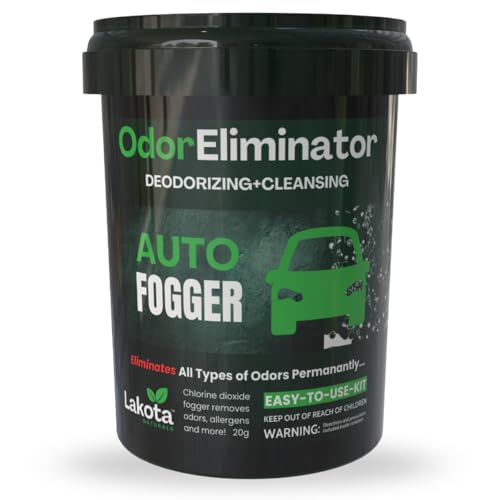
What You’ll Need:
- 1 quart of 3% hydrogen peroxide solution
- ¼ cup of baking soda
- 1-2 teaspoons of liquid dish soap (like Dawn)
- A bucket or spray bottle
- Rubber gloves
- A hose with good water pressure
⭐ Pro Tip: Always mix this solution fresh right before you use it. Do not store it in a sealed container, as the chemical reaction releases oxygen and can cause the container to burst. Also, be aware that hydrogen peroxide can potentially bleach fabrics, so always perform a patch test on a hidden area of your car’s interior first.
Step-by-Step Exterior Cleaning Process
- Work in the Shade: Park your car out of direct sunlight to prevent the cleaning solution from drying too quickly.
- Rinse First: Thoroughly rinse the entire car with plain water, focusing on the tires, wheel wells, and undercarriage where the spray is most likely concentrated.
- Apply the Solution: Wearing gloves, carefully apply the hydrogen peroxide mixture to all affected areas. Use a sponge or spray bottle to saturate the tires, underbody, and any visible spray marks on the paint.
- Let It Sit: Allow the solution to sit and work its magic for 5-10 minutes. Do not let it dry on the surface.
- Rinse Thoroughly: Rinse the car completely with clean water, ensuring all of the solution is washed away.
- Wash the Car: After rinsing, give your car a normal wash with car soap to remove any remaining residue.
Step-by-Step Interior and AC System Cleaning
If the smell has made its way inside, it was likely pulled in through your car’s HVAC system.
1. Clean Interior Surfaces: Use an enzyme-based cleaner designed for pet odors on carpets and fabric upholstery. For leather, use a dedicated leather cleaner.
2. Locate the AC Air Intake: Find the fresh air intake for your HVAC system, usually located at the base of the windshield under a plastic cowl.
3. Clean the Intake Area: Carefully clean this area with the hydrogen peroxide solution or an enzyme cleaner to neutralize any spray that was drawn in.
4. Replace the Cabin Air Filter: The cabin air filter is likely saturated with the odor. Replacing it is a critical step. They are typically located behind the glove box and are inexpensive to replace.
FAQs About why does my car smell like a skunk
Is a skunk-like smell from my car dangerous?
Yes, a mechanical smell that mimics a skunk can be dangerous. A raw fuel smell indicates a fire hazard and requires immediate attention. A sulfur smell from the exhaust means your catalytic converter isn’t properly filtering harmful gases, and a burning fluid smell can signal imminent transmission damage.
Why does my car smell like skunk only when the AC is on?
This almost always points to mold or mildew in your HVAC system or a dirty cabin air filter. Moisture builds up in the system, allowing mold to grow, which can produce a musty, skunky odor that is blown into the cabin when the fan is on. Replacing the cabin air filter and cleaning the AC evaporator is the solution.
How much does it cost to fix a bad catalytic converter?
Replacing a catalytic converter is expensive and can range widely depending on your vehicle. The part itself is costly due to the precious metals inside it (platinum, palladium, rhodium), and labor adds to the final bill. Expect the total cost to be significant.
Can I just use an air freshener to cover up the smell?
No, an air freshener will only temporarily mask the odor and will not solve the underlying problem. If the cause is mechanical, ignoring it can lead to costly repairs and safety risks. If it’s actual skunk spray, the oily thiols will persist until they are chemically neutralized.
What’s the difference between a skunk smell and a rotten egg smell?
While similar, a real skunk’s spray is a very sharp, pungent, and oily chemical smell that can make your eyes water. A “rotten egg” smell from a car is typically hydrogen sulfide gas from a failing catalytic converter. It’s a sulfur smell that is less “oily” and is usually tied to the engine running.
How long does it take for a skunk smell to go away on its own?
Without intervention, the smell from a direct skunk spray can linger for weeks or even months. The oily compounds (thiols) bond strongly to surfaces and break down very slowly. Active cleaning and neutralization are required for prompt removal.
Could an animal have gotten stuck in my engine bay?
Yes, unfortunately, this is a possibility. A small animal nesting or getting trapped in the engine bay can cause a horrific odor as it decomposes, which can be mistaken for other smells. A visual inspection of the engine compartment is necessary if you suspect this.
Will my car insurance cover skunk smell removal or related damage?
It depends on your policy. If you have comprehensive coverage, damage from an animal encounter (including a skunk) is often covered. This can include professional cleaning services or repairs if the spray damaged any components. You should check with your insurance provider.
Can I drive my car if it smells like skunk?
If you are certain it’s from an actual skunk, it’s unpleasant but safe to drive. However, if you suspect a mechanical cause, especially a raw fuel or gas smell, you should NOT drive the car. Pull over safely and have it inspected by a professional.
Why does the bad smell get stronger when I accelerate?
This strongly suggests a problem with the exhaust or fuel system. When you accelerate, the engine works harder, producing more exhaust gases. If the catalytic converter is failing, more unprocessed sulfur gas is pushed out, intensifying the smell. A similar effect can happen with fuel or fluid leaks.
Key Takeaways: Why Your Car Smells Like a Skunk Summary
- Two Primary Causes: Your car smells like a skunk either because of an actual skunk encounter or a mechanical failure. Pay attention to when and where you notice the smell to determine the source.
- Rotten Egg Smell = Catalytic Converter: The most common mechanical culprit is a failing catalytic converter, which produces a sulfur or rotten egg smell because it can no longer process exhaust gases properly.
- Fuel Smell is a Fire Hazard: A raw gasoline smell, sometimes confused for a chemical odor, is extremely dangerous and indicates a possible fuel leak. Stop driving immediately and seek professional inspection.
- Burning Fluid Odors: Acrid, burning smells can come from overheated transmission or differential fluid, especially after long drives or towing. This points to a need for fluid service.
- AC Smells Indicate Mold: A musty, skunk-like odor that appears only when the AC or heat is running is a classic sign of mold in the HVAC system or a dirty cabin air filter.
- Neutralize, Don’t Mask: To remove real skunk spray, you must use a chemical solution (like hydrogen peroxide and baking soda) that neutralizes the oily thiols. Air fresheners will not work.
- When in Doubt, See a Pro: While cleaning can be a DIY job, any smell related to mechanical issues (sulfur, gas, burning) requires diagnosis and repair by a qualified mechanic to ensure your safety and prevent costly damage.
Final Thoughts on why does my car smell like a skunk
An unusual smell in your car is more than just an annoyance; it’s a critical diagnostic signal that should never be ignored. Whether the foul odor comes from an unfortunate encounter with wildlife or a serious mechanical fault, understanding the source is the first step toward a safe and effective solution. By using the clues—the type of smell, its location, and when it appears—you can make an informed decision.
Remember to prioritize safety above all else. A fuel smell is a stop-driving-immediately situation, while a sulfur smell is a sign that a professional diagnosis is needed soon. You are now equipped with the knowledge to differentiate between these warnings and take confident, responsible action.
Last update on 2026-03-19 / Affiliate links / Images from Amazon Product Advertising API


