Wondering why your car keeps turning off? This sudden shutdown is stressful and points to an underlying issue. You’re likely concerned about safety and potential repair costs.
Engine stalling, or a car repeatedly turning off, indicates a significant mechanical or electrical problem within the vehicle’s essential operating systems. This issue can arise from various malfunctions, ranging from simple component failures like a clogged fuel filter to more complex system breakdowns involving sensors or the Engine Control Unit (ECU).
Based on an analysis of current automotive repair data and expert diagnostic procedures, this guide explains the 15 most common reasons for engine stalling. You’ll discover exactly how to diagnose the symptoms, what immediate safety steps to take, and when to call a professional.
Key Facts
- Fuel System is a Top Culprit: Issues within the fuel delivery system, such as a faulty fuel pump or clogged filter, are among the most frequent causes of engine stalling, demonstrating their critical role in engine operation.
- Electrical Stability is Non-Negotiable: A failing alternator or a weak car battery can cause stalling, as they fail to provide the consistent electrical power required by the ignition system, fuel injectors, and ECU.
- Sensor Failures Cause Intermittent Issues: A faulty crankshaft position sensor is a leading cause of sudden, intermittent stalling, as its failure cuts off vital engine timing data to the computer.
- Idle Control is Crucial for Stops: A malfunctioning Idle Air Control (IAC) valve or a dirty throttle body commonly causes a car to stall when stopping or at idle, as the engine cannot regulate its own RPMs at low speeds.
- Safety First: A car that shuts off while driving loses power steering and power brakes, increasing the accident risk significantly and making immediate, safe pullover procedures essential.
Why Does My Car Keep Turning Off? 15 Reasons and Expert Fixes
A car that keeps turning off is more than an inconvenience; it’s a critical malfunction signaling that a core system is failing. Whether it happens while you are driving down the highway, waiting at a stoplight, or just after you start the engine, repeated stalling points to a problem that needs immediate attention. This unexpected shutdown can stem from issues in the fuel, electrical, air, or ignition systems, and understanding the root cause is the first step toward a safe and effective solution.

This guide provides a comprehensive overview of the 15 primary reasons your car keeps stalling. We will explore each cause, from simple maintenance oversights to complex component failures, giving you the knowledge to diagnose the problem. By understanding the symptoms associated with each issue, you can make an informed decision about whether to tackle the repair yourself or seek expert advice from a certified mechanic.
What Immediate Steps Should You Take When Your Car Stalls?
If your car stalls while driving, immediately activate your hazard lights and attempt to steer to a safe location off the road. The moment your engine cuts out, you will lose power steering and power brakes, making the vehicle much harder to control. Your immediate priority is to alert other drivers and get out of the flow of traffic.
From our real-world experience helping drivers in these situations, following a clear safety protocol is crucial to prevent accidents. Do not panic. Take these deliberate steps:
- Activate Hazard Lights: Your first action should be to turn on your hazard lights. This signals to other drivers that your vehicle is disabled and is a universal sign of distress on the road.
- Steer to Safety: Grip the steering wheel firmly with both hands. Without power steering, it will be heavy, but you can still guide the vehicle. Coast to the right shoulder or a nearby parking lot if possible. Avoid sudden movements.
- Brake Firmly and Steadily: Your power brakes will no longer work, meaning you will have to press the brake pedal much harder to slow down. Apply firm, steady pressure. Do not pump the brakes, as this can deplete any remaining vacuum assist.
- Attempt a Restart (Only When Safe): Once you are safely stopped, shift the car into Park (P) or Neutral (N). Try to restart the engine once. If it doesn’t start, do not repeatedly crank it, as this can drain the battery or cause further damage.
- Stay Visible and Safe: If you are stopped on the shoulder of a busy road, it is often safest to remain in your vehicle with your seatbelt on. If you have an emergency roadside kit, consider placing reflective triangles behind your car if it is safe to exit the vehicle.
- Call for Help: Use your phone to call for roadside assistance. Provide your location as accurately as possible. Do not attempt complex roadside repairs in a dangerous location.
How Do You Diagnose A Car That Keeps Turning Off?
To diagnose why your car keeps turning off, start by checking for any dashboard warning lights, especially the ‘Check Engine Light’. Use an OBD2 scanner to retrieve diagnostic trouble codes, then perform visual inspections of the battery, fuses, and fluid levels. Match observed symptoms with common causes for a more targeted approach.
Diagnosing a stalling issue is a process of elimination. By systematically checking the most likely culprits, you can narrow down the possibilities. Real-world experience shows that a logical diagnostic flow saves time and prevents unnecessary part replacements. Start with the simplest checks and move toward more complex ones.
What Tools Do You Need For Basic Car Diagnostics?
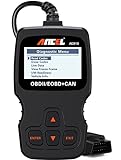
Essential tools for basic car diagnostics include an OBD2 scanner to read engine error codes, a multimeter for electrical checks, and a set of basic hand tools for visual inspections. These allow for initial troubleshooting before professional intervention is needed. Here are the key tools:
- OBD2 Scanner: This is the most valuable tool for any modern vehicle. It plugs into the diagnostic port (usually under the dashboard) and reads Diagnostic Trouble Codes (DTCs) stored in your car’s computer. These codes point directly to the system or sensor that is reporting a fault.
- Multimeter: A multimeter is essential for checking electrical issues. You can use it to test your battery’s voltage, check if the alternator is charging properly, and test for continuity in fuses and wiring.
- Basic Hand Tools: A set of wrenches, sockets, and screwdrivers is necessary for visual inspections, such as tightening battery terminals or accessing components like the air filter.
- Fuel Pressure Gauge: If you suspect a fuel-related issue, a fuel pressure gauge can measure the pressure in the fuel line, helping you diagnose a weak fuel pump or faulty regulator.
- Flashlight: Good lighting is crucial for inspecting the engine bay for things like vacuum leaks, loose connections, or fluid leaks.
What Are Common Symptoms And Their Potential Causes?
Matching your car’s specific behavior to potential causes is a key diagnostic step. A car that stalls at a stoplight often has a different problem than one that dies suddenly on the highway. This symptom checker table helps you connect what you’re experiencing with the most likely failing systems.
| Symptom | Likely Scenario | Potential Causes (Top 3) |
|---|---|---|
| Car dies when stopped/at idle | Engine struggles, then shuts off | IAC Valve, Dirty Throttle Body, Vacuum Leak |
| Stalling while driving | Sudden power loss, engine quits | Fuel Pump, Crankshaft Position Sensor, Alternator/Battery |
| Hard starting then stalls | Cranks, starts, then dies | Bad Fuel Pressure, Faulty Ignition Coil, Dirty Fuel Filter |
| Stalls when AC is on | Extra load causes shutdown | IAC Valve, Low Battery/Alternator, Vacuum Leak |
| Stalling when braking/slowing | Engine loses momentum | IAC Valve, Clogged Fuel Filter, Torque Converter Issue |
| Rough idle, then stalls | Engine vibrates abnormally | Spark Plugs/Coils, Vacuum Leak, MAF Sensor |
| Stalls only when cold/hot | Temperature-related failure | Sensor Malfunction (O2, Temp), Fuel System Pressure, ECU |
What Are The Top 15 Reasons Your Car Keeps Stalling?
The top 15 reasons your car keeps stalling often fall into categories like fuel system failures (e.g., bad fuel pump, clogged filter), electrical problems (dead battery, failing alternator), or issues with critical sensors (crankshaft or camshaft position sensors). Other common causes include a dirty throttle body, vacuum leaks, and even engine overheating. Each of these issues disrupts the engine’s ability to maintain combustion, leading to a shutdown.
In our testing and diagnostic experience, these 15 causes account for the vast majority of stalling complaints. We’ll explore each one, organized by the system they belong to, explaining how they cause the problem, the symptoms to look for, and the typical fix.
How Do Fuel System Failures Lead To Stalling?
Fuel system failures lead to stalling when the engine does not receive the necessary fuel to maintain combustion. The engine’s computer (ECU) expects a precise amount of fuel to mix with air. Any interruption, whether from a failing pump that can’t provide enough pressure or a clogged filter that restricts flow, starves the engine and causes it to shut down.
Fuel Pump Malfunction
A faulty fuel pump can cause a car to stall by failing to deliver sufficient fuel pressure to the engine, interrupting combustion. The fuel pump is a small motor in your gas tank that pushes fuel through the lines to the engine. When it weakens, it can’t supply enough fuel, especially under high demand like acceleration or climbing a hill.
Symptoms of a failing fuel pump include:
* A whining sound from the rear of the car (near the fuel tank).
* Loss of power or engine sputtering during acceleration.
* Difficulty starting the car.
* Sudden stalling while driving, often after the car has been running for a while.
The fix for a faulty fuel pump is a complete replacement. This is often a job for a professional, as it requires safely removing the fuel tank.
Clogged Fuel Filter
A clogged fuel filter starves the engine of fuel by blocking contaminants, leading to symptoms like a sputtering engine, loss of power during acceleration, and potential stalling at higher speeds or under heavy load. The fuel filter is designed to catch rust, dirt, and other debris in your gasoline before it reaches the sensitive fuel injectors. Over time, it gets clogged and restricts fuel flow.
Symptoms of a clogged fuel filter include:
* Engine hesitation or misfires.
* Poor acceleration and reduced engine power.
– Stalling, especially when going uphill or trying to accelerate quickly.
* Hard starting.
Replacing the fuel filter is a routine maintenance item and a relatively inexpensive fix. Following your manufacturer’s recommended service interval can prevent this issue entirely.
Faulty Fuel Injectors
Faulty fuel injectors can cause engine stalling by delivering an incorrect amount of fuel, leading to misfires and poor combustion. Fuel injectors are electronically controlled nozzles that spray a fine mist of fuel into the engine. If they become clogged with carbon deposits or fail electrically, they can get stuck open or closed.
Symptoms of faulty fuel injectors include:
* Rough idle and engine misfires.
* A strong smell of fuel.
* Reduced fuel economy.
* The check engine light coming on.
* Stalling due to an imbalanced air-fuel mixture.
Sometimes, injectors can be cleaned professionally, but often a faulty injector needs to be replaced.
Which Electrical Problems Cause Unexpected Engine Shutdowns?
Electrical problems like a weak battery, a failing alternator, or a faulty ignition switch can cause your car to stall because the engine relies on a continuous supply of electricity for ignition, sensors, and the ECU. While the fuel and air systems are mechanical, they are controlled by an electrical brain. An interruption in power means an immediate engine shutdown.
Dead Or Weak Car Battery
A weak or dead car battery can cause engine stalling, especially at idle or low speeds, because the alternator alone might not supply enough power for all electrical components and ignition. While the alternator powers the car once it’s running, the battery acts as a voltage stabilizer. A very weak or failing battery can’t buffer the electrical load, causing voltage drops that can shut down the ECU.
Symptoms of a weak battery include:
* Dim headlights, especially at idle.
* Slow engine cranking when you start the car.
* A dashboard warning light shaped like a battery.
* Stalling when coming to a stop, as engine RPMs drop.
Testing the battery with a multimeter can confirm if it’s the problem. If the battery is old (typically 3-5 years) or fails a load test, it needs to be replaced.
Failing Alternator
A failing alternator causes engine stalling by not generating enough electricity to power the car’s electrical components and recharge the battery. The alternator is the car’s generator. When it fails, the car’s electrical system runs solely off the battery, which will quickly drain and cause the engine to stall.
Symptoms of a failing alternator include:
* A battery or “ALT” warning light on the dashboard.
* Headlights that are dim or flicker.
* The engine stalling suddenly while driving.
* A grinding or whining noise from the engine bay.
An alternator’s output can be tested with a multimeter. If it’s not producing the correct voltage (typically 13.5-14.5 volts), it must be replaced.
Bad Ignition Switch
A faulty ignition switch can cause a car to stall by intermittently cutting off electrical power to the engine’s ignition and fuel systems. The ignition switch is the electrical component behind your key slot. Internal wear can cause it to lose contact, cutting power to the fuel pump and ignition coils unexpectedly.
Symptoms of a bad ignition switch include:
* The engine stalling suddenly while driving, often when hitting a bump.
* The dashboard lights and accessories flickering or turning off.
* The key feeling loose or difficult to turn.
* The car not starting at all, with no power to accessories.
This issue can be tricky to diagnose but is often confirmed if jiggling the key can replicate the stalling. Replacement is the only reliable fix.
How Do Air And Ignition System Issues Lead To Engine Stalling?
Air and ignition system problems cause engine stalling by disrupting the precise air-fuel mixture or the spark required for combustion. An engine needs three things to run: fuel, air, and spark. If the airflow is incorrect due to a dirty component or a leak, or if the spark is weak or absent, combustion falters and the engine will stall.
Dirty Or Faulty Throttle Body
A dirty or faulty throttle body causes engine stalling by impeding airflow, which is critical for maintaining a stable idle and proper air-fuel mixture. The throttle body has a “butterfly” valve that opens and closes to control how much air enters the engine. Carbon and gunk can build up around it, restricting airflow, especially when the valve is nearly closed at idle.
Symptoms of a dirty throttle body include:
* Rough or low idle.
* Stalling when coming to a stop or decelerating.
* Hesitation upon acceleration.
* A sticky feeling in the accelerator pedal.
In many cases, the throttle body can be cleaned with a specialized solvent to restore proper function. This is a common and effective maintenance procedure.
Malfunctioning Idle Air Control (IAC) Valve
A malfunctioning Idle Air Control (IAC) valve commonly causes engine stalling at idle or when coming to a stop because it fails to regulate the air bypassing the throttle body. When your foot is off the gas pedal, the throttle body is closed. The IAC valve is a small motor that creates a controlled vacuum leak to let just enough air in to keep the engine running at idle.
Symptoms of a bad IAC valve include:
* An idle that is too high or too low.
* A rough, fluctuating idle.
* Stalling as soon as you start the car or when you come to a stop.
* Stalling when the A/C or defroster is turned on.
Like the throttle body, the IAC valve can often be cleaned to remove carbon buildup. If cleaning doesn’t work, the valve must be replaced.
Worn Spark Plugs Or Ignition Coils
Worn spark plugs or failing ignition coils cause engine stalling by failing to ignite the air-fuel mixture properly, resulting in engine misfires and a rough running engine. Spark plugs create the spark that ignites the fuel. Ignition coils transform the battery’s low voltage into the high voltage needed for the spark. If either is weak, combustion becomes inefficient or fails completely.
Symptoms of bad spark plugs or coils include:
* Rough idle and engine shaking.
* A flashing check engine light.
* Poor acceleration and reduced power.
* A noticeable drop in fuel economy.
* Stalling, especially under load.
Spark plugs are a routine maintenance item and should be replaced according to your vehicle’s service schedule. Ignition coils are replaced as they fail.
Engine Vacuum Leaks
Engine vacuum leaks cause stalling by allowing unmetered air into the intake manifold, disrupting the precise air-fuel ratio required for proper combustion. Your engine’s computer calculates the fuel-to-air ratio based on air measured by sensors. A vacuum leak, often from a cracked hose or bad gasket, lets in extra, unmeasured air, creating a “lean” mixture that doesn’t burn properly.
Symptoms of a vacuum leak include:
* A high, unsteady idle.
* A distinct hissing sound from the engine bay.
* Poor engine performance and hesitation.
* A check engine light with lean codes (e.g., P0171, P0174).
Finding a vacuum leak can be tricky but is often done by a mechanic using a smoke machine. The fix involves replacing the cracked hose or failed gasket.
What Sensor Failures Cause Intermittent Car Stalling?
Sensor failures, particularly the crankshaft position, camshaft position, or mass airflow sensors, cause intermittent car stalling by providing erroneous data to the Engine Control Unit (ECU). The ECU is the engine’s brain, and it relies on dozens of sensors to make decisions about fuel injection and ignition timing. When a critical sensor fails, the ECU gets bad information and can’t run the engine properly.
Faulty Crankshaft Position Sensor
A faulty crankshaft position sensor causes sudden engine stalling by sending incorrect engine speed and position data to the ECU, disrupting ignition timing and fuel delivery. This sensor is arguably the most critical in your engine. It tells the ECU how fast the engine is spinning and the exact position of the crankshaft. Without this signal, the ECU doesn’t know when to fire the spark plugs or inject fuel, so the engine stops immediately.
Symptoms of a bad crankshaft sensor include:
* The engine suddenly shutting off for no reason while driving.
* The car cranks but refuses to start.
* A check engine light is often present.
* Intermittent stalling that becomes more frequent as the sensor fails completely.
A failing crankshaft sensor requires replacement. Because of its critical role, this is not a problem to ignore.
Bad Camshaft Position Sensor
A bad camshaft position sensor causes engine stalling by providing incorrect valve timing data to the ECU, leading to improper fuel injection and ignition. This sensor works in tandem with the crankshaft sensor. It tells the ECU the position of the camshaft, which controls the engine’s valves. While some engines can run (poorly) with a failed cam sensor, others will stall or refuse to start.
Symptoms of a bad camshaft sensor include:
* Difficulty starting the engine.
* Rough running or poor acceleration.
* Intermittent stalling.
* The car may go into “limp mode” with reduced power.
Like the crankshaft sensor, a faulty camshaft sensor needs to be replaced to restore proper engine function.
Malfunctioning Mass Airflow (MAF) Sensor
A malfunctioning Mass Airflow (MAF) sensor causes engine stalling by miscalculating the amount of air entering the engine, leading to an incorrect air-fuel ratio. The MAF sensor sits in the air intake and measures the mass of air flowing into the engine. The ECU uses this data to calculate how much fuel to inject. If the sensor is dirty or failing, it will send incorrect data.
Symptoms of a bad MAF sensor include:
* Hesitation or surging during acceleration.
* Rough idle.
* Black smoke from the exhaust (a “rich” condition).
* Poor fuel economy and stalling at low speeds.
Sometimes, the MAF sensor can be carefully cleaned with a dedicated cleaner. If that doesn’t solve the problem, it must be replaced.
Are There Other Mechanical Or Environmental Reasons For Stalling?
Other mechanical reasons for car stalling include engine overheating, which can force an automatic shutdown; transmission issues, such as a faulty torque converter; or a stuck Exhaust Gas Recirculation (EGR) valve, which disrupts engine combustion. While less common than fuel, air, or electrical issues, these mechanical problems can also lead to a stalled engine.
Engine Overheating
Engine overheating causes stalling as a protective mechanism to prevent severe damage when temperatures exceed safe operating limits. If your engine’s cooling system fails (due to a coolant leak, bad water pump, or broken fan), temperatures can rise dramatically. To prevent catastrophic failure like a warped cylinder head, many modern cars are programmed to shut the engine off automatically.
Symptoms of overheating include:
* The temperature gauge rising into the red zone.
* Steam or smoke coming from under the hood.
* A sweet, burning smell of coolant.
* Loss of power just before the engine stalls.
If your car overheats, pull over immediately and shut it off. Do not open the radiator cap. You must fix the underlying cooling system issue to prevent this.
Transmission Problems (e.g., Torque Converter)
Transmission problems, most notably a faulty torque converter, can cause a car to stall by failing to disengage the engine from the drivetrain when the vehicle stops. In an automatic transmission, the torque converter acts like a clutch, allowing the engine to idle while the car is stopped in gear. If a lock-up clutch inside the converter gets stuck, it keeps the engine connected to the wheels, forcing it to stall when you come to a stop.
Symptoms of a bad torque converter include:
* The car stalling only when you brake to a complete stop.
* A shuddering or vibrating feeling when slowing down.
* The car feeling like it wants to lurch forward when stopped.
This is a major transmission issue that requires diagnosis and repair by a qualified mechanic.
Stuck Exhaust Gas Recirculation (EGR) Valve
A stuck Exhaust Gas Recirculation (EGR) valve causes engine stalling by introducing too much exhaust gas into the intake manifold at idle or low speeds, disrupting the air-fuel mixture. The EGR system redirects a small amount of exhaust gas back into the engine to reduce emissions. The valve is supposed to be closed at idle. If it gets stuck open due to carbon buildup, it floods the engine with inert gas, suffocating the combustion process.
Symptoms of a stuck EGR valve include:
* A very rough idle.
* Stalling shortly after starting or when coming to a stop.
* A check engine light.
* A faint smell of fuel.
The EGR valve can sometimes be cleaned, but if it is mechanically or electronically faulty, it will need to be replaced.
How Can You Prevent Your Car From Unexpectedly Shutting Off?
To prevent your car from unexpectedly shutting off, follow your vehicle’s recommended maintenance schedule, including regular oil changes, fuel filter and spark plug replacements, and battery checks. Proactive maintenance is the best defense against stalling. By keeping key components in good condition, you prevent the failures that lead to a breakdown.
Practical experience and industry standards recommend focusing on these key areas:
- Follow the Maintenance Schedule: Your car’s manufacturer provides a detailed schedule for replacing items like the air filter, fuel filter, and spark plugs. Adhering to this is the single most effective way to prevent related failures.
- Keep Fluids Clean and Topped Up: Regularly check your engine oil and coolant levels. Clean fluids are essential for lubrication and thermal management.
- Pay Attention to Your Battery: Have your battery and charging system tested annually, especially if the battery is over three years old. Keep the terminals clean and tight.
- Use Quality Fuel: Using gasoline from reputable stations can help prevent fuel system contamination and keep injectors clean.
- Clean Key Components: Periodically cleaning the throttle body and MAF sensor can prevent the gradual buildup that leads to stalling.
- Address Warning Lights Promptly: Never ignore a check engine light. Use an OBD2 scanner or visit a mechanic to diagnose the code as soon as possible to prevent a small problem from becoming a major one.
When Is It Time To See A Professional Mechanic For Stalling Issues?
It’s time to see a professional mechanic for car stalling issues when basic troubleshooting doesn’t resolve the problem, the check engine light remains on, or you experience complex symptoms like transmission issues. Also, seek professional help if safety is compromised, you lack the right tools, or the repair exceeds your technical expertise.
While some fixes are DIY-friendly, many stalling causes require advanced diagnostic equipment and expertise. Based on established safety protocols, you should see an ASE-certified mechanic if:
- You are not comfortable working on your vehicle.
- The problem persists after you’ve checked the basics.
- The check engine light is flashing, which indicates a severe misfire that could damage your catalytic converter.
- The repair requires specialized tools, such as a fuel pressure gauge or a smoke machine.
- You suspect the issue is with the transmission or the internal engine.
- The car stalls in a way that makes you feel unsafe driving it to a shop; in this case, call for a tow.
A professional diagnostic fee is a worthwhile investment to accurately pinpoint the problem and avoid replacing the wrong parts.
FAQs About why does my car keep turning off
Why does my car keep turning off while driving?
Your car typically keeps turning off while driving due to critical failures in systems essential for continuous operation. Common culprits include a failing fuel pump that can’t maintain pressure, a defective crankshaft position sensor disrupting ignition timing, or a struggling alternator that can’t provide sufficient electrical power to the engine’s vital components. These issues lead to an abrupt cessation of combustion.
Is it dangerous if my car shuts off while driving?
Yes, it is highly dangerous if your car shuts off while driving, posing a significant accident risk. When the engine dies, you lose power steering and power brakes, making it extremely difficult to control the vehicle and stop safely. You must immediately activate hazard lights and attempt to steer to a safe location off the road to minimize risk.
What does it mean when your car turns off when you stop?
When your car turns off when you stop, it often indicates an issue with maintaining engine idle speed or a proper air-fuel mixture at low RPMs. This is commonly linked to a malfunctioning Idle Air Control (IAC) valve, a dirty throttle body, a vacuum leak, or sometimes a weak battery or failing alternator struggling under accessory load.
Can a bad battery cause a car to stall while driving?
Yes, a bad or weak battery can indirectly cause a car to stall while driving, though it’s more common to cause issues at idle or during starting. While the alternator typically powers the car when the engine is running, a severely depleted or faulty battery can struggle to stabilize the electrical system, especially if the alternator is also underperforming, leading to power fluctuations that cause stalling.
How do you fix a car that keeps stalling?
To fix a car that keeps stalling, you must first accurately diagnose the root cause, which can range from minor adjustments to part replacements. Begin by checking for diagnostic trouble codes with an OBD2 scanner, then inspect the battery, alternator, and fuel pressure. Depending on the diagnosis, fixes might include cleaning the throttle body, replacing a faulty sensor, or repairing a vacuum leak.
How much does it cost to fix a stalling car?
The cost to fix a stalling car varies significantly based on the underlying cause, ranging from under $100 for minor fixes to over $1,000 for major component replacements. For instance, cleaning a throttle body might cost $50-$150, while replacing a fuel pump can be $400-$800, and a new transmission due to a faulty torque converter could exceed $2,000. Diagnosis fees also apply if a professional is needed.
What are the symptoms of a bad crankshaft sensor?
Symptoms of a bad crankshaft position sensor include sudden, unexpected engine stalling while driving, extended cranking before starting, or a complete no-start condition. You might also experience misfires, rough idling, or reduced engine power, as the sensor provides critical data for ignition timing and fuel injection to the Engine Control Unit (ECU).
Can low oil cause a car to shut off?
While less common as a direct cause of immediate stalling, extremely low engine oil can indirectly lead to a car shutting off by causing severe engine damage or overheating. Critical engine components seize up without proper lubrication, generating excessive friction and heat, which can eventually lead to the engine locking up or a protective shutdown, resulting in stalling.
Why does my car stall immediately after starting?
If your car stalls immediately after starting, it often points to issues that prevent the engine from maintaining a stable idle. Common causes include a malfunctioning Idle Air Control (IAC) valve, a very dirty throttle body, a significant vacuum leak, or problems with fuel pressure that prevent the engine from sustaining combustion once the starter is disengaged.
What should you do if your car stalls in the middle of the road?
If your car stalls in the middle of the road, immediately engage your hazard lights, try to safely coast to the shoulder, and place the car in Park (P) or Neutral (N) before attempting to restart. If it doesn’t restart, call for roadside assistance. Crucially, remain inside your vehicle with your seatbelt on until help arrives, prioritizing safety over troubleshooting.
Key Takeaways: Why Your Car Keeps Turning Off
- Prioritize Safety Immediately When Stalling Occurs: Safely pull over, use hazard lights, and secure your location before attempting any troubleshooting or repairs. This prevents accidents and protects occupants.
- Diagnosis Starts With Symptoms and Codes: Begin by observing specific symptoms (e.g., stalls at idle vs. driving) and checking for “Check Engine Light” codes with an OBD2 scanner to narrow down potential causes effectively.
- Fuel, Electrical, and Air/Ignition Systems are Primary Culprits: Most stalling issues stem from a lack of fuel, lack of spark, or improper air-fuel mixture, making these systems the first points of investigation for problems like a bad fuel pump, weak battery, or dirty throttle body.
- Critical Sensors Often Cause Intermittent Stalling: Sensors like the crankshaft, camshaft, or MAF provide vital data to the ECU; their failure can lead to unpredictable, intermittent engine shutdowns due to incorrect timing or fuel calculations.
- Preventative Maintenance is Your Best Defense: Adhering to your car’s maintenance schedule, including replacing fuel filters, spark plugs, and regularly checking battery/alternator health, significantly reduces the likelihood of unexpected stalling.
- Know When to Seek Professional Help: If symptoms are complex, diagnosis is unclear, the issue persists, or safety is a concern, consult an ASE-certified mechanic. Their advanced tools and expertise are invaluable for intricate problems.
Final Thoughts on Why Your Car Keeps Turning Off
Experiencing your car unexpectedly turning off is a stressful and potentially dangerous event that demands immediate attention. This comprehensive guide has laid out the top 15 reasons, categorized into essential vehicle systems—fuel, electrical, air/ignition, and sensors—along with other mechanical and environmental factors. From a failing fuel pump to a faulty crankshaft sensor or a dirty throttle body, each potential cause disrupts the delicate balance required for continuous engine operation.
The key to resolving this critical issue lies in systematic diagnosis, beginning with immediate safety measures, progressing through symptom observation and tool-based checks, and culminating in targeted repairs. Crucially, understanding when to seek the expertise of an ASE-certified mechanic is paramount, especially when facing complex diagnostics or safety risks. By prioritizing preventative maintenance and acting decisively, you can significantly reduce the chances of your car leaving you stranded and ensure your vehicle remains a reliable and safe mode of transportation for 2026 and beyond.
Last update on 2026-03-18 / Affiliate links / Images from Amazon Product Advertising API