
Wondering why your car feels sluggish when you press the gas pedal? You’re not alone. This frustrating lack of power can turn a simple drive into a stressful experience, making you question your vehicle’s reliability.
A car feels sluggish primarily due to issues impacting its ability to generate or transmit power efficiently. These problems often originate from the fuel, air intake, ignition, or exhaust systems, preventing the engine from performing optimally. In some cases, the issue can even be related to the transmission or brakes.
Based on expert analysis of common vehicle performance issues, this guide provides a structured approach to diagnosis. You’ll discover how to systematically identify the root cause of sluggish acceleration, from simple maintenance fixes to more complex component failures, empowering you to make an informed decision.
Key Facts
- Fuel System Faults: A clogged fuel filter can reduce fuel flow by up to 50%, directly starving the engine of power, according to industry service data.
- Airflow Restriction: A dirty engine air filter can restrict airflow enough to reduce fuel economy by up to 10% and cause noticeable sluggishness, demonstrating the importance of clean air for combustion.
- Ignition Misfires: Worn spark plugs are responsible for a significant percentage of engine misfires, a primary cause of hesitation and power loss during acceleration.
- Exhaust Blockage: A clogged catalytic converter can increase exhaust backpressure, leading to a severe loss of engine power, sometimes up to 70% or more in extreme cases.
- Sensor Inaccuracy: A faulty Mass Air Flow (MAF) sensor can cause the engine’s computer to miscalculate the air-fuel ratio, leading to poor performance, even without a check engine light in some scenarios.
Why Does My Car Feel Sluggish? Common Causes and Solutions
A car feeling sluggish is a clear signal that something is preventing it from performing at its peak. This feeling of hesitation or a lack of response typically indicates an underlying issue affecting the core systems responsible for power generation and delivery. These include the engine’s fuel supply, air intake, ignition, and exhaust systems, or even the transmission that transfers power to the wheels. Understanding these common culprits is the first step in diagnosing and resolving the problem.

The issue could be as simple as a routine maintenance item, like a dirty filter, or it could point to a more complex failure of a sensor or mechanical part. Often, the challenge is pinpointing the exact cause, especially when there is no check engine light to guide you. This guide offers a systematic diagnostic approach, helping you move from the most common and simple fixes to more complex possibilities in a logical order. By addressing the potential causes one by one, you can effectively narrow down the source of your car’s sluggish performance.
What Problems In The Fuel System Can Make Your Car Feel Sluggish?
A sluggish car often points to problems in its fuel system, which directly controls the engine’s fuel supply. Common culprits include a clogged fuel filter impeding fuel flow, a failing fuel pump reducing pressure, or dirty fuel injectors delivering an inconsistent spray. These issues collectively starve the engine of the precise amount of fuel it needs for optimal combustion and power, which is especially noticeable when you try to accelerate. Proper fuel delivery is the foundation of engine performance, and any disruption in this process will be felt immediately.
The journey of fuel from the tank to the engine involves several key components, each of which can fail and cause sluggishness. A weak fuel pump might not be able to supply enough fuel under high demand, like when you’re merging onto a highway. A clogged filter acts like a bottleneck, restricting the flow. Dirty injectors fail to atomize the fuel correctly, leading to inefficient burns in the combustion chamber. Identifying which of these components is at fault is crucial for an accurate repair.
How Does a Clogged Fuel Filter Impact Your Car’s Performance?
A clogged fuel filter directly impedes the smooth delivery of fuel to the engine, starving it of the necessary supply for optimal combustion. This restriction is most noticeable during acceleration, causing the car to feel sluggish, hesitate, or even misfire as it struggles to receive enough fuel to meet the engine’s demand. Think of it like trying to drink a thick milkshake through a very thin straw; the effort increases, but the delivery is poor.
Your car’s fuel filter [a component designed to catch dirt and debris in the gasoline] is a critical maintenance item. Over time, it captures contaminants and becomes restricted. When this happens, the fuel pump has to work much harder to push fuel through the blockage. This strain can not only cause sluggish performance but may also lead to the premature failure of the fuel pump itself.
Here are the primary symptoms of a clogged fuel filter:
* Hesitation or sputtering when you accelerate.
* Difficulty starting the engine.
* Reduced power when climbing hills or under load.
* Engine stalling unexpectedly.
* A noticeable decrease in fuel economy.
What Are The Symptoms Of a Failing Fuel Pump Or Injectors?
A failing fuel pump often presents with engine hesitation, sputtering, or a complete loss of power due to inadequate fuel pressure, sometimes accompanied by a whining sound from the fuel tank. Dirty or clogged fuel injectors, on the other hand, typically cause engine misfires, a rough idle, reduced fuel economy, and noticeable sluggishness due to inconsistent fuel atomization and delivery. Both problems disrupt the engine’s ability to burn fuel efficiently.
A fuel pump [the component responsible for pushing fuel from the tank to the engine] must maintain consistent pressure. When it starts to fail, it may work intermittently or provide low pressure, especially under high demand.
Symptoms of a failing fuel pump include:
* A distinct whining or humming noise from the rear of the car.
* Difficulty starting the engine.
* Engine sputtering at high speeds.
* Sudden loss of power while driving.
Fuel injectors [electronically controlled valves that spray a fine mist of fuel into the engine] can become clogged with carbon deposits. This prevents them from delivering a precise spray pattern.
Symptoms of dirty or failing fuel injectors include:
* Rough engine idle.
* Noticeable engine misfires (a feeling of stumbling or shaking).
* Poor acceleration.
* A decline in fuel efficiency.
What Air Intake Problems Can Make Your Car Feel Sluggish?
Air intake problems are a very common reason for a sluggish car, as the engine requires a precise air-fuel mixture for efficient combustion. Key issues include a dirty air filter that restricts airflow, a faulty Mass Air Flow (MAF) sensor providing incorrect air readings, or vacuum leaks allowing unmetered air into the engine. All of these problems disrupt the critical balance of air and fuel, leading to reduced power and poor acceleration. Your engine needs to “breathe” properly to perform well, and any obstruction or miscalculation in this process will cause it to struggle.
The engine control unit (ECU) relies on accurate information about the air entering the engine to calculate the correct amount of fuel to inject. A dirty air filter physically chokes the engine of air. A bad MAF sensor misinforms the ECU about how much air is actually coming in. A vacuum leak introduces extra, unmeasured air, throwing off the entire calculation. Each of these scenarios leads to inefficient combustion, which you feel as a lack of power.
How Does a Dirty Air Filter Cause Reduced Car Performance?
A dirty air filter severely restricts the crucial airflow to your engine, effectively suffocating it and leading to a significant drop in power and acceleration. When the engine can’t draw enough air, the air-fuel mixture becomes unbalanced and too “rich” with fuel. This results in inefficient combustion and a noticeable sluggish feeling, especially when you demand more power from the engine, such as when accelerating or towing.
An engine air filter [a pleated paper or fabric screen in the air intake] is designed to stop dust, dirt, and other debris from entering your engine. Over thousands of miles, this filter becomes saturated with contaminants and clogged. A simple visual check can often reveal the problem. If the filter is dark gray or black and filled with debris, it is long past its replacement date. Most manufacturers recommend replacing the air filter every 12,000 to 15,000 miles, but this can vary based on driving conditions.
Signs your air filter needs replacing include:
* Sluggish acceleration.
* Reduced fuel economy.
* The engine sounds muffled or strained.
* The filter appears visibly dirty upon inspection.
What Are the Signs of a Faulty Mass Air Flow (MAF) Sensor?
A faulty Mass Air Flow (MAF) sensor often causes a car to feel sluggish because it provides inaccurate air intake readings to the engine’s computer, leading to an incorrect fuel-to-air mixture. Symptoms include a rough idle, stalling after starting, hesitation during acceleration, and sometimes even engine misfires. Crucially, these issues can sometimes occur without immediately triggering a check engine light, making the problem harder to diagnose.
The MAF sensor [a device that measures the mass of air entering the engine] is a key component in the engine management system. It tells the engine’s computer (ECU) precisely how much air is flowing into the intake. The ECU then uses this data to calculate how much fuel to inject. If the sensor is dirty or failing, it might report less air than is actually entering, causing the ECU to inject too little fuel. This “lean” condition directly results in a lack of power.
Common signs of a bad MAF sensor include:
* Hesitation or jerking during acceleration.
* Rough idling or stalling.
* A noticeable drop in fuel efficiency.
* Black smoke from the exhaust (in cases of a rich mixture).
* A check engine light, though not always present initially.
What Impact Do Vacuum Leaks Have On Engine Power?
Vacuum leaks occur when unmetered air enters the engine’s intake system through damaged hoses or seals, bypassing the Mass Air Flow (MAF) sensor. This excess air causes the engine to run lean (too much air, not enough fuel), leading to a rough idle, hesitation during acceleration, reduced power, and an overall sluggish feeling. A distinct hissing sound from the engine bay when the car is running is often a key indicator of a vacuum leak.
The engine’s intake system is designed to be a completely sealed path. This allows the MAF sensor to accurately measure all air entering the engine. A vacuum leak, often caused by a cracked rubber hose or a bad gasket, breaks this seal. The engine’s computer doesn’t know about this extra air, so it continues to inject fuel based on the incorrect MAF sensor reading. This imbalance is what causes the performance problems.
You might have a vacuum leak if you notice:
* A high-pitched hissing or sucking sound from the engine compartment.
* A rough, unstable, or high idle.
* Hesitation or stumbling on acceleration.
* A check engine light with codes related to a lean fuel mixture (e.g., P0171 or P0174).
Why Do Ignition System Issues Cause Your Car To Feel Sluggish?
Ignition system problems, primarily involving worn spark plugs or failing ignition coils, are a common cause of a sluggish car because they prevent the efficient ignition of the air-fuel mixture. Without a strong, properly timed spark, the engine experiences misfires. This leads to incomplete combustion, which directly translates to reduced power output, rough running, and poor acceleration, making the vehicle feel noticeably underpowered and hesitant. A single misfiring cylinder can cause a significant drop in performance.
The ignition system’s job is to create a high-voltage spark at exactly the right moment to ignite the compressed air and fuel in each cylinder. Spark plugs [small devices that create the spark] wear out over time, leading to a weaker or inconsistent spark. Ignition coils [components that transform the car’s low voltage to the high voltage needed for the spark] can also fail, preventing one or more spark plugs from firing at all. In either case, the result is wasted fuel and a loss of power that you feel as sluggishness.
Common symptoms of ignition system issues include:
* A flashing check engine light, which is a sure sign of a misfire.
* A rough idle or the engine shaking.
* Noticeable hesitation or stumbling during acceleration.
* A sudden drop in fuel economy.
* The smell of unburnt gasoline from the exhaust.
How Do Exhaust System Blockages Reduce Your Car’s Power?
Exhaust system blockages, especially a clogged catalytic converter, severely hinder a car’s performance by creating excessive back pressure that prevents the engine from effectively expelling exhaust gases. This “suffocates” the engine, as it cannot get rid of the spent gases from the previous combustion cycle to make room for the new air-fuel mixture. This leads to a noticeable loss of power, sluggish acceleration, reduced fuel efficiency, and can even cause the engine to run hotter than usual due to the trapped heat and pressure.
Think of it like trying to exhale through a blocked pipe. Your engine must complete a four-stroke cycle: intake, compression, power, and exhaust. If the exhaust stroke is restricted, the entire process becomes inefficient. The most common culprit is the catalytic converter [an emissions control device] which can become internally melted or clogged over time, often due to an underlying engine issue like misfires that send unburnt fuel into the exhaust.
Symptoms of a clogged catalytic converter or exhaust blockage include:
* A significant loss of power that gets worse the more you accelerate.
* A “rotten egg” smell (sulfur) from the exhaust.
* The engine feels extremely weak, struggling to reach higher RPMs.
* A glowing red catalytic converter after driving (a sign of extreme heat).
* A rattling sound from underneath the car if the internal catalyst material has broken apart.
How Do Transmission Problems Contribute To a Sluggish Car?
Transmission problems cause a car to feel sluggish by hindering the efficient transfer of power from the engine to the wheels. Common issues include low or dirty transmission fluid leading to overheating and slippage, worn internal clutch packs that can’t grip properly, or a failing torque converter. These issues manifest as delayed or harsh shifts, the engine revving high without a corresponding increase in speed, or a general lack of acceleration despite the engine running properly. It feels like the engine’s power is being lost somewhere before it reaches the road.
The transmission [the gearbox that converts engine speed into torque] is a critical link in the drivetrain. In an automatic transmission, fluid pressure is used to engage different gear sets. If the fluid is low, burnt, or dirty, it can’t create the necessary pressure, causing the clutches to slip. A slipping transmission means the engine is spinning faster than the drivetrain, resulting in wasted energy and poor acceleration. This is often mistaken for an engine problem when the engine itself is fine.
Key signs of transmission-related sluggishness include:
* The engine’s RPMs flare up during shifts or when accelerating.
* Delayed or harsh engagement when shifting from Park to Drive.
* A noticeable hesitation before the car begins to move.
* A burning smell from the transmission fluid.
* The vehicle struggles to accelerate, but the engine sounds like it’s working hard.
What Role Do Sensors Play In Car Sluggishness?
Sensors play a critical role in engine performance by providing vital data to the engine’s computer (ECU), and a faulty sensor can be a direct cause of sluggishness. A faulty oxygen sensor can lead to an incorrect air-fuel mixture, while a bad engine temperature sensor can impact fuel delivery and timing. A malfunctioning throttle position sensor can cause incorrect throttle response. When these sensors fail, they send inaccurate data, causing the ECU to make poor decisions that reduce engine power and cause a noticeable sluggish feeling, often triggering a check engine light.
Your car’s engine is a network of electronic sensors that constantly monitor conditions and report back to the ECU. This computer then makes real-time adjustments to fuel, spark, and air to ensure optimal performance. If any sensor in this network provides bad information, the entire system’s efficiency is compromised. For example, a failing oxygen sensor might falsely tell the ECU the engine is running lean, causing it to inject too much fuel, which bogs down performance.
Here is a quick breakdown of key sensors and their impact:
| Sensor | Primary Function | Sluggish Symptom | Check Engine Light Likely? |
|---|---|---|---|
| Oxygen (O2) Sensor | Monitors exhaust oxygen for A/F ratio | Poor fuel economy, hesitation, misfires | Yes |
| Engine Temp. Sensor | Measures coolant temperature | Rich/lean mixture, hard starts, low power | Yes |
| Throttle Position Sensor | Detects throttle valve angle | Hesitation, surging, poor acceleration | Yes |
What Other Unexpected Issues Could Make Your Car Feel Sluggish?
Sometimes a car’s sluggish feeling stems from less obvious issues, even when the common engine, fuel, and air system culprits are ruled out. These include dragging brakes that create constant resistance, worn driveline components causing inefficient power transfer, incorrect engine timing disrupting combustion efficiency, or surprisingly, even significantly low tire pressure increasing rolling resistance. Additionally, using bad or old fuel can directly reduce engine power, all contributing to a sluggish experience without an obvious cause.
These unexpected problems create resistance that the engine must overcome. A dragging brake caliper or stuck parking brake acts like you’re driving with the brakes partially applied at all times. Severely underinflated tires increase the “rolling resistance,” forcing the engine to work harder just to maintain speed. Even something as simple as getting a tank of low-quality or old gasoline can reduce its octane rating and lead to poor combustion and less power.
Consider these less common causes:
* Dragging Brakes: A stuck brake caliper or parking brake can create constant friction. You might notice a burning smell or one wheel being much hotter than the others after a drive.
* Low Tire Pressure: Significantly underinflated tires increase the contact patch with the road, requiring more energy to move.
* Bad Fuel Quality: Water contamination or old, degraded gasoline can cause poor combustion.
* Incorrect Engine Timing: If a timing belt or chain has slipped a tooth, the engine’s valves and pistons will be out of sync, severely impacting performance.
* Worn Driveline Components: Failing wheel bearings or universal joints can add significant rotational resistance.
How Can You Effectively Diagnose a Sluggish Car?
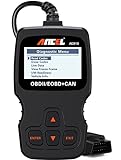
To effectively diagnose a sluggish car, you must follow a systematic approach, starting with the simplest and most common checks before moving to more complex possibilities. First, observe the specific symptoms and note when they occur. Then, check for a “Check Engine” light; if it’s on, use an OBD-II scanner to retrieve the diagnostic trouble codes (DTCs). If there’s no light, proceed with inspecting basic maintenance items like the engine air filter, spark plugs, and fluid levels. From there, you can move on to evaluating the fuel, air, and exhaust systems.
A logical diagnostic process saves you time and money by preventing you from jumping to expensive conclusions. For example, don’t assume you need a new fuel pump before first checking the condition of your fuel filter, which is a much cheaper and easier fix.
Here is a step-by-step diagnostic checklist:
- Check for a Check Engine Light: If the light is on, this is your most important clue. Use an OBD-II scanner to read the codes. The code will point you to a specific system or sensor (e.g., P0301 for a cylinder 1 misfire, P0171 for a lean fuel condition).
- Inspect Basic Maintenance Items:
- Air Filter: Pull it out and inspect it. If it’s black or full of debris, replace it.
- Fluids: Check your engine oil and transmission fluid levels and condition. Low or dirty fluid can cause problems.
- Spark Plugs: If they haven’t been changed in over 60,000 miles, they are a prime suspect.
- Listen for Clues: Pay attention to sounds. A hissing noise could be a vacuum leak, while a whining from the rear could be a fuel pump.
- Evaluate the Fuel System: A professional can perform a fuel pressure test to check the health of your fuel pump.
- Inspect for Leaks: Look for vacuum leaks (cracked hoses) in the engine bay and signs of exhaust leaks (soot marks).
- Consider Other Factors: Check tire pressure and inspect brakes to ensure they aren’t dragging.
- Seek Professional Help: If you’ve gone through the basic checks and are still unsure, it’s time to consult a trusted mechanic. They have advanced tools to test sensors, catalytic converter efficiency, and transmission health.
How Can You Prevent Your Car From Feeling Sluggish In The Future?
Preventing your car from feeling sluggish primarily involves adhering to a consistent preventative maintenance schedule as outlined by your vehicle’s manufacturer. The most effective strategy is to be proactive rather than reactive. Key actions include regularly replacing filters, using high-quality fluids and fuel, and inspecting key components before they fail. This ensures all of your car’s vital systems can operate at peak efficiency, maintaining power and responsiveness over the long term.
Think of it as a health regimen for your car. Just as regular exercise and a good diet prevent health problems, regular maintenance prevents performance issues. Neglecting simple tasks allows small problems to grow into major ones that cause sluggishness and lead to expensive repairs.
Here is a preventative maintenance checklist to keep your car responsive:
* Replace the Engine Air Filter: Follow the recommended interval (typically every 12,000-15,000 miles) or sooner if you drive in dusty conditions.
* Replace the Fuel Filter: Adhere to the manufacturer’s schedule. This is often a forgotten maintenance item.
* Change Spark Plugs: Replace them according to the recommended service interval (this can range from 30,000 to 100,000 miles depending on the type).
* Use Quality Fuel: Stick to Top Tier rated gasoline when possible to help keep fuel injectors clean.
* Perform Regular Fluid Changes: Ensure your engine oil and transmission fluid are changed on schedule.
* Keep Tires Properly Inflated: Check your tire pressure monthly.
* Pay Attention to Warning Signs: Address any new noises, smells, or minor performance changes promptly before they escalate.
FAQs About why does my car feel sluggish
Can a Sluggish Car Be Driven Safely?
Driving a sluggish car is generally not recommended as it signals an underlying problem that could worsen, lead to an unexpected breakdown, or compromise your safety. While a minor issue might seem harmless, it could be masking a more serious fault. For instance, a problem causing hesitation could be dangerous when you need to accelerate into traffic. It’s always safest to get the issue diagnosed and repaired promptly.
Why Does My Car Feel Sluggish But There’s No Check Engine Light?
A car can feel sluggish without a check engine light because many mechanical or minor performance issues don’t immediately trigger a diagnostic trouble code. Common culprits include a moderately clogged air or fuel filter, worn spark plugs that haven’t yet caused a consistent misfire, dragging brakes, or simply low-quality fuel. The issue has to fall outside of specific parameters monitored by the ECU to turn on the light.
How Much Does It Cost To Fix a Sluggish Car?
The cost to fix a sluggish car varies dramatically, from under $50 to several thousand dollars, depending entirely on the cause. Replacing an air filter is a simple, inexpensive DIY fix. Cleaning a sensor might cost around $100. However, replacing a clogged catalytic converter can cost $500 to $2,500+, and a failing transmission repair could be $1,500 to $5,000+. A proper diagnosis is essential to determine the cost.
How Long Can I Drive a Car That Feels Sluggish?
It is highly advisable to address a sluggish car as soon as possible and avoid driving it for extended periods. Continuing to drive with a performance issue risks causing cascading damage to other components. For example, a simple misfire can eventually destroy a costly catalytic converter. To ensure your safety and avoid more expensive repairs down the road, get the vehicle inspected promptly.
Is It Worth Fixing an Old Car That Feels Sluggish?
Whether it’s worth fixing an old, sluggish car depends on the repair cost versus the vehicle’s overall value and reliability. If the fix is inexpensive (e.g., new spark plugs or a filter), it’s almost always worth it. If the diagnosis points to a major repair like a new transmission, you should compare that cost to the car’s market value. If the car is otherwise in good condition, the repair may extend its life significantly.
Can Weather or Temperature Affect My Car’s Responsiveness?
Yes, extreme weather can affect your car’s responsiveness. In very cold weather, engine oil and other fluids are thicker, which can make the engine feel slightly sluggish until it fully warms up. Extremely hot and humid weather can also slightly reduce engine power because the air is less dense, meaning there is less oxygen available for combustion in each cylinder.
How Does Low Engine Oil Affect Car Performance?
Low engine oil can make a car feel sluggish by increasing internal friction and heat, forcing the engine to work harder. Proper oil levels are crucial for lubricating moving parts. When the level is too low, friction increases, which robs the engine of power and can lead to severe, permanent damage. This increased strain can be perceived as sluggish performance.
Could a Tire Problem Make My Car Feel Sluggish?
Yes, a tire problem is an often-overlooked cause of sluggishness. Significantly underinflated tires dramatically increase rolling resistance, which is the force your engine must overcome to move the car. This added drag forces the engine to work harder, resulting in sluggish acceleration and poor fuel economy. Always ensure your tires are inflated to the pressure recommended on the driver’s side doorjamb.
Does a Car’s Age Make It More Prone To Sluggishness?
Yes, a car’s age and mileage directly correlate with its likelihood of feeling sluggish. Over time, components naturally wear out. Filters become clogged, sensors may start to fail, carbon deposits build up in the engine, and parts of the fuel and ignition systems degrade. This gradual decline in efficiency across multiple systems is why regular maintenance becomes even more critical for older vehicles to maintain their performance.
Should I Use Fuel Additives To Fix Sluggishness?
While some fuel additives can help with minor issues like cleaning dirty fuel injectors, they are not a cure-all for a sluggish car. An additive cannot fix a failed sensor, a clogged fuel filter, or a mechanical problem. It’s best to view them as a potential part of preventative maintenance rather than a solution to an existing performance problem. A proper diagnosis should always be your first step.
Key Takeaways: Why Your Car Feels Sluggish Summary
Understanding why your car feels sluggish is the first step toward restoring its performance. The issue is almost always a symptom of a problem in one of the vehicle’s core systems. By taking a methodical approach, you can effectively identify the root cause.
- Systematic Approach is Best: Sluggishness is typically caused by a problem in the fuel, air, ignition, or exhaust systems. A systematic check of these areas is the most efficient way to diagnose the issue.
- Maintenance is Key: Many causes of sluggishness, like clogged air and fuel filters or worn spark plugs, are preventable with regular maintenance.
- Don’t Ignore the Check Engine Light: If this light is on, it is your most valuable clue. Use an OBD-II scanner to read the code and narrow down the problem.
- No Light Doesn’t Mean No Problem: Many mechanical issues, such as dragging brakes or a moderately restricted filter, can cause sluggishness without triggering a warning light.
- When in Doubt, Consult a Pro: While many basic checks can be done at home, complex issues involving sensors, transmissions, or catalytic converters are best left to a professional mechanic.
Final Thoughts on Why Your Car Feels Sluggish
When your car feels sluggish, it’s not just an annoyance; it’s your vehicle’s way of telling you that something needs attention. By understanding the common culprits—from a simple dirty air filter to a more complex sensor failure—you are empowered to take control of the situation. A logical, step-by-step diagnostic process, starting with the easiest and cheapest fixes, can save you from unnecessary stress and expense.
Ultimately, the best defense against sluggish performance is consistent, proactive maintenance. Adhering to your car’s service schedule is the most effective way to ensure all its interconnected systems work in harmony. Whether you perform the checks yourself or rely on a trusted professional, addressing the root cause of sluggishness will not only restore your car’s power but also ensure its long-term health and reliability.
Last update on 2026-03-19 / Affiliate links / Images from Amazon Product Advertising API


