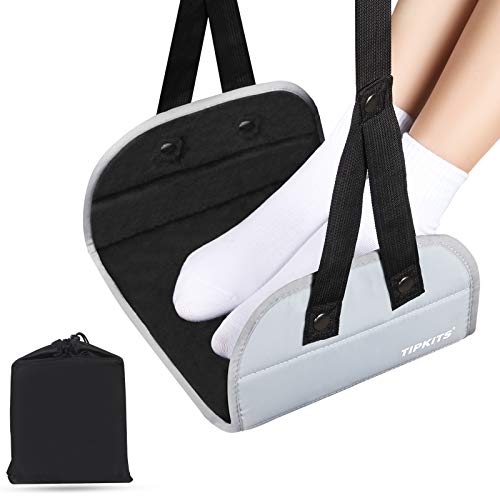
Do your feet swell when you travel by car? Many people experience uncomfortable foot and ankle swelling after long road trips, leaving you wondering why this happens. It’s a common, yet often puzzling, discomfort during travel.
Feet swelling during long car trips, or travel edema, is the result of gravity pulling blood and fluid down into the lower legs, where immobility prevents calf muscle contractions from pushing it back toward the heart, leading to temporary, usually benign swelling. This physiological response is normal.
Drawing from medical guidelines and practical experience, we delve into the core causes and effective solutions for this common travel issue. You’ll learn how to prevent edema from car travel and identify signs when you need to seek physician advice for swollen feet travel.
Key Facts
- Fluid accumulation is key: Prolonged sitting for a long time during car travel is the primary reason for fluid pooling in the lower extremities.
Gravitational edema is common: Feet swelling when driving is mostly a benign condition, known scientifically as gravitational edema.
DVT is a serious risk: Unilateral swelling (one leg only) after a car ride can be a critical sign of Deep Vein Thrombosis (DVT), requiring immediate medical attention.
Movement prevents swelling: Regular breaks and in-seat exercises are the most effective ways to prevent feet swelling car travel by activating the calf muscle pump.
Compression socks help: Wearing mild compression socks for travel aids venous return, significantly reducing fluid buildup and swelling.
Why Do My Feet Swell When I Travel By Car?
Feet swell during car travel primarily due to gravitational edema, which is the accumulation of fluid in the lower extremities caused by prolonged sitting and lack of muscle movement, which impairs venous return. This common phenomenon is typically a benign physiological response.
This occurs because when you sit for a long time, especially without shifting position, the calf muscles remain inactive. These muscles normally act as a “second heart,” pumping blood from your lower legs back up to your heart. Without this crucial pumping action, gravity pulls blood and other fluids downwards. This fluid then starts to pool in the small blood vessels and surrounding tissues of your feet and ankles. The resulting pressure causes the capillaries to leak, leading to the noticeable puffiness and heaviness often experienced as swollen feet after long road trip. While generally harmless, understanding this process is the first step in managing and preventing it.

Many individuals experience this discomfort, and it’s important to differentiate between normal fluid retention and more serious conditions. Generally, this temporary swelling resolves with movement and elevation. However, vigilance for certain symptoms, particularly those signaling a risk of a blood clot, is essential. Medical guidelines for travel thrombosis consistently advise awareness and preventative measures to maintain circulatory health during extended periods of immobility. This includes referencing trusted health source for leg swelling information, not just anecdotal advice.
- Important Safety Note: While often harmless, it’s crucial to distinguish common travel edema from more serious conditions. Always prioritize physician advice swollen feet travel if symptoms are severe or unusual.
What Are The Primary Causes Of Swollen Feet During Car Travel?
The primary causes of swollen feet while driving are prolonged immobility, which stops the calf muscles from contracting to aid venous return, and gravity, which pulls fluid and blood downwards, leading to a condition known as gravitational edema. This mechanical failure is central to fluid accumulation.
When you are sitting for a long time in a car, your leg muscles, particularly the powerful calf muscles, are mostly inactive. These muscles usually contract with every step you take, acting as a pump to push deoxygenated blood and lymphatic fluid from your lower extremities back towards your heart. This crucial process is known as venous return. In the absence of this calf muscle pump action, gravitational forces consistently pull fluids downward. This leads to a fluid buildup and swelling in the feet and ankles, a direct consequence of the lack of movement.
Several factors exacerbate this situation. The veins in your legs have one-way valves that prevent blood from flowing backward. Prolonged sitting can place sustained pressure on these veins, potentially affecting valve function over time, further hindering efficient blood circulation. Moreover, the body’s general circulatory system and long travel are intimately linked; any pre-existing conditions like chronic venous insufficiency (CVI) or even subtle changes in blood pressure during driving can make individuals more susceptible to this type of edema from car travel. The pathophysiology of gravitational edema involves these complex interactions.
Mechanism: The Calf Pump Fails
The lack of engagement from the calf muscle pump during prolonged sitting is the primary mechanical failure that allows fluid to pool in the lower extremities due to gravity. Think of your veins like a river, and your calf muscles like a series of small dams and pumps that keep the water flowing upstream. When these pumps are not actively pushing, the “river” becomes stagnant, and water (fluid) begins to collect at the lowest points. This explains why your feet puff up during car rides and experience leg and ankle edema. Understanding how muscle contraction aid circulation is vital here.
How Do Diet, Hydration, and Heat Affect Car Travel Edema?
Detailed breakdown of controllable contributing factors.
High sodium intake, dehydration, and high environmental heat are three key factors that worsen travel-related foot swelling by increasing water retention and promoting the dilation (expansion) of blood vessels, which leads to increased fluid leakage into surrounding tissues. Managing these elements helps prevent discomfort.
- Sodium Intake: Eating foods high in sodium causes your body to retain water. This happens because salt disrupts the natural balance of fluids and electrolytes, leading your body to hold onto extra water to dilute the sodium. This additional fluid volume further contributes to the fluid pooling caused by immobility, exacerbating edema from car travel. Studies show a direct link.
Dehydration: Counterintuitively, dehydration effects on swelling can be significant. When your body is dehydrated, it tries to conserve water, which can sometimes lead to increased fluid retention in tissues. Moreover, proper hydration supports healthy blood viscosity, making it easier for blood to flow. Without enough water, your blood can thicken slightly, making venous return more challenging.
Heat Exposure: High environmental heat (common in car cabins) causes your blood vessels to dilate, a process called vasodilation. When blood vessels expand, they become more permeable. This allows more fluid to leak from the capillaries into the surrounding interstitial tissues. This effect compounds the issues of immobility and gravity, making your feet swell more noticeably.
When Should I Worry About Swollen Feet After A Long Car Ride?
You should worry about swollen feet after a long car ride if you experience symptoms like unilateral swelling, intense pain or tenderness in the calf or thigh, redness or discoloration of the skin, and a feeling of warmth, as these are the hallmark signs of a potential Deep Vein Thrombosis (DVT) requiring immediate medical attention. These symptoms differentiate DVT from benign travel edema.
While mild, temporary leg and ankle edema after car travel is very common and usually harmless, certain symptoms demand urgent attention. The primary concern is Deep Vein Thrombosis (DVT), a serious condition where a blood clot forms in a deep vein, most often in the leg. Prolonged periods sitting greatly increase this risk. Recognizing the difference between benign foot swelling travel and DVT is vital for your health and safety.
What most guides miss: It’s not just the presence of swelling, but its characteristics, that signal potential danger. Unilateral foot swelling after driving, meaning only one leg swells, is a significant red flag. Normal gravitational edema almost always affects both feet. Any severe, persistent foot swelling after travel, accompanied by specific warning signs, warrants immediate medical evaluation. Official clinical recommendations DVT strongly emphasize early detection.
| Symptom/Characteristic | Normal Travel Edema | Deep Vein Thrombosis (DVT) |
|---|---|---|
| Location | Bilateral (Both feet/ankles) | Unilateral (One leg only) |
| Pain Level | Mild discomfort or none | Severe pain, tenderness, or cramping |
| Skin Appearance | Puffy, pale | Redness, heat, or noticeable discoloration |
| Pitting | Yes, finger impression remains briefly | Usually minimal or none |
| Resolution | Resolves quickly with walking/elevation | Requires medical treatment |
| Fever/Sickness | None | Possible low-grade fever or general malaise |
- Immediate Action Required: If you experience any of the DVT symptoms, particularly unilateral swelling, intense pain, redness, or warmth, seek a doctor or emergency care immediately. This is not a situation for self-treatment or waiting. Physician advice swollen feet travel strongly recommends this urgency.
Several factors increase your risk for DVT during long road trips, including age, obesity, pregnancy, a history of blood clots, certain medical conditions like cancer, and the use of estrogen-containing medications. Understanding these risk factors is part of a comprehensive DVT prevention strategy. A vascular specialist opinion on leg swelling can provide personalized guidance.
What Are The Best Preventative Strategies to Stop Feet From Swelling When Driving?
To prevent foot swelling during car travel, follow these steps: 1. Take a 15-minute walking break every 2 hours. 2. Wear light-grade compression socks. 3. Perform in-seat ankle pumps and leg raises every 30 minutes. 4. Stay well-hydrated with water and limit salty snacks. These actions directly counter the causes of edema.
The good news is that preventing feet swelling car travel is largely within your control. Simple, proactive strategies can significantly reduce or eliminate discomfort during and after long drives. The goal is to counteract the effects of gravity and immobility. These tested remedies for travel edema relief focus on maintaining good circulation.
👠 Movement Strategy
- Schedule Regular Rest Stops: The most effective prevention is to schedule regular rest stops, ideally every two hours. Use this time to get out of the car and walk for 10-15 minutes. This reactivates your calf muscle pump, forcing pooled fluid back into circulation. This simple act of stretching calf muscles during breaks is incredibly powerful.
Perform In-Seat Exercises: While driving, mobilize feet and legs while sitting regularly. Simple ankle pumps, foot rotations, and seated leg raises every 30 minutes can make a big difference. Even slight movements activate the calf muscles enough to improve blood flow.
Adjust Your Seating: Ensure your car seat position for circulation is optimized. Avoid crossing your legs for prolonged periods, as this can further restrict blood flow. Ensure your feet are flat on the floor or a footrest if possible.
Wear Compression Socks: Light-grade compression socks for travel (8-15 mmHg or 15-20 mmHg) are highly effective. These socks apply gentle pressure to your lower legs, helping to push fluid upward and preventing it from pooling. They act as an external support for your venous return mechanism. Physician advice often includes this recommendation.
Stay Hydrated and Watch Your Diet: Increase hydration before trip and during. Drink plenty of water and avoid excessive sodium intake. Water helps maintain healthy blood volume, while limiting salt reduces fluid retention. Opt for fresh fruit and non-salty snacks.
How To Perform The Best In-Seat Exercises To Improve Circulation
Step-by-step instructional guide.
To keep blood flowing while seated, perform ankle pumps by raising your toes then your heels repeatedly, and rotate your feet clockwise and counter-clockwise in sets of ten every 30 minutes. These specific exercises to do while sitting in a car to prevent swollen feet are highly effective.
Here are some of the best exercises to prevent foot swelling while driving:
- Ankle Pumps: While seated, point your toes towards your shins (lifting the front of your foot), then point them away from you (pushing your heel down). Repeat this pumping motion 10-15 times for each foot. This actively engages your calf muscles.
Foot Rotations: Lift your foot slightly off the floor. Rotate your ankle in a circular motion, first clockwise 10 times, then counter-clockwise 10 times. This helps mobilize feet and legs while sitting and improves joint flexibility and circulation.
Heel Slides: Keeping your heel on the floor, slide your foot back and forth, bending and straightening your knee. This helps with gentle knee and ankle movement, promoting blood flow through your lower leg.
Seated Leg Raises: Lift one leg a few inches off the floor, holding it briefly before lowering. Repeat 10-15 times per leg. This engages the thigh and hip muscles, which indirectly aids overall leg circulation. Perform these exercises for improving leg circulation every 30-60 minutes. It’s a practical tip to perform these at red lights or during traffic slowdowns.
How Can I Quickly Reduce Swollen Feet and Ankles After Arriving?
To reduce swollen feet quickly after a car trip, you should elevate your legs above heart level for 20-30 minutes and engage in light walking to reactivate the calf muscle pump and accelerate fluid drainage. These actions address the fluid pooling effectively.
Even with the best preventative measures, some mild swelling might still occur after a very long drive. Fortunately, there are immediate, effective strategies to reduce swollen feet driving once you arrive at your destination. These verified home remedies for foot swelling focus on assisting your body’s natural fluid drainage.
- Elevation: This is arguably the most effective immediate remedy. Elevate your legs above the level of your heart for 20-30 minutes. You can do this by lying down and propping your feet up on pillows or against a wall. Gravity will then work in your favor, helping to drain the pooled fluid back towards your torso.
Light Walking: After elevating, engage in some light walking for 5-10 minutes. This reactivates the calf muscle pump, which might be stiff from immobility. The rhythmic contraction and relaxation of these muscles will help push residual fluid out of your lower extremities. This movement prevents blood pooling.
Hydration: Continue to drink plenty of water. Rehydrating your body helps it flush out excess sodium and regulate fluid balance. Avoid sugary drinks or alcohol, which can worsen dehydration and fluid retention.
Cool Compresses (Optional): While not a primary solution, applying cool compresses to your feet and ankles can provide symptomatic relief and help constrict blood vessels slightly, potentially reducing swelling. This is more for comfort than a primary fluid reduction method.
Most benign travel-related swelling will resolve within 12-24 hours after implementing these steps. If the swelling persists beyond this timeframe, or if you notice any other concerning symptoms, consult a physician.
Frequently Asked Questions About Why Feet Swell When I Travel By Car
What Kind of Compression Socks Are Best For Car Travel?
The best compression socks for car travel are typically a mild, over-the-counter graduated compression of 8-15 mmHg or 15-20 mmHg. This light pressure is adequate to assist the venous return mechanism in the lower legs without being overly restrictive for healthy individuals. Look for knee-high socks, as they ensure pressure is applied up to the calf to fully aid in pushing pooled fluid back toward the heart.
Is It Safe To Drive With Swollen Feet?
Driving with mild, typical travel swelling (edema) is generally safe, as the condition is temporary and harmless, but you should not drive if the swelling is severe or accompanied by significant pain. Severe, unilateral swelling with pain requires immediate medical attention and driving is strongly discouraged as it could be a sign of DVT, which carries the risk of a pulmonary embolism.
Why Does Only One Foot Swell After Driving?
If only one foot swells after a long car ride, it is a significant warning sign that you should seek medical attention promptly. While bilateral (both feet) swelling is usually benign edema, unilateral swelling can be a key symptom of a localized, serious condition like Deep Vein Thrombosis (DVT), a blood clot, or an infection, which are not caused by simple prolonged sitting.
Can Heat and Humidity Make Car Travel Swelling Worse?
Yes, heat and humidity significantly worsen travel swelling because high temperatures cause the blood vessels (veins and capillaries) to naturally dilate (expand). This increased vasodilation makes the vessel walls more permeable, allowing more fluid to leak out into the surrounding tissues, which compounds the effect of reduced venous return from sitting, leading to more noticeable edema.
How Does Car Travel Swelling Compare To Air Travel Swelling?
The underlying cause of swelling is nearly identical for both car and air travel, driven by prolonged immobility and the effect of gravity. While air travel may involve minor factors like lower cabin pressure and dry air, the primary mechanism in both is the lack of calf muscle activity that leads to gravitational edema. Therefore, the prevention and remedies are largely the same.
Are Seniors More Prone To Foot Swelling On Road Trips?
Yes, seniors are generally more prone to foot swelling on road trips due to natural age-related changes in the circulatory system. Veins can lose some elasticity over time, and a sedentary lifestyle is often more common. Additionally, the risk of underlying cardiovascular conditions and Deep Vein Thrombosis (DVT) increases with age, making preventative measures like compression socks even more critical.
What Should I Eat And Drink Before A Long Car Journey To Prevent Swelling?
To minimize swelling, you should focus on increasing your water intake to ensure proper hydration and severely limit your consumption of high-sodium foods. High sodium (salt) leads to water retention in the body, which exacerbates the natural fluid pooling caused by prolonged sitting. Opt for fresh fruits, vegetables, and low-sodium snacks instead of fast food or processed meals.
Does Driving Barefoot Help Prevent Swollen Feet?
Driving barefoot may provide slight temporary comfort but does not address the underlying physiological cause of swelling, which is the lack of muscle movement, not shoe constriction. Comfortable, loose-fitting shoes or, ideally, light compression socks and regular breaks are the only effective non-medical preventative measures. In fact, tight shoes are only an issue if the foot has already swelled.
Is Ankle Swelling Normal After A Road Trip?
Mild, temporary swelling in both ankles and feet after a long road trip is considered normal and is classified as common gravitational edema. This typically resolves completely within a few hours to a day with elevation and movement. It is a predictable physiological response to the combination of gravity and prolonged immobility in a seated position.
How Do Changes In Air Pressure Affect Car Travelers’ Feet?
Unlike air travel, where reduced cabin pressure is a minor contributing factor, atmospheric pressure changes have a negligible or minimal effect on swelling during car travel. Car cabins maintain pressure close to the outside atmosphere, meaning the swelling experienced during driving is almost entirely attributable to the mechanical failure of the calf muscle pump due to lack of movement.
Key Takeaways: Why Feet Swell When I Travel By Car Summary
- The Primary Cause is Benign Gravitational Edema: The swelling is a common, harmless physiological response to the combination of gravity and sitting for a long time without movement, which prevents the calf muscles from pumping blood back up.
- Severe, Unilateral Swelling is a Critical Red Flag: If you experience severe pain, warmth, redness, or swelling in only one leg (unilateral), seek immediate medical attention, as these are the hallmark signs of Deep Vein Thrombosis (DVT), a serious blood clot risk.
- Movement is the Most Effective Preventative Action: The gold standard for prevention is to schedule regular rest stops (every two hours) for a short walk and to perform in-seat ankle exercises every 30 minutes while driving.
- Compression Socks Act as Your Auxiliary Calf Pump: Wearing mild, graduated compression socks (8-15 mmHg) significantly aids venous return by applying external pressure to the veins, compensating for the lack of muscle contraction.
- Diet and Hydration are Major Exacerbating Factors: High sodium intake and dehydration effects on swelling will significantly worsen fluid retention; prioritize water and low-sodium snacks before and during the long car drive.
- Resolution is Quick with the Right Post-Trip Action: You can reduce swollen feet driving quickly by elevating them above the level of your heart for 20 minutes and engaging in light stretching or walking immediately after arrival.
- Physician Advice Is Crucial for Underlying Conditions: Individuals with existing circulation issues, chronic venous insufficiency (CVI), or heart problems should always consult their doctor for personalized DVT prevention strategies before undertaking long road trips.
Final Thoughts on Why My Feet Swell When I Travel By Car
Understanding why your feet swell when you travel by car transforms a common discomfort into a manageable aspect of road trips. This comprehensive guide has explored that the primary reason is the benign gravitational edema, driven by prolonged immobility and the relentless pull of gravity on fluids. We’ve seen how simple yet effective strategies, from regular movement and targeted in-seat exercises to wearing compression socks and managing your diet, can prevent feet swelling car travel.
Crucially, we’ve also highlighted the critical importance of recognizing the warning signs of a Deep Vein Thrombosis (DVT), ensuring you know when to seek medical attention. By implementing these travel-smart tips, you can manage edema on road trips, ensuring your journeys remain comfortable and healthy. Equipping yourself with this knowledge empowers you to proactively care for your circulatory health, making every mile a more enjoyable experience. Drive safely, and keep those feet happy!