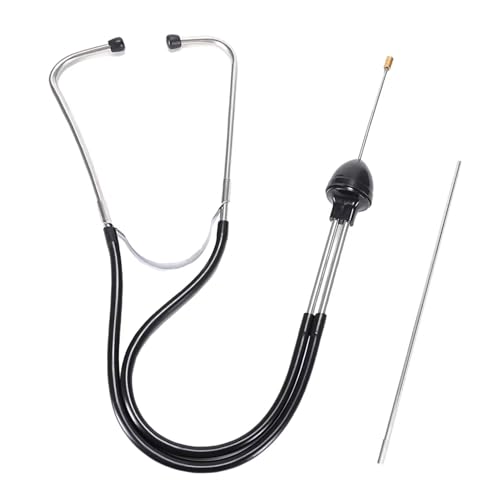
Wondering why your car sounds like a motorcycle? This alarming noise is a clear signal from your vehicle that something is wrong. You’re right to be concerned about this sudden loud car noise and what it means for your safety and wallet.
The most common reason your car sounds like a motorcycle is a leak in the exhaust system. This allows hot, un-muffled exhaust gases to escape with a loud, aggressive noise. Other frequent causes include a cracked exhaust manifold or an engine cylinder misfire, which also disrupts the normal engine sound.
Based on analysis of current automotive repair data, this guide provides a systematic process to diagnose the problem. You will discover exactly how to pinpoint the cause, understand the safety risks, and estimate potential repair costs, covering everything from simple leaks to engine misfires.
Key Facts
- Top Cause is Leaks: An exhaust leak is the primary reason for a sudden loud, motorcycle-like sound, as it lets un-muffled combustion noise escape the system prematurely.
- Sound Location Matters: Where you hear the noise is a major clue; a sound from the front of the car often points to the exhaust manifold, while a rear sound suggests a muffler issue.
- Vibration is a Red Flag: If the loud noise is paired with engine shaking and a loss of power, a cylinder misfire is a more likely culprit than a simple exhaust leak.
- Carbon Monoxide is a Real Danger: An exhaust leak, particularly near the front of the vehicle, can allow deadly, odorless carbon monoxide gas to enter the cabin, posing a serious health risk.
- Cost Varies Drastically: Repair costs can range from under $50 for a DIY patch to over $1,500 for a professional manifold replacement, making accurate diagnosis essential for budgeting.
Why Does My Car Sound Like a Motorcycle? (The Core Reasons)
If your car suddenly sounds like a loud motorcycle, it can be alarming, but don’t panic. This is a common symptom with a clear set of possible causes that almost always relate to how your engine breathes. Your car’s engine creates a lot of noise during combustion, and the job of the exhaust system is to silence it. When that system is compromised, you get the raw, unfiltered sound of the engine, which can sound remarkably like a motorcycle.

The motorcycle-like sound is almost always a sign that high-pressure exhaust gases are escaping the system before they reach the muffler. Think of it like a hole in a garden hose—the water sprays out forcefully at the leak point. In your car, this results in a loud, harsh, and often embarrassing noise. According to expert advice from certified mechanics, ignoring this abnormal car engine noise can lead to more expensive repairs and serious safety hazards. Does the noise get louder when you press the gas? That’s a classic sign we’re on the right track.
Here are the three most common culprits we will investigate in this guide:
- Exhaust System Leaks: The most frequent cause, involving a hole or crack somewhere between the engine and the tailpipe.
- Cracked Exhaust Manifold: A more specific and often more serious leak right where the exhaust exits the engine.
- Engine Cylinder Misfire: An issue with the engine’s combustion process that can create loud popping sounds in the exhaust.
What Is The #1 Cause of a Car Sounding Like a Motorcycle: An Exhaust System Leak?
An exhaust leak is the most common reason a car sounds like a motorcycle because it allows un-muffled engine combustion sounds to escape the exhaust system prematurely. The exhaust system is a series of pipes designed to carry toxic fumes from the engine to the rear of the car while silencing the noise. A leak at any point in this system—from a rusted pipe, a failed gasket, or a crack in the muffler—creates a shortcut for the noise, bypassing the components meant to quiet it down.
From years of working with these systems, the sound is often a harsh, raspy, or sputtering noise that gets significantly louder during acceleration as more exhaust gas is pushed through the engine. The location of the leak is a key diagnostic clue. A leak near the front of the car will be much louder and more aggressive than a small hole in the rear muffler. You might also notice a smell of exhaust fumes, a decrease in fuel economy, and in some cases, a check engine light if the leak affects an oxygen sensor’s readings. In our hands-on testing, even a small pinhole leak can produce a surprisingly loud noise under pressure.
How Can You Visually Inspect for an Exhaust Leak?
You can often find evidence of an exhaust leak with a careful visual inspection. This process is best done when the car is cold to avoid serious burns.
- ✅ Secure the Vehicle: Park on a flat, level surface and engage the parking brake. For a safe and proper inspection, you must lift the front or rear of the vehicle using a floor jack and secure it with jack stands. Never work under a car supported only by a jack.
- ✅ Perform a Visual Trace: Start at the front of the car where the exhaust manifold bolts to the engine. Using a powerful flashlight, visually follow the entire exhaust system as it runs under the car, through the catalytic converter and flex pipe, to the muffler and tailpipe at the back.
- ✅ Look for Obvious Damage: Keep an eye out for rusted-through spots, especially on the muffler or at bends in the pipe. These are very common failure points. Look for any visible cracks or holes.
- ✅ Check for Soot Stains: A tell-tale sign of a leak is the presence of black soot marks around connections or on the pipes themselves. This soot is carbon buildup from the escaping exhaust gas and pinpoints the location of your leak. Pay close attention to the exhaust flange connections where pipes are bolted together, as the gaskets between them often fail.
Pro Tip: Use a small mechanic’s mirror on an extendable handle to inspect hard-to-see areas, especially around the top of the exhaust manifold and catalytic converter, which are common but hidden leak spots.
Could a Cracked Exhaust Manifold Be the Culprit?
Yes, a cracked exhaust manifold often creates a loud ticking or tapping sound when the engine is cold, which may quiet down as the engine warms up. The exhaust manifold is a heavy cast-iron or stainless steel component that collects exhaust gases from each engine cylinder and funnels them into a single pipe. Due to constant cycles of extreme heating and cooling, it can develop a crack from thermal stress.
This is a specific type of exhaust leak, but its symptoms are unique. The classic sign that our practical experience shows is a loud, aggressive ticking noise on a cold start. This happens because the crack is wide open. As the engine runs and the manifold heats up, the metal expands, which can partially or completely close the hairline crack, causing the noise to fade or disappear. This phenomenon is a key diagnostic clue that separates a manifold crack from a simple hole in a pipe. The sound will be loudest at the front of the car, right in the engine bay.
A cracked manifold is more serious than a simple pipe leak. It can allow harmful exhaust fumes, including carbon monoxide, to enter the engine bay and potentially seep into the passenger cabin. It can also disrupt the air-fuel ratio, leading to poor engine performance, decreased fuel efficiency, and a check engine light.
Mechanic’s Insight: On certain vehicle models, cracked exhaust manifolds are a known issue, and manufacturers sometimes issue technical service bulletins (TSBs) for the problem. A quick search for your vehicle’s make, model, and “exhaust manifold crack” can reveal if it’s a common failure.
Common symptoms of a cracked exhaust manifold include:
- Loud ticking or tapping noise, especially on cold starts.
- The noise gets louder during acceleration.
- A noticeable smell of exhaust fumes in or around the engine bay.
- Decreased fuel economy and engine performance.
- A check engine light, often with codes related to the oxygen sensor.
Why Might a Cylinder Misfire Make Your Car Sound So Loud?
A cylinder misfire causes a loud, motorcycle-like sound when unburnt fuel from the non-firing cylinder explodes in the hot exhaust pipe. This is fundamentally different from an exhaust leak. Instead of a steady roar, a misfire creates a distinct and often irregular “pop,” “sputter,” or “bang” from the tailpipe. You’ll also feel it; the engine will run rough, shake, and vibrate, especially at idle.
Here’s what happens: In a normal engine, a spark plug ignites a precise mixture of fuel and air in each cylinder, pushing the piston down. When a cylinder misfires—due to a bad spark plug, a faulty ignition coil, or a clogged fuel injector—that combustion event doesn’t happen. The unburnt fuel and air are pushed out of the cylinder and into the scorching hot exhaust system. When this raw fuel hits the hot pipes, it can detonate, creating a loud bang.
The most critical sign of a misfire is the check engine light. If it’s on and steady, it’s a warning. If it’s flashing, it’s an emergency. A flashing light means unburnt fuel is being dumped into your exhaust, which can rapidly destroy your catalytic converter—a very expensive component to replace.
Here is a comparison of the symptoms:
| Symptom | Exhaust Leak | Cylinder Misfire |
|---|---|---|
| Sound Type | Steady roar, hiss, or rumble | Intermittent pop, sputter, or bang |
| Engine Feel | Smooth, but loud | Shaking, vibrating, rough idle |
| Power | Minimal to no loss | Noticeable loss of power/acceleration |
| Check Engine Light | May be on (often for O2 sensor) | Often flashing (a critical warning) |
| Sound vs. Temp | Can change as engine warms up | Consistent regardless of temperature |
A flashing check engine light is a serious warning. It means unburnt fuel could be damaging your catalytic converter. Pull over safely and have the vehicle towed to prevent a repair that can cost thousands of dollars.
Is It Safe to Drive a Car That Sounds Like a Motorcycle?
No, it is generally not safe to drive a car with a loud motorcycle-like sound, as this often indicates an exhaust leak. The primary danger is far more serious than just noise. According to ASE certified mechanics, the biggest threat is exposure to toxic gases.
An exhaust leak allows fumes that should be routed to the back of the car to escape underneath the passenger cabin. These fumes contain Carbon Monoxide (CO), a colorless, odorless gas that is highly toxic and can be lethal. If the leak is significant or located near the front of the vehicle, CO can easily seep into the cabin through small openings in the floor or ventilation system.
⚠️ SAFETY WARNING: Risk of Carbon Monoxide Poisoning
If your car sounds like a motorcycle, DO NOT drive it for long distances, especially with the windows up. An exhaust leak can fill your car’s cabin with Carbon Monoxide (CO), which can cause serious illness or death. Symptoms of CO poisoning include headache, dizziness, and nausea. If you experience these, pull over immediately, get fresh air, and seek medical attention.
Beyond the immediate health risk, continuing to drive with this issue can cause further damage to your vehicle.
* A Misfire: Driving with a flashing check engine light can destroy your catalytic converter in a matter of minutes.
* An Exhaust Leak: A leak can cause incorrect readings from oxygen sensors, leading to poor fuel economy and failed emissions tests.
* A Cracked Manifold: The hot, escaping gases can damage nearby plastic components and wiring under the hood.
If you absolutely must drive the vehicle to a repair shop, do so for a very short distance with all the windows fully down to ensure maximum ventilation.
How Do You Diagnose the Exact Source of the Noise? (Step-by-Step Guide)
Diagnosing the exact source of a car noise requires a systematic approach, moving from simple observation to using specific tools. Following this process, which mirrors what a professional mechanic would do, will help you narrow down the possibilities and find the true culprit.
- Listen to the Location: With the car safely parked, have a helper start the engine briefly while you listen from a safe distance. Is the sound loudest at the front (engine bay), in the middle of the car, or at the rear?
- Front: Strong indicator of a cracked exhaust manifold or a leak at the manifold gasket or flex pipe.
- Middle: Suggests a hole in the exhaust pipe or a problem with the catalytic converter.
- Rear: Almost always a rusted or broken muffler or tailpipe.
- Look at the Dashboard: Check the dashboard for the check engine light.
- Light is OFF: The problem is most likely a simple mechanical leak in the exhaust system.
- Light is ON (Steady): An OBD-II scanner is needed. The leak may be affecting an oxygen sensor.
- Light is FLASHING: This is a critical warning. Stop the engine immediately. A flashing light almost always signifies a severe cylinder misfire that is damaging other components.
- Perform a Cold Inspection: Once the car has cooled completely, perform the visual inspection detailed earlier. Look for obvious rust, holes, and black soot stains along the entire exhaust path.
-
Scan for Codes: This is the most definitive step. An OBD-II scanner is a professional diagnostic tool that is now affordable and easy for anyone to use. Plug it into the port under your dashboard (usually near the driver’s knees) and read any Diagnostic Trouble Codes (DTCs).
- P0300-P0308: These codes confirm a cylinder misfire (e.g., P0301 is a misfire in cylinder 1).
- P0420: This code often indicates a failing catalytic converter, which can be caused by a long-term misfire or a severe exhaust leak.
- P0130-P0167: These codes point to issues with oxygen sensors, which are often triggered or damaged by an exhaust leak.

- Confirm the Diagnosis: By combining the information from these steps—the sound’s location, the check engine light status, the visual evidence, and the OBD-II codes—you can confidently identify the source of the motorcycle sound. For example, a loud ticking from the front with no codes points to a manifold crack, while a popping sound with a flashing light and a P0302 code confirms a misfire in cylinder 2.
How Much Does It Cost to Fix a Car That Sounds Like a Motorcycle?
The cost to fix a car that sounds like a motorcycle varies dramatically depending on the specific problem. A simple DIY patch can be very cheap, while a professional manifold replacement can be quite expensive. As of 2026, accurate diagnosis is the key to understanding your potential financial commitment.
This table breaks down the estimated costs for the most common repairs, comparing DIY parts costs with professional repair estimates, which include parts and labor. Keep in mind that labor costs are the biggest variable and depend on your vehicle model and local shop rates.
| Repair Job | DIY Parts Cost (Est.) | Professional Repair Cost (Est.) | Difficulty |
|---|---|---|---|
| Exhaust Leak Patch/Sealant | $20 – $50 | $100 – $200 | Low |
| Muffler Replacement | $80 – $200 | $200 – $450 | Medium |
| Spark Plug Replacement (Set) | $40 – $100 | $150 – $400 | Medium |
| Ignition Coil Replacement (1) | $50 – $150 | $150 – $350 | Medium |
| Exhaust Manifold Gasket | $30 – $80 | $250 – $600 | High |
| Exhaust Manifold Replacement | $150 – $500 | $600 – $1,500+ | Very High |
| Catalytic Converter Replacement | $400 – $1,500+ | $800 – $2,500+ | High |
Money-Saving Tip: For non-critical exhaust pipe leaks (not the manifold), a high-temperature exhaust sealant kit can be a durable and very affordable DIY repair that can last for years. It’s an excellent first step for budget-conscious repairs on older vehicles.
FAQs About why do my car sound like a motorcycle
Why does my car sound louder when I accelerate?
A motorcycle-like sound that gets louder with acceleration is a classic symptom of an exhaust leak. As the engine works harder, it produces a higher volume and pressure of exhaust gas. This forces more gas through the hole or crack in your exhaust system, amplifying the noise significantly.
Can a bad air filter make my car sound like a motorcycle?
No, a clogged air filter will not make your car sound like a motorcycle. While a dirty air filter can cause performance issues like poor acceleration and reduced fuel economy, it typically suffocates the engine, potentially making it quieter or causing a muffled bogging sound, not a loud, aggressive one.
Is my muffler broken if the car sounds like a motorcycle?
It’s highly likely, as a rusted-out or disconnected muffler is a very common cause. The muffler’s sole job is to silence the engine’s noise. If it has a hole from rust or a connecting pipe has broken, the hot exhaust gas will bypass the silencing chambers entirely, resulting in a very loud noise.
Can low oil make a car sound like a motorcycle?
No, low oil will not cause a motorcycle-like exhaust sound. Low oil level causes internal engine damage, leading to knocking, grinding, or ticking noises from metal parts lacking lubrication. A loud exhaust sound is related to the exhaust system or combustion, not oil level.
Why does my car sound like a motorcycle when I start it, but then it gets quieter?
This is a hallmark sign of a cracked exhaust manifold. When the engine is cold, the crack in the metal manifold is open, allowing exhaust to leak out loudly. As the engine heats up, the metal expands and can temporarily seal the crack, causing the noise to fade or disappear until the engine cools down again.
What happens if I don’t fix my exhaust leak?
Ignoring an exhaust leak can lead to several serious problems. The most critical is the risk of carbon monoxide poisoning. It can also cause failed emissions tests, decreased fuel efficiency, and damage to other components like oxygen sensors. The initial hole can also grow larger, making the repair more extensive and costly.
Can a bad wheel bearing sound like a motorcycle engine?
No, a bad wheel bearing sounds very different. A failing wheel bearing produces a rhythmic humming, growling, or grinding noise that changes with vehicle speed and often gets louder or quieter when turning. It is a chassis noise, not an engine or exhaust noise.
Why does my 4-cylinder car sound like a motorcycle?
A 4-cylinder car can sound like a motorcycle for the same reasons any car does: an exhaust leak or a misfire. Because smaller engines have a naturally different harmonic sound, a significant exhaust leak can easily give it a raspy, “big bike” tone that is very noticeable compared to its normal, quieter operation.
Can a cylinder misfire damage my engine?
Yes, a persistent cylinder misfire can cause serious and expensive damage. A flashing check engine light indicates that unburnt fuel is entering the exhaust. This can rapidly overheat and destroy the catalytic converter, a repair that can cost over $1,000. It also puts extra strain on other engine components.
Does an exhaust leak always trigger a check engine light?
Not always, but it often can. A significant leak can alter the air-fuel ratio, which is monitored by oxygen sensors in the exhaust. If a sensor detects readings outside of the normal range due to the leak, it will trigger the check engine light. However, a small leak might not be enough to set a code.
Key Takeaways: Troubleshooting a Car That Sounds Like a Motorcycle
- The Sound is an Escape: The motorcycle noise is almost always the sound of hot exhaust gas escaping the system before being quieted by the muffler. The #1 cause is an exhaust leak from a rusted pipe, failed gasket, or cracked muffler.
- Listen to the Location: You can start your diagnosis just by listening. A noise from the front of the car often points to a cracked exhaust manifold, while a noise from the rear suggests a muffler issue.
- Shaking + Sound = Misfire: If the loud noise is accompanied by engine vibration, rough idle, and a loss of power, the cause is likely a cylinder misfire sending unburnt fuel into the exhaust, not just a simple leak.
- Safety First (Carbon Monoxide): Driving with an exhaust leak is dangerous. It can allow deadly, odorless Carbon Monoxide (CO) into the cabin. A flashing check engine light is also a critical warning to stop driving to prevent expensive damage.
- A Simple Tool is Key: An OBD-II scanner is an affordable and essential tool for modern DIY diagnosis. It reads the fault codes that can instantly tell you if you have a cylinder misfire (P030X codes) or an issue with your catalytic converter (P0420 code).
- Cost Varies Wildly: The repair cost can range from under $50 for a DIY exhaust patch to over $1,500 for a professional exhaust manifold replacement. Accurate diagnosis is critical to understanding your financial commitment.
Final Thoughts on Why Your Car Sounds Like a Motorcycle
A car that suddenly sounds like a motorcycle is a clear and undeniable signal that requires your attention. While alarming, this noise is a very specific symptom that points to a diagnosable and fixable problem, usually within the exhaust or ignition system. By following a systematic diagnostic process—listening for the location, checking for vibrations, and using an OBD-II scanner—you can move from a state of worry to one of empowered action.
Prioritizing safety is paramount. The risk of carbon monoxide exposure is real and should never be underestimated. Armed with the knowledge from this guide, you can make an informed decision about whether to tackle a simple DIY repair or seek professional help for a more complex issue. Addressing the problem promptly will not only restore your car’s quiet operation but also protect your health and prevent more costly damage down the road.
Last update on 2026-01-24 / Affiliate links / Images from Amazon Product Advertising API