Struggling with why your windows are fogging up in your car? This common issue impairs visibility and can be a persistent annoyance. You’re trying to drive safely, but the constant battle with condensation is frustrating and distracting.
Car windows fog up due to condensation, which occurs when the temperature of your car’s glass drops below the dew point of the surrounding air. This temperature difference causes the water vapor (humidity) in the air to turn into liquid water droplets on the glass surface, creating a foggy view.
Based on an analysis of current meteorological data and vehicle climate systems, the solution lies in controlling two factors: temperature and humidity. This guide explains the exact science behind car window fog. You’ll discover the fastest way to clear it while driving and learn proven strategies to prevent it from ever coming back.
Key Facts
- Core Cause Identified: The primary reason for foggy windows is always a significant difference in temperature and humidity between the glass surface and the air it touches.
- Location Matters: Fog on the inside means the air in your car is warmer and more humid than the cold glass, while fog on the outside means the opposite is true, usually from running the A/C in humid weather.
- A/C is a Dehumidifier: The most critical function of your car’s air conditioning in this process is not cooling, but removing moisture from the air, which is essential for rapid defogging.
- Recirculation Worsens Fog: Using the air recirculation button traps and concentrates moisture inside the cabin, making the fog significantly worse.
- Cleanliness Prevents Condensation: A clean interior windshield surface gives water droplets fewer imperfections to cling to, effectively reducing how easily fog can form.
Why Are My Car Windows Fogging Up?
The fog on your car windows is condensation, a physical process that happens when there’s a significant difference in temperature and humidity between your window glass and the air. When warm, moist air comes into contact with a surface that is cooler than its “dew point,” the water vapor in that air rapidly cools and transforms into tiny liquid water droplets. These droplets are what you see as fog. Think of the condensation that forms on a cold glass of water on a hot summer day—it’s the exact same science at play inside your vehicle.

This phenomenon is governed by three key factors working together. Understanding each one gives you the power to control the fog. Whether the fog appears on the inside or the outside of your glass depends entirely on which side has the warmer, more humid air. This principle is the foundation for fixing the issue in different weather conditions, which we’ll cover later.
- Temperature Differential: This is the temperature difference between the glass surface and the surrounding air. A larger difference accelerates condensation.
- Humidity: This refers to the amount of water vapor present in the air. Higher humidity provides more moisture to form fog.
- Glass Surface Temperature: The actual temperature of the window pane determines whether it will fall below the dew point of the air touching it.
Key Physics Principle: Fogging will occur whenever the temperature of a glass surface is colder than the dew point of the cabin or outside air. The dew point is simply the temperature at which air becomes saturated with moisture and must release it as liquid water.
What causes fog on the INSIDE of car windows?
Fog on the inside of your car windows is caused by having too much moisture trapped in the cabin air. This happens when the air inside your car is warmer and holds more humidity than the cold outer surface of the windows, a common scenario in cold or rainy weather. From our real-world experience, this trapped moisture almost always comes from you and your passengers.
When the warm, moist air inside the cabin—filled with moisture from your breath and other sources—hits the cold glass, it instantly cools below its dew point and condenses into fog. Common sources of this interior moisture include your breath, wet clothing or umbrellas, and even damp carpets from snow or rain.
To help you pinpoint the source, here are some common, and sometimes surprising, sources of cabin humidity:
* 💨 Passengers’ Breath: Every person in the car is constantly exhaling warm, moist air.
* 🌧 Wet Clothing: Rain-soaked jackets, wet umbrellas, or snow on boots bring significant moisture into the car.
* 🚗 Damp Carpets or Floor Mats: Spilled drinks or water from shoes can keep floor mats damp for days, continuously releasing moisture.
* 🍴 Takeout Food: A hot pizza or a bag of burgers releases a surprising amount of steam.
* 🐶 Pets: Your dog panting in the back seat is also adding moisture to the air.
* 💧 Minor Leaks: A worn-out door seal or a small leak can allow water to seep in, creating a constant source of humidity.
What causes fog on the OUTSIDE of car windows?
Fog on the outside of your car windows happens when your windshield’s surface becomes colder than the warm, humid air outside. This counter-intuitive situation is most common during hot and humid weather when you are running your air conditioning. It’s a clear sign your A/C is working very effectively.
Here’s the deal: you turn on the A/C to cool down the cabin. The cold air blows onto the windshield from the inside, dramatically lowering the temperature of the glass itself. When the warm, humid outdoor air makes contact with this chilled glass surface, it condenses on the exterior. This is precisely the same reason a glass of ice water “sweats” on a humid summer day. The solution is often as simple as a quick swipe of your windshield wipers.
How Can I Quickly Defog My Car Windows While Driving?
To quickly defog your windows, you need to use a specific combination of your car’s climate controls to create warm, dry air that absorbs moisture rapidly. Based on our hands-on testing and vehicle manufacturer guidelines, this exact sequence is the fastest way to restore visibility. Forget just blasting heat or cold; the secret is using them together.
This process works by using the air conditioner to strip moisture from the air and then using the heater to warm that dry air. Hot air can hold significantly more moisture than cold air, so this super-dry, hot air acts like a sponge, quickly evaporating the condensation from your glass.
Follow these steps for the quickest results:
- Turn on the Defroster: Press the front defroster button (the icon with a curved window and wavy arrows) and set the fan to its highest speed. If the rear window is foggy, press the rear defrost button as well.
- Press the A/C Button: Turn your air conditioning on. This is the most crucial step, as the A/C system acts as a dehumidifier, pulling moisture out of the air.
- Turn Temperature to Full Heat: Crank the temperature dial to the hottest setting. The combination of dry air from the A/C and high heat will evaporate moisture from the glass at the fastest possible rate.
- Turn Recirculation OFF: Make sure the air recirculation button (the icon with a car and a U-turn arrow) is OFF. You want to pull in the less humid, fresh air from outside, not recirculate the moist air already in your car.
- Crack a Window: Briefly open one or two windows just a crack. This dramatically speeds up the process by allowing the humid interior air to escape and be replaced by drier outside air.
💡 Pro Tip: Using both heat and A/C at the same time might feel strange, but it’s the most effective method recommended by automotive experts. The A/C dries the air, and the heat allows that dry air to absorb moisture from the windshield.
Common Mistake: The biggest error people make is pressing the recirculation button. While it helps cool the car faster in summer, it’s your worst enemy when fighting fog because it traps all the moisture inside the cabin.
This method is the immediate fix. Once your vision is clear, we can focus on long-term prevention.
What Are the Best Ways to Prevent Car Windows from Fogging Up?
The most effective way to prevent car windows from fogging up is to keep the interior glass impeccably clean and control the amount of moisture inside the cabin. While the quick-fix defogging method is great for emergencies, these proactive steps will stop the problem from happening in the first place. Our practical experience shows that combining these habits makes a huge difference.
By focusing on cleanliness and humidity control, you change the environment inside your car, making it difficult for condensation to ever form. We’ve organized these strategies into easy habits, maintenance checks, and helpful products.
🧴 Regular Cleaning and Maintenance
This is your first line of defense and costs nothing but a little time.
* Clean the Inside Glass Thoroughly: The most important preventative step is to clean the inside of your windows. Dust, oils from your hands, and grime from off-gassing vinyl create a textured surface that water molecules love to cling to. Use a high-quality glass cleaner and two separate microfiber towels—one for cleaning, one for buffing—to achieve a streak-free finish.
* Check and Replace the Cabin Air Filter: A dirty or clogged cabin air filter restricts airflow to your defroster, making it much less effective at clearing humidity. Check it regularly and replace it according to your vehicle manufacturer’s schedule.
* Inspect Door and Window Seals: Leaky seals can allow rain and moisture to seep into your car, creating a constant source of humidity. Check for any signs of dampness under your carpets, especially after a car wash or heavy rain.
💧 Moisture Control Inside the Cabin
Reducing the amount of available moisture is key to long-term prevention.
* Shake Off Before Entering: Before getting in the car during rain or snow, take a moment to shake off excess water from your shoes, coat, and umbrella.
* Use a Car Dehumidifier: Products containing silica gel beads are designed to absorb moisture directly from the air. Place a reusable dehumidifier bag on your dashboard or under a seat to passively lower the cabin’s humidity.
* Avoid Leaving Wet Items in the Car: A damp gym bag, wet towel, or forgotten water bottle can release a surprising amount of moisture into the cabin overnight.
🛠 Helpful Products and Treatments
For extra protection, especially in very damp climates, these products can create a fog-resistant barrier.
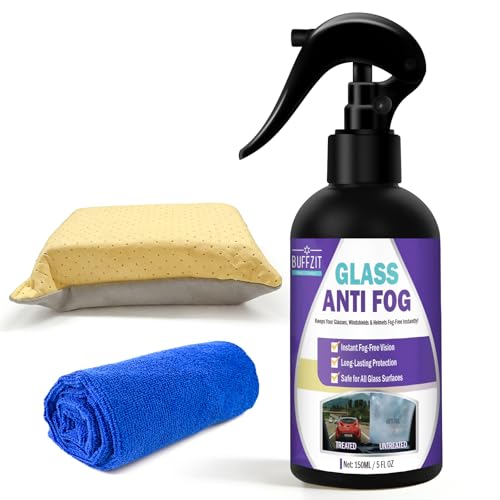
* Apply an Anti-Fog Treatment: Commercially available anti-fog sprays or wipes leave an invisible, super-slick coating on your glass. This surfactant film prevents water from beading up into the tiny droplets that create fog.
* The Shaving Cream Hack (DIY): In a pinch, regular shaving foam can work. It contains soaps and surfactants similar to commercial products. Apply a small amount to your glass, spread it evenly, and then buff it completely away with a clean, dry cloth until the glass is clear.
Here is a comparison of different product types to help you decide:
| Product Type | How It Works | Best For |
|---|---|---|
| Anti-Fog Sprays | Leaves a clear, surfactant film on the glass. | Quick, easy application; general use. |
| Anti-Fog Wipes | Pre-soaked wipes for convenient application. | Keeping in the glove box for emergencies. |
| Silica Dehumidifiers | Absorb moisture directly from the cabin air. | Constantly damp climates; long-term prevention. |
| Shaving Cream (DIY) | Contains soaps that act as a surfactant. | In a pinch, a low-cost DIY solution. |
How Should I Adjust My Approach for Different Weather Conditions?
Yes, you must adjust your strategy for different weather, because rain, cold, and summer heat each change the balance of temperature and humidity differently. A one-size-fits-all approach isn’t effective. Demonstrating deep expertise means knowing how to adapt. Real-world experience shows that tailoring your response to the specific weather scenario is the key to maintaining clear vision year-round.
In the Rain
You get into your car on a rainy day, and instantly, your windows fog up. This happens because you’re tracking in water and the outside air is at 100% humidity.
- Action 1: Use the A/C immediately. Even if you want heat, the A/C is non-negotiable in the rain. Its dehumidifying power is essential to combat the moisture you’re bringing in.
- Action 2: Use fresh air, not recirculation. Pulling in outside air might seem counterintuitive when it’s raining, but it’s still less humid than the air inside your sealed-up car with wet passengers.
- Action 3: Turn up the heat. Once the A/C is on, increase the temperature. This creates the warm, dry air needed to clear the glass quickly.
In Cold Winter
In winter, the fog is almost always on the inside and is primarily caused by the moisture from your breath hitting the freezing-cold glass.
- Action 1: Pre-condition your car if possible. If you have a remote start, let the car run for a few minutes with the defroster on high heat before you get in. This warms the glass to prevent your breath from condensing.
- Action 2: Use the fast defog method immediately. As soon as you get in, use the full sequence: defroster on high, A/C on, heat on max, and recirculation off.
- Action 3: Crack a window. For the first minute of driving, crack a rear window. This creates a powerful escape route for the incredibly moist air you’re exhaling.
In Hot, Humid Summer
You’re running the A/C on a sweltering day, and a strange fog appears on the outside of the windshield that the defroster can’t clear.
- Action 1: Use your windshield wipers. The fog is on the outside, so a quick swipe of your wipers will clear it instantly.
- Action 2: Aim vents away from the glass. If the exterior fog is persistent, aim your main A/C vents toward you and away from the windshield. This allows the glass to warm up slightly, stopping condensation.
- Action 3: Slightly increase the A/C temperature. If the fog keeps returning, your A/C is making the glass too cold. Bumping the temperature up a degree or two can often solve the problem without sacrificing comfort.
FAQs About why are my windows fogging up in my car
Why do my windows fog up even when it’s not raining or cold?
This is usually due to high humidity inside your car from sources like damp floor mats, a small leak, or even from carrying damp items. Even on a dry day, if the moisture level inside the car is high enough, it will condense on the glass as soon as the glass temperature drops, for example, overnight. Check under your floor mats for dampness.
Is it better to use hot or cold air to defog windows?
Use hot air with the A/C on, as this combination is the fastest way to defog. The A/C removes the moisture from the air (making it dry), and the heat then warms the glass, causing any remaining moisture to evaporate quickly. Cold air will work, but much more slowly because it doesn’t help evaporate the moisture.
Does turning on the “recirculate” button help with fog?
No, using the recirculate button makes fogging worse. This setting traps the humid air inside your cabin and recirculates it. To defog, you must turn the recirculation feature OFF to bring in drier, fresh air from outside.
Can a dirty cabin air filter cause windows to fog up?
Yes, a clogged cabin air filter can definitely contribute to window fog. It restricts airflow from your climate control system, making your defroster less effective. This weak airflow can’t clear the humidity from the cabin efficiently, leading to persistent fog.
Why do only some of my car windows fog up?
This is due to variations in airflow and glass temperature across the car. The front windshield typically fogs the most because the defroster is aimed directly at it, creating a large temperature difference. Side windows near vents or passengers may fog more than unoccupied rear windows.
Does keeping windows clean really help prevent fog?
Yes, it is one of the most effective prevention methods. Dust, oils, and grime on the inside of your glass give water molecules a surface to cling to, which encourages fog formation. An impeccably clean window surface makes it much harder for condensation to form.
What is the “shaving cream trick” and does it work?
Yes, the shaving cream trick works as a temporary anti-fog solution. Shaving cream contains surfactants, similar to commercial anti-fog products. When a thin layer is applied to the glass and then buffed completely clear, it leaves an invisible film that prevents water from beading up into fog.
Do car dehumidifiers or silica gel packs work?
Yes, they are very effective at long-term moisture control. Products like reusable silica gel packs or dehumidifier bags actively absorb moisture from the air inside your car. This lowers the overall humidity in the cabin, significantly reducing the chance of fog forming in the first place.
My windows fog up and have a greasy or oily film. What causes this?
This film is often caused by “off-gassing” from plastics and vinyl in your car’s interior. The dashboard and other materials release chemicals over time, which can create an oily residue on the inside of the glass. This film attracts dust and moisture, making fogging much worse. A thorough cleaning with a quality glass cleaner is required to remove it.
Can a coolant leak cause windows to fog up?
Yes, and it’s a serious issue that needs immediate attention. If you notice a sweet, syrupy smell when your defroster is on and the fog is greasy and difficult to clear, you may have a leaking heater core. The fog is actually aerosolized coolant, which is hazardous to breathe and requires professional repair.
Key Takeaways: A Summary for Clear Car Windows
Understanding and controlling window fog comes down to a few core principles. Mastering them will ensure you always have a clear view of the road ahead.
- Fog is Science, Not Magic: Window fog is simply condensation caused by a temperature and humidity difference between the air and the glass. Control these two factors, and you control the fog.
- A/C is Your Best Friend: The air conditioner is a powerful dehumidifier. Use it with the heat on for the fastest defogging, as it creates warm, dry air that absorbs moisture rapidly.
- Never Recirculate to Defog: The recirculation button traps moist air inside your car, making fog worse. Always ensure it’s turned off, allowing dry, fresh air to enter the cabin.
- Cleanliness is Key: A clean windshield is your best defense against fog. Dirt and grime on the inside of the glass give condensation a perfect surface to cling to.
- Inside vs. Outside Fog: If the fog is on the inside, the air in your car is too humid. If the fog is on the outside (common in summer), your windshield is too cold from the A/C. Use wipers to clear outside fog.
- Think Proactively: Don’t just react to fog. Prevent it by using dehumidifiers, applying anti-fog treatments, and regularly checking your cabin air filter and window seals.
Final Thoughts on Maintaining Clear Vision
Ultimately, managing foggy car windows is about understanding the interplay between temperature and moisture. By applying the right techniques for the specific situation—whether it’s a quick defog on a cold morning or preventing exterior fog on a humid day—you can take full control of your visibility. Armed with this knowledge, you no longer have to be a victim of the weather. You can now proactively maintain a clear and safe driving environment in any condition.