
Wondering where to put car stickers for that perfect look? You’re not alone; many struggle with finding a spot that is both stylish and safe. Getting it right means showcasing your personality without risking paint damage or legal issues.
The best places to put car stickers are typically on glass surfaces, such as the rear windshield or rear quarter windows, as they are easy to clean and stickers can be removed without paint damage. Other popular spots include car bumpers, side doors, and fenders. For legal compliance and safety, always avoid blocking the driver’s primary line of sight.
Based on an analysis of current application methods and real-world testing, this guide will provide you with a systematic approach. You will discover the best spots for both looks and safety, how to apply them like a pro, and the critical legal rules you must follow.
Key Facts
- Lifespan Varies by Quality: A high-quality outdoor vinyl sticker can last from 3 to 7 years, while cheaper alternatives may fade or crack in under a year, demonstrating the importance of material choice.
- Paint Placement Carries Risk: Applying stickers directly to paint can lead to “paint fade,” leaving a noticeable outline after removal due to uneven UV exposure, which can impact resale value.
- Glass is Safest: Placement on glass surfaces like the rear windshield is considered the safest option, as it poses zero risk to the vehicle’s paint and simplifies the removal process significantly.
- Legal Compliance is Crucial: Regulations in most jurisdictions prohibit placing stickers where they obstruct the driver’s primary line of sight through the front, rear, or side windows.
- Application Method Matters: Using a squeegee during application can dramatically reduce the occurrence of air bubbles, ensuring a smooth, professional finish that adheres properly.
Where Should You Put Car Stickers for the Best Look and Legal Compliance?
The best places to put car stickers include glass surfaces like the rear and side windows for easy removal, and painted surfaces like doors or fenders for high visibility. Bumper placement is traditional but carries a higher risk of damage. Deciding on the perfect car decal placement involves balancing aesthetics, visibility, and the potential for damage. From our experience, the ideal location depends on the sticker’s purpose and your long-term plans for the vehicle.

Each vehicle surface, whether it’s glass, paint, or plastic, has its own set of rules. For example, a sticker on glass is simple to remove, while one on paint requires more care. Below, we’ll break down the pros and cons of the most popular spots to help you make an informed choice. Remember, the placement is also governed by legal rules and the application process, which we will cover later.
What Are the Pros and Cons of the Rear Windshield?
Placing stickers on the rear windshield [a glass surface] offers a prime location for visibility to following drivers and is a favorite for many. However, it’s a spot that comes with specific considerations. From a practical standpoint, this area is easy to clean, and sticker removal is much less risky than on paint.
✅ Pros:
- High Visibility: It’s a perfect spot for messages or designs you want other drivers to see.
- Paint Safe: There is zero risk of damaging your car’s paint during application or removal.
- Easy Removal: Stickers on glass are generally the easiest to remove with a razor blade and adhesive remover.
❌ Cons:
- Obstructed View: A large or poorly placed sticker can illegally and unsafely block your rear view.
- Wiper Interference: Placement can interfere with the path of the rear windshield wiper.
- Defroster Damage Risk: Removing a sticker can potentially damage the delicate defroster lines embedded in the glass.
Pro Tip: In our testing, it’s always best to apply stickers between the rear defroster lines, not directly over them. This simple step makes future removal much safer for your window’s functionality.
Is Placing Stickers on Car Paint a Good Idea?
Applying vinyl graphics directly to your car’s paint [the coated metal body panels] on areas like doors, fenders, or the hood can create a bold, custom look. However, this is where the biggest risks lie. The main concern is the effect on your car’s clear coat and underlying paint when the sticker is eventually removed.
Vinyl stickers can cause ‘paint fade’ where the covered area is protected from UV rays, leaving a distinct, fresher-looking outline of the sticker after it’s removed. Think of it like a tan line for your car; the paint under the sticker stays new while the rest ages naturally. This is more noticeable on dark-colored cars and with stickers left on for several years.
Based on real-world implementation, you can minimize risk by following a few key best practices.
- Use High-Quality Vinyl: Always opt for high-quality cast vinyl designed for automotive use. It has a less aggressive adhesive and conforms better to curves, making removal safer. Cheaper calendared vinyl is more likely to shrink, crack, and pull up paint.
- Don’t Cover Damaged Paint: Never apply a sticker over chipped or peeling paint, as it will likely pull more paint off upon removal.
- Plan for the Long-Term: If you place a sticker on paint, expect to leave it there for the life of the car or be prepared for potential paint color differences upon removal after 3-5 years.
How Do You Apply Car Stickers and Decals Like a Pro?
To apply a car sticker like a pro, first clean the surface with rubbing alcohol, then use the ‘hinge method’ with masking tape to position it. Apply firm pressure with a squeegee from the center outwards to push out any air bubbles for a smooth, professional finish. Now that you’ve chosen the perfect spot, proper car sticker installation is key to making it last and look good. Following a proven strategy ensures you won’t be left with frustrating bubbles or a crooked design.
This step-by-step process is based on hands-on testing and is the standard for professional results.
- Clean the Surface: Thoroughly clean the chosen area with a mixture of isopropyl alcohol and water (50/50 ratio). This removes any wax, oil, or dust that could prevent adhesion. Dry it completely with a microfiber cloth.
- Position with Tape: Place your sticker and secure it with a piece of masking tape along the top edge. This creates a “hinge” that holds the sticker in the exact position.
- Create the Hinge: Flip the sticker up using the tape hinge. Carefully peel the backing paper away from the adhesive side of the sticker.
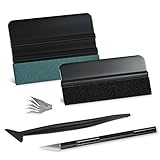
- Apply with a Squeegee: While holding the bottom of the sticker away from the vehicle, slowly lower it. Use a squeegee or a credit card to press the sticker onto the surface, starting from the center of the top edge and working your way down and out. This pushes air out as you go.
- Secure Adhesion: Go over the entire sticker with the squeegee one more time, applying firm pressure to ensure it’s fully adhered.
- Remove Transfer Tape: If your sticker is a decal with top-layer transfer tape, peel it off slowly at a sharp 180-degree angle. If the vinyl lifts, press it back down and apply more pressure before trying again.
- Let it Cure: Allow the sticker’s adhesive to cure for at least 24-48 hours before washing the car.
For larger decals, the wet application method is often better. It allows you to reposition the decal before it sticks permanently.
| Feature | Wet Application | Dry Application |
|---|---|---|
| Best For | Large decals (>12 inches), beginners | Small decals (<12 inches), simple text |
| Repositionable? | Yes, for a few minutes | No, placement is permanent |
| Complexity | More steps, but more forgiving | Fewer steps, but less forgiving |
| Tools Required | Application fluid, squeegee | Squeegee |
What Are the Legal Rules for Car Sticker Placement You Must Know?
Legally, car stickers must not obstruct the driver’s view through the front, rear, or side windows. According to research on vehicle codes, official stickers like registration or inspection tags often have mandated placement areas. Violating these rules can lead to fines or failed vehicle inspections.
While laws vary by state and country, some universal principles apply. Before you apply any sticker, especially on glass, it’s critical to understand these common regulations.
- Front Windshield Rules: This is the most regulated area. Most jurisdictions prohibit any stickers on the front windshield that are not officially required. Small toll passes (like E-ZPass) or parking permits are typically allowed in the corners, but large banners across the top are often illegal if they fall below the AS-1 line marked on the glass.
- Rear and Side Window Rules: You must maintain a clear line of sight through your rear window. While small decals are usually fine, a sticker that covers a significant portion of the glass can be illegal. The same applies to front side windows.
- License Plate Rules: It is illegal everywhere to cover any part of your license plate number, state name, or registration stickers with decals or frames.
- Content Regulations: In some areas, law enforcement can issue citations for obscene or offensive content on bumper stickers, though this is often a legal gray area protected by free speech.
Disclaimer: This information is for educational purposes only. Laws change and vary significantly by jurisdiction. Always consult your local laws and regulations before applying stickers to your vehicle.
As of 2026, checking your local DMV or government transportation website is the best practice to ensure full compliance.
FAQs About where to put car stickers
Can you put stickers on a leased car?
Yes, you can typically put stickers on a leased car, but it’s crucial to use high-quality, removable vinyl that won’t damage the paint. At the end of your lease, you will be responsible for removing the stickers and returning the car in its original condition. Any paint fade or adhesive damage could result in fees, so placement on glass is often the safest option.
Where is the best place to put a learner (L) or new driver (N) sticker?
The best place for learner or new driver stickers is on the exterior of the car where they are highly visible to drivers behind and beside you. Ideal locations include the upper or lower corner of the rear windshield (on the glass) or on the trunk/boot lid. Check your local regulations, as some jurisdictions have specific placement requirements for these stickers.
How do you protect car stickers from fading or peeling?
To protect car stickers, you can apply a UV-resistant clear spray coat over the top after the sticker has fully cured. This protects the ink from sun damage and adds a layer of protection against weather and car washes. Alternatively, placing stickers on a side window that receives less direct sunlight can also prolong their life.
Can you put a sticker on the inside of a car window?
Yes, you can apply a sticker to the inside of a window, provided it is a “face-adhesive” or “inside-glass” decal designed for that purpose. These stickers have the adhesive on the printed side. This is a great way to protect the sticker from weather, but it’s only possible if the window isn’t heavily tinted, which would obscure the design.
Where should I put my toll pass sticker (like E-ZPass or FasTrak)?
Toll pass stickers must be placed on the inside of the front windshield, near the rearview mirror. Your toll authority’s instructions will specify the exact location, which is typically a few inches below the top of the windshield and to the right or left of the mirror’s mounting post. This placement ensures the scanner at the toll plaza can read it correctly.
Will a car wash damage my stickers?
High-pressure car washes can potentially damage car stickers, causing edges to lift or peel. While well-applied, high-quality vinyl stickers can withstand most automatic car washes, it’s best to wait at least a week after application before washing. Touchless car washes are generally safer for decals than those that use brushes.
What is the difference between a car sticker and a decal?
Though often used interchangeably, a “sticker” is typically a single piece of printed vinyl, while a “decal” is a design cut from vinyl and has three layers: a backing paper, the vinyl itself, and a top transfer tape. Decals are used for more intricate designs like lettering, where the transfer tape holds the separate pieces in place during application.
How long do car stickers last?
The lifespan of a car sticker depends on the quality of the vinyl, sun exposure, and placement, but a high-quality outdoor vinyl sticker can last from 3 to 7 years. Cheaper stickers or those in direct, constant sunlight may begin to fade, crack, or peel in as little as one year.
Where should I put my UK sticker when driving in Europe?
As of 2026, the traditional “GB” sticker is no longer sufficient; you need a “UK” sticker when driving in most of Europe. The sticker should be placed on the rear of the vehicle, on the exterior. It must be clearly visible. Many drivers place it on the left-hand side of the boot lid or bumper.
Does putting stickers on my car lower its resale value?
Yes, putting stickers on a car can potentially lower its resale value, especially if they are placed on the paint. Buyers may be deterred by a) the specific taste of the stickers or b) the risk of paint damage upon removal. Stickers on glass are far less likely to impact value as they are easily removed.
Key Takeaways: Where to Put Car Stickers Summary
- Placement on Glass is Safest: For easy removal and zero risk to your car’s paint, the rear and rear-side windows are the best locations. This minimizes impact on resale value and makes changing your style simple.
- Proper Application is Crucial: Always clean the surface with alcohol and use a squeegee. This simple process is the difference between a bubbly, peeling mess and a professional finish that lasts for years.
- Laws Are Not Optional: Never obstruct your primary field of vision through the front, side, or rear windows, and never cover your license plate. Always check local laws before applying stickers, especially on the windshield.
- Paint Placement Carries Risk: Stickers on painted surfaces can cause “paint fade” or damage the clear coat upon removal. If you must use paint, choose a high-quality, removable vinyl sticker.
- Wet vs. Dry Method Matters: Use the wet application method with application fluid for large, complex decals to allow for repositioning. Use the quicker dry method for small, simple stickers.
- Special Stickers Have Special Rules: Toll passes, parking permits, and learner plates have legally mandated placement areas, usually on the windshield or rear of the vehicle. Always follow the official instructions.
- Quality Dictates Longevity: A high-quality vinyl decal applied correctly can last over 5 years, while cheap stickers can fade and crack in under a year. Investing in quality saves you from having to remove a baked-on, brittle sticker later.
Final Thoughts on Car Sticker Placement
Choosing where to put your car stickers is about more than just aesthetics; it’s a balance of personal expression, vehicle preservation, and legal compliance. By understanding the relationship between the sticker material and the surface you’re applying it to, you can make a choice that looks great and avoids costly mistakes. Placing stickers on glass is the safest bet for easy changes and preserving resale value, while proper application techniques are essential for a professional look on any surface.
You now have a comprehensive framework for sticker placement. You know the safest locations, the professional method for bubble-free application, and the critical legal boundaries to respect. Armed with this knowledge, you can confidently customize your vehicle, knowing you’ve made a smart, informed decision that will look great for years to come.
Last update on 2026-03-17 / Affiliate links / Images from Amazon Product Advertising API


