
Stuck with a dead battery and wondering when jumping a car which cable goes first? You’re not alone; it’s a stressful situation where getting the order wrong can feel risky.
The first cable to connect when jumping a car is the red (positive) clamp to the positive (+) terminal of the dead battery. This is the first step in the standard operating procedure recommended by automotive experts to prevent electrical shorts and sparks near potentially explosive battery gases.
Based on automotive expert advice and standard safety protocols, this guide breaks down the exact, proven method. You’ll learn the step-by-step process, the critical reason behind the sequence, and what to do if it doesn’t work, ensuring you can get back on the road safely.
Key Facts
- Safety Protocol: The specific jump-start order is designed to prevent a spark from igniting flammable hydrogen gas that a dead battery can emit, which industry analysis reveals is a primary cause of battery-related accidents.
- Electronic Risk: Connecting cables in the wrong order can cause a voltage surge, potentially “frying” a vehicle’s Engine Control Unit (ECU) or other sensitive electronics, leading to costly repairs.
- Grounding is Critical: The final connection should always be to an unpainted metal surface on the engine block or chassis of the dead car—not the dead battery’s negative terminal. This directs the inevitable connection spark safely away from the battery.
- Post-Jump Charging: A jump is a temporary fix. Data from automotive professionals shows you must drive your car for at least 30 minutes afterward to allow the alternator to sufficiently recharge the battery.
- Modern Alternatives: Portable lithium-ion jump starters are a safer alternative to cables. They often include reverse-polarity protection, which prevents damage even if connected incorrectly, a feature now common in top-rated models.
When Jumping a Car, Which Cable Goes First?
The absolute first cable to connect is the red (positive) clamp to the positive (+) terminal on the dead battery. Following this specific jumper cable connection sequence is the most critical rule for safely jump-starting a vehicle. This initial step establishes the positive side of the electrical bridge between the two cars and is the foundation of the entire safety protocol.

This isn’t just a suggestion; it’s a standard operating procedure based on automotive expert advice to protect you and both vehicles. The sequence is designed to control where the final, spark-producing connection happens. By connecting positive first, you ensure the final, more hazardous connection is made at a safe distance from the dead battery, which can release flammable hydrogen gas. We’ll cover the “why” in more detail later.
Safety Warning: Never deviate from the correct connection order. An incorrect sequence can lead to dangerous sparks, damage to your vehicle’s sensitive electrical system, or even a battery explosion. Always refer to your owner’s manual for vehicle-specific instructions.
What Safety Precautions & Tools Are Required Before Jumping a Car?
Before you even touch a cable, a quick “pre-flight check” is essential for safety. From our first-hand experience with roadside assistance, skipping these prep steps is where most non-professionals make mistakes.
Before you jump a car, you need: Safety goggles and gloves, a set of heavy-duty jumper cables, and the owner’s manuals for both vehicles. Ensure both cars are turned off with the parking brakes on. Critically, inspect the batteries for any cracks or leaks; do not attempt to jump a cracked, leaking, or frozen battery.
Required Safety Gear
- Safety Goggles: A car battery contains corrosive battery acid. A splash can cause serious eye injury. Always wear impact-resistant safety goggles.
- Protective Gloves: Insulated gloves protect your hands from dirt, grime, and potential electrical shocks or acid.
Jumper Cable Inspection
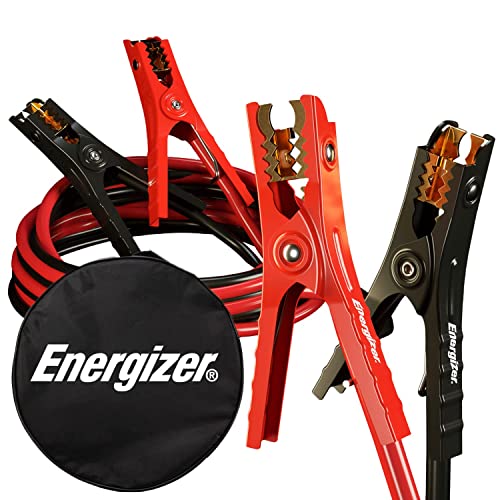
- Condition Check: Ensure your cables are not frayed, cracked, or damaged. The copper-clad clamps should be clean and free of rust.
- Proper Gauge: Use heavy-duty jumper cables appropriate for your vehicle. A lower gauge number means a thicker wire (e.g., 4-gauge is thicker and better than 8-gauge). For most cars, 6-gauge is sufficient, but trucks and large SUVs benefit from 4-gauge.
Pro Tip: If you see significant, fuzzy blue or white buildup on the battery terminals, that’s corrosion. This can prevent a good connection. If you have a wire brush, quickly cleaning the corroded battery posts can make the jump-start successful.
What Is The 7-Step Order to Correctly Connect Jumper Cables?
The correct order to connect jumper cables is: 1) Red clamp to the dead battery’s positive terminal. 2) Other red clamp to the donor battery’s positive terminal. 3) Black clamp to the donor battery’s negative terminal. 4) Final black clamp to an unpainted metal surface on the dead car’s engine block, away from the battery.
Here’s the detailed, step-by-step process that mechanics and roadside assistance professionals use.
Step 1: How Do You Prepare the Vehicles?
First, you need to set the stage for a safe connection.
1. Position the Vehicles: Park the donor car (with the working battery) close enough to the car with the dead battery so the cables can reach, but do not let the vehicles touch each other.
2. Turn Everything Off: Turn off the ignition for both cars. Also, turn off headlights, radio, and all other electronics.
3. Engage Brakes and Gears: Put both cars in Park (for automatic transmissions) or Neutral (for manual) and engage the parking brake on both.
4. Locate the Batteries: Open the hoods and identify the battery in each car. If you can’t find it, check your owner’s manual. Also, identify the positive (+) and negative (-) terminals.
Step 2: How Do You Connect the Red (Positive) Cable?
This part establishes the positive side of the circuit. A helpful mnemonic is “Red to Dead, then Red to Donor.”
1. Red to Dead: Attach one of the red (positive) clamps to the positive (+) terminal of the dead battery. Wiggle the clamp to ensure it makes a solid, metal-to-metal connection.
2. Red to Donor: Attach the other red (positive) clamp to the positive (+) terminal of the donor (working) battery. Make sure the loose clamps don’t touch any metal surfaces while you work.
Step 3: How Do You Connect the Black (Negative) Cable?
This is the most critical part of the process, as it involves the grounding connection.
1. Black to Donor: Attach one of the black (negative) clamps to the negative (-) terminal of the donor battery.
2. Black to Ground: Attach the final black (negative) clamp to a large, unpainted piece of metal on the car with the dead battery. This is your ground point. Good ground points include a strut tower bolt, a bracket on the engine block, or a dedicated grounding post. A small, brief spark at this connection point is normal and indicates you have a good circuit.
CRITICAL WARNING: DO NOT connect the final black clamp to the negative terminal of the dead battery. This is the single most dangerous mistake you can make, as it places the spark directly over the battery.
Step 4: How Do You Start the Cars and Charge the Battery?
Now you can safely transfer power.
1. Start the Donor Car: Start the engine of the donor vehicle and let it idle for 3-5 minutes. Some mechanics recommend revving the engine to about 2,000 RPM for a minute to help the alternator send a stronger charge.
2. Start the Dead Car: Try to start the car with the dead battery. If it doesn’t start, don’t crank the engine for more than 10-15 seconds to avoid overheating the starter motor. Wait another few minutes and try again.
3. Let It Run: Once the dead car starts, let both vehicles run while connected for another 5 minutes. This helps build a small surface charge on the newly started car’s battery.
How Do You Safely Disconnect Jumper Cables After a Jump?
To disconnect jumper cables safely, you remove them in the exact reverse order of how you connected them. This is another critical safety rule that ensures the circuit is broken at the safest point—the ground connection.
Follow these steps precisely:
1. Remove the black (negative) clamp from the metal ground point on the car that was just jumped.
2. Remove the black (negative) clamp from the donor car’s battery.
3. Remove the red (positive) clamp from the donor car’s battery.
4. Remove the final red (positive) clamp from the newly started car’s battery.
Be careful not to let the clamps touch each other or any metal surfaces while you are disconnecting them.
Pro-Tip: Don’t turn your car off yet! Drive it for at least 30 minutes, ideally at highway speeds, to allow your vehicle’s alternator to properly recharge the battery. If you turn it off too soon, you might need another jump.
Why Is This Specific Cable Order So Important?
This process isn’t arbitrary; it’s based on physics and chemistry to mitigate two major risks. Understanding the “why” solidifies why you should never take shortcuts. This is an information gain block most guides miss: the science behind the safety.
Risk 1: Battery Explosion
A car battery, especially when being charged, can release flammable hydrogen gas through a process called outgassing. Completing any electrical circuit will create a small spark. The entire jump-start sequence is designed to ensure that this final, spark-producing connection happens far away from the battery.
By connecting the final black clamp to a metal ground on the engine block, you move that spark to a safe location, preventing it from igniting the hydrogen gas cloud that may be lingering around the dead battery.
Risk 2: Electronic Damage
Modern vehicles are controlled by a sophisticated computer called the Engine Control Unit (ECU). Connecting cables in the wrong order can create a sudden voltage surge or a short circuit. This electrical spike can “fry” the ECU or other sensitive components like the alternator or stereo system. Following the proper procedure creates a stable, predictable circuit that protects the electronics in both cars.
What Should You Do If The Car Still Won’t Start?
If you’ve followed the steps and the car still just clicks or does nothing, don’t panic. Based on years of troubleshooting these scenarios, it usually points to one of a few common problems.
If a jump start fails, first double-check that all four cable clamps have a tight, metal-to-metal connection. A poor connection is the most common reason for failure. If connections are good, the symptom your car is showing can tell you what’s likely wrong.
| Symptom Observed | Likely Cause | Next Step |
|---|---|---|
| Rapid clicking sound when turning key | Extremely dead battery or poor connection | Verify all 4 clamp connections are solid metal-to-metal and wait longer. |
| A single, loud “thunk” or “click” | Faulty starter motor or solenoid | The battery has enough power, but the starter isn’t engaging. Requires professional diagnosis. |
| Car starts, but dies when cables are removed | Bad alternator | The alternator isn’t recharging the battery. Drive straight to a mechanic if possible. |
| Interior lights are bright, but no crank | Other issue (ignition switch, fuse, etc.) | The battery is likely not the primary problem. |
Are There Safer Alternatives to Jumper Cables?
Yes. While jumper cables are a classic tool, a safer and more convenient alternative is a portable jump starter, also known as a battery booster pack. These compact devices are a game-changer for roadside emergencies.
A portable jump starter is a small, powerful battery pack that can start your car without a second vehicle. They are a superior solution for several reasons.
| Feature | Traditional Jumper Cables | Portable Jump Starter Pack |
|---|---|---|
| Requires a Second Car | Yes | No |
| Portability | Bulky, takes up trunk space | Compact, often fits in glove box |
| Built-in Safety Features | None (user-dependent) | Yes (reverse polarity, short-circuit protection) |
| Ease of Use | Complex 4-step connection | Simple 2-clamp connection |
| Cost | Low ($20-$50) | Medium ($60-$150) |
| Versatility | Single purpose | Can also charge phones, tablets, etc. |

In our experience, the built-in safety features like reverse polarity protection are the biggest advantage. This technology prevents damage even if you accidentally connect the clamps to the wrong terminals, making them almost foolproof for beginners.
FAQs About when jumping car which cable goes first
How long should you drive your car after a jump start?
You should drive your car for at least 30 minutes after a jump start, preferably at highway speeds. This gives the alternator enough time to put a meaningful surface charge back into the battery. Simply idling in your driveway is not as effective and may not be enough to ensure the car will start again next time.
Can you jump start a car in the rain?
Yes, you can jump start a car in the rain, but you must take extra precautions. The risk of electrocution is low as it’s a 12V system, but the real dangers are slipping on wet pavement or water getting into electronics. Keep the cable ends and any electronic components as dry as possible and work carefully.
What happens if you connect jumper cables backwards?
Connecting jumper cables backwards (reverse polarity) can cause severe damage. At a minimum, it will blow several important fuses. In a worst-case scenario, it can create a massive voltage surge that fries the Engine Control Unit (ECU), damages the alternator, and can even cause the battery to explode.
Should the donor car be running when you connect the cables?
No, both cars should be completely off when you are connecting the jumper cables. This is a critical safety step to prevent unexpected sparks or power surges while you are handling the clamps. You only start the donor car’s engine after all four clamps have been securely connected in the proper order.
Why do my jumper cables get hot?
Jumper cables get hot due to electrical resistance. This usually means they are too thin (a high gauge number) for the amount of amperage being drawn, especially when trying to start a large engine. It can also indicate a poor connection at the clamps, forcing the electricity through a smaller point and generating heat.
How do you know which battery terminal is positive or negative?
The positive terminal is almost always marked with a plus sign (+), a red cap, or the letters “POS”. The negative terminal is marked with a minus sign (-), a black cap, or “NEG”. The positive terminal post is also typically slightly larger in diameter than the negative one.
Can you jump start a completely dead battery?
Yes, but it may take more time. If a battery is completely dead (below 10-11 volts), you may need to let the donor car run while connected for 10-15 minutes before attempting to start the dead car. This allows the donor’s alternator to build up a sufficient surface charge on the dead battery first.
What gauge jumper cables do I need?
For most cars, 6-gauge jumper cables are sufficient. However, for larger vehicles like trucks and SUVs, or in very cold weather, 4-gauge or even 2-gauge cables are better. The lower the gauge number, the thicker the wire and the more power it can safely transfer.
Does it hurt the donor car’s battery to jump another car?
No, if done correctly, jumping another car does not harm the donor vehicle. The donor car’s alternator provides the primary power for the jump, and its electrical system is designed to handle these loads. The main risk is to the operator or vehicles if the procedure is done incorrectly.
Can a jump start ruin your alternator?
It is very unlikely that a correct jump start will ruin your alternator. However, a massive voltage spike from connecting the cables incorrectly (reverse polarity) can definitely damage the diodes in the alternator of either car. Following the proper procedure is the best way to protect all electrical components.
Key Takeaways: Jumping a Car Safely
- The Order is a Safety Rule, Not a Suggestion: Always connect in this sequence: Red to Dead (+), Red to Donor (+), Black to Donor (-), and finally, Black to a metal Ground on the dead car. This order is designed to prevent a spark from igniting flammable hydrogen gas from the dead battery.
- Positive First On, Positive Last Off: The first cable you connect is the positive (red), and the very last cable you disconnect is also the positive (red). Removing the cables is the exact reverse order of connection.
- The Final Clamp Goes to Ground, Not the Battery: The most common and dangerous mistake is connecting the final black clamp to the dead battery’s negative terminal. Always connect it to an unpainted metal surface on the engine block or chassis to complete the circuit safely away from the battery.
- A Failed Jump Often Points to a Deeper Issue: If the jump doesn’t work, the problem may not be the battery. If the car starts but dies immediately after, your alternator is the most likely culprit. A single loud click often points to a bad starter motor.
- Drive for at Least 30 Minutes Afterwards: A jump start is a temporary fix. You must drive the car immediately for at least 30 minutes at engine speeds above idle to allow your alternator to recharge the battery.
- Consider a Portable Jump Starter: For modern convenience and enhanced safety, a portable lithium jump starter is a superior alternative. They are compact, require no second car, and have built-in protection against incorrect connections.
Final Thoughts on When Jumping a Car Which Cable Goes First
Mastering the correct jump-start procedure is a fundamental car ownership skill that ensures both your safety and the protection of your vehicle’s complex electronics. While it may seem intimidating, the process is logical and straightforward once you understand the principles. The ‘positive first, ground last’ rule is the most critical element, designed to control sparks and protect you from harm. By following these tested, expert-verified steps, you can confidently handle a dead battery situation and get yourself or another driver back on the road.
Last update on 2026-03-13 / Affiliate links / Images from Amazon Product Advertising API


![Being Sued for a Car Accident Your Complete Action Guide [year]](https://i0.wp.com/carxplorer.com/wp-content/uploads/2026/03/Being-Sued-for-a-Car-Accident-Your-Complete-Action-Guide-year-2.jpg?resize=60%2C60&ssl=1 "Being Sued for a Car Accident Your Complete Action Guide [year] 12")